
Setting up a dedicated home boxing corner requires balancing your training goals with the physical realities of your living space. A heavy duty sandbag is the centerpiece of this setup, but choosing the wrong one can lead to structural damage, joint injuries, or a bag that degrades rapidly under humid conditions. To make the right choice, you must evaluate your body weight, striking style, mounting options, and the local climate’s impact on materials.
In tropical environments, factors like high humidity and intense heat play a significant role in how your equipment ages. Sweat from intense workouts can quickly seep into porous materials, leading to unpleasant odors and structural breakdown. Therefore, selecting a bag that can withstand both heavy impacts and environmental moisture is essential for a long-lasting home gym setup.
Before making a purchase, it is crucial to understand that a heavy duty sandbag is not a one-size-fits-all product. The ideal bag for a lightweight speed boxer will differ significantly from what a heavyweight power puncher requires. By analyzing your specific training needs and the physical constraints of your home, you can select a bag that enhances your skills while keeping your living space safe and intact.
Products mentioned in this guide
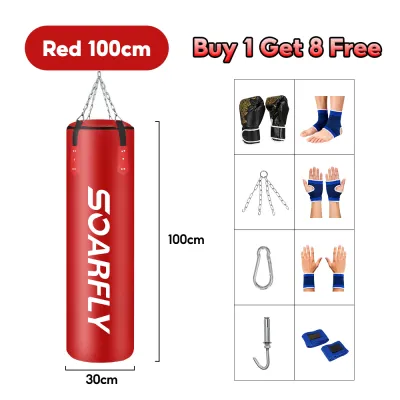
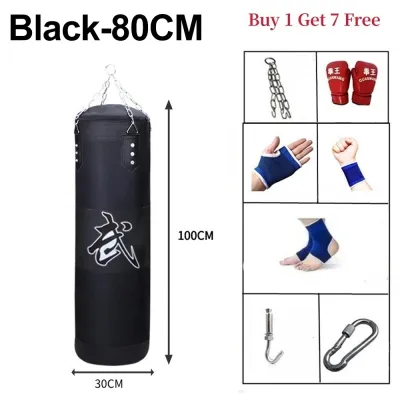
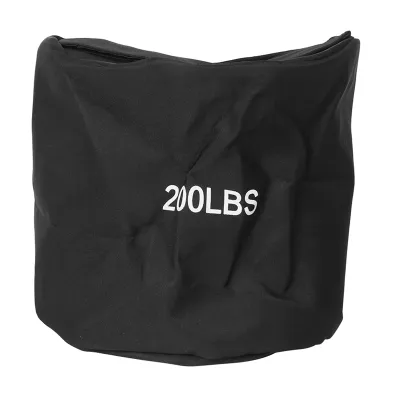
Prices are valid at publication and may change. Please refer to the product page for the latest price.
Key Factors for Choosing a Heavy Duty Sandbag
When selecting a heavy duty sandbag, the weight of the bag relative to your own body weight is the first critical decision point. A common guideline is that a heavy bag should weigh approximately half of your body weight to provide the right amount of resistance. If the bag is too light, it will swing excessively after every strike, disrupting your rhythm and forcing you to constantly stop and steady it. Conversely, a bag that is too heavy will feel like hitting a concrete wall, which can lead to wrist sprains, elbow hyperextension, and shoulder strain over time.
Your striking power and experience level also influence the ideal weight ratio. Experienced martial artists and power punchers often require a heavier bag—sometimes up to 60% or 70% of their body weight—to absorb their high-impact strikes without excessive movement. Beginners, however, should lean toward the lighter end of the spectrum to focus on developing proper punching mechanics, hand alignment, and footwork before moving on to denser targets.
The outer shell material is another vital consideration, especially when setting up a training corner in a humid tropical climate. Canvas is a traditional, cost-effective option that offers a classic feel, but its highly porous nature makes it a magnet for moisture. In humid conditions, canvas bags easily absorb sweat and ambient humidity, creating a breeding ground for mold, mildew, and persistent odors that are incredibly difficult to clean.
Synthetic leather, such as high-grade polyurethane (PU) or vinyl, is highly recommended for home use in humid regions. These materials are non-porous, meaning they resist sweat absorption and can be easily wiped down with a damp cloth and mild disinfectant after each training session. While cheaper synthetic options may crack or peel under intense heat and repeated impacts, premium engineered leathers offer durability that closely rivals genuine leather at a more accessible price point.
Genuine leather remains the premium choice for serious practitioners due to its durability, natural texture, and satisfying feedback upon impact. Leather bags can withstand years of daily abuse without tearing or losing their shape, provided they are properly maintained. However, genuine leather requires regular conditioning with specialized leather oils to prevent it from drying out, cracking, or rotting when exposed to sweat and high humidity.
The choice between pre-filled bags and empty shells significantly impacts your budget, shipping logistics, and customization options. Pre-filled bags are packed professionally at the factory, ensuring a consistent density throughout the bag without any hard spots or hollow pockets. While convenient, these bags are incredibly heavy and expensive to ship, and you cannot easily adjust their weight or firmness later on.
Empty shells, on the other hand, are highly cost-effective to ship and give you complete control over the filling material and overall density. You can pack the bag to your exact preference, using a mix of shredded textiles, compressed foam, and small sand weights. However, manually filling a heavy bag requires patience and physical effort, as you must pack the materials tightly in layers to prevent them from settling and leaving the top of the bag empty and the bottom rock-hard.
Matching Sandbag Shapes to Your Training Goals
The geometry of your heavy bag dictates the types of strikes you can practice and how you move around your training space. Different shapes alter the center of gravity, swing dynamics, and target angles, meaning your choice should align directly with your primary martial arts discipline.

Traditional Cylindrical Heavy Bags
Traditional cylindrical heavy bags are the standard for foundational boxing training. Their straight, uniform profile is ideal for practicing straight punches like jabs and crosses, as well as basic combinations and power development. Because they hang vertically and swing predictably, they help you establish a rhythm and practice basic footwork.
These bags typically require a clear radius of space and a sturdy mounting point that can handle both the static weight and the dynamic force of your strikes. They are highly versatile and suitable for most home gyms, provided you have the vertical clearance to hang them properly.
Teardrop and Wrecking Ball Bags
Teardrop and wrecking ball bags feature a wider upper body or a completely spherical design, making them perfect for practicing hooks, uppercuts, and angled strikes that are difficult to land on a flat cylindrical surface. The curved surface mimics the natural contours of an opponent’s body, allowing for more realistic combination training.
Because their center of gravity is concentrated, these bags swing differently than standard cylindrical bags, requiring precise height adjustment to align with your head and torso level. Managing the swing is crucial, as these bags can move unpredictably if struck with improper technique, making them better suited for intermediate to advanced practitioners.
Banana and Muay Thai Bags
Banana and Muay Thai bags are elongated and heavy, designed to rest close to or touch the floor, making them indispensable for kickboxing and Muay Thai. They provide a continuous striking surface from head height down to the shins, allowing you to practice low kicks, knee strikes, and clinch work.
Because of their length, they require higher ceilings and ample floor clearance to prevent the bottom of the bag from dragging excessively or bunching up. They are also significantly heavier than standard bags, which means your mounting system must be exceptionally robust to handle the increased load.
Space, Mounting, and Safety Considerations for Home Use
Before hanging a heavy duty sandbag, you must conduct a thorough structural assessment of your home. Hanging a heavy bag from an unreinforced ceiling joist or a weak wall stud can cause catastrophic structural failure and severe injury. Always consult a qualified structural engineer or professional contractor to verify that your ceiling joists or wall studs can support both the static weight of the bag and the dynamic, multi-directional forces generated during a workout.
Vibration and noise mitigation are critical, especially if you live in a multi-story home or a shared apartment building. The impact of your punches travels through the mounting system and vibrates the entire structure of the building. Using heavy-duty spring connectors, rubber dampeners, or specialized heavy bag hangers can significantly absorb these vibrations before they reach your ceiling. Additionally, placing thick rubber gym mats under your training area helps deaden the sound of your footwork.
Clearance is another vital safety factor. You need a minimum clearance radius of at least 1.5 to 2 meters around the bag to move freely, practice footwork, and throw full-extension strikes without colliding with walls, furniture, or glass windows. A cramped space not only limits your training but also increases the risk of tripping or striking a hard object.
Building Your Shortlist: What to Verify When Shopping
When browsing online marketplaces or visiting local sporting goods stores, you must look past marketing claims and verify specific product details. Check the manufacturer’s product labels for the maximum weight capacity and the recommended fill materials to ensure the bag can handle your intended setup.
Inspect the suspension system carefully. Look for heavy-duty steel chains, thick nylon straps, and reinforced D-rings. In humid climates, steel components must have a rust-resistant coating (such as zinc plating or powder coating) to prevent corrosion from sweat and moisture. The stitching where the straps or D-rings attach to the bag must be heavily reinforced, preferably with multiple rows of heavy-duty thread and metal rivets, as this is the primary point of failure under heavy use.
Verify whether the bag includes an internal liner. A high-quality internal liner acts as a barrier that prevents fine dust or sand from leaking through the outer shell’s seams, while also protecting the outer material from internal friction and shifting fill materials.
Frequently Asked Questions (FAQ)
Can I fill a heavy duty sandbag with just sand?
No, filling a heavy duty sandbag entirely with raw sand is not recommended. Sand is extremely dense and settles over time due to gravity and the impact of your strikes. This creates a rock-hard bottom section that can cause severe hand, wrist, and joint injuries, while leaving the top of the bag hollow and useless. Additionally, the extreme weight of pure sand puts immense stress on the seams and suspension straps, leading to premature tearing. Instead, the standard practice is to use shredded textiles or rags as the primary filling, with small, sealed sandbags placed in the center of the bag if you need to add extra weight.
How heavy should my sandbag be as a beginner?
As a general guideline, beginners should look for a heavy bag that is approximately half of their body weight. For example, if you weigh 70 kilograms, a bag weighing around 30 to 35 kilograms is an excellent starting point. This weight provides enough resistance to absorb your punches without swinging wildly, while still offering enough give to protect your joints. Starting with a bag that is too heavy or dense can lead to poor punching technique, wrist sprains, and shoulder strain. It is always better to start slightly lighter to focus on proper form, hand alignment, and footwork before transitioning to heavier, more solid bags.
Community discussion
Share your experience or ask a question. Comments are reviewed before publication.