
Setting up a stationary bike for exercise in a compact home or high-rise condominium requires balancing the physical size of the equipment with the space you need to move safely. While a typical stationary bike occupies a physical footprint of approximately 120 centimeters by 60 centimeters, the actual space you must allocate is significantly larger. To mount, dismount, and pedal comfortably without hitting walls or furniture, you generally need a clear zone of at least 180 centimeters by 120 centimeters.
In a tight layout, every centimeter counts, and failing to plan for clearance can turn a healthy habit into a daily frustration. By measuring your space accurately, understanding how different bike designs impact your room, and planning for ventilation and floor protection, you can create an inviting workout spot that does not disrupt your daily living area.
Measuring Your Available Floor Space and Clearances
Before purchasing any fitness equipment, you must measure the exact floor area where you plan to place it. Use a physical tape measure rather than relying on visual estimation, as baseboards, wall outlets, and low-hanging furniture can reduce your usable floor space. Mark the proposed footprint on your floor using painter’s tape to help visualize how much room the bike will occupy during a workout.
Products mentioned in this guide


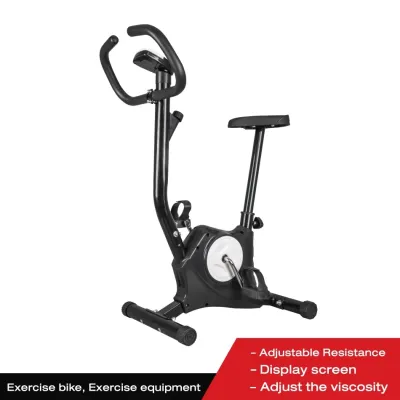

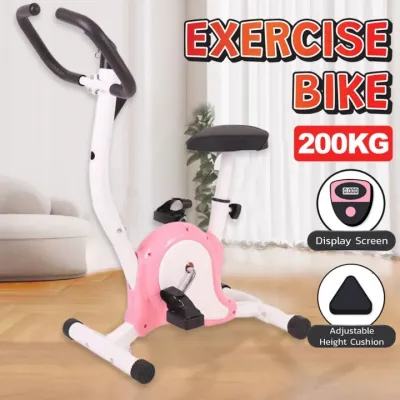
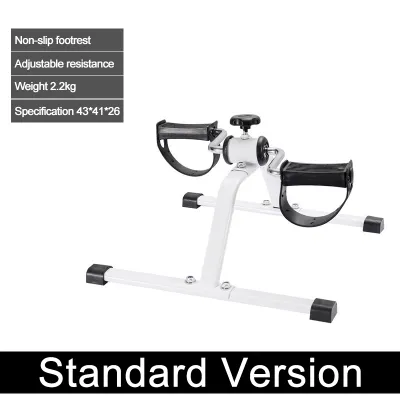
Prices are valid at publication and may change. Please refer to the product page for the latest price.
Ceiling height is another critical factor that is often overlooked, especially if you plan to use an indoor cycling bike where you will frequently stand up on the pedals. Measure the height from the floor to your ceiling, then subtract your own height and the height of the bike’s pedals at their lowest point. Ensure there is ample clearance to prevent your head from coming too close to light fixtures, concrete beams, or ceiling fans, which are common in tropical homes.
Your planning must also account for the journey the bike takes to reach its final spot. Measure the width and height of all entry points, including condominium elevators, narrow stairwells, main doorways, and hallway corners. If you live in a high-rise building, check the elevator’s weight and size limits to ensure the boxed or pre-assembled bike can fit inside without damaging the walls or doors.
Finally, calculate the safety clearance zone around the perimeter of the bike. You should maintain a minimum of 50 to 60 centimeters of open space on both sides and behind the equipment. This buffer zone is essential for safe mounting and dismounting, reaching for water bottles or towels, and allowing for emergency stops if your feet slip off the pedals.
Comparing Stationary Bike Footprints by Type
Different types of stationary bikes have distinct spatial profiles, and choosing the right design depends heavily on your available room. Upright bikes generally offer a compact footprint because the rider sits in a vertical position directly over the pedals, making them highly suitable for tight corners. Indoor cycling bikes, often used for high-intensity workouts, have a similar length and width but require more overhead clearance and a sturdier base to handle intense, standing pedaling.

Recumbent bikes, which feature a reclined seat with back support and forward-mounted pedals, require the most floor space. These models are significantly longer than upright designs, meaning they may not fit comfortably in a standard studio unit without blocking walkways. Folding bikes offer the smallest footprint when stored, but they often have lower weight capacities and may feel less stable during vigorous exercise.
To find the exact dimensions of a model you are considering, always verify the manufacturer’s specifications in the product manual or official packaging. Do not rely on generic category averages, as frame designs vary widely between brands. Look closely at both the assembled dimensions and the recommended operating clearance specified by the manufacturer.
When comparing options, you will often face a trade-off between a smaller physical footprint and overall equipment stability. Lighter, more compact bikes are easier to move and store, but they may wobble or slide when you pedal at high speeds. Sturdier bikes with heavy flywheels and wide stabilizer bars offer a smoother, safer ride but require a permanent, larger footprint that cannot be easily tucked away.
Designing a Functional Layout for Compact Rooms
Integrating a stationary bike for exercise into a multi-use living space requires careful layout planning to maintain a natural traffic flow. Avoid placing the bike in primary walkways, directly in front of closet doors, or blocking emergency exit routes. If you must place the bike in a living room or bedroom, position it parallel to walls or large furniture pieces to keep the center of the room open.
For multi-purpose rooms, you can use visual barriers to separate your workout zone from your living or sleeping areas. Placing a folding screen, a tall potted plant, or a low bookshelf next to the bike can create a psychological boundary, helping you focus during exercise and hide the equipment when it is not in use. Corner placements are highly effective for keeping the bike out of sight while maximizing the central floor area.
If you are considering a model that supports folding or wall-mounted storage, verify that your room’s structural conditions allow for safe handling. Wall mounts require secure anchoring into solid concrete or structural studs, which may not be permitted in some rental properties or high-rise condominiums. Always follow the manufacturer’s instructions for folding mechanisms to prevent accidental tipping or injury when moving the bike into storage.
Managing Safety, Ventilation, and Floor Protection
Protecting your living space from the physical demands of indoor cycling is essential for long-term comfort and property maintenance. Placing a high-density equipment mat beneath your stationary bike is highly recommended to shield your flooring from sweat, scratches, and indentations. In shared residential buildings, a thick mat also helps dampen noise and vibration transfer, preventing disturbances to neighbors living on the floor below.
Enclosed rooms can heat up rapidly during cardiovascular exercise, especially in warm, humid climates. Ensure your workout area has adequate airflow by positioning the bike near a window, utilizing a standing floor fan, or placing it within range of an air conditioning unit. Proper ventilation not only keeps you comfortable but also helps dry sweat quickly, reducing the risk of moisture buildup on your equipment and nearby walls.
Before finalizing your setup, check the weight capacity of your flooring, particularly if you plan to place the bike on a balcony or a loft level. Cross-reference the combined weight of the bike and the heaviest user with the structural limits of your home. If you are unsure about the load-bearing capacity of a specific area, consult your building’s administration or a structural professional before assembling heavy fitness equipment.
Frequently Asked Questions (FAQ)
Can I keep a stationary bike on a condo balcony?
Keeping a stationary bike on an open balcony is generally not recommended due to environmental risks. High humidity, direct sunlight, and rain can cause rapid rust, electrical short circuits in digital consoles, and degradation of plastic parts. If you choose to use a balcony, verify that the area is fully enclosed, check your building’s balcony weight limits, and consult the manufacturer’s warranty regarding outdoor exposure.
Do folding stationary bikes save significant space?
Yes, folding models can save substantial floor space when folded, often reducing their footprint by half. However, they still require a dedicated storage spot, such as a closet or a secure corner, where they will not tip over. Keep in mind that folding bikes typically have lighter frames, which may compromise stability and comfort during high-intensity workouts compared to non-folding models.
How do I move a stationary bike through narrow doors?
To navigate tight doorways and hallways, check if your bike has built-in transport wheels on the front stabilizer bar, which allow you to tilt and roll the unit. If the clearance is still too narrow, consult the user manual to see if you can safely temporarily remove the pedals or handlebars. For complex or heavy models, professional assembly inside the designated room is often the safest way to avoid damaging your walls or the equipment.
Community discussion
Share your experience or ask a question. Comments are reviewed before publication.