
Practicing your basketball skills at home is one of the most effective ways to build ball-handling consistency, hand-eye coordination, and overall court confidence. However, for many players living in the Philippines, finding a suitable space to train without causing a disturbance is a major challenge. Whether you reside in a high-rise condominium in Metro Manila, a shared apartment, or a closely packed townhouse in a suburban subdivision, the repetitive thud of a bouncing basketball can quickly strain relationships with your neighbors. Fortunately, you do not have to halt your athletic progress to keep the peace in your community.
By combining specialized low-impact equipment, modified ball-handling techniques, and strategic spatial planning, you can create a highly effective home practice routine that remains virtually silent. Swapping out your standard leather game ball for a foam-based silent basketball is the foundation of this quiet training setup. When paired with vibration-dampening floor mats and a focus on zero-bounce skill drills, you can refine your game at any hour of the day without sending disruptive vibrations through shared walls and floors. Achieving this balance requires understanding how sound travels through your home and making deliberate adjustments to your training environment.
Assessing Your Space and Noise Vulnerabilities
Before you begin bouncing any ball indoors, it is essential to evaluate your specific living environment to identify how sound and physical vibrations travel through the structure. Acoustic energy generally falls into two categories: airborne noise and structure-borne noise. Airborne noise refers to the sound waves that travel directly through the air, such as the high-pitched slap of your hand striking the ball or the sound of your breathing during a workout. Structure-borne noise, on the other hand, occurs when a physical impact sends kinetic energy directly into the building’s framework, creating low-frequency vibrations that travel through floors, beams, and walls.
Products mentioned in this guide
Prices are valid at publication and may change. Please refer to the product page for the latest price.
In typical Philippine residential buildings, floors are commonly constructed from concrete slabs finished with ceramic tiles, vinyl planks, or polished concrete. While thick concrete is relatively effective at blocking airborne sounds like voices or music, it is an incredibly efficient conductor of structure-borne impact vibrations. When a basketball strikes a tiled concrete floor, the impact energy bypasses the air and travels directly down into the structural slab, manifesting as a loud, bass-heavy thud in the unit directly below you. If you live in a townhouse or duplex with shared firewalls, these lateral vibrations can also transfer sideways into your neighbor’s living space.
To prevent disputes, you must familiarize yourself with your building administration’s guidelines or your homeowner association rules. Most modern condominium developments and residential subdivisions enforce strict policies regarding indoor sports, floor impact, and designated quiet hours, which typically run from 10:00 PM to 6:00 AM. Some properties may prohibit indoor ball play entirely if it generates persistent complaints. Identifying the high-risk areas in your home—such as rooms situated directly above a neighbor’s bedroom or adjacent to a shared wall—allows you to position your practice zone where it will cause the least amount of disruption.
Selecting Equipment for Silent Basketball Training
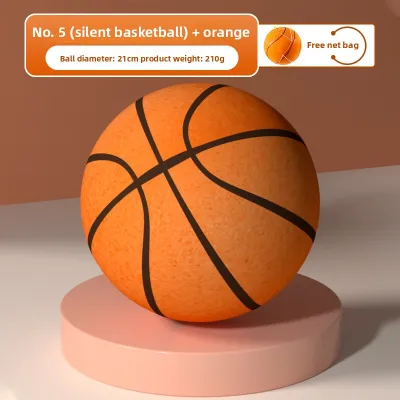
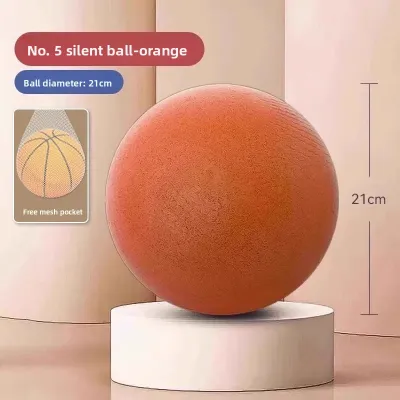
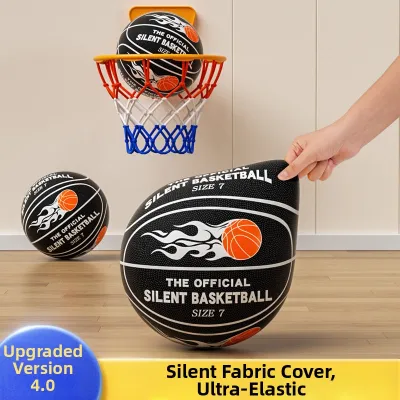
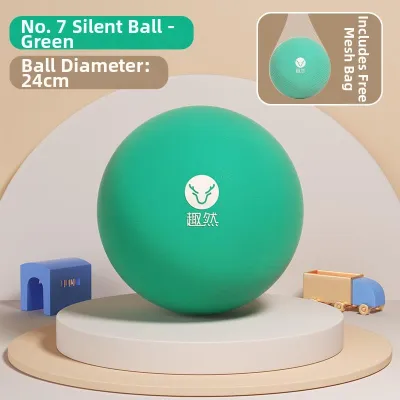
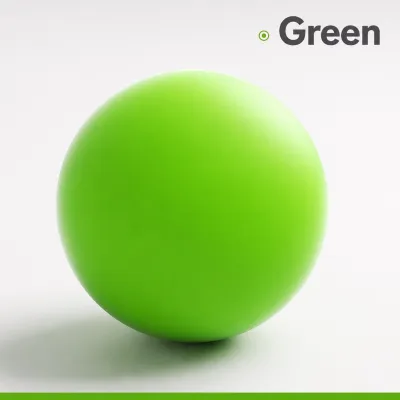
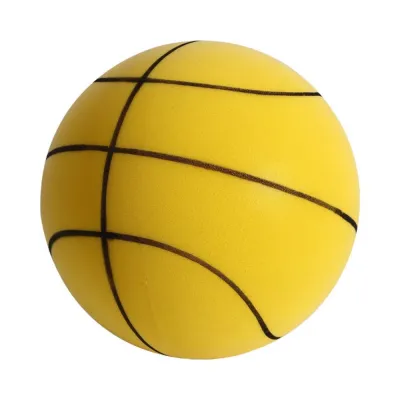
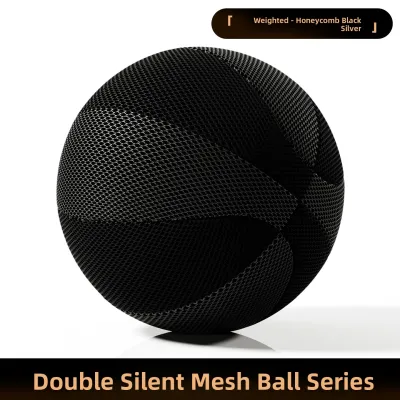
The most critical upgrade for an indoor practice routine is transitioning from a standard game ball to a dedicated silent basketball. These specialized training balls are typically manufactured from high-density polyurethane foam or micro-porous rubber, featuring thousands of microscopic air pockets that absorb the impact energy of each bounce. Because they do not rely on pressurized air for their rebound, they do not produce the sharp, resonant pop of a traditional leather or rubber basketball when hitting a hard surface.

When selecting a silent basketball, it is important to understand the trade-offs in feel and performance. Because they are made of foam, these balls are generally lighter than standard leather balls and have a slightly different grip texture. The bounce height may also be slightly lower, requiring you to adjust your hand placement and pushing force. When shopping, verify the density and weight specifications of the ball to ensure it closely mimics the size and response of a standard size 7 or size 6 basketball, as low-quality foam balls can feel overly bouncy or too light to build useful muscle memory.
To complement your silent basketball, you must invest in an impact-absorbing practice mat to serve as your primary bouncing surface. Interlocking EVA foam puzzle mats, heavy-duty rubber gym tiles, or thick yoga mats are excellent choices for dampening residual floor vibrations. For the best results, consider creating a multi-layered dampening system by placing a thick, woven area rug or an acoustic underlay beneath your foam mats. This layered approach acts as a progressive shock absorber, trapping the kinetic energy of the ball and your footwork before it can penetrate the concrete subfloor.
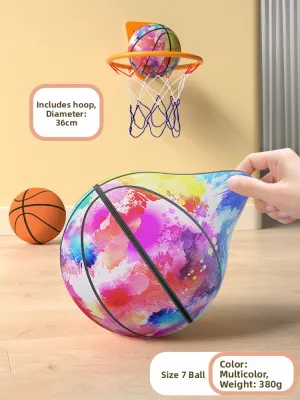
If your home practice includes shooting drills, you must also address the noise generated by your hoop and backboard. Standard mini hoops mounted directly to bedroom doors or drywall can rattle violently with every shot, sending loud vibrations through the wall frame. To mitigate this, look for over-the-door mini hoops that feature thick foam padding on the backboard brackets and a spring-loaded breakaway rim to absorb impact. Alternatively, you can use soft-core hoops made of flexible fabric or lightweight plastic, which eliminate the metallic clatter of a ball striking a rigid rim.
Step-by-Step Guide to Quiet Dribbling and Ball Handling
Once you have established your dampened practice surface, you must adapt your physical dribbling technique to minimize noise output. Start by adjusting your dribbling force and height, focusing on low, controlled fingertip dribbles rather than high-velocity power dribbles. Keeping the ball below knee level reduces the distance the ball travels, which lowers its velocity and significantly decreases the impact force when it meets the mat. This style of dribbling not only keeps your practice quiet but also helps you develop a tighter, faster handle that is highly effective in real game situations.
Next, integrate stationary ball-handling drills that do not require the ball to bounce at all. You can build exceptional hand speed, finger strength, and coordination by practicing rapid finger taps in front of your chest, figure-eight wraps around your legs, and quick body wraps around your waist, head, and knees. Because the ball never touches the floor during these drills, they are completely silent and can be practiced at any time of the day or night without any risk of disturbing your neighbors.
For drills that do require a bounce, you can add an extra layer of sound muffling by placing a folded cotton towel or a specialized silicone dribbling pad directly over your foam practice mat. This additional barrier deadens the physical impact of the silent basketball even further, absorbing the high-frequency sound of your hand striking the ball while still allowing enough rebound for continuous dribbling. This setup is particularly useful for practicing crossover variations, between-the-legs transitions, and behind-the-back moves at home.
Finally, establish a clear stop condition for your practice sessions to ensure you remain a respectful neighbor. Always pay attention to the physical feedback of your training space; if you can feel the floor vibrating under your feet or hear loose items rattling on nearby shelves, the vibration is likely traveling downstairs. Cease bouncing immediately if you receive any indication of discomfort from your neighbors, or if your practice session approaches your building’s designated quiet hours. Equipment and technique can reduce noise significantly, but they cannot replace good judgment and community respect.
Setting Up a Safe and Neighbor-Friendly Practice Zone
Creating a successful home training environment requires organizing your physical space to maximize personal safety and minimize acoustic disruption. Begin by clearing your designated practice area of any breakable items, glass decor, loose cables, and furniture with sharp edges. Indoor ball handling involves dynamic lateral movements, quick pivots, and occasional loss of ball control; ensuring a wide, unobstructed radius prevents accidental collisions, broken household items, or painful trips and falls.
Position your practice mat strategically within the room, keeping it as far away from shared firewalls and windows as possible. If you live in a multi-story building, try to set up your practice zone over a part of your apartment that does not sit directly above a neighbor’s quiet space, such as a hallway, kitchen, or utility area. If your building has a ground-floor unit or sits directly above a parking level or lobby, you will have significantly more flexibility regarding when and how intensely you can train.
Scheduling your practice sessions during acceptable daytime hours is another crucial step in maintaining positive community relations. Aim to conduct your active bouncing drills during mid-morning or late afternoon windows when most residents are awake, active, or away at work. Avoid practicing during early morning hours, late nights, or traditional afternoon rest hours (siesta time) when neighbors are highly sensitive to ambient noise. By keeping your training predictable and confined to active hours, you reduce the likelihood of receiving formal complaints.
Proactive communication with your immediate neighbors can also prevent misunderstandings before they arise. A brief, polite conversation with the residents living directly below or adjacent to you can go a long way in building goodwill. Let them know that you are an active basketball player practicing indoors using specialized silent equipment, and invite them to send you a quick message if the noise ever becomes noticeable or disruptive. This open line of communication shows respect and allows you to adjust your schedule or setup cooperatively.
Expanding Your Routine with Zero-Bounce Basketball Skills
To round out your home training, you should expand your routine to include highly effective basketball skills that require absolutely no bouncing or floor impact. Footwork is the foundation of all great basketball play, and it can be trained silently on your practice mat. Lay out flat, non-slip agility markers or a flat agility ladder directly on your mat to practice essential movements such as drop steps, pivots, jab steps, and defensive slides. Focus on staying light on your toes and maintaining a low, balanced athletic stance to minimize the sound of your footsteps.
You can also use your indoor sessions to refine your shooting mechanics through shadow shooting. Stand on your practice mat in front of a mirror and execute your complete shooting motion without releasing the ball or using a physical hoop. Focus on your foot alignment, knee bend, ball pocket placement, elbow extension, and wrist flick, holding your follow-through to analyze your form. This deliberate, slow-motion practice builds deep muscle memory and allows you to identify and correct flaws in your shooting posture that are hard to spot during a fast-paced game.
Incorporate basketball-specific strength, balance, and conditioning exercises to build a complete athletic foundation from home. Exercises such as single-leg balances, core planks, glute bridges, and bodyweight squats improve your stability, lateral quickness, and vertical jump without generating any impact noise. You can also practice ball-strengthening exercises, such as squeezing the ball with your fingertips or performing rapid hand-to-hand transfers, to improve your grip strength and ball security.
By combining these zero-bounce elements with your quiet ball-handling drills, you can structure a comprehensive, high-intensity workout that is completely neighbor-friendly. For example, you can alternate between two minutes of low fingertip dribbling, one minute of shadow shooting form work, and one minute of defensive footwork slides. This varied approach keeps your training engaging, targets multiple aspects of your athletic development, and ensures that your home remains a peaceful environment for everyone in your building.
Frequently Asked Questions (FAQ)
Can I use a regular basketball on a thick carpet to reduce noise?
No, a regular basketball is too heavy and dense for standard household carpeting to muffle effectively. The high air pressure inside a standard leather or rubber ball transfers significant kinetic energy directly through the carpet fibers and into the subfloor, creating loud, low-frequency vibrations. While carpet may slightly soften the high-pitched slap of the bounce, the deep thudding sound will still travel easily to the rooms below or adjacent to you. To achieve true noise reduction, you must use a specialized foam silent basketball paired with a dedicated impact-absorbing mat.
How do I maintain a silent basketball to keep its bounce consistent?
To preserve the bounce and texture of a foam silent basketball, keep it away from moisture, direct sunlight, and extreme heat, which can degrade the polyurethane material. In the humid tropical climate of the Philippines, store the ball in a cool, dry indoor closet rather than on an open balcony or in a hot garage. Clean it occasionally by wiping it down with a dry or slightly damp microfiber cloth to remove dust and sweat, avoiding harsh chemical cleaners or soaking it in water.
Are silent basketballs suitable for outdoor driveway practice?
Silent basketballs are designed specifically for indoor use on smooth surfaces and are not suitable for rough outdoor concrete or asphalt driveways. The abrasive texture of outdoor courts will quickly tear, chip, or wear down the soft foam or micro-porous rubber material, permanently ruining its shape and bounce. For outdoor practice, stick to a standard rubber or composite leather basketball designed to withstand rough surfaces and outdoor weather conditions.
Community discussion
Share your experience or ask a question. Comments are reviewed before publication.