
To properly attach and use a sling hook in a climbing anchor system, you must secure the connector to a certified anchor point so that the load aligns perfectly with its major axis, verify that the gate is fully closed and locked, and integrate it into a redundant, equalized system. This process requires systematic inspection, precise alignment, and an understanding of how environmental factors affect your gear. Whether you are scaling the limestone cliffs of Cantabaco or setting up a top-rope system in Wawa Gorge, mastering these rigging fundamentals is essential for managing risks on the rock.
Verify Sling Hook Specifications and Anchor Roles
Before any gear is clipped to a rock face, you must understand its technical specifications. Climbing connectors, often referred to as sling hooks or carabiners, are engineered to withstand specific forces measured in kilonewtons (kN). When inspecting your hook, look closely at the laser-etched markings or manufacturer tags on the spine. You will typically find three distinct strength ratings: major axis strength (when the gate is closed and loaded end-to-end), minor axis strength (cross-loaded side-to-side), and open-gate strength.
The difference between these ratings is stark. A typical climbing connector might be rated for 24 kN along its major axis, but only 7 or 8 kN when cross-loaded or when the gate is left open. This is why verifying the specific role of each hook in your anchor system is critical. For primary master points—the central connection where all forces converge—locking connectors are mandatory. These feature screw-gates, twist-locks, or magnetic closures that prevent accidental gate opening. Non-locking hooks are generally reserved for intermediate protection or redundant links within a multi-point system where a single failure will not compromise the entire setup.
Products mentioned in this guide
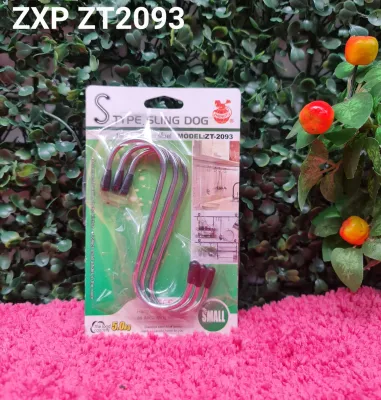

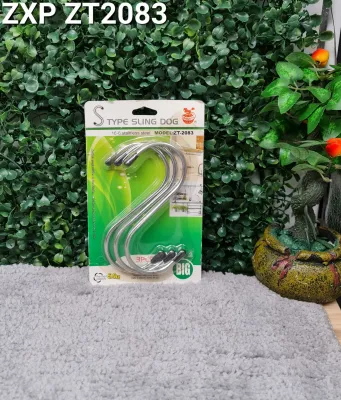
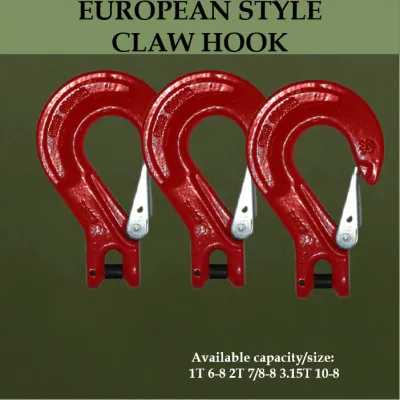
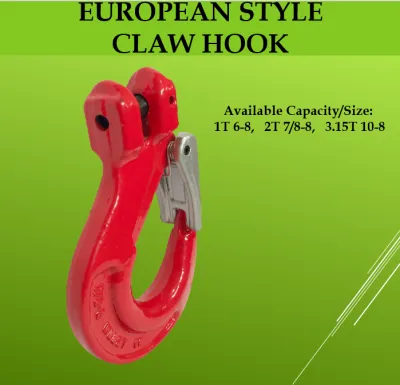
Prices are valid at publication and may change. Please refer to the product page for the latest price.
Remember that these physical specifications are only as reliable as the user’s knowledge. A high-strength rating on a manufacturer tag does not guarantee safety if the gear is configured incorrectly. Equipment specifications dictate the physical limits of the gear, but they can never replace professional climbing instruction, hands-on training, and sound mountaineering judgment.
Perform Pre-Climb Inspections and Identify Retirement Conditions
Climbing gear is subject to intense physical stress, environmental degradation, and wear. Before every climb, establish a systematic inspection routine. Start with a thorough visual check of the metal body. Look for hairline cracks, deep grooves worn by rope friction, corrosion, or any signs of deformation. In the highly humid, tropical climate of the Philippines, salt air and persistent moisture can accelerate the oxidation of aluminum and steel components. Even minor surface corrosion must be monitored closely, as it can hide deeper structural flaws.

Next, perform a tactile inspection by running your fingers along the entire surface of the hook. Feel for sharp burrs, nicks, or uneven wear patterns that could damage your climbing slings or ropes. Pay close attention to the gate mechanism. Manually open the gate and let it go; it must snap shut completely and instantly without any hesitation, sticking, or rubbing. If the spring feels sluggish, or if the gate does not align perfectly with the nose of the hook, the connector is unsafe for use.
Retirement conditions must be strictly enforced to prevent catastrophic gear failure. If a sling hook has sustained a drop from a significant height onto a hard surface, or if it exhibits wear grooves deeper than the manufacturer’s specified limit (often around 1 millimeter), it must be retired immediately. For the textile portion of your sling hook assembly, inspect the webbing for fuzzy fibers, cuts, burns, or severe fading caused by intense tropical UV exposure. If you observe any core damage, frayed stitching, or stiffness in the sling, destroy the gear immediately to prevent accidental reuse. Replacing a worn sling or hook is a minor expense—typically costing between ₱500 and ₱2,500—compared to the invaluable cost of your safety.
Attach the Sling Hook to the Anchor Safely
Attaching the sling hook to an anchor point requires deliberate action and a clear understanding of physics. When clipping into a bolt hanger, piton, or chain link, always ensure the hook is oriented so that the anticipated load pulls directly along its major axis. This means the spine of the connector should face the direction of pull, allowing the load to rest securely in the basket of the hook. Avoid any positioning that forces the connector to bend over an edge or rest against a rock protrusion, as this can cause dangerous leverage and drastically reduce its breaking strength.
Cross-loading and tri-axial loading are two of the most common rigging errors. Cross-loading occurs when the hook rotates, causing the load to pull against the gate or the minor axis. Tri-axial loading happens when forces pull in three different directions simultaneously, stressing the connector in ways it was never designed to handle. To prevent these hazards, keep your rigging clean and organized. Ensure that only one primary sling or rope is seated in the basket of the hook, and use spacers or dedicated rigging plates if multiple connections are necessary.
Gate orientation is another critical safety factor. When clipping a sling hook, the gate should face away from the rock face to prevent the rock from pressing against the gate and forcing it open during movement. Additionally, verify that the rope or sling sits fully inside the basket and is not resting on the nose of the hook—a dangerous condition known as nose-hooking. If a load is applied while the connector is nose-hooked, the hook can easily fail at a fraction of its rated strength. Once the hook is correctly positioned, engage the locking mechanism fully and perform a physical “squeeze test” to confirm it is locked before applying any body weight.
Integrate the Hook into a Redundant Safety System
A single anchor point, no matter how strong, should never be trusted blindly. In climbing, safety is built on the foundation of redundancy. This means your anchor system must consist of multiple independent points—typically two or three—so that if one point fails, the remaining points will keep the system secure. When integrating your sling hook into this setup, use it to connect your slings or cordlette to the individual anchor points, ensuring that each connection is independent and secure.
Equalization is the process of distributing the load as evenly as possible among all the anchor points. If one sling is tight while another is slack, the tight sling bears the entire load, defeating the purpose of a multi-point anchor. Adjust the lengths of your slings so that the pull direction aligns with the master point. In dynamic climbing environments, a self-equalizing or quad anchor configuration can help maintain even distribution even as the climber moves laterally across the rock face.
Managing slack is vital to prevent shock loading. Shock loading occurs when a sudden fall or shift in weight applies a high-impact force to a slack system, potentially ripping out anchor points or snapping gear. Keep all slings and ropes taut during transitions, and avoid creating loops of slack between yourself and the anchor. Furthermore, pay close attention to the physical path of your slings. In tropical climbing areas, sharp limestone edges can easily slice through tensioned webbing. Position your sling hooks and adjust your sling lengths to keep the textile components clear of abrasive rock surfaces, or use dedicated edge protectors where contact is unavoidable.
Avoid Critical Mistakes and Recognize When to Stop
Even experienced climbers can fall victim to complacency. One of the most dangerous mistakes is back-clipping, which occurs when a rope is run through a connector in the wrong direction, allowing a falling climber’s rope to unclip itself from the gate. Always double-check that the rope runs from the wall, through the connector, and out toward you. Another common error is using mismatched or incompatible gear, such as clipping a wide webbing sling into a narrow hook that pinches the textile, or mixing steel and aluminum connectors in a way that causes rapid galvanic corrosion in humid environments.
Environmental hazards play a significant role in gear performance and anchor integrity. In wet, muddy, or icy conditions, the locking mechanisms of your sling hooks can become clogged with debris, preventing them from closing or locking properly. Tropical downpours can quickly turn a dry crag into a slick, muddy hazard, making gear handling difficult and increasing the risk of dropping equipment. If you find yourself climbing in highly abrasive environments, such as coastal cliffs exposed to salt spray, wash your gear with fresh water after every outing to prevent salt buildup and corrosion.
Knowing when to stop is the ultimate safety skill. If you encounter an anchor setup that is confusing, if your gear does not fit the available anchor points properly, or if the environmental conditions deteriorate beyond your comfort level, stop immediately. Do not attempt to force a connection or proceed with an unsafe rigging configuration. Retreat safely using established backup methods, and consult a certified climbing instructor to review your techniques. No climb is worth risking your life over a compromised anchor system.
Frequently Asked Questions (FAQ)
Do I need a locking sling hook for every anchor point?
While locking connectors provide the highest level of security, they are not strictly mandatory for every single point in a highly redundant anchor system. For example, in a three-point anchor where the master point is secured with locking hooks, intermediate points may sometimes utilize non-locking hooks with opposite-and-opposed gates to achieve a similar level of safety. However, using locking hooks wherever possible minimizes the risk of accidental gate opening due to rope movement or rock contact. Always defer to manufacturer guidelines and local climbing safety standards to determine the appropriate configuration for your specific climbing environment.
How do I prevent the sling hook from shifting on the anchor?
To prevent a sling hook from shifting or rotating into a dangerous cross-loaded position, you must maintain proper tension throughout the anchor system. Using appropriate sling lengths and tying limiting knots (such as overhand or figure-eight knots) can help isolate individual legs of the anchor and keep the connectors seated correctly. Additionally, you can use specialized rubber positioning keepers designed to hold the hook in place on the sling, provided they are approved by the manufacturer. Regularly monitor the anchor system during your climb, especially after dynamic movements or shifts in the wind, to ensure all components remain properly aligned.
Community discussion
Share your experience or ask a question. Comments are reviewed before publication.