
To properly wear and adjust an elbow support during martial arts training, you must align its anatomical center with your joint’s natural hinge, secure it to provide firm but non-restrictive compression, and verify its stability through dynamic movement. In high-impact combat sports like boxing, Muay Thai, or Brazilian Jiu-Jitsu, joint protection is paramount, but a poorly adjusted support can slip, bunch, or dangerously restrict blood flow. Finding the correct balance requires careful preparation, precise positioning, and regular physical checks before you step onto the mats.
Protective gear is a supportive tool, not a replacement for proper technique, conditioning, and joint mobility. Relying solely on a brace to push through severe pain or structural instability can lead to chronic injury. Understanding how to use your equipment correctly ensures you protect your body while maintaining the agility required for striking, grappling, and defensive maneuvers.
Preparing Your Arm and the Elbow Support
Before putting on your elbow support, prepare both your skin and the gear to ensure a secure fit. In tropical climates where high humidity and intense heat lead to rapid perspiration, skin preparation is especially critical. Wash your arm thoroughly with mild soap and water to remove sweat, dirt, and natural body oils. Ensure your skin is completely dry before application, and avoid applying any lotions, liniments, or warming rubs beforehand, as these substances can cause the material to slide down your arm during training.
Products mentioned in this guide
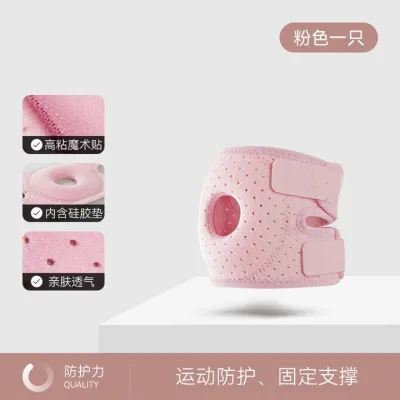
14 Lazada user ratings
Lightweight material, Secure fit design, Flexible support, Perfect for gym, Perfect for gym,
🔨Durability:ok 🎧Comfort:ok 🛠Adjustability:ok
Flexible support, Comfortable wear,
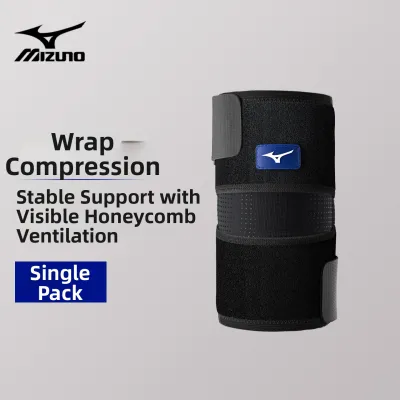
50 Lazada user ratings
I mainly like the two Velcro straps that let you easily adjust the tightness.
Really handy and made from durable materials. Definitely worth recommending.
The elbow guard is really great to use, and the service is excellent.
It's alright, pretty easy to use, but it could breathe a bit better.
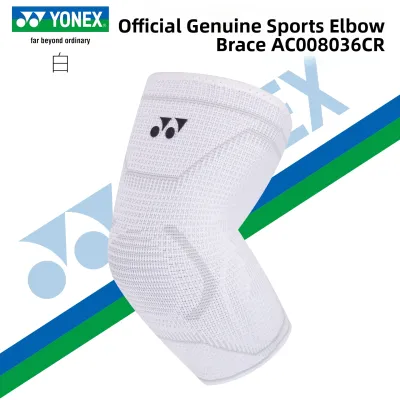
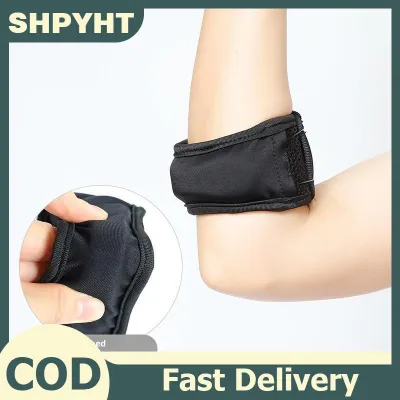
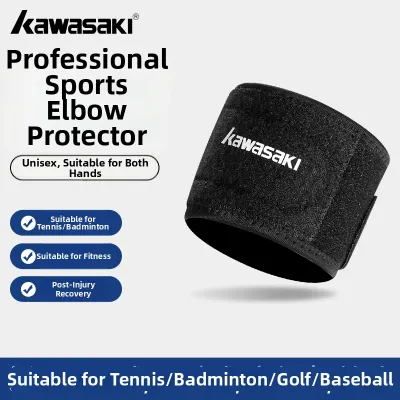
4 Lazada user ratings
✔️ High quality item ✔️ Very secure packaging ✔️ Shipped in a timely manner ✔️ Seller is very accomodating Two thumbs up 👍👌 Highly recommended se…Read full reviewShow less
✔️ High quality item ✔️ Very secure packaging ✔️ Shipped in a timely manner ✔️ Seller is very accomodating Two thumbs up 👍👌 Highly recommended seller 🔥
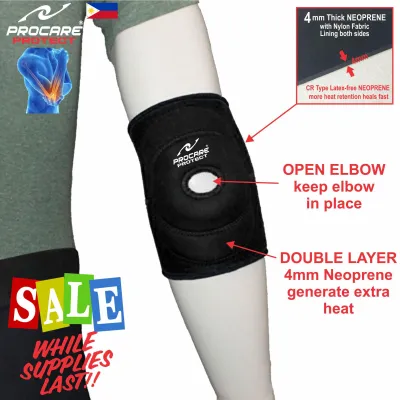
105 Lazada user ratings
Fast shipping and good packaging, Perfect fit and comfortable to wear, Relieves pain and promotes healing, Great for preventing ligament spr…Read full reviewShow less
Fast shipping and good packaging, Perfect fit and comfortable to wear, Relieves pain and promotes healing, Great for preventing ligament sprains, High-quality neoprene material, Easy to slip on and off,
Quality:napakaganda ng item, panalong panalo sa itsura... Appearance:wala kang masasabi na sablay... Performance:sana matibay...
item is shipped fast very well packed .. delivered fast and recieved in very good condition... tnx seller
Good quality. no excess thread. a bit stiff but fits alright. needed this for my injured elbow
high quality neoprene material, appearance is good. to small for me. never use it. q
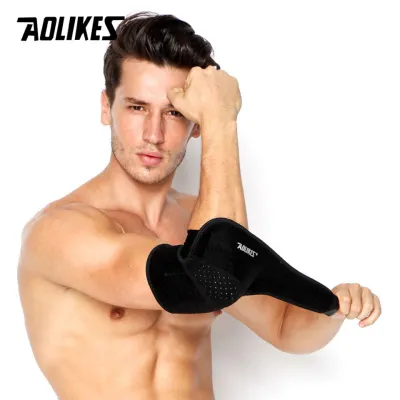
204 Lazada user ratings
Excellent product—takes a bit of time to wait for, but the quality is really good. It fits snugly and is easy to put on. The product is also…Read full reviewShow less
Excellent product—takes a bit of time to wait for, but the quality is really good. It fits snugly and is easy to put on. The product is also affordable.
Looks good, firm fit. Supportive. delivery was timely.
Huge thanks to the seller, the quality is excellent!
🔨Durability:good nice item thank you so much 😄
I'm happy with the product, great seller.
Prices are valid at publication and may change. Please refer to the product page for the latest price.
Next, inspect your elbow support for any signs of wear or structural damage. Examine the stitching, check for frayed edges, and test the elasticity of the fabric or straps. If your support features built-in hinges or pads, verify that they are securely anchored and have not shifted out of place. Using a compromised brace reduces its protective value and can lead to uneven pressure distribution during high-impact movements.
Finally, identify the correct orientation of the support before sliding it onto your arm. Most manufacturers place a logo, size tag, or specific stitching pattern to indicate the top, bottom, front, and back of the sleeve or wrap. Typically, the wider opening is designed for the upper arm (bicep area), while the narrower opening fits the forearm. Ensuring the correct orientation prevents the fabric from bunching in the crease of your elbow and guarantees that any targeted compression zones align with your muscles and tendons.
Step-by-Step Guide to Putting On the Elbow Brace
The physical application of your elbow support determines how well it will perform under the stress of rapid punches, blocks, and grappling transitions. Begin by positioning your arm in a slight bend, approximately 30 degrees, which mimics the natural resting state of the joint during active guard positions. This slight flexion prevents you from pulling the support too tight while the arm is fully extended, which would otherwise cause extreme tightness when you bend your elbow to strike or defend.

If you are using a slip-on compression sleeve, gather the fabric in both hands, much like putting on a sock, and slide it up your forearm. Carefully pull the sleeve over your elbow joint, ensuring that the center of the sleeve aligns precisely with the bony point of your elbow (the olecranon). For supports with built-in gel pads or open-donut designs, the opening or padded ring must encircle the elbow cap to distribute impact forces away from the joint center.
For wrap-around braces or those with adjustable straps, position the main body of the support over your joint first before securing any fasteners. Wrap the material smoothly around your arm, taking care to avoid any folds or wrinkles in the fabric. Bunching not only causes uncomfortable skin pinching during repetitive movements but also creates localized pressure points that can bruise the skin under impact. Secure the primary fasteners gently at first, allowing you to make fine adjustments to the tension once the entire support is in place.
Adjusting for Stability Without Restricting Circulation
Achieving the optimal level of tightness is a delicate balance between securing the joint and maintaining healthy blood circulation. A support that is too loose will slide down your arm during a sweat-drenched sparring session, while a support that is too tight can restrict blood flow, leading to premature muscle fatigue and cramping. To find the correct tension, use the “two-finger rule” after securing the straps or pulling up the sleeve. You should be able to slide two fingers comfortably under the top and bottom cuffs of the support; if you cannot, the brace is too tight and must be loosened.
When adjusting Velcro straps, laces, or tension dials, distribute the pressure evenly across your forearm and bicep. Avoid over-tightening a single strap to compensate for a loose fit elsewhere, as this creates a tourniquet effect. Instead, tighten each strap incrementally, checking the feel of the compression after each adjustment. The support should feel like a firm, supportive hug around your joint, rather than a constricting band.
Monitor your hand and fingers closely for immediate warning signs of restricted circulation. If you experience numbness, a pins-and-needles sensation, cold fingers, or a bluish tint to your fingernails, immediately loosen or remove the support. These symptoms indicate that the brace is compressing major blood vessels or nerves, which can cause temporary or long-term tissue damage if ignored. Never attempt to “tough it out” through a training session with a constricting brace.
Testing the Fit During Martial Arts Movements
Before engaging in full-contact sparring or high-intensity drills, subject your elbow support to a series of dynamic movement tests. Start with light shadowboxing, focusing on slow, controlled extensions and flexions of your arm. Throw a series of jabs, crosses, and hooks to observe how the support behaves during rapid acceleration and deceleration. If the sleeve slides down your forearm or bunches heavily in the elbow crease after a few light punches, you need to adjust the tension or verify that you have the correct size.
Next, transition to heavy bag work or light grappling drills to test the support under impact and resistance. Pay close attention to whether the brace migrates downward when you strike the bag or when an opponent grips your arm. In grappling disciplines like Brazilian Jiu-Jitsu or wrestling, constant friction against the mat or an opponent’s gi can easily displace a loose support. If the brace shifts significantly during these drills, it may lack sufficient anti-slip silicone grips, or the material may have stretched out over time.
Finally, evaluate whether the support unnecessarily limits the range of motion required for your specific martial art. While a brace is designed to limit hyperextension, it should not prevent you from forming a tight defensive guard or executing proper striking form. If you find yourself struggling to bend your arm enough to protect your chin, or if the material restricts your ability to grapple effectively, the support may be too rigid or bulky for your discipline. In such cases, a more flexible compression sleeve may be more appropriate than a heavily strapped brace.
Care, Maintenance, and When to Replace
Proper maintenance extends the lifespan of your elbow support and ensures it continues to provide reliable compression and grip. Because martial arts training in humid environments leads to heavy sweating, washing your support after every session is essential to prevent the buildup of bacteria, odor, and salt crystals that degrade elastic fibers. Always refer to the manufacturer’s care label, but as a general rule, hand wash the support in cold water using a mild, bleach-free detergent. Avoid fabric softeners, as they leave a residue that can destroy the elasticity of the fabric and ruin anti-slip silicone strips.
After washing, squeeze out excess water gently without wringing or twisting the material, which can warp internal hinges or stretch out the fabric. Air-dry the support in a well-ventilated indoor area away from direct sunlight and high-heat sources like radiators or clothes dryers. High heat breaks down synthetic elastics and neoprene, causing the support to lose its shape and compression capabilities rapidly.
Regularly assess your gear for observable signs of failure that indicate it is time for a replacement. Over months of intense training, the elastic fibers will inevitably break down, resulting in a loose fit that no longer stabilizes the joint. Look for stretched-out cuffs, frayed Velcro straps that no longer hold tension, or cracked neoprene. If you find yourself constantly pulling the support up during a workout, or if it no longer provides a snug, reassuring compression, invest in a new support. High-quality elbow sleeves typically cost between ₱500 and ₱1,500 at local sporting goods stores or reputable online marketplaces, making timely replacement an affordable way to safeguard your joints.
Frequently Asked Questions (FAQ)
Can I wear an elbow support over a rash guard or long-sleeve shirt?
Wearing an elbow support directly against your skin is generally recommended for the most secure fit. Direct skin contact allows anti-slip silicone grips to function as intended, preventing the sleeve from sliding down during dynamic movements. However, if you prefer wearing a rash guard, you can place the support over the sleeve, provided the rash guard is made of a thin, high-compression fabric. Keep in mind that this layering may reduce the grip of the support, requiring you to use an adjustable strap model to compensate for the slippery fabric.
Should the brace feel tight when my arm is fully bent during a guard position?
It is normal for an elbow support to feel significantly tighter when your arm is fully bent, such as when holding a tight defensive guard. As your bicep and forearm muscles contract and the joint flexes, the material of the support naturally compresses and bunches slightly in the crease. This increased pressure should feel like firm, supportive resistance rather than sharp pain or a pinching sensation. If the flexion causes immediate numbness, throbbing, or restricts your ability to hold your guard for more than a few seconds, the support is too tight or improperly positioned and must be adjusted.
Community discussion
Share your experience or ask a question. Comments are reviewed before publication.