
To protect your hands during home heavy bag training, you must apply a structured hand wrap that stabilizes your wrist, anchors your thumb, and cushions your knuckles. A dedicated finger bandage or athletic tape can be integrated underneath the wrap to provide targeted joint support for vulnerable fingers. This combination prevents the bones and tendons in your hand from shifting under the heavy impact of a stationary punching bag, reducing the risk of acute injuries and chronic strain.
Home heavy bag training offers excellent cardiovascular benefits and convenience, but it lacks the immediate oversight of a professional coach. Without someone to correct your punching form in real-time, minor alignment errors can quickly escalate into painful injuries. Properly wrapping your hands before every session is the most effective self-defense mechanism against the cumulative force of striking a dense, heavy target.
Why Hand and Finger Protection Matters for Heavy Bag Work
A heavy bag is typically filled with compressed textiles, sand, or synthetic fibers, often weighing between 30 and 50 kilograms. Unlike shadowboxing, which involves zero impact, or light speed bag work, striking a heavy bag transfers massive kinetic energy directly back into your hands and wrists. Without proper protection, this repeated shock can cause micro-trauma to the delicate bones and connective tissues in your upper extremities.
Products mentioned in this guide
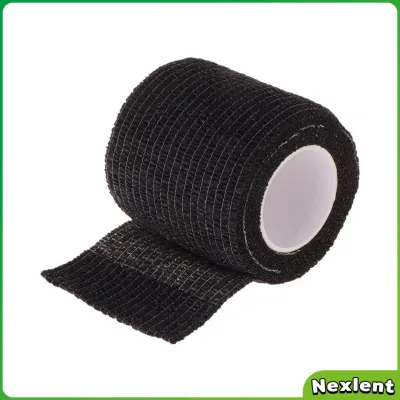
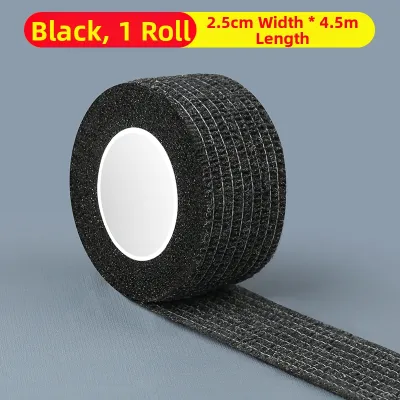
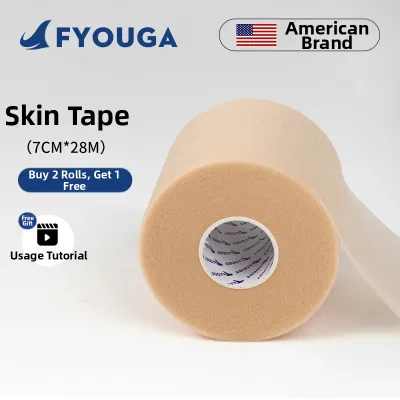
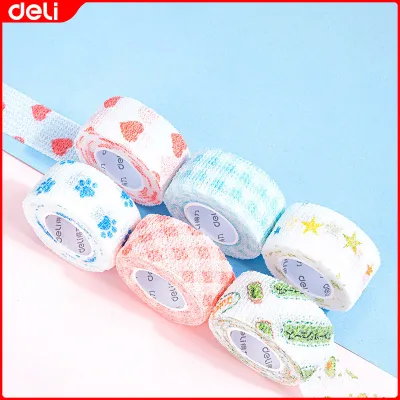
Prices are valid at publication and may change. Please refer to the product page for the latest price.
The human hand consists of 27 small bones, many of which are highly susceptible to displacement when subjected to sudden, blunt forces. A boxer’s fracture, which is a break in the neck of the fifth metacarpal bone near the pinky finger, often occurs when striking a hard surface with improper hand alignment or insufficient support. Additionally, the rapid deceleration of your hand upon hitting the bag can force the wrist into extreme flexion or extension, leading to severe ligament sprains.
Many beginners mistakenly believe that heavy boxing gloves are sufficient to absorb these forces. However, gloves are primarily designed to cushion the impact for an opponent or protect the outer surface of your hand; they do not prevent internal bone movement. Hand wraps and a targeted finger bandage serve a structural purpose, binding the metacarpal bones together to keep them from splaying and aligning the wrist joint to ensure that impact forces are distributed evenly up the forearm.
Choosing the Right Wraps and Bandages for Home Training
Selecting the correct protective gear depends on your training intensity, hand size, and local environmental conditions. Traditional 100% cotton wraps offer thick, rigid support but lack stretch, making them slightly harder to wrap smoothly without practice. Elastic or “Mexican-style” wraps blend cotton with synthetic fibers like spandex, allowing them to conform closely to the contours of your hand and maintain consistent tension throughout your workout.

For specific finger protection, a dedicated finger bandage or non-elastic athletic tape is highly effective. While full-length hand wraps cover the entire hand, they cannot always isolate a single joint. If you are recovering from a minor finger strain, protecting a healing scrape, or have naturally hypermobile joints, applying a medical-grade finger bandage directly to the affected finger before putting on your main wrap provides targeted stability without adding excessive bulk inside your glove.
In the humid, tropical climate of the Philippines, heat and sweat accumulate rapidly inside boxing gloves. This high-moisture environment can cause heavy cotton wraps to become waterlogged and prone to slipping, which increases the risk of skin chafing and bacterial infections. Opting for semi-elastic wraps made from breathable, moisture-wicking synthetic blends is crucial for home training. These materials dry quickly, maintain their structural integrity when wet, and are less likely to harbor mold or degrade over time.
In the local market, high-quality protective gear is widely accessible. Basic cotton wraps can be found in sports stores starting around ₱250, while premium semi-elastic wraps or specialized finger bandages range from ₱400 to ₱900. Investing in a durable pair of wraps is a cost-effective way to prevent medical expenses associated with hand rehabilitation.
Step-by-Step Guide to Wrapping Your Hands and Fingers
Applying your wraps systematically ensures that every joint is supported and that the wrap does not unravel mid-workout. Follow this continuous sequence to prepare your hands for heavy bag training.
Securing the Wrist and Thumb
Begin by fully extending your fingers and keeping your wrist in a neutral, straight position. Locate the thumb loop of your hand wrap and hook it over your thumb, ensuring the “this side down” indicator faces your skin to prevent the fabric from twisting later. Run the wrap down the back of your hand toward your wrist; starting across the back of the hand rather than the palm ensures the wrap tightens naturally when you make a fist.
Wind the wrap around your wrist three to four times, depending on the length of your wrap and the size of your wrist. The tension should be snug enough to prevent the joint from bending easily, but not so tight that it restricts blood flow or causes discomfort.
From the inside of your wrist, bring the wrap diagonally across the back of your hand toward the base of your pinky finger. This diagonal path secures the wrist-to-hand transition and prepares the wrap for the next phase of knuckle protection.
Protecting the Knuckles and Fingers
Wrap the material around your knuckles three to four times, creating a thick, flat pad directly over your primary striking surface. Ensure your fingers are spread slightly during this process to prevent the wrap from becoming too tight when you close your hand into a fist. The fabric must lie completely flat, as any folds or bunches can create painful friction points inside your glove.
Next, transition to securing the fingers by bringing the wrap down and around the wrist, then weaving it up between your fingers. Start by passing the wrap between your pinky and ring fingers, looping it back down toward your wrist. Repeat this process between the ring and middle fingers, and finally between the middle and index fingers. This creates a secure “figure-eight” anchor that holds the knuckle pad firmly in place.
If you require extra joint support for a vulnerable finger, such as the pinky or ring finger, apply a separate finger bandage or self-adhesive athletic tape directly to that finger before starting the main wrap. Wrap the finger bandage in a spiral pattern around the joint, keeping it snug but flexible. Once the finger bandage is secure, proceed with the standard hand-wrapping steps over it, which locks the targeted support into the overall structure of the hand wrap.
Locking the Wrap and Final Adjustments
After completing the finger weaves, bring the remaining wrap back down to your wrist. Wind the remaining fabric around the wrist joint to lock the entire structure together, ensuring the wrap covers any exposed gaps between the hand and the wrist.
Secure the Velcro fastener smoothly around your wrist. Avoid pulling the Velcro too tightly at the very end, as this can create a localized pressure point that restricts circulation. Make sure the fastener lies flat without any bulky wrinkles or folded edges, which can rub against the inner lining of your boxing glove and cause painful blisters during high-volume heavy bag sessions.
If you find that your wraps are slightly too long for your hand size, do not bundle the excess fabric into a thick clump. Instead, continue wrapping smoothly up and down the forearm or tuck the loose end neatly under one of the flat layers on the back of your hand to maintain a streamlined profile.
How to Verify Your Wraps Are Safe and Effective
Before putting on your boxing gloves, you must verify that your hand wraps and finger bandages are applied correctly. The first diagnostic step is the “make a fist” test. When your hand is open and relaxed, the wrap should feel relatively loose and comfortable, allowing your skin to breathe. When you close your hand into a tight fist, the wrap should instantly tighten, creating a solid, rigid structure that supports your knuckles and prevents your wrist from bending.
Next, perform a capillary refill check to ensure your cardiovascular circulation is unimpeded. Press down firmly on one of your fingernails for three seconds until the nail bed turns pale, then release it. The natural pink color should return to your nail bed in less than two seconds; if it takes longer, the wrap is too tight and is restricting blood flow.
You must monitor your hands closely during your training session for any signs of vascular or nerve compression. If you experience tingling, numbness, coldness in your fingertips, or notice a bluish or pale skin color, these are explicit stop conditions. Stop hitting the heavy bag immediately, remove your gloves, and unwrap your hands completely. Reapply the wraps with slightly less tension, focusing on distributing the pressure evenly across your hand rather than pulling tightly at a single point.
Common Wrapping Mistakes and How to Fix Them
One of the most common mistakes made by home fitness enthusiasts is wrapping the hands too tightly in an attempt to maximize support. This excessive tension constricts the blood vessels and nerves running through the wrist and palm, leading to rapid fatigue, cramping, and numbness during your workout. To fix this, focus on a “snug but elastic” feel, allowing the natural stretch of the fabric to do the work rather than pulling the wrap to its absolute limit.
Conversely, wrapping too loosely is equally problematic. Loose wraps will inevitably slip and bunch up inside your boxing gloves as you punch, creating thick, uneven pressure points that can cause painful skin abrasions or blisters. Furthermore, loose fabric fails to bind the metacarpal bones together, leaving your hand vulnerable to hyperextension and structural injury upon impact. If you feel the wrap shifting inside your glove, stop and rewrap immediately.
Another frequent error is ignoring the thumb loop or wrapping the thumb too rigidly. The thumb must be anchored to the hand wrap to prevent it from being pushed back or stubbed during hooks and uppercuts, but it should not be immobilized completely. Ensure your wrap passes around the base of the thumb to secure the joint, but leaves the tip free to flex naturally so you can form a proper fist.
Lastly, avoid leaving gaps over your knuckles or failing to pad the outer edges of your hand. If the wrap splits or slides off the knuckles, the bare skin will rub against the glove interior, causing painful friction burns. Ensure each layer of the knuckle wrap overlaps the previous one by at least half its width to form a continuous, cohesive barrier.
Cleaning and Storing Wraps in a Humid Climate
Proper maintenance of your hand wraps is essential for hygiene and to preserve the elastic fibers of the material. After every home training session, your wraps will be saturated with sweat. You should rinse them thoroughly in cold water or place them inside a mesh laundry bag and machine-wash them on a gentle cycle. Using a mesh bag prevents the long straps from tangling around the washing machine agitator or other clothing items.
Once washed, air-dry your wraps completely in a well-ventilated indoor area or a shaded outdoor spot. Avoid exposing them to direct, intense sunlight, as extreme heat can degrade the elastic spandex fibers, causing the wraps to lose their stretch and supportive qualities. Ensure they are bone-dry before rolling them up for your next workout.
In the humid climate of the Philippines, leaving damp wraps balled up inside a closed gym bag or a dark closet is a recipe for rapid mold and mildew growth. This not only produces an unpleasant, persistent odor but can also lead to skin rashes or fungal infections when you wear them again. Always hang your wraps up immediately after training, and never store them until they are completely dry to the touch.
Frequently Asked Questions (FAQ)
Can I rely only on finger bandages without full hand wraps?
No, you should not rely solely on a finger bandage for heavy bag training. While a finger bandage is excellent for isolating and supporting a specific joint or protecting minor skin scrapes, it lacks the length and structural density required to protect your entire hand. It cannot provide the wrist alignment or the thick knuckle padding necessary to absorb the high impact forces of a heavy bag. Always use full hand wraps as your primary line of defense, and use finger bandages only as a supplementary layer underneath for targeted support.
What should I do if my fingers go numb inside my gloves?
If your fingers begin to go numb, you must stop hitting the heavy bag immediately to prevent potential nerve compression or tissue injury. Remove your boxing gloves and completely unwrap your hands to allow blood flow to return fully to your fingertips. Once your sensation has completely returned, rewrap your hands with a focus on applying even, moderate tension, ensuring you do not pull the fabric too tightly across the back of your hand or around the base of your fingers.
Community discussion
Share your experience or ask a question. Comments are reviewed before publication.