
Playing golf in the Philippines during the monsoon season requires preparation that goes far beyond carrying an umbrella. The sudden transition from a humid, overcast morning to a torrential afternoon downpour is a familiar scenario for local golfers. When a heavy rainstorm hits the fairway, standard water-resistant golf bags quickly reach their saturation point, leaving expensive clubs, electronic rangefinders, and leather grips vulnerable to water damage. Investing in a dedicated, high-quality waterproof golf bag cover is the most effective way to safeguard your equipment and ensure your gear remains dry from the first tee to the eighteenth green.
Selecting the right cover involves understanding how tropical weather conditions interact with different materials. A cover that performs well in a light drizzle will often fail under the weight of a tropical storm. To make an informed purchase, you must look past generic marketing claims and evaluate specific technical features, including hydrostatic head ratings, seam construction, ventilation mechanisms, and secure fastening systems. This guide outlines the critical factors to consider when choosing a waterproof golf bag cover designed to withstand the demanding conditions of the local rainy season.
Understanding Monsoon Challenges for Golf Equipment
The Philippine monsoon season, or habagat, brings prolonged periods of heavy rainfall accompanied by extremely high ambient humidity, often hovering between 80% and 95%. Under these conditions, the distinction between water-resistant and fully waterproof materials becomes a matter of gear survival. Water-resistant fabrics are typically treated with a light surface coating that repels brief showers, but they eventually saturate and allow water to seep through under the pressure of sustained downpours. Fully waterproof materials, on the other hand, utilize advanced membrane technologies or heavy-duty synthetic barriers that physically block water molecules from penetrating the fabric, even during hours of exposure on the course.
Products mentioned in this guide
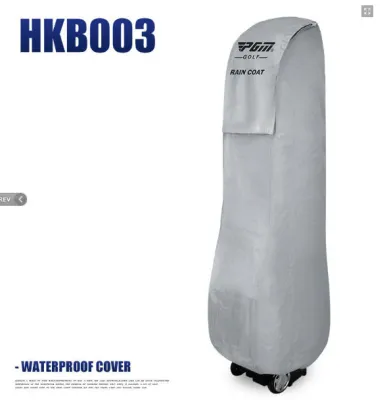
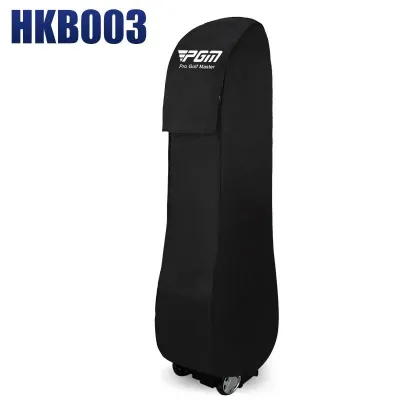
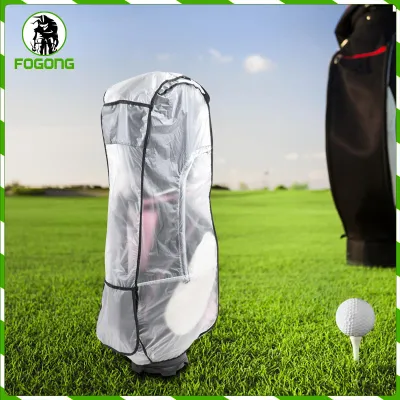
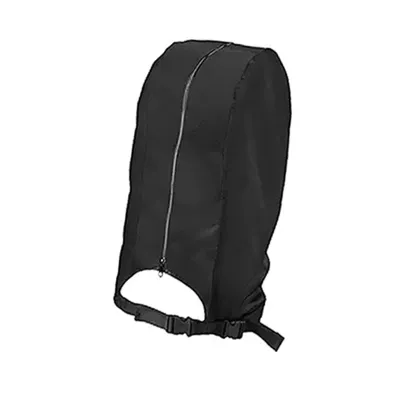
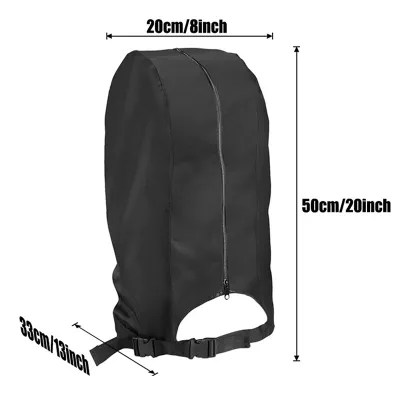
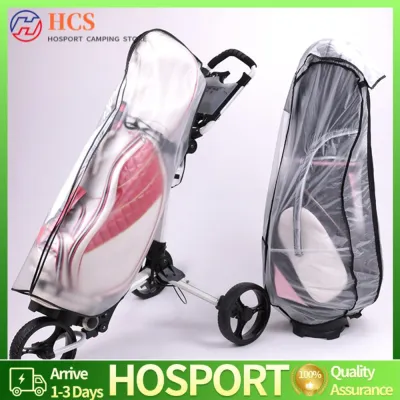
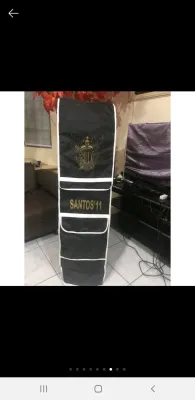
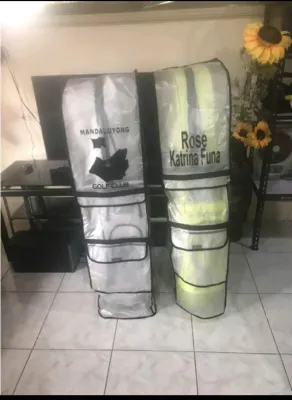
Prices are valid at publication and may change. Please refer to the product page for the latest price.
Beyond the immediate threat of falling rain, the combination of moisture and tropical heat creates a breeding ground for equipment damage. When water enters a golf bag, it becomes trapped in the enclosed pockets and dividers. The high ambient temperature accelerates the growth of mold and mildew on rubber, cord, and leather grips, which can ruin their texture and compromise your swing. Furthermore, prolonged exposure to trapped moisture leads to oxidation, causing steel shafts to rust and clubheads to lose their structural integrity.
The nature of tropical weather also means that rain often arrives suddenly and with intense force. A light drizzle can escalate into a torrential downpour within minutes, pooling water on the top of your bag before you can seek shelter. This rapid accumulation of water exerts significant pressure on the seams and zippers of your golf bag. Without a reliable waterproof cover that can be deployed quickly, water will inevitably find its way into the main compartment, saturating your towels, spare gloves, and sensitive electronics.
Essential Specifications for Reliable Rain Protection
When shopping for a waterproof golf bag cover, the first step is to look beyond generic product descriptions and verify the technical specifications provided by the manufacturer. Reliable waterproof gear is often rated using a hydrostatic head measurement, which indicates the amount of water pressure the fabric can withstand before leaking. For the intense rainfall experienced during the wet season, look for covers with a rating of at least 5,000mm, though 10,000mm or higher offers superior protection against heavy downpours. These ratings are typically found on the product packaging or the manufacturer’s official specification sheets.

Even the most advanced waterproof fabric will fail if the seams are poorly constructed. Every time a sewing machine needle pierces fabric, it leaves behind a tiny hole that water can easily penetrate under pressure. To prevent this, high-quality covers feature taped, sealed, or welded seams. Taped seams involve applying a waterproof adhesive tape over the stitched lines on the interior of the cover, effectively sealing the needle holes. Welded seams use heat and pressure to fuse the fabric panels together without any stitching, creating a completely seamless and impervious barrier against water ingress.
Zippers and closure systems represent another common point of failure during heavy rain. Standard zippers allow water to pass directly through the teeth and into the bag. When evaluating a cover, inspect the zippers for water-repellent coatings, which are typically characterized by a matte polyurethane layer that covers the zipper teeth when closed. Additionally, look for designs that incorporate overlapping storm flaps. These fabric flaps fold over the zipper track, directing rainwater away from the opening and ensuring that wind-driven rain cannot force its way through the closure.
Ensuring Proper Fit and Ventilation
A waterproof cover must fit your specific golf bag configuration perfectly to provide effective protection. Golf bags come in various shapes and sizes, primarily categorized into stand bags, cart bags, and tour bags. Stand bags feature retractable legs that require a cover with flexible side panels or specific cutouts to allow the legs to operate without exposing the bag to rain. Cart bags are bulkier and require a larger, more structured cover. If a cover is too loose, the excess fabric will sag, creating deep pockets where rainwater can pool and eventually seep through the material. Conversely, a cover that is too tight will strain the seams and zippers, increasing the risk of tearing.
While keeping rain out is the primary goal, allowing internal moisture to escape is equally important. When you play in high-humidity environments, sweat, damp towels, and ambient moisture inevitably get trapped inside the cover. If the cover lacks ventilation, this trapped moisture creates a humid greenhouse effect inside your bag. Look for covers designed with integrated ventilation flaps or breathable membranes. These features are engineered to let microscopic water vapor molecules escape while preventing larger liquid water droplets from entering, keeping the internal environment dry and cool.
The strong winds that often accompany monsoon storms present another challenge on the golf course. A loose cover can easily act like a sail, catching the wind and blowing off your bag, or worse, tipping your entire cart over. To secure your gear, verify that the cover features robust fastening mechanisms at the base, such as adjustable nylon straps, heavy-duty plastic buckles, or elastic drawcords. These fasteners allow you to cinch the cover tightly around the bottom of your bag, preventing wind from getting underneath and ensuring the cover remains firmly in place throughout your round.
Care and Drying Routines in Humid Conditions
Maintaining the performance of your waterproof golf bag cover requires diligent care, especially in a humid climate. After completing a rainy round, never fold up a wet cover and leave it in your car trunk or golf locker. Doing so traps moisture in the fabric folds, leading to the rapid growth of mold, mildew, and unpleasant odors. Instead, hang the cover in a well-ventilated, shaded indoor area and allow it to air-dry completely before storing it. Avoid exposing the cover to direct, intense sunlight for extended periods, as ultraviolet rays can degrade the waterproof coatings and weaken the synthetic fibers over time.
Over time, dirt, sweat, and friction will wear down the durable water repellent (DWR) coating applied to the exterior of the cover. When this coating is functioning correctly, rainwater will bead up and roll off the surface. If you notice the fabric absorbing water and looking dark or saturated, it is time to clean the cover and reapply a DWR treatment. Clean the cover using a soft cloth, cool water, and a mild, non-detergent soap, as harsh household detergents can strip away the remaining waterproof barrier. Once dry, apply a high-quality fabric waterproofing spray recommended by the manufacturer to restore its water-beading performance.
Regularly inspect your cover for signs of material degradation that could compromise its protective capabilities. Look closely at the interior lining for any signs of peeling, flaking, or delamination of the polyurethane coating. Check the seams to ensure the waterproof tape is not lifting or bubbling away from the fabric. Additionally, feel the fabric to ensure it has not become stiff, brittle, or prone to cracking. If you observe any of these signs of wear, the cover’s waterproof integrity has been compromised, and it should be replaced to protect your valuable golf clubs.
Frequently Asked Questions (FAQ)
Can I use a regular plastic bag as a temporary waterproof solution?
While a large plastic trash bag might seem like a quick and inexpensive way to shield your golf bag during a sudden downpour, it is not a viable long-term solution. Plastic bags lack breathability, meaning they trap the high ambient humidity and any existing moisture inside the bag, creating a damp environment that accelerates rust on club shafts and mold on grips. Furthermore, plastic bags do not offer a secure fit; they lack the specialized cutouts, adjustable straps, and wind-resistant fasteners of a purpose-built cover, making them highly susceptible to tearing or blowing away in strong monsoon winds.
How do I test if my current golf bag cover is still waterproof?
To evaluate the remaining water repellency of your golf bag cover, perform a simple water-beading test. Lay the cover flat and spray a small amount of clean water onto the exterior fabric using a spray bottle. If the water immediately forms tight, round beads and rolls off when you tilt the fabric, the DWR coating is still active. Next, inspect the interior lining directly beneath the wet area; if the fabric feels damp or if water has seeped through, the waterproof membrane or inner coating has failed, and you should consult the manufacturer’s care instructions for re-proofing or consider a replacement.
Should I leave the cover on my golf bag while it is stored in the trunk?
You should never leave a wet or damp waterproof cover on your golf bag when storing it inside a vehicle trunk. The trunk of a car parked in the tropical heat acts like an oven, trapping heat and evaporating any moisture present on the cover or clubs. This creates an extremely humid, hot environment that can warp club shafts, degrade grip adhesives, and promote rapid mold growth. After your round, remove the cover, wipe down your clubs, and allow both the bag and the cover to air-dry completely in a cool, well-ventilated space.
Community discussion
Share your experience or ask a question. Comments are reviewed before publication.