
When you acquire your first Taurus G3C, the temptation is often to immediately look for cosmetic upgrades or advanced optical sights. However, the most critical accessories for a beginner are those that establish safety, ensure reliable carry, and facilitate consistent training. A proper setup transforms this budget-friendly, compact 9mm pistol into a dependable tool for personal protection or range use.
By prioritizing secure storage, a high-quality holster, proper maintenance tools, and dry-fire training aids, you build a foundation of safety and competence. Every accessory you choose should serve a practical purpose, helping you handle the firearm with confidence while respecting its mechanical limits.
Secure Storage and Safety Foundations
Safe storage is the non-negotiable starting point of firearm ownership. Before you buy ammunition or a holster, you must have a plan for where the pistol will rest when it is not on your person. A dedicated gun safe or lockbox is essential, especially in households with children or unauthorized users.
Products mentioned in this guide
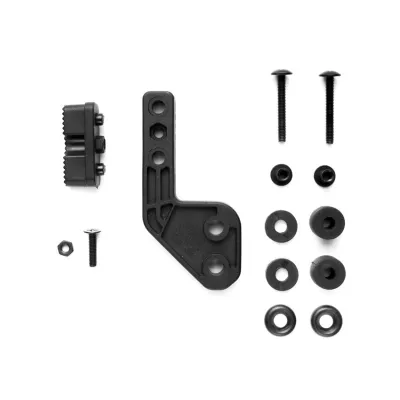
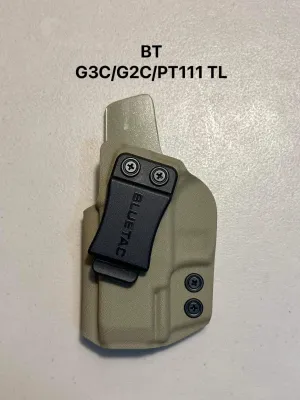
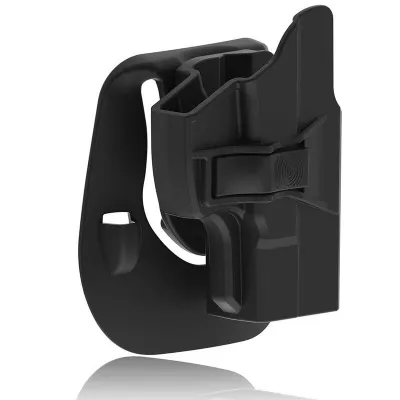
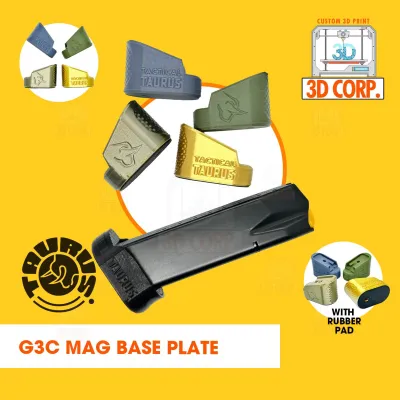
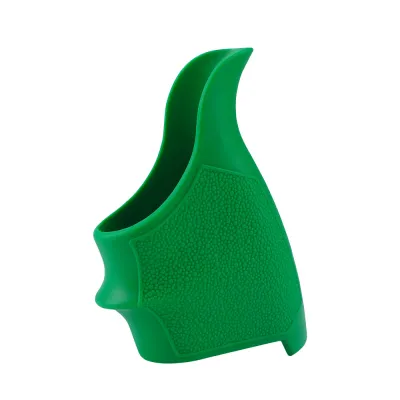
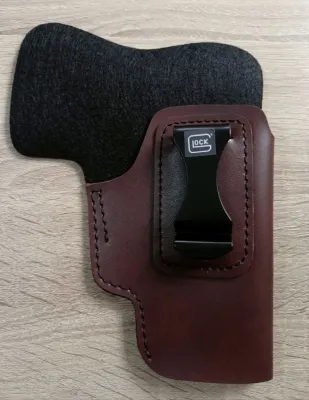
Prices are valid at publication and may change. Please refer to the product page for the latest price.
When selecting a storage solution, look for quick-access biometric or mechanical button locks if the firearm is intended for home defense. Biometric scanners allow rapid entry under stress, while mechanical simplex locks offer reliability without relying on batteries. Ensure the safe has pre-drilled mounting holes so it can be bolted to a heavy piece of furniture or wall studs, preventing someone from simply carrying the entire box away.
For temporary storage or transport, the cable lock provided by Taurus is a highly effective tool. Thread the cable through the open ejection port and down through the empty magazine well before securing the padlock. This physically prevents the slide from closing and makes it impossible to chamber a round, serving as an excellent visual and mechanical safety barrier.
Ammunition must always be stored separately from the firearm when not in use. Keep your defensive and training ammunition in a cool, dry place, preferably in a locked container distinct from your primary gun safe. This separation adds an extra layer of safety, reducing the risk of accidental loading during handling or maintenance.
Never rely on hidden spots like drawers, closets, or high shelves as a substitute for a locked safe. Children are naturally curious and highly adept at finding hidden items, and opportunistic thieves target these common hiding spots first. A physical lock is the only acceptable method for securing a firearm.
Selecting a Safe and Reliable Holster
A holster is not just a carrying pouch; it is an essential safety device that secures the firearm on your body. For the compact Taurus G3C, your choice of holster will depend heavily on your daily activities, local climate, and concealment needs.

Inside-the-waistband (IWB) holsters are the standard choice for deep concealment. They tuck inside your trousers, using your clothing to break up the outline of the gun. In tropical climates like the Philippines, where lightweight clothing is common, a slim IWB holster is crucial for preventing the firearm from “printing” through thin shirts. Outside-the-waistband (OWB) holsters, conversely, ride on the exterior of the belt. While OWB setups are generally more comfortable and easier to draw from at the range, they require a cover garment like a loose jacket or button-down shirt to remain concealed.
The material of your holster dictates its longevity and safety. Rigid thermoplastic materials, commonly known as Kydex, are highly recommended because they maintain their shape indefinitely. Kydex holsters provide a distinct “click” when the firearm is fully seated, offering clear tactile and audible feedback that the gun is secure. Leather holsters offer a classic look and mold to your body over time, but they must be made of thick, high-quality leather to prevent softening. Hybrid holsters combine a leather or mesh backing for comfort against the skin with a Kydex shell for rigidity.
Regardless of the material, the holster must completely and rigidly cover the trigger guard. This prevents foreign objects, clothing, or stray fingers from entering the trigger guard and causing an accidental discharge. Soft, unstructured nylon holsters are highly dangerous; they can collapse when the gun is drawn, and the soft fabric can fold into the trigger guard as you attempt to reholster, potentially catching the trigger and firing the weapon.
Before wearing any holster, you must safely test its retention in a controlled, completely unloaded environment. Remove the magazine, clear the chamber, visually and physically verify that the firearm is empty, and move all live ammunition to another room. Insert the unloaded G3C into the holster, hold it over a soft surface like a bed, and turn it upside down. Give it a gentle shake; the firearm should remain securely in place. If it falls out easily, adjust the retention screws on the holster until it holds the gun firmly.
A high-quality holster is useless without a stiff, purpose-built gun belt. Regular fashion belts are too soft and pliable; they will sag under the weight of a loaded compact pistol, causing the holster to tilt outward and making concealment difficult. A dedicated gun belt, reinforced with a nylon or polymer core, distributes the weight of the firearm evenly around your waist, keeping the holster upright and secure throughout the day. Expect to spend between ₱1,500 and ₱4,000 for a reliable, reinforced belt.
Magazines, Ammunition, and Carry Pouches
A semi-automatic pistol is only as reliable as its feeding mechanism, which makes your choice of magazines and ammunition critical. For both range practice and defensive carry, having at least one spare magazine on your person is highly recommended.
Carrying a spare magazine is not just about having extra ammunition; it is also your primary contingency plan for mechanical malfunctions. Most complex semi-automatic pistol malfunctions are resolved by removing the faulty magazine, clearing the action, and inserting a fresh magazine. By carrying a spare, you ensure that you can quickly recover from a feeding failure if one occurs in a high-stress situation.
To carry this spare ammunition comfortably, invest in a dedicated magazine pouch. Look for a pouch with adjustable retention, allowing you to fine-tune how tightly it holds the magazine. Position the pouch on your non-dominant side with the bullets facing forward, which is the most ergonomic orientation for rapid reloading.
When purchasing additional magazines, it is safest to stick to original equipment manufacturer (OEM) Taurus G3C magazines. These are engineered specifically for the frame and slide geometry of your pistol. If you choose to use aftermarket magazines, you must rigorously verify their compatibility. Check the feed lip geometry and spring tension against an OEM magazine to ensure they match.
Before trusting any aftermarket magazine for self-defense, conduct a thorough safety and reliability check at the range. Verify that the magazine releases cleanly and drops free from the grip frame when you press the magazine release. More importantly, load the magazine to capacity and fire several test rounds to ensure the slide locks back reliably on an empty chamber. If a magazine fails to lock the slide back or causes feeding issues, relegate it strictly to training use.
Cleaning and Maintenance Essentials
Regular maintenance is vital to ensure your Taurus G3C functions reliably when you need it most. Dust, lint, and sweat from daily carry can combine with carbon buildup from shooting to create a gritty paste that slows down the slide and causes failures to feed or eject.
A basic cleaning kit for a 9mm pistol should contain a copper or bronze bore brush, cleaning patches, a patch jag, brass cleaning rods, and a high-quality gun-specific lubricant. Avoid generic multi-purpose household oils, as they often break down under the high temperatures generated by firing and fail to provide adequate protection against metal-on-metal friction.
When lubricating your G3C, moderation is key. Over-lubrication is a common beginner mistake that can lead to malfunctions. Excess oil acts as a magnet for carbon fouling, unburnt powder, and pocket lint, gumming up the internal mechanisms. Apply a single drop of lubricant only to the specific friction points highlighted in your owner’s manual—typically the slide rails, the barrel hood, and the locking lug.
Always consult the official Taurus G3C owner’s manual before field-stripping your firearm. Pay close attention to the orientation of the recoil spring assembly during reassembly; installing it backward can cause binding and prevent the slide from cycling. Never attempt to disassemble the fire control group or trigger mechanism yourself, as this can void your warranty and compromise safety.
Be cautious about the chemicals you use to clean your pistol. Some aggressive automotive solvents or industrial degreasers can degrade the polymer frame or strip the protective finish off the slide. Use only solvents explicitly labeled safe for polymer-framed firearms, and always wipe away any excess cleaner before applying lubricant.
Training Aids for Safe Skill Development
Acquiring accessories to help you train safely is one of the best investments you can make as a beginner. Live-fire practice at the range is essential, but dry-fire practice at home is where you build muscle memory and trigger control.
Snap caps, or dummy rounds, are invaluable training aids. These inert, plastic or metal replicas of 9mm cartridges contain a spring-loaded primer cap that absorbs the impact of the firing pin. Using snap caps protects your pistol’s striker and firing pin from unnecessary stress during dry-fire practice. They also allow you to practice loading, unloading, and clearing malfunctions safely in your living room.
Dry-fire practice requires absolute, unwavering adherence to safety protocols. Before you begin, choose a dedicated practice room and remove all live ammunition from that space. Physically and visually inspect the chamber and the magazine well of your G3C to confirm it is completely empty. Once verified, point the firearm in a safe direction—such as a brick wall or a heavy bookcase that can stop a projectile—and maintain that safe muzzle direction throughout your practice session. Never point the firearm at anything you are not willing to destroy, even when you are certain it is unloaded.
When you do transition to the live-fire range, utilize structured targets rather than plain sheets of paper. Reactive targets, which change color around the bullet hole, make it easy to see your hits from a distance. Silhouette or scored targets help you track your grouping and diagnose shooting errors, such as flinching or pulling the trigger too hard, by showing where your shots land relative to the center of mass.
As your safety habits become second nature, a shot timer is an excellent tool to measure your progress. You do not need to buy an expensive dedicated device immediately; several free or low-cost smartphone apps can detect the sound of a gunshot or dry-fire click. Timing your draw stroke and first-shot target acquisition provides objective data, helping you identify where your movement is slow or inefficient.
Functional Upgrades: Sights and Grip Enhancements
After mastering the basics of safety and maintenance, you may consider modifying your Taurus G3C to better suit your preferences. However, it is important to remember that upgrades are secondary to fundamental skill development.
The stock sights on the G3C are functional, but many shooters find them difficult to align quickly in low-light environments. Upgrading to high-visibility fiber-optic sights or tritium night sights can significantly improve target acquisition. Fiber-optic sights gather ambient light to create bright glowing dots, which are excellent for daytime shooting, while tritium sights glow in pitch darkness without requiring batteries.
Before purchasing aftermarket sights, you must verify the specific model of your Taurus G3C. Standard G3C models use a specific sight cut compatible with Glock-pattern sights, making aftermarket options highly abundant. However, if you own the G3C T.O.R.O. (Taurus Optic Ready Option) model, the slide is pre-cut for mounting miniature red dot sights. Ensure any sight or optic you buy matches your slide’s specific configuration.
Improving your physical grip on the firearm is particularly important in hot, humid climates like the Philippines. When your hands sweat, the polymer frame of the pistol can feel slick, making it harder to control muzzle flip. Adhesive grip tape, custom-cut for the G3C, adds a gritty, sandpaper-like texture that greatly improves traction. Alternatively, removable rubber grip sleeves offer a softer, cushioned feel, though they can add bulk to the compact grip.
While these upgrades can enhance your shooting experience, they cannot compensate for poor technique. No high-end sight or specialized grip tape will fix a flinch or a poor trigger press. Focus your time and budget on ammunition and professional instruction first, treating hardware upgrades as minor refinements to an already solid foundation.
Frequently Asked Questions (FAQ)
Can I use Glock 19 holsters and magazines for the Taurus G3C?
While the Taurus G3C shares a similar compact profile with the Glock 19, their frame dimensions and trigger guard shapes are not identical. Some universal or adjustable holsters may accommodate both, but a precision-molded Kydex holster made for a Glock 19 will not safely fit a G3C. Furthermore, Glock 19 magazines are completely incompatible with the Taurus G3C due to different catch locations and feed angles. Always purchase accessories specifically molded and engineered for the Taurus G3C to ensure safety and reliability.
Is it necessary to upgrade the Taurus G3C sights right away?
No, it is not necessary to upgrade the factory sights immediately. The stock three-dot sights on the Taurus G3C are perfectly adequate for learning the fundamentals of sight alignment, sight picture, and trigger control. Focus your initial budget on safety gear, a quality holster, cleaning supplies, and range ammunition. Once you have established consistent accuracy and understand your specific shooting needs, you can make an informed decision about upgrading to night sights or fiber optics.
Community discussion
Share your experience or ask a question. Comments are reviewed before publication.