
Finding the right size roller skate shoes for kids 4 wheels involves balancing immediate safety with long-term foot growth. Buying skates that are too large in hopes they will “grow into them” compromises ankle stability and increases the risk of falls, while skates that are too tight cause pain and blisters. The most reliable solution is to measure your child’s feet in centimeters and choose between adjustable skates that expand across multiple sizes or fixed-size skates that prioritize high-performance support.
Step 1: Measure Your Child's Foot Accurately
Relying on your child’s current street shoe size is one of the most common mistakes when purchasing roller skates. Daily footwear brands vary wildly in their sizing standards, and roller skates require a much more precise, secure fit to ensure proper control. A skate that is even slightly off-size can lead to poor balance, friction blisters, or ankle strain, especially when skating on outdoor surfaces like local concrete courts in the Philippines.
To get an accurate measurement, have your child stand flat-footed on a blank piece of paper placed on a hard floor. Trace the outline of both feet with a pencil held vertically to avoid adding extra millimeters. Tracing while standing is essential because weight-bearing naturally spreads the foot, mimicking the exact pressure applied while rolling.
Products mentioned in this guide
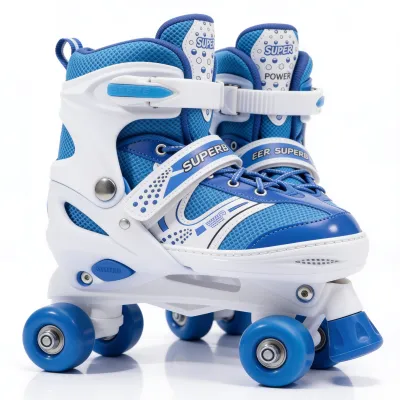
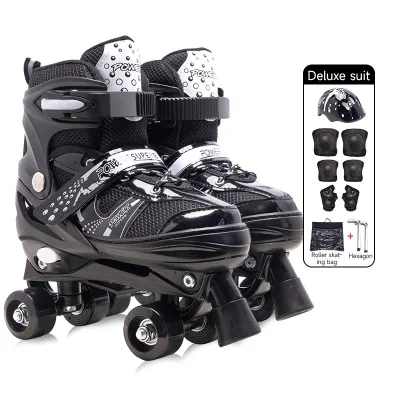
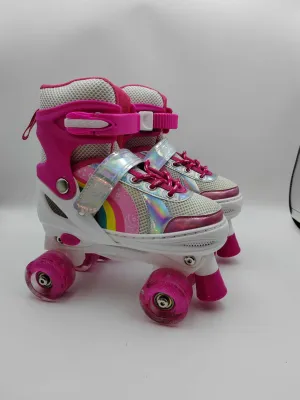
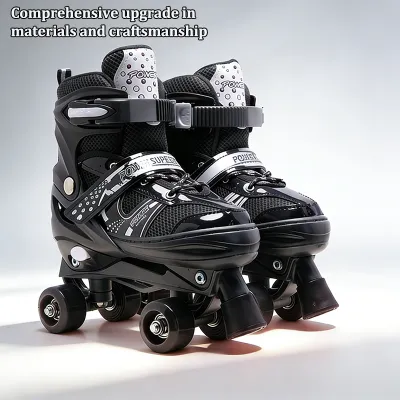
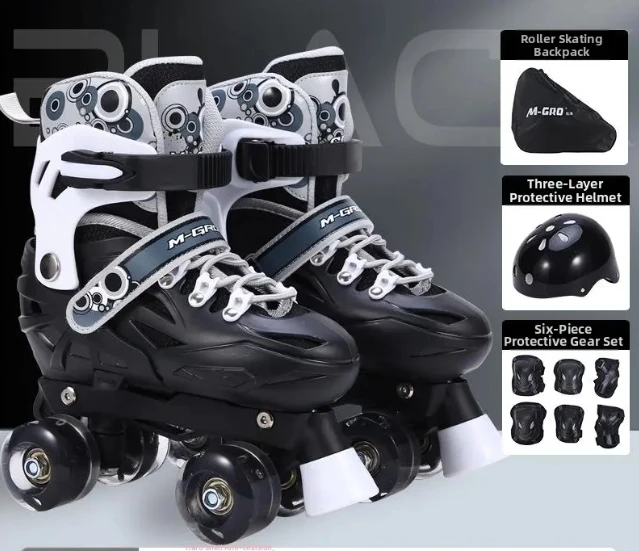
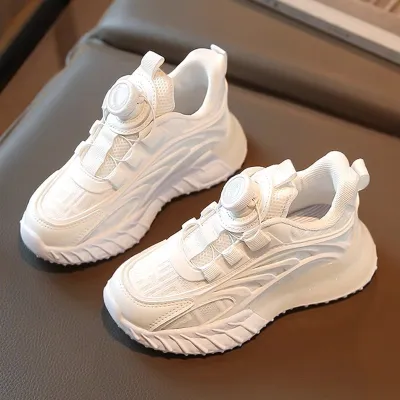
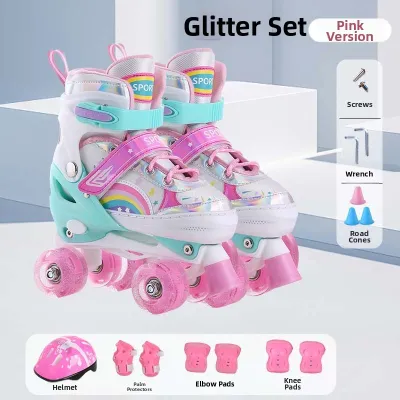
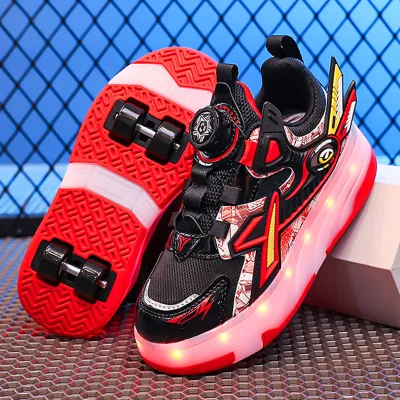
Prices are valid at publication and may change. Please refer to the product page for the latest price.
Once traced, use a ruler to measure the distance from the backmost point of the heel to the tip of the longest toe for both feet. It is completely normal for one foot to be slightly larger than the other; always use the larger measurement as your baseline. Record this measurement in centimeters, as most reputable skate brands use metric measurements for their official sizing charts.
Always consult the specific manufacturer’s size chart rather than relying on generic age-to-size conversion tables. Different brands design their boots with distinct widths and heel shapes, meaning a size 3 in one brand may fit differently than a size 3 in another.
Conduct this measurement session at the end of the day. Feet naturally swell after hours of walking and playing, particularly in warm, humid tropical climates. Measuring in the late afternoon ensures the skates will remain comfortable even during long, sweaty afternoon sessions at the park.
Step 2: Choose Between Adjustable and Fixed-Size Skates
When browsing roller skate shoes for kids 4 wheels, you will generally choose between two distinct designs: adjustable skates and fixed-size skates. The right choice depends on your child’s current skating skill level, how frequently they plan to skate, and their current growth stage.

Adjustable Roller Skates
Adjustable roller skates feature an expandable boot shell that grows alongside your child’s feet. Most models utilize a simple push-button mechanism or a micro-adjusting dial near the heel, allowing the toe box to slide forward and backward to cover three to four distinct shoe sizes. This adaptability makes them an incredibly popular choice for parents looking to maximize their investment.
The primary advantage of adjustable skates is their cost-effectiveness. Instead of purchasing a new pair of skates every time your child goes up a shoe size, you can simply click a button to expand the boot, extending the lifespan of the skates over several years. This convenience makes them highly practical for casual weekend skating in the neighborhood.
However, these skates do come with trade-offs. The adjustable mechanisms add extra components, making the skates slightly heavier than fixed-size models. Additionally, when the boot is extended to its maximum limit, the ankle support may feel slightly less rigid, and the overall fit can feel bulkier, which might limit a child’s ability to execute advanced maneuvers.
These skates are the ideal candidate for beginners, casual recreational skaters, or younger children who are experiencing rapid, unpredictable growth spurts. They offer a forgiving, adaptable entry point into the sport without requiring frequent, expensive replacements.
Fixed-Size Roller Skates
Fixed-size roller skates are constructed with a rigid, single-size boot, matching the design philosophy of high-performance adult skates. They do not have any expanding joints or buttons, meaning the size you buy is the exact size your child will use until they outgrow them.
The main benefit of a fixed-size boot is its superior structural integrity. Without the moving parts of an adjustable mechanism, these skates are lighter and provide exceptional ankle support. This rigidity ensures better energy transfer from your child’s legs to the wheels, resulting in a more precise, responsive, and stable ride.
The obvious drawback is their limited lifespan. Once your child’s foot grows even a half-size past the boot’s capacity, the skates must be replaced to avoid painful toe cramping and blisters, which can make them a more expensive long-term option.
Fixed-size skates are the ideal choice for intermediate to advanced young skaters, children enrolled in structured skating lessons, or those participating in specialized disciplines like roller derby, speed skating, or artistic skating. The precision and safety they offer at high speeds justify the need for more frequent upgrades.
Step 3: Test the Fit and Verify Comfort
Once the skates arrive, you must thoroughly test the fit indoors before letting your child head outside. Proper fitting prevents painful friction points and ensures your child maintains complete control over their movements.
Start with the sock rule: have your child wear the exact type of sports socks they plan to use while skating. Avoid thick, heavy winter socks or loose cotton socks, as these can bunch up inside the boot and create painful pressure points. Instead, opt for medium-thickness, moisture-wicking athletic socks that stay secure on the foot.
Next, perform the finger test to check the overall length of the boot. Have your child put on the skates, lace and buckle them securely, and stand up with their knees slightly bent in a natural skating stance. Try to slip one finger down behind their heel inside the boot; there should be just enough room for a snug fit. If your finger slides in easily and the child’s foot can slip back and forth, the skate is too large, which severely increases the risk of ankle rolls.
To verify the toe position, ask your child how their toes feel inside the boot. When standing completely straight, their toes should lightly brush the front lining of the skate without feeling bent or cramped. When they bend their knees and sink into a skating stance, their toes should slide back slightly, leaving a small pocket of comfortable space at the front.
Pay close attention to the width and ankle support. The boot should hug the midfoot securely, preventing side-to-side sliding without pinching. The ankle cuff must feel firm and supportive; if your child stands up and their ankles immediately roll inward or outward, the cuffs are either too loose or the skate lacks the structural support required for their weight.
Conclude the fitting with an active verification check. Have your child stand, bend their knees, and gently shift their weight from side to side on a carpeted surface. Watch their heels closely as they move; if the heel lifts up significantly inside the boot when they lean forward, the fit is too loose. If they complain of pinching or localized pain anywhere on their feet, stop and reassess the sizing before allowing them to roll.
Essential Safety Gear and Maintenance for Kids' Skates
Even the most perfectly fitted roller skates cannot protect a child from the inevitable falls that come with learning to skate. Before your child takes their first stride, they must be equipped with a complete set of certified safety gear. This includes a properly fitted helmet, knee pads, elbow pads, and rigid wrist guards. Wrist guards are particularly critical, as instinct drives children to break forward falls with their hands, making wrist fractures one of the most common skating injuries.
Before every single skating session, perform a quick pre-ride safety check. Ensure all buckles are snapped shut, laces are tied tightly, and the size-locking mechanisms on adjustable skates are completely clicked into place. Loose straps or a partially locked size adjuster can fail mid-ride, causing sudden loss of control.
Caring for the skates is also essential, especially in hot and humid conditions. After outdoor sessions on concrete or dusty barangay courts, wipe down the boots with a damp cloth to remove sweat and dirt, then allow them to air dry completely in a well-ventilated indoor space to prevent mold and unpleasant odors. Periodically inspect the 4 wheels for uneven wear, flat spots, or debris lodged in the axle bearings. If you notice the inner edges of the wheels wearing down faster than the outer edges, rotate the wheels to extend their lifespan and maintain a balanced grip.
Frequently Asked Questions (FAQ)
How often should I check my child's roller skate size?
You should re-evaluate the fit of your child’s roller skates every 3 to 4 months, especially during active growth phases. Younger children may not always notice or communicate that their shoes are getting tight, so look out for physical signs like redness on their toes or heels after a session. If you are using adjustable skates, expand the boot incrementally by one notch at a time as their feet grow, rather than jumping to the maximum size prematurely, which compromises ankle stability.
Can my child wear thick socks with adjustable roller skates?
It is highly recommended to avoid excessively thick or bulky socks with adjustable skates. While it might seem like a good way to fill up extra space in a slightly loose boot, thick socks compress under pressure, allowing the foot to slide around inside the skate and reducing essential ankle support. Instead, choose medium-cushion, moisture-wicking sports socks designed specifically for skating or athletic use to manage sweat, prevent painful blisters, and maintain a responsive fit.
Community discussion
Share your experience or ask a question. Comments are reviewed before publication.