
Finding the right leotard for a young gymnast is a balancing act that every parent faces. Children grow rapidly, making the prospect of buying new training gear every few months financially daunting. However, gymnastics is a highly precise, physical sport where loose, ill-fitting clothing is not just an aesthetic issue, but a safety hazard.
To make an informed purchase, you must look beyond the standard clothing sizes found in department stores. Gymnastics apparel requires a skin-tight fit to allow coaches to observe body alignment and to prevent fabric from catching on training equipment. By understanding how to measure your child correctly and how different fabrics behave, you can select a leotard that offers both a safe, secure fit and a reasonable amount of room for natural growth.
Why Torso Length Is the Most Critical Sizing Spec
When shopping for children’s clothing, most parents rely on age brackets or overall height. For gymnastics apparel, however, these metrics are highly unreliable. Two children who are both 120 centimeters tall can have vastly different body proportions, with one having a longer torso and shorter legs, and the other having the opposite.
Products mentioned in this guide
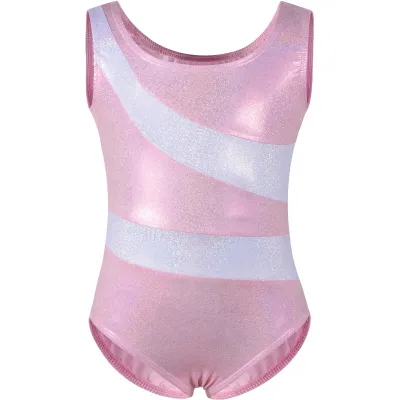
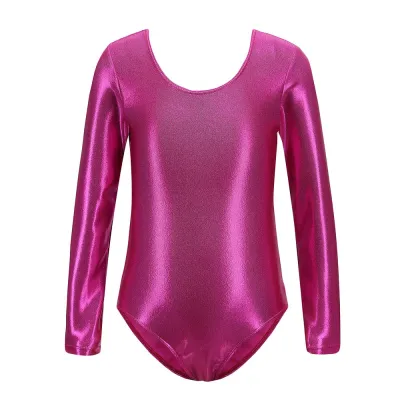
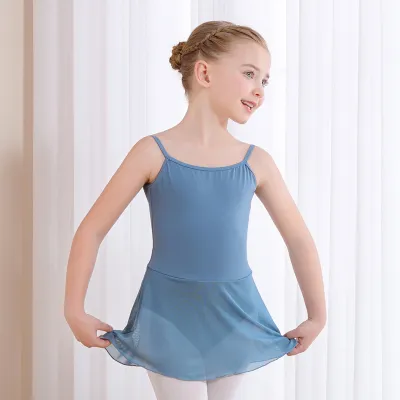
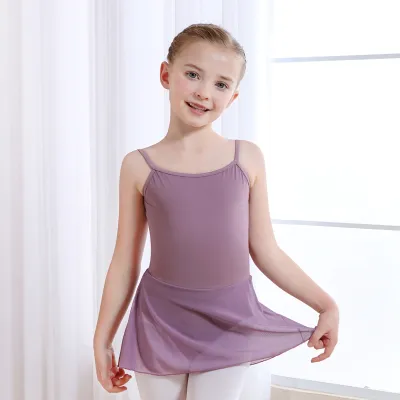
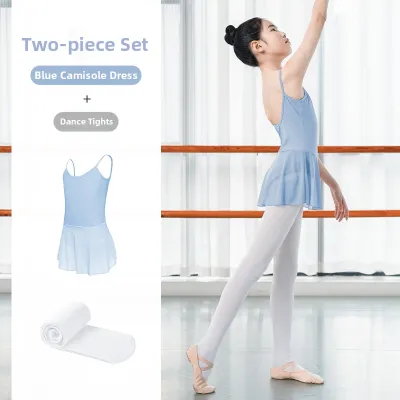
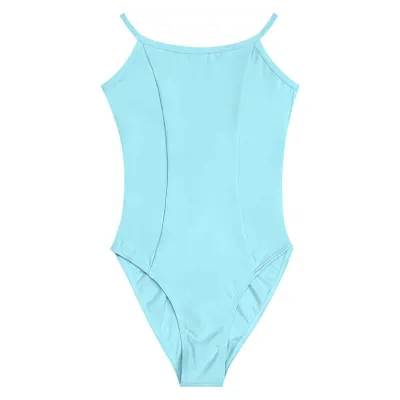
Prices are valid at publication and may change. Please refer to the product page for the latest price.
Torso length, also known as girth, is the single most important measurement for determining a proper leotard fit. This measurement represents the total vertical loop of the body, starting from the top of the shoulder, passing down through the crotch, and returning up the back to the same shoulder point. Because gymnastics movements involve extreme bending, arching, and stretching, the leotard must accommodate this vertical tension without restriction.
Ignoring the torso measurement leads to immediate discomfort and safety risks. If the torso of the leotard is too short, the fabric will constantly pull downward on the shoulders and ride up aggressively at the hips, causing painful chafing and distracting your daughter during her routines. Conversely, a torso that is too long results in excess fabric pooling at the lower back or underarms, which can easily snag on bars, beams, or the hands of a spotting coach.
How to Take Accurate Measurements for a Leotard
Obtaining precise body measurements is the only way to ensure a successful fit when purchasing gymnastics gear online. To begin, secure a soft, flexible tailor’s measuring tape. Avoid using a metal hardware tape, as it cannot contour to the body and will yield inaccurate, oversized results.

For the most accurate readings, have your daughter wear thin, form-fitting undergarments or a lightweight training unitard rather than bulky everyday clothing. She should stand tall with her feet flat on the floor, shoulders relaxed, and arms resting naturally at her sides. Instruct her to breathe normally; holding her breath or sucking in her stomach will skew the numbers and result in a garment that is too tight during active training.
Record these four key measurements carefully:
- Torso (Girth): Place the tape at the center of the shoulder, run it down the front of the body, through the crotch, and back up the rear to the starting point on the same shoulder. Keep the tape taut but not digging into the skin.
- Chest: Measure around the fullest part of the chest, keeping the tape horizontal and parallel to the floor.
- Waist: Locate the natural waistline, which is the narrowest part of the torso. If you are unsure, have her bend to one side; the crease that forms is her natural waist.
- Hips: Wrap the tape around the widest part of the hips and buttocks.
Always write these numbers down immediately. When measuring, resist the temptation to pull the tape tight to make her seem smaller, or to leave it excessively loose to allow for growth. The tape should rest flat and comfortably against her skin.
Reading Size Charts and Handling "In-Between" Measurements
Once you have recorded your daughter’s measurements, compare them to the manufacturer’s specific size chart. Sizing is not standardized across the gymnastics apparel industry. A size “Medium” from a local brand may correspond to a “Small” or a “Large” from an international manufacturer. Never assume that her size in everyday clothing or another athletic brand will carry over.
It is common for a growing child’s measurements to span multiple sizes on a chart. For instance, her chest and waist might align with a size 8, while her torso length points to a size 10. In these situations, always prioritize the torso length. A leotard can stretch horizontally to accommodate a slightly wider chest or waist, but it has very little vertical give to compensate for a short torso.
Handling “in-between” sizes requires analyzing how the leotard will be used. If your daughter is a recreational gymnast training once a week, rounding up to the larger size is a practical way to accommodate upcoming growth spurts. However, if she is training competitively or performing advanced maneuvers, choose the smaller, snugger size. A competitive leotard must fit like a second skin to ensure safety during high-velocity rotations and flips.
Fabric Stretch and Fit Checks for Safe Training
When shopping for black leotards for kids girls, understanding the fabric composition is essential for predicting how the garment will perform over time. Most modern training leotards are constructed from synthetic blends, primarily nylon-spandex or polyester-spandex. These materials utilize 4-way stretch technology, meaning the fabric expands both horizontally and vertically, allowing the garment to adapt to minor physical changes as your daughter grows.
The percentage of spandex or elastane in the fabric indicates how much “give” the leotard will have. A higher spandex content (typically between 15% and 20%) offers excellent elasticity and shape retention. In the warm, humid climate of the Philippines, high-quality synthetic blends are particularly beneficial. Non-air-conditioned local gyms can become very hot, causing athletes to sweat heavily. Premium performance fabrics wick moisture away from the skin and maintain their structural integrity, whereas low-grade fabrics can absorb sweat, become heavy, and begin to sag.
While classic black leotards for kids girls are highly versatile and hide dirt well, they require an exact fit to prevent aesthetic and structural issues. If a black leotard is stretched too thin, the fabric can lose its opacity and appear sheer under bright gym lights. Conversely, if it is too loose, the dark fabric will wrinkle and sag noticeably, which can obscure a coach’s ability to spot body alignment errors.
Before allowing your daughter to train in a new leotard, perform a comprehensive physical fit check:
- The Strap Test: Slide two fingers under the shoulder straps. They should feel snug but comfortable; if they leave red indentations on her skin, the leotard is too small.
- The Armpit and Back Check: Look for any gaping or pooling fabric under the arms or at the small of her back. Excess material indicates the garment is too large.
- The Leg Line Test: Ensure the leg openings sit flat against her thighs without riding up into the groin or sagging downward.
- The Movement Test: Have her perform a few basic stretches, such as a bridge or a forward bend. The leotard should stay firmly in place without requiring constant manual adjustments.
Never send a child to practice in a deliberately oversized leotard. Loose fabric can easily slip during inversions, cover her eyes during a flip, or catch on the wooden surface of a balance beam, leading to preventable training accidents.
Signs Your Growing Gymnast Needs to Size Up
Children grow in unpredictable spurts, and a leotard that fit perfectly last month may suddenly become too restrictive. Because gymnasts quickly adapt to minor discomforts, you must actively look for physical and visual cues that indicate it is time to transition to a larger size.
The most obvious sign of an outgrown leotard is the presence of persistent red marks or chafing lines on your daughter’s shoulders, hips, or inner thighs after a training session. You may also notice her constantly tugging at the fabric or adjusting the neckline between exercises. If she complains of restricted shoulder mobility or difficulty executing deep backbends, the vertical tension of the garment is likely too high.
It is important to distinguish between normal fabric settling and a garment that is truly too small. High-quality leotards may tighten slightly after being washed and air-dried, but they should quickly stretch back to a comfortable fit within a few minutes of active movement. If the fabric remains stiff, tight, and difficult to put on, the garment has reached the end of its useful lifespan.
To manage the transition budget-consciously in the Philippines, where high-quality athletic gear represents a real investment (often costing several thousand pesos), you can repurpose slightly tight leotards for low-impact home stretching, yoga, or casual play. Reserve the newer, perfectly sized leotards strictly for structured gym training where maximum safety and range of motion are non-negotiable.
Frequently Asked Questions (FAQ)
Is it safe to buy a larger leotard for her to grow into?
No, buying a significantly larger leotard is a safety hazard. Loose fabric can shift during handstands, cover her face, or snag on gymnastics equipment like the uneven bars or vault. A snug, second-skin fit is necessary to prevent injuries and allow coaches to monitor body posture accurately.
Do black leotards show gym chalk or sweat easily?
Yes, while black fabrics excel at hiding general dirt and wear, they tend to highlight light-colored particles like white gym chalk and dried sweat salts. To keep a black leotard looking clean, brush off excess chalk immediately after practice and rinse the garment in cool water before washing.
Community discussion
Share your experience or ask a question. Comments are reviewed before publication.