
Spotting a fake Aqua Flask requires evaluating physical build quality, weight, insulation performance, and branding details. While counterfeiters have grown increasingly sophisticated, a genuine flask stands out through its seamless stainless steel interior, durable powder-coated exterior, precise logo engravings, and absolute vacuum seal that prevents external condensation even in hot, humid tropical climates. Understanding these key differences is essential to protecting your health and ensuring your hard-earned money is spent on a high-performing product.
Why Authenticity Matters for Insulation and Safety
Vacuum insulation is the core technology behind high-quality drinkware. Genuine flasks use a double-wall construction where the air between the inner and outer stainless steel layers is completely evacuated during manufacturing. This vacuum barrier prevents heat transfer, keeping your drinks cold or hot for up to 24 hours. Counterfeit bottles often omit this vacuum sealing process entirely, using simple double walls filled with regular air, which fails to maintain temperature.
In the intense tropical heat of the Philippines, an insulated bottle must keep beverages cold all day. A counterfeit flask will fail within hours, leaving you with lukewarm water that does not refresh you during hot commutes or outdoor activities. This failure defeats the primary purpose of carrying an insulated bottle in the first place.
Products mentioned in this guide
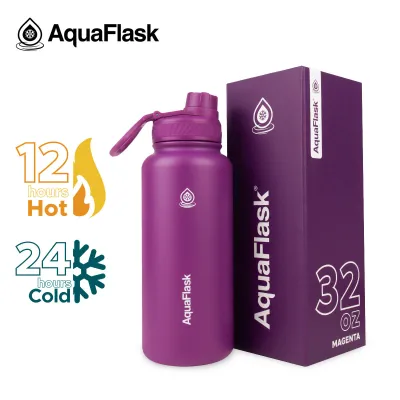
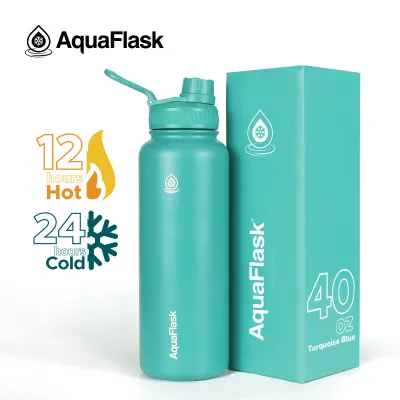
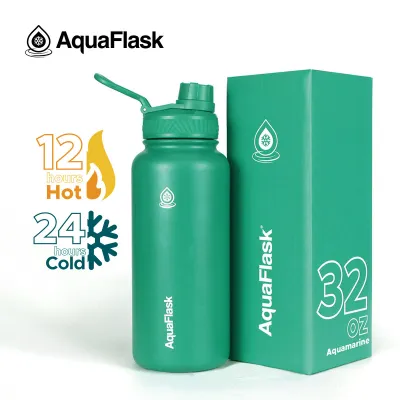
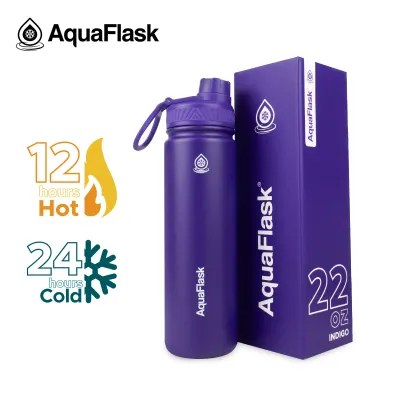
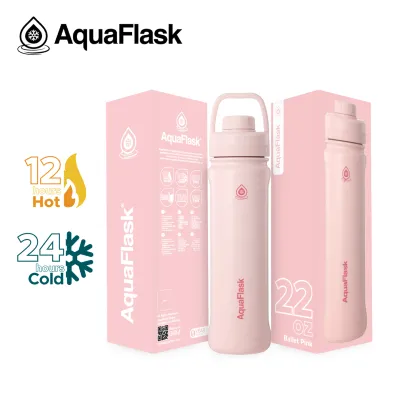
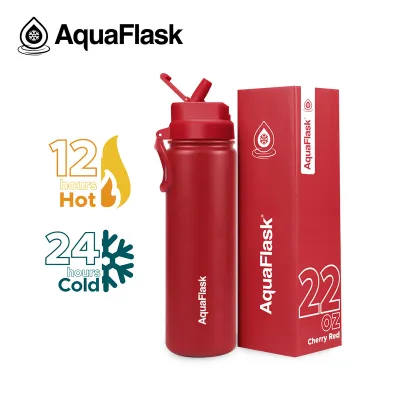
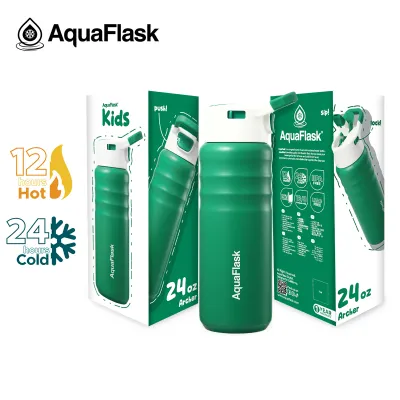
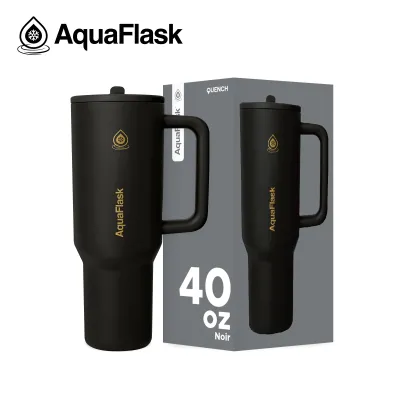
Prices are valid at publication and may change. Please refer to the product page for the latest price.
Material safety is an even more critical concern when dealing with counterfeit products. Genuine manufacturers use food-grade 18/8 (304) stainless steel, which is highly resistant to rust, corrosion, and chemical leaching. Counterfeiters often substitute this with cheaper, industrial-grade steel alloys that can degrade quickly when exposed to acidic juices or tap water. This degradation can lead to rust forming inside your bottle, contaminating your drinking water with metallic impurities.
Chemical exposure is another major risk associated with unverified manufacturing. Cheap plastic lids on fake bottles may contain Bisphenol A (BPA) and other endocrine-disrupting chemicals that leach into your beverage under warm conditions. Furthermore, some counterfeit vacuum-sealed vessels utilize lead-based solder to seal the vacuum port at the base. If the protective bottom cap of a fake flask is damaged, it can expose you to heavy metal contamination.
Verifying your bottle’s authenticity protects both your health and your financial investment. While a counterfeit flask might save you money upfront, its poor thermal performance and susceptibility to damage mean you will likely have to replace it within a few months. Investing in a genuine product ensures you receive a durable, safe, and reliable hydration companion for daily use.
Visual and Physical Checks: Genuine vs. Fake Aqua Flasks
Counterfeiters prioritize visual resemblance over structural integrity, focusing on making the product look correct at a glance while cutting corners on materials and manufacturing precision. This reliance on cheaper production lines inevitably leaves physical clues that observant buyers can spot.

However, no single visual marker can guarantee authenticity on its own. Some high-quality replicas copy the exact font and packaging of genuine bottles. Therefore, you must perform a multi-dimensional inspection, combining packaging analysis, physical measurements, and functional tests.
Packaging, Tags, and Unboxing Details
Start your inspection with the box. Genuine packaging is constructed from thick, rigid cardboard designed to protect the bottle during shipping. The printing on the box should be sharp, with accurate color alignment, deep saturation, and no blurry text. Counterfeit boxes often use thin, flimsy cardboard that easily dents, with faded colors or misaligned print layers.
Examine the included documentation. Genuine flasks come with clean, professionally designed care instructions or warranty inserts. Check for typographical errors, awkward English translations, or low-resolution graphics on these inserts. Fakes often omit these documents entirely or include generic, poorly printed slips of paper.
Inspect the accessories. If your flask package includes extra lids, straws, or a silicone boot, check their manufacturing quality. Genuine accessories feature clean mold lines, flexible food-grade silicone, and embossed brand logos where applicable. Counterfeit accessories often have excess plastic flashing along the seams, a strong chemical odor, and stiff, low-quality silicone.
Remember that packaging is the easiest part for counterfeiters to replicate. Even if the box looks pristine, you must proceed to inspect the physical bottle itself.
Build Quality, Weight, and Finish
Assess the weight. A genuine empty insulated bottle has a distinct heft due to the thickness of its double-wall food-grade stainless steel. If you hold a genuine flask in one hand and a counterfeit in the other, the fake will typically feel noticeably lighter and flimsier. Thinner steel walls are cheaper to produce but compromise both durability and insulation.
Feel the exterior finish. Genuine powder-coated flasks have a consistent, finely textured grip that resists slipping, even when your hands are sweaty from the tropical humidity. The coating is evenly applied up to the edges. Counterfeit finishes often feel overly smooth, glossy, or excessively rough. The paint on a fake may also peel, bubble, or chip easily around the neck and base.
Examine the rim and threading. Unscrew the lid and run your finger carefully along the metal rim. A genuine bottle features a smooth, rounded, and perfectly polished rim with clean, even threads. Counterfeits often have sharp or rough metal edges along the rim and uneven threads that make screwing the lid on feel gritty or misaligned.
Check the interior weld. Peer inside the bottle using a flashlight. Genuine flasks utilize advanced manufacturing techniques that leave a clean, barely visible vertical weld seam, or no visible seam at all. Counterfeit bottles often display rough, dark, or uneven weld lines inside, which can become focal points for corrosion and bacteria buildup.
Logos, Engravings, and Bottom Stamps
Analyze the primary logo. The brand name and logo on a genuine flask are applied with high precision, featuring sharp edges, correct spacing, and exact font weights. On counterfeits, the logo may look slightly off-center, use a slightly different font thickness, or show signs of peeling and smudging if it is cheaply printed rather than laser-engraved or high-quality screen-printed.
Inspect the bottom of the bottle. Genuine flasks have clear, crisp, and deep engravings or stamps on the bottom surface indicating the brand name, bottle capacity, and material specifications. Counterfeit bottles often feature shallow, blurry, or misaligned text on the bottom. In some cheap replicas, the bottom markings are completely missing or contain spelling mistakes.
Verify accessory branding. Check for consistent branding across all components. The silicone boot, the lid, and the handle should match the design and color palette of the main bottle. If the logo on the lid looks different from the logo on the bottle body, it is a strong indicator of a mismatched counterfeit assembly.
Keep in mind that high-end “super fakes” can replicate logos with surprising accuracy. This is why visual checks must always be paired with physical weight and thermal performance tests.
Step-by-Step Verification Methods You Can Do at Home
Perform these actionable, low-risk tests to verify the functional authenticity of your bottle:
- The Condensation Test: Fill the bottle to the neck with cold water and plenty of ice cubes, then secure the lid. Wipe the exterior completely dry with a towel and let the bottle sit on a table at room temperature for 10 to 15 minutes. Because a genuine flask features a true vacuum barrier, heat cannot transfer between the inner and outer walls. The exterior of a genuine bottle will remain completely dry and room-temperature to the touch. If the outer wall feels freezing cold or begins to "sweat" with condensation droplets, the vacuum seal is either broken or non-existent, proving the bottle is a counterfeit.
- Lid and Seal Inspection: Fill the flask with water, screw the lid on firmly, and turn the bottle completely upside down. Shake it vigorously for 10 seconds over a sink. A genuine, properly engineered lid and silicone gasket will create an airtight, leak-proof seal. If water drips, spurts, or seeps through the threads, the lid design or gasket material is defective, which is highly common in cheap replicas.
- Digital Verification: Many modern insulated bottles feature unique QR codes or scratch-off authenticity stickers on their packaging or tags. Scan the QR code using your smartphone. Ensure the link directs you to the official, verified domain of the brand rather than a suspicious, generic landing page designed to mimic an authenticity check. Scammers can easily clone valid QR codes, so a successful scan must always be verified against the official brand website's database.
- Sound and Resonance Check: Tap the bottom of the empty bottle gently with your fingernail or a wooden spoon. A genuine vacuum-insulated bottle typically produces a clear, ringing, metallic resonance. A counterfeit bottle, or one with a compromised vacuum chamber filled with air, often produces a dull, flat, or hollow thud. Use this only as a supplementary check rather than definitive proof.
Remember that functional failure overrides visual perfection. Even if a bottle looks absolutely identical to a genuine one, failing the condensation test means it cannot function as an insulated flask and should not be kept.
Safe Purchasing Channels in the Philippines
Buy from official retail outlets. The safest way to guarantee authenticity is to purchase your flask from authorized physical stores located in major shopping malls, department stores, or official brand kiosks. Buying in person allows you to inspect the weight, finish, and engraving before paying.
Use verified online stores. When shopping online, only purchase from the brand’s official website or the verified flagship stores on major e-commerce platforms. Look for official store badges and check that the seller name matches the official brand distributor.
Be skeptical of extreme discounts. Genuine insulated flasks are made with high-grade materials and precise manufacturing, meaning they maintain a consistent retail price. If an online seller offers a flask at a price in Philippine Pesos (₱) that is 50% to 70% cheaper than the standard retail price (e.g., selling a large flask for only ₱200 to ₱300), it is almost certainly a counterfeit.
Evaluate customer feedback thoroughly. Before hitting the checkout button, read the store’s reviews. Look closely at negative reviews to see if previous buyers have complained about poor insulation or receiving fake products. Pay close attention to photo and video reviews uploaded by customers, inspecting them for the physical warning signs discussed earlier.
What to Do If You Receive a Suspected Fake
Document the unboxing process. When your package arrives, record a continuous, unedited video of yourself opening the shipping parcel and inspecting the bottle. Take high-resolution, well-lit photographs of the packaging box, the logo, the bottom engraving, and the interior weld seam.
File a dispute immediately. If you suspect the bottle is counterfeit, do not click the button to confirm receipt or complete the order on your e-commerce app. Instead, immediately open a return or refund request. Upload your unboxing video, photos of the flaws, and a photo of the failed condensation test as evidence to support your claim.
Prioritize your health and safety. If you are uncertain about the authenticity of the flask, do not use it to store drinking water or beverages. Non-food-grade stainless steel and unverified plastics can leach heavy metals or harmful chemicals into your drinks, posing a silent risk to your health over time.
Use official platform channels. Avoid engaging in hostile public accusations or confronting the seller directly. Instead, allow the e-commerce platform’s official dispute resolution team to handle the case. This ensures your refund is processed safely and helps the platform identify and penalize fraudulent sellers.
Community discussion
Share your experience or ask a question. Comments are reviewed before publication.