
Verifying the authenticity of an Aqua Flask is essential to ensure you are getting the food-grade materials and vacuum insulation you pay for. In a tropical climate like the Philippines, where daily temperatures and high humidity demand reliable hydration, counterfeit insulated bottles have become increasingly common across online marketplaces and unauthorized physical stalls. Spotting a fake requires looking beyond a low price tag and conducting a systematic inspection of the bottle’s physical construction, laser engravings, lid mechanics, and packaging details.
A genuine insulated bottle relies on a precise double-wall vacuum design to keep your drinks cold during long commutes or outdoor sports. Counterfeiters often mimic the external appearance of these popular flasks but skip the complex manufacturing processes required for true thermal performance and material safety. By learning how to evaluate the physical and structural details of your drinkware, you can protect your health, save your hard-earned money, and ensure your bottle performs reliably under the hot sun.
Why Authenticity Matters for Insulated Bottles
Using a counterfeit insulated bottle carries risks that go far beyond a drink warming up too quickly in the afternoon heat. The primary concern with cheap, imitation flasks is material safety. Genuine manufacturers use food-grade 18/8 stainless steel (also known as SUS304) for the inner and outer walls, which resists corrosion and prevents metallic tastes from leaching into your water. Counterfeit products often utilize lower-grade metals or industrial alloys that can rust over time when exposed to acidic beverages or tap water.
Products mentioned in this guide
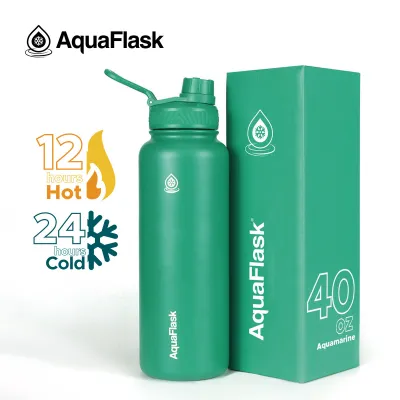
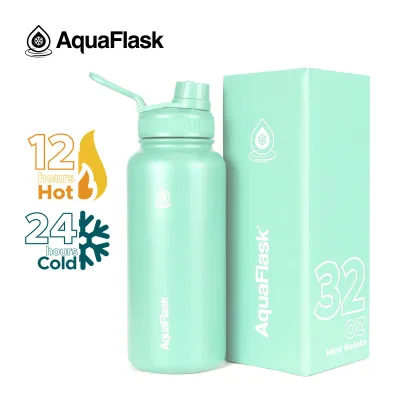
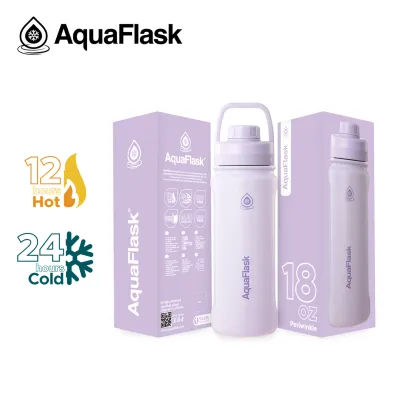
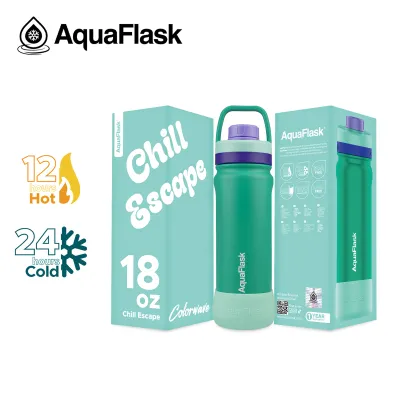
Prices are valid at publication and may change. Please refer to the product page for the latest price.
Furthermore, the manufacturing of vacuum-insulated bottles requires a reliable seal at the base. Authentic brands use safe, lead-free glass-frit sealing methods to close the vacuum port. In contrast, counterfeit factories may use cheap lead-based solders or toxic chemical adhesives to seal the bottom of the bottle. If these seals degrade or chip, they can expose you to hazardous substances, especially during daily washing and drinking.
Performance failures are another immediate consequence of buying a fake flask. Without a true vacuum barrier between the double walls, heat transfers rapidly from the outside environment to your beverage. In humid conditions, a poorly insulated bottle will “sweat,” causing heavy condensation to form on the exterior paint. This moisture can ruin the contents of your gym bag, damage office documents, and make the bottle slippery and difficult to grip during outdoor activities.
Finally, the overall durability of a counterfeit bottle is significantly lower. The exterior powder coating on a genuine flask is designed to withstand scratches, sweat, and minor drops during sports or travel. Fake bottles often feature cheap spray paint that chips, peels, or fades after just a few washes. The structural integrity of the metal is also compromised, meaning a minor drop onto a concrete pavement or basketball court can easily dent the body, permanently breaking what little insulation it had.
Key Physical Checks to Spot a Fake Aqua Flask
A hands-on inspection is the most reliable way to determine if your bottle is genuine. Start by examining the logo and print quality on the exterior of the flask. Authentic bottles feature clean, crisp laser-etched or high-quality printed logos with sharp edges and precise alignment. If you notice blurred borders, inconsistent font weights, or letters that look slightly crooked, the product is likely a counterfeit. You can also run your fingers over the logo; a genuine laser engraving feels slightly textured but uniform, whereas fake prints may feel like cheap, raised decals that can be scraped off with a fingernail.

Next, pay close attention to the weight and overall build of the bottle. A genuine double-wall vacuum-insulated flask has a distinct, solid heft even when empty, owing to the thickness of the food-grade stainless steel walls. If the bottle feels suspiciously light or flimsy, it is a strong indicator that the manufacturer used thin, single-wall metal or low-quality materials that lack proper vacuum insulation. You can also gently press the sides of the bottle; the walls of an authentic flask should not flex or bend under normal hand pressure.
The base of the bottle provides critical clues regarding its origin. Flip the flask over and inspect the bottom markings. Genuine Aqua Flask products feature cleanly molded or deeply laser-engraved brand names, capacity measurements, and material specifications, such as “SUS304” or “18/8 Stainless Steel.” Counterfeit bottles often have shallow, barely legible engravings, or they may rely on cheap paper stickers to display this information. Ensure that the text on the bottom is perfectly centered and free of spelling mistakes.
The lid and seal mechanics are equally telling. Twist the lid off and check the smoothness of the threading. A genuine lid should screw on and off smoothly without catching, squeaking, or requiring excessive force to seal. Inspect the silicone O-ring inside the lid; it should be thick, uniform, and seated snugly within its groove to prevent leaks. Counterfeit lids often use thin, poorly fitted silicone gaskets that slip out of place easily. Additionally, smell the inside of the bottle and the lid; genuine food-grade silicone and stainless steel are virtually odorless, whereas fake products often emit a strong, chemical plastic smell that persists even after washing.
Packaging and Documentation Red Flags
The unboxing experience can reveal a counterfeit long before you fill the bottle with water. Examine the cardboard box the flask arrived in, paying close attention to the print quality and structural integrity. Genuine packaging uses thick, sturdy cardboard designed to protect the bottle during shipping, with high-resolution graphics and consistent brand colors. Counterfeit boxes are often made of thin, flimsy cardboard that dents easily, and the printed images may appear blurry, pixelated, or washed out.
Look closely at the text printed on the packaging. Counterfeiters frequently make grammatical errors, spelling mistakes, or use awkward phrasing in their product descriptions and instructions. Check for inconsistent capitalization or fonts that do not match the official branding. If the box features a mix of different languages or generic descriptions that do not match the specific model inside, treat it as a major red flag.
Many authentic brands include security labels, holographic stickers, or QR codes on their packaging to help consumers verify their purchase. If your bottle comes with a QR code for authenticity verification, scan it and look closely at the resulting URL in your browser. A genuine verification system will direct you to the official, secure domain of the brand. Counterfeiters often set up lookalike websites with slightly altered domain names to trick buyers into thinking their fake product has been verified.
Finally, inspect the included accessories and documentation. A genuine flask typically comes with a well-printed user manual, a warranty card, and sometimes a silicone boot or cleaning brush, depending on the specific package. The paper quality of these inserts should be clean and professional. If the manual is printed on cheap, rough paper with faded ink, or if the instructions are poorly translated, it is highly probable that the entire package is counterfeit.
Safe Buying Channels vs. High-Risk Sellers
To avoid the risk of purchasing a counterfeit bottle, you must be selective about where you shop. The safest route is to buy directly from authorized physical sports stores, official brand boutiques, or verified flagship stores on major e-commerce platforms. These sellers receive their stock directly from the manufacturer, ensuring that every bottle is genuine and backed by an official warranty.
Be highly skeptical of listings on online marketplaces that offer extreme discounts. While seasonal sales and promotions are common, a genuine insulated flask requires high-quality materials and manufacturing processes that prevent it from being sold at incredibly low prices. If a listing offers a flask for ₱300 or less when the standard retail price is significantly higher, it is almost certainly a fake. Avoid sellers who use buzzwords like “factory excess,” “overrun,” “original equipment manufacturer (OEM),” or “direct from warehouse” to justify these unrealistic prices.
Before making an online purchase, take the time to thoroughly evaluate the seller’s profile and customer feedback. Do not rely solely on the overall star rating, as some dishonest sellers use automated bots or fake reviews to inflate their scores. Instead, filter the reviews to show one-star and two-star ratings, and search for specific keywords like “fake,” “leaks,” “sweating,” or “poor quality.” Look at the photos uploaded by actual buyers; if you see inconsistent logos, peeling paint, or damaged packaging in their review photos, look for another seller.
What to Do If You Suspect a Counterfeit
If you have already purchased a bottle and suspect it is a fake, take immediate action to protect your consumer rights. Start by documenting the product thoroughly. Take clear, well-lit photos of the specific areas that raise concern, such as a blurry logo, a misaligned base engraving, a leaking lid, or condensation forming on the outer wall. If possible, place the suspected fake next to a known genuine bottle to highlight the differences in size, weight, color, and print quality.
Next, initiate a return or refund request through the e-commerce platform where you made the purchase. Most major digital shopping apps in the Philippines have buyer protection policies that cover counterfeit items. When filing your claim, select “counterfeit” or “item not as described” as the primary reason, and upload your documented photos as evidence. Avoid using the bottle or discarding any of the original packaging, as you may be required to ship the item back to the seller or the platform’s warehouse to secure your refund.
Finally, report the fraudulent seller to help protect other consumers. Submit a formal report to the e-commerce platform’s customer support team, detailing the seller’s deceptive practices and providing your evidence. You can also contact the official customer support channels of the authentic brand to inform them of the counterfeit listing. By reporting these unauthorized sellers, you contribute to a safer marketplace and help manufacturers track down and shut down counterfeit distribution networks.
Frequently Asked Questions (FAQ)
Can a fake insulated bottle still keep drinks cold?
A counterfeit insulated bottle may offer a very limited degree of temperature retention if it features a basic double-wall construction, but it will not perform like a genuine vacuum-insulated flask. Because fake bottles often lack a true vacuum seal between the walls, heat transfers quickly. Your cold drinks will warm up within a few hours, and hot drinks will cool down rapidly. Additionally, the lack of proper insulation causes the bottle to sweat heavily in warm, humid weather, creating messy condensation on the outside of the flask.
Is a slightly different logo always a sign of a fake?
Not necessarily, but it requires careful verification. Brands occasionally update their logos, introduce regional packaging variations, or release limited-edition collaborations that feature slightly different designs. Before assuming a bottle is counterfeit based solely on a minor aesthetic difference, check the brand’s official website or verified social media channels for announcements regarding recent design updates. If the logo matches an official redesign but the build quality, weight, and base markings are poor, the bottle is still likely a fake.
Community discussion
Share your experience or ask a question. Comments are reviewed before publication.