
Staying hydrated is a daily necessity in the tropical climate of the Philippines, where high humidity and soaring temperatures make a reliable insulated water bottle an essential companion. Among the most popular choices is the Aquaflask 40 oz, prized for its generous capacity and ability to keep drinks cold for hours. However, this massive popularity has also made it a primary target for counterfeiters. If you are planning to purchase one or want to verify a bottle you already own, knowing how to spot a fake is crucial for protecting your health and ensuring you get the performance you pay for.
To determine whether an Aquaflask 40 oz is genuine, you must examine several key physical details: the precision of the laser-engraved logo, the circular bottom stamp indicating the capacity in both ounces and milliliters, the texture of the powder-coat finish, and the overall weight of the double-wall stainless steel. Price is also a major indicator of authenticity. While a genuine 40 oz bottle typically retails for around ₱1,000 to ₱1,300, counterfeit versions are often sold online for as low as ₱250 to ₱400. Recognizing these discrepancies before making a purchase can save you from wasting money on a substandard imitation.
Why Counterfeit Insulated Bottles Pose a Risk
Using a counterfeit insulated bottle involves more than just a loss of aesthetic appeal; it presents genuine risks to your health and daily convenience. Authentic manufacturers use food-grade 18/8 (304) stainless steel, which is highly resistant to rust, corrosion, and chemical leaching. Counterfeiters, on the other hand, often utilize cheaper, low-grade metals like 201 stainless steel. Under the constant moisture and humidity typical of the Philippine climate, these substandard materials can rust quickly, contaminating your drinking water and leaving a metallic taste.
Products mentioned in this guide
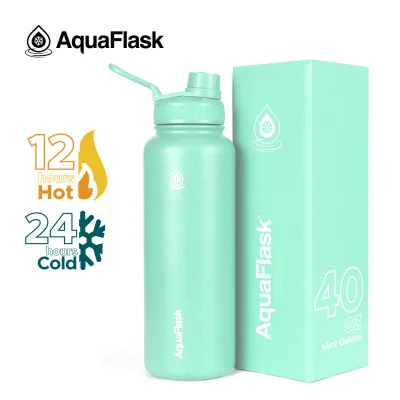
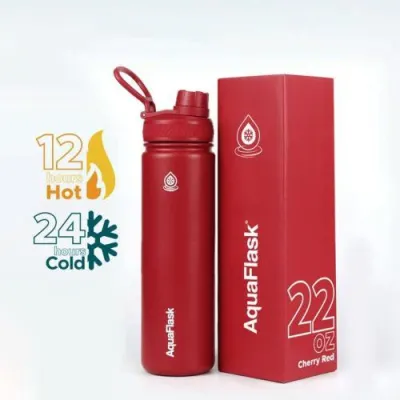
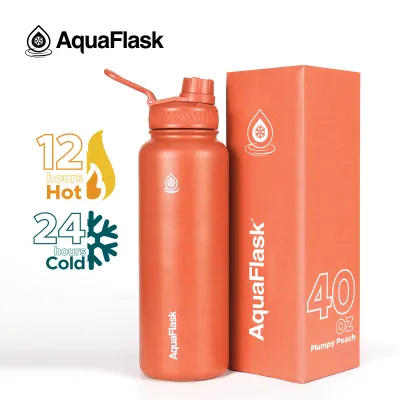
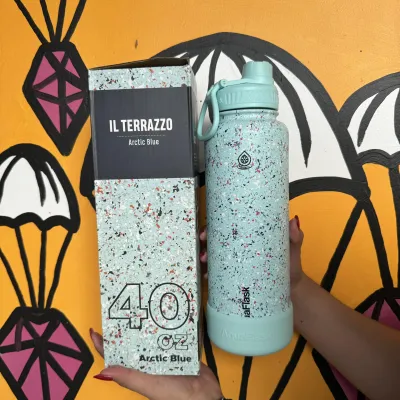
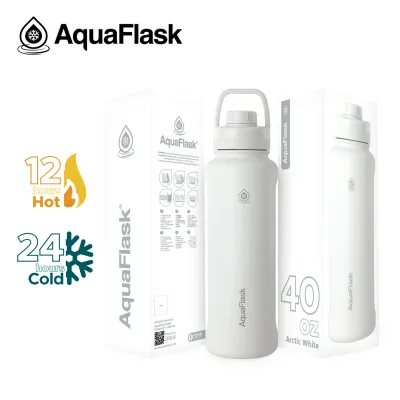
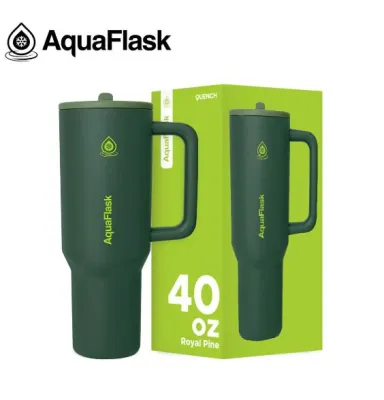
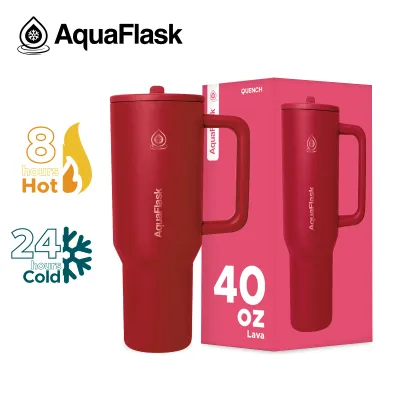
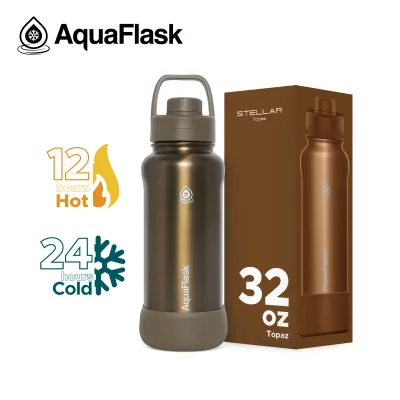
Prices are valid at publication and may change. Please refer to the product page for the latest price.
Furthermore, material safety is a significant concern with unverified products. Genuine bottles are certified BPA-free, ensuring that no harmful endocrine-disrupting chemicals leach into your beverages from the plastic lids or silicone seals. Counterfeit products undergo no such regulatory testing. The plastics used in fake lids may contain BPA or other industrial toxins, and the solder used to seal the vacuum chamber in cheap bottles sometimes contains lead. Without official safety certifications, there is no way to guarantee that a counterfeit bottle is safe for daily use.
Performance failures are another inevitable drawback of choosing a fake. The core technology of a genuine bottle relies on a double-wall vacuum insulation barrier that prevents heat transfer. Counterfeit manufacturing processes rarely achieve a true vacuum, resulting in poor thermal retention. This means your ice-cold water will warm up within a few hours in the Philippine heat. Additionally, a failed vacuum barrier causes the outer wall of the bottle to “sweat” or develop heavy condensation, which can ruin documents, electronics, and the interior of your bag.
Finally, buying a counterfeit means forfeiting any form of customer support or product protection. Genuine Aquaflasks are backed by a limited lifetime warranty that covers manufacturing defects, such as a sudden loss of insulation or lid malfunctions. If you purchase a fake, you have no recourse when the bottle inevitably fails. You are left with a heavy, non-insulated metal container that cannot perform its basic function, turning a seemingly cheap purchase into a complete waste of money.
Checklist: Identifying a Genuine Aquaflask 40 oz
When evaluating an Aquaflask 40 oz, a systematic inspection of its physical features will help you determine its authenticity. By comparing the packaging, branding, base markings, and build quality against established standards, you can confidently identify a genuine product.

Packaging and Documentation
An authentic Aquaflask arrives in a sturdy, high-quality cardboard box designed to protect the bottle during transit. The printing on the packaging must be exceptionally sharp, with vibrant colors, straight alignment, and no pixelation or blurry text. Inside the box, you should find a professionally printed care instruction card. This card uses thick paper stock, clean fonts, and contains no grammatical errors or spelling mistakes. If the box feels flimsy, uses faded ink, or lacks the care card entirely, the product is highly suspect.
Branding and Logos
The branding on a genuine bottle is executed with high precision. The “AquaFlask” logo is laser-engraved onto the powder coat, exposing the clean, silver stainless steel underneath. The edges of the engraving must be perfectly sharp, smooth, and centered. Run your fingers over the logo; it should feel slightly recessed but clean. On a counterfeit, the logo is often printed with cheap silver paint or applied as a decal that can be easily scratched off with a fingernail. Additionally, pay close attention to the font spacing and thickness, as fakes often feature slightly distorted lettering.
Base and Bottom Markings
Flip the bottle over to inspect the bottom, which contains crucial manufacturing details. A genuine Aquaflask 40 oz features clear, deeply etched circular text on its base. This text includes the brand name, “Designed in California,” and the specific capacity markings: “40oz / 1180ml.” The lettering must be perfectly centered, uniform in depth, and easy to read. Counterfeit bottles frequently display shallow, faint, or misaligned markings. In some cases, fakes may even show incorrect metric conversions or use generic fonts that do not match the official branding.
Build Quality and Texture
The physical feel of the bottle is one of the most reliable indicators of quality. Genuine Aquaflasks feature a signature powder-coat finish that is durable, sweat-resistant, and slightly textured to provide a secure grip in hot weather. This coating should be consistent across the entire surface without bubbles, drips, or uneven patches. The bottle itself should feel solid and heavy, reflecting its double-wall steel construction. When you screw the lid on, the threads should align perfectly, allowing the lid to turn smoothly and tighten securely without any squeaking or catching.
Red Flags: How to Spot a Fake Aquaflask
Counterfeiters constantly attempt to replicate the look of genuine bottles, but their cost-cutting measures inevitably leave noticeable flaws. Being aware of these common manufacturing discrepancies will allow you to spot a fake almost instantly.
Visual and Typographical Errors
A lack of quality control is a hallmark of counterfeit production, often resulting in obvious visual mistakes. Check the spelling of the brand name across the bottle, lid, and packaging. Misspellings such as “Aqua Flask” with an improper space, “Aqua-Flask” with an unauthorized hyphen, or other minor typographical variations are immediate red flags. Furthermore, the color of the bottle should match the official colorways released by the brand. If the shade appears dull, unevenly applied, or does not exist in the official catalog, the item is likely a replica.
Material and Odor Issues
Your sense of smell can be a powerful tool when unboxing a new bottle. A genuine stainless steel bottle is thoroughly cleaned during manufacturing and should have no distinct odor. In contrast, counterfeits often emit a strong, unpleasant chemical, plastic, or metallic smell upon opening. This odor is caused by cheap industrial lubricants and low-grade plastics that have not been properly processed or washed. Additionally, if the metal walls of the bottle feel thin enough to flex or dent when you squeeze them firmly, the structural integrity is substandard, confirming it is a fake.
Accessory and Fitment Flaws
The accessories included with the bottle should fit perfectly and function without issue. For instance, the silicone O-ring gasket inside the lid of a genuine Aquaflask is thick, flexible, and fits snugly into its groove to create an airtight seal. On a fake, this gasket is often thin, loose, or made of a rigid plastic that fails to prevent leaks. If your bottle leaks when tilted or turned upside down, it is a clear sign of poor manufacturing. Similarly, if the bottle comes with a silicone boot, the boot should slide on smoothly and grip the base tightly; a loose, easily discarded boot indicates a counterfeit accessory.
Step-by-Step Verification Before and After Unboxing
Protecting yourself from counterfeits requires diligence both during the shopping process and after the product arrives at your doorstep. Following a structured verification routine will minimize your risk of keeping a fake item.
Pre-Purchase Checks
If you are buying online from an independent seller, always request real-time, unedited photos of the actual product rather than relying on stock images. Specifically, ask for close-up shots of the bottom stamp, the engraved logo, and the inside of the lid. Scrutinize the seller’s profile, paying close attention to customer reviews. Look for detailed feedback that includes buyer photos, and be wary of stores that have a high volume of repetitive, generic five-star ratings. Most importantly, compare the price against official retail rates; an extremely low price is the single most common indicator of a counterfeit.
Post-Purchase Inspection
Once the bottle arrives, perform a systematic unboxing to verify its features before using it. Start by examining the packaging and physical details outlined in the checklist. Next, conduct the “Ice Test” to verify the vacuum insulation. Fill the bottle with ice cubes and cold water, tighten the lid, and let it sit in a warm room for several hours. A genuine bottle will keep the ice solid and its outer surface will remain dry and at room temperature. If the outside of the bottle feels cold to the touch or begins to sweat, the vacuum seal is defective or non-existent.
Limitations of Visual Checks
While physical inspections are highly effective, it is important to recognize their limitations. Modern counterfeiters have access to advanced machinery that can replicate logos, fonts, and colors with surprising accuracy. A high-quality fake might pass a basic visual check but still fail over time due to poor material composition or a weak vacuum seal. Because visual indicators alone cannot guarantee chemical safety or long-term durability, the only way to achieve absolute certainty is to combine your physical checks with a secure purchasing strategy.
Where to Safely Buy Authentic Aquaflask in the Philippines
To completely eliminate the risk of purchasing a counterfeit Aquaflask 40 oz, you should always source your drinkware from verified and authorized retail channels. This ensures you receive a genuine product protected by the manufacturer’s warranty.
Official Retail Channels
The safest way to purchase an Aquaflask is to visit official physical outlets. The brand operates numerous kiosks, concept stores, and authorized retail sections inside major shopping malls across the Philippines, including SM Malls, Robinsons Malls, and Ayala Malls. Buying in person allows you to physically inspect the bottle’s finish, weight, and lid threading before handing over your payment. If you prefer shopping online, always use the brand’s official local website.
Identifying Verified Online Sellers
When shopping on major e-commerce platforms, look for official verification badges that distinguish authorized sellers from third-party merchants. Legitimate storefronts are typically marked with badges such as “Mall,” “Official Store,” or platform-specific verification icons. These badges indicate that the e-commerce platform has verified the seller’s business registration, tax compliance, and brand authorization. Always check that the store name matches the official brand identity before placing an order.
Avoiding High-Risk Listings
You should exercise extreme caution when browsing social media marketplaces, classified ad sites, or unauthorized third-party listings. Sellers on these platforms often use deceptive terms like “factory overruns,” “original rejects,” or “authentic export stock” to explain their low prices. In reality, the brand does not release defective or rejected stock to the public. These terms are simply marketing euphemisms used to sell counterfeit goods. Stick to authorized channels to ensure your money goes toward a safe, high-performing product.
What to Do If You Suspect You Received a Counterfeit
If you have completed your physical checks and thermal testing only to realize that your Aquaflask 40 oz is likely a counterfeit, you must take immediate action to protect your health and recover your money.
First, stop using the bottle immediately. Because counterfeit products do not undergo material safety testing, drinking from them poses potential health risks due to unverified metals, chemical-laden plastics, or lead solder. Do not risk your well-being for the sake of using a cheap bottle.
Next, document all the evidence of the counterfeit. Take clear, well-lit photos and videos highlighting the specific discrepancies you discovered, such as a blurry logo, a misaligned bottom stamp, a leaking lid, or condensation forming on the outer wall. Keep the original shipping box, bubble wrap, and the delivery receipt, as these are crucial for proving your case.
Finally, initiate a dispute through the platform or store where you made the purchase. If you bought the bottle on a major e-commerce platform, navigate to your order history and file a return or refund request, selecting “counterfeit” or “item not as described” as the reason. Upload your documented photos and videos as evidence. Most reputable platforms have strong buyer protection policies and will refund your money once the counterfeit nature of the product is verified. If you purchased the item from a physical store, return to the outlet with your receipt and speak to the store manager to resolve the issue.
Community discussion
Share your experience or ask a question. Comments are reviewed before publication.