
Verifying the authenticity of an AquaFlask (40oz) Wide mouth w/ flip cap Vacuum Insulated Stainless Steel Drinking Water Bottle is essential to ensure you get the temperature retention and material safety you pay for. With the massive popularity of these insulated flasks in the Philippines, counterfeit products have flooded online marketplaces and physical flea markets. Spotting a fake requires a close examination of the bottle’s physical construction, weight, insulation performance, and packaging details.
Genuine bottles utilize food-grade materials and advanced vacuum sealing that counterfeiters cannot replicate without significantly raising their production costs. By learning the specific tactile, visual, and functional differences, you can protect your health and avoid wasting money on a subpar imitation.
Why Fake AquaFlask Bottles Are a Concern
In the tropical, high-humidity climate of the Philippines, keeping your drinking water cold throughout the day is more than a convenience—it is a daily necessity. The AquaFlask 40oz wide mouth bottle has become a staple for students, athletes, and office workers alike, driving a massive demand that counterfeiters are eager to exploit. However, using a counterfeit stainless steel bottle carries serious risks that go far beyond a drink warming up too quickly.
Products mentioned in this guide
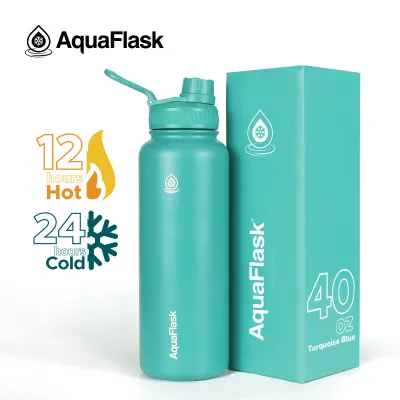
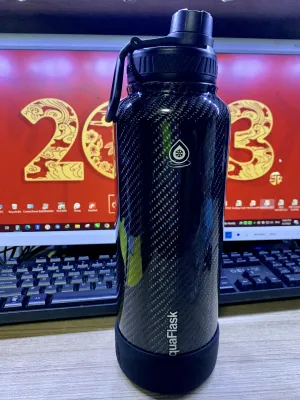
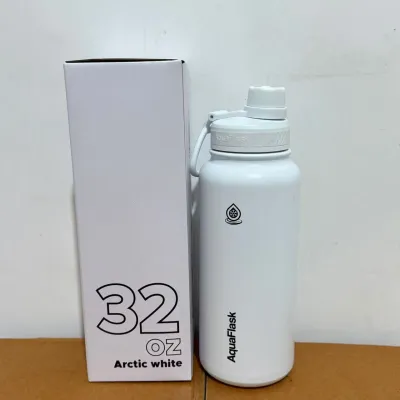
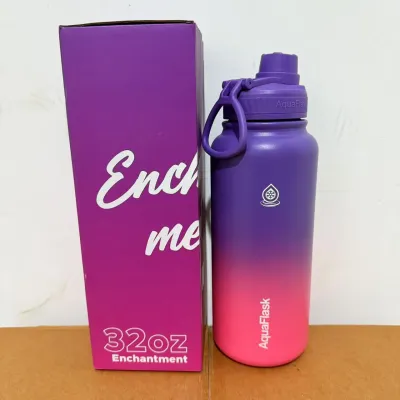
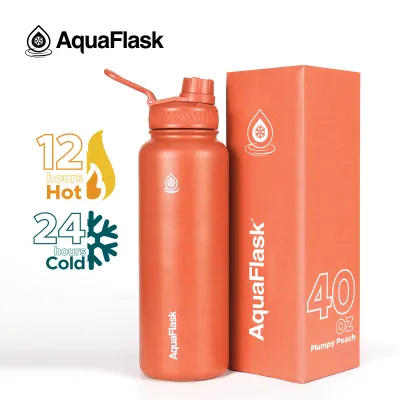
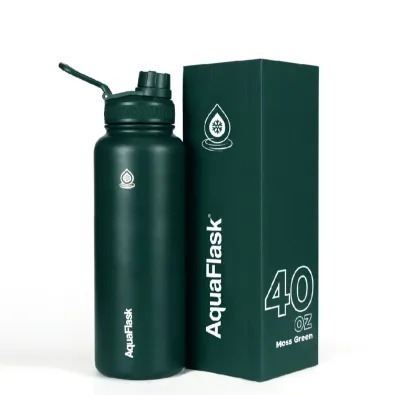
Prices are valid at publication and may change. Please refer to the product page for the latest price.
Authentic manufacturers use high-quality, food-grade 18/8 (304) stainless steel, which is highly resistant to rust and does not leach chemicals into your beverages. Counterfeiters, aiming for the lowest possible production cost, often substitute this with cheaper, industrial-grade steel alloys like 201 stainless steel. These inferior metals are prone to rusting, especially when exposed to acidic beverages or the salty, humid air common in coastal regions.
Furthermore, unverified materials used in fake bottles may contain heavy metals, including lead, which is sometimes used in the soldering process of low-end double-wall flasks. The plastic components and silicone seals on counterfeit caps are rarely certified food-safe or BPA-free. Over time, exposure to warm water or sunlight can cause these cheap plastics to leach harmful chemical compounds into your water. Additionally, a failed vacuum seal means the bottle will sweat constantly, ruining your bags and failing to keep your water cold during intense midday heat.
Key Features of a Genuine AquaFlask 40oz Wide Mouth Bottle
An authentic AquaFlask 40oz wide mouth bottle is engineered with precise manufacturing standards that give it a premium look and feel. Understanding these baseline characteristics provides a reliable standard of comparison when inspecting a bottle in hand.

The body of a genuine bottle is constructed from premium 18/8 food-grade stainless steel. This material gives the bottle a solid, reassuring weight even when empty. The exterior features a durable, powder-coated finish that is baked onto the steel. This coating has a distinct, slightly textured matte feel that provides an excellent grip, even when your hands are sweaty from outdoor activities. The powder coat is highly resilient, resisting scratches, chips, and peeling under normal daily use.
Branding on a genuine AquaFlask is applied with absolute precision. The logo and brand name are either clean, laser-etched designs that reveal the bright stainless steel underneath, or highly durable, crisp prints with perfectly defined edges. There should be no blurry lines, color bleeding, or misalignment between the logo elements.
The wide mouth opening is designed to easily accommodate ice cubes and allow for effortless cleaning. The threads of the neck are smooth and rounded, allowing the cap to screw on securely without catching or cross-threading. The accompanying flip cap is made from thick, durable, BPA-free plastic that does not feel brittle. It features a heavy-duty pivot hinge and a thick, food-grade silicone gasket inside that creates an airtight seal when tightened.
When purchasing, the packaging should also reflect this high quality. Authentic bottles are sold in sturdy, thick cardboard boxes with high-resolution printing, vibrant colors, and clear, grammatically correct text. The product tags are printed on heavy cardstock and attached securely, containing accurate product specifications, care instructions, and barcode details that match the specific 40oz wide mouth model.
Common Red Flags in Counterfeit AquaFlask Bottles
Counterfeit manufacturers must cut corners to maintain their low prices, resulting in distinct physical and functional flaws. By keeping an eye out for these common red flags, you can quickly identify a fake bottle before or after making a purchase.
One of the most immediate indicators of a fake is the quality of the exterior coating. Instead of a durable, textured powder coat, counterfeit bottles often use cheap, wet-sprayed paint. This paint typically feels overly smooth, glossy, or plasticky, and it is highly prone to peeling, bubbling, or scratching off with minimal effort. You might even notice uneven paint thickness around the bottom rim or the neck of the bottle.
The branding on counterfeit flasks is frequently flawed. Logos may appear slightly off-center, crooked, or disproportionate compared to official product photos. If the logo is printed, the ink may feel raised, rough, or easily scratchable with a fingernail. Spelling mistakes on the bottle itself, the packaging, or the accompanying tags are also dead giveaways; look closely for typos like “vacum” instead of “vacuum” or awkward phrasing in the care instructions.
Flimsy hardware is another major warning sign. The flip cap on a counterfeit bottle often feels light, brittle, and loose at the hinge. The silicone sealing ring inside the cap is typically thin, poorly fitted, or made of low-grade rubber that emits a strong, chemical plastic odor. This leads to persistent leaks when the bottle is tilted or carried in a backpack.
Finally, the most critical functional failure of a fake bottle is poor thermal performance. A genuine AquaFlask relies on a true vacuum barrier between two walls of stainless steel. Counterfeiters often skip the vacuum evacuation process entirely or fail to seal the walls properly, leaving air inside. When you fill a fake bottle with ice water, heat transfers rapidly through the air gap, causing the exterior of the bottle to feel freezing cold and sweat profusely in the humid Philippine air.
Step-by-Step Authentication Checklist
If you want to verify your bottle systematically, use this step-by-step authentication checklist to evaluate its physical build, performance, and documentation.
Visual and Tactile Inspection
Begin by examining the overall construction and branding of the bottle. Run your hand over the exterior surface; a genuine AquaFlask has a distinct, grippy powder-coat texture, whereas a fake often feels smooth, slick, or uneven. Inspect the logo closely under bright light to ensure the font, spacing, and alignment match the official brand design perfectly.
Turn the bottle over and check the bottom. Authentic bottles feature clean, centered, and deeply engraved or printed details, including the brand name and material specifications. Weigh the bottle if you have access to a digital scale; a counterfeit bottle made with thinner, lower-grade steel will often weigh noticeably less than a genuine empty 40oz bottle. Check the neck threads to ensure they are smooth, uniform, and free of sharp metal burrs.
Functional and Leak Testing
Perform a temperature and seal test to verify the integrity of the vacuum insulation and the cap. Fill the bottle to the brim with ice-cold water, secure the flip cap tightly, and let it sit in a warm room for 15 to 30 minutes.
A genuine vacuum-insulated bottle will remain completely dry on the outside, and the exterior walls will stay at room temperature. If the outside of the bottle feels cold to the touch or begins to collect condensation (sweating), the vacuum seal is non-existent or broken, confirming it is a counterfeit. Next, tip the bottle completely upside down and shake it gently over a sink. A genuine flip cap with a proper food-grade silicone gasket will remain completely leak-proof, whereas a fake cap will often drip or seep water around the threads and the flip mechanism.
Packaging and Documentation Review
Examine the box and materials that came with the purchase. Authentic packaging is made of rigid, premium cardboard that protects the bottle during transit. Check the print quality on the box; colors should be saturated, and all text must be crisp and easy to read.
Inspect the barcode sticker and any product tags. The barcode should scan correctly and point to the official product details, and the text should be free of typographical errors. Look for official warranty cards or user manuals inside the box. Genuine documentation is printed on high-quality paper with clear formatting, while counterfeit packages often omit these documents entirely or include poorly photocopied sheets with blurry text.
Where to Buy Authentic AquaFlask Bottles in the Philippines
To completely eliminate the risk of buying a counterfeit product, you should always buy from authorized sales channels. In the Philippines, AquaFlask has a widespread physical presence, with official kiosks, boutique stores, and authorized retail partners located in major shopping malls nationwide. Purchasing directly from these physical locations allows you to inspect the bottle in person before paying.
If you prefer shopping online, only purchase from the brand’s official website or verified flagship stores on major e-commerce platforms. Look for official mall verification badges, which indicate that the storefront is operated directly by the brand or an authorized distributor.
Be highly suspicious of listings on unauthorized online marketplaces, social media classifieds, or independent sellers offering exceptionally low prices. While a genuine 40oz wide mouth AquaFlask typically retails between ₱950 and ₱1,300 depending on ongoing promotions, counterfeit listings often advertise prices as low as ₱200 to ₱400. If a deal seems too good to be true, it almost certainly is.
Always check the seller’s overall rating, and carefully read recent customer reviews. Pay close attention to reviews that include actual photos and videos of the packaging and bottom engraving, as these can help you spot a fake listing before you check out. Ensure the seller offers a clear, platform-backed return policy so you can secure a refund if the item arrives and fails your inspection.
What to Do If You Suspect You Bought a Fake
If you perform these checks and conclude that your bottle is a counterfeit, you should stop using it immediately. Because the chemical composition of the plastics, silicone, and steel alloys in fake bottles is unverified, continuing to drink from them poses potential health risks.
Document the discrepancies immediately. Take clear, high-resolution photos and videos showing the specific red flags, such as a sweating exterior, misaligned logos, leaking caps, or spelling errors on the packaging. Keep your original receipt or digital order confirmation as proof of purchase.
Contact the seller directly to demand a full refund, citing the counterfeit nature of the product. If the seller is uncooperative, unresponsive, or refuses to issue a refund, escalate the issue immediately to the e-commerce platform’s customer support or dispute resolution center. Most major platforms have strict anti-counterfeiting policies and will refund your money if you provide clear photographic evidence. For local purchases in the Philippines where the seller remains uncooperative, you can escalate the matter by filing a formal complaint with the Department of Trade and Industry (DTI) to protect other consumers from fraudulent sellers.
Frequently Asked Questions (FAQ)
Can I use a fake AquaFlask if it holds water fine?
It is strongly recommended that you do not use a suspected counterfeit bottle, even if it appears to hold water without leaking. Counterfeit manufacturers do not adhere to food-safety regulations or quality control standards. The stainless steel used may contain high levels of impurities or heavy metals like lead, and the plastic cap may leach harmful BPA or other toxic chemicals into your water. Additionally, the lack of proper vacuum insulation means the bottle will not keep your drinks cold, defeating the primary purpose of the flask.
Do authentic AquaFlask bottles come with a warranty?
Yes, genuine AquaFlask bottles come with a limited lifetime warranty that covers manufacturing defects, including a loss of vacuum insulation. This warranty is only valid for authentic products purchased from authorized retailers. Counterfeit sellers cannot provide or honor a manufacturer’s warranty, and attempting to register a fake bottle’s details on the official website will fail. The absence of a valid warranty registration option is a clear sign of a counterfeit product.
Community discussion
Share your experience or ask a question. Comments are reviewed before publication.