
To spot a fake Aquaflask, check the crispness of the laser-engraved logo, the presence of a clean batch code on the base, the smooth threading of the lid, and conduct a “sweat test” with ice water to verify the vacuum seal. Genuine Aquaflask bottles are made of food-grade 18/8 stainless steel, whereas counterfeits often use cheap metals that rust easily and fail to retain temperature.
In the tropical climate of the Philippines, keeping beverages cold during outdoor activities, gym sessions, or daily commutes is essential. The popularity of the brand has unfortunately led to an influx of counterfeit products in physical markets and online platforms. Knowing how to identify an authentic bottle ensures you protect your health and get the thermal performance you pay for.
Remember that while high-quality gear supports your hydration, it cannot replace proper planning. When hiking, cycling, or training in high-temperature environments, always assess your physical limits and plan your water intake accordingly. A reliable bottle is simply a tool to keep your water cool and safe.
Products mentioned in this guide
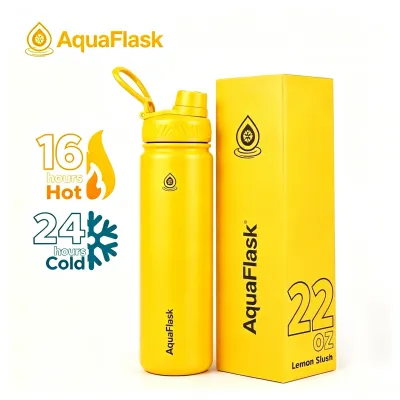
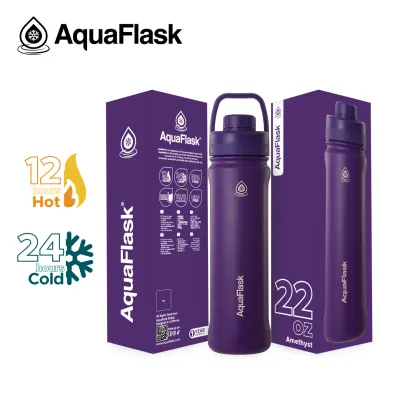
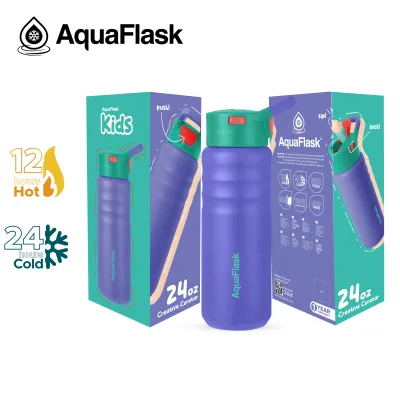
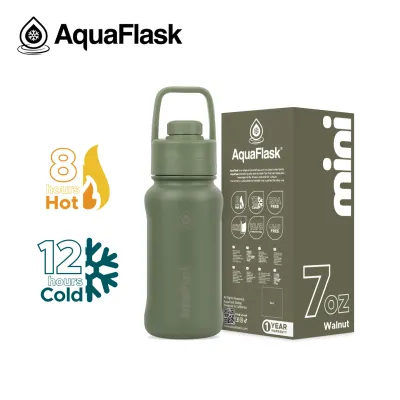
Prices are valid at publication and may change. Please refer to the product page for the latest price.
The Risks of Buying Counterfeit Insulated Bottles
Counterfeit drinkware bypasses strict quality control and food safety standards. While genuine manufacturers use high-quality, food-grade 18/8 stainless steel to prevent rust and chemical leaching, counterfeiters often substitute industrial-grade metals. These cheaper materials can leach heavy metals or metallic tastes into your drinking water, especially when exposed to acidic beverages like juices or hot liquids.
Before using any insulated bottle, check the manufacturer’s care instructions to ensure it is rated for your intended beverage temperature. Genuine bottles are designed to handle both boiling water and ice-cold drinks safely. Counterfeits, however, may degrade rapidly when exposed to extreme temperatures, compromising their structural integrity.
Another critical concern lies in the plastic and silicone components. Genuine lids and straws are certified BPA-free to prevent harmful endocrine-disrupting chemicals from entering your body. Fake bottles frequently utilize cheap, non-food-grade plastics that emit strong chemical odors and can degrade rapidly under the intense heat of a tropical day.
Thermal performance is also heavily compromised. Authentic bottles rely on a double-wall vacuum insulation barrier to keep drinks cold for up to 24 hours. Counterfeits often lack a true vacuum, resulting in rapid temperature loss and external condensation that can ruin other gear in your bag.
Lastly, buying a fake means forfeiting any manufacturer warranty or customer support. If a genuine bottle develops a rare manufacturing defect, the brand typically offers recourse. With a counterfeit, you have no consumer protection, resulting in a complete loss of your hard-earned money.
How to Tell a Real Aquaflask From a Fake
To protect yourself from counterfeit products, perform a thorough visual and physical inspection before or immediately after purchase. Authentic bottles display a level of craftsmanship and attention to detail that counterfeit operations cannot easily replicate.

Inspecting the Packaging and Accessories
Examine the retail packaging carefully before unboxing. Genuine packaging features high-resolution printing with sharp text, accurate color reproduction, and clean alignment. Counterfeit boxes often display blurry text, pixelated graphics, or noticeable spelling and grammatical errors on the back panels.
Inspect the barcode and SKU labels. Authentic products have clear, professionally printed stickers that accurately match the bottle’s specific color, volume (such as 22oz, 32oz, or 40oz), and lid style. Fake bottles often use generic, poorly printed barcodes that do not match the physical product inside the box.
Look for the official care cards, warning tags, and branded stickers included inside the bottle. Genuine inserts are printed on thick, high-quality cardstock with precise branding. Counterfeits might omit these accessories entirely or include flimsy, poorly cut paper slips with faded ink.
Checking Build Quality, Logo, and Finish
Run your hand over the exterior of the bottle to evaluate the powder-coat finish. An authentic bottle features a durable, even, and slip-resistant powder coating that resists scratches and chipping during outdoor activities. Counterfeit finishes often feel excessively smooth, sticky, or uneven, with visible paint runs, bubbling, or areas that scratch off with minimal pressure.
Examine the branding and logo placement. The genuine logo is laser-engraved or printed with extreme precision, showing crisp edges and perfect vertical alignment. Fake bottles often feature slightly distorted fonts, uneven spacing between letters, or misaligned logos that sit crookedly on the bottle’s face.
Test the lid threading and the silicone seal. Screw the lid on and off several times to check the smoothness of the threads. Genuine lids glide smoothly and tighten securely with minimal resistance, forming an airtight, leak-proof seal. Counterfeit lids often feel gritty when turned, require excessive force to tighten, or fail to align correctly, leading to persistent leaks.
Compare the physical weight of the empty bottle. Genuine double-wall stainless steel bottles have a distinct heft due to the thickness of the steel walls required to maintain a vacuum. Counterfeits are typically constructed from thinner, cheaper metal sheets, making them feel unusually light, fragile, or unbalanced when held.
Select a bottle size and lid style that matches your specific activity. For example, a heavy 40oz bottle with a wide-mouth lid is ideal for stationary camp use but impractical for running. Ensure your genuine bottle’s carrying method—whether a silicone boot, paracord handle, or backpack side pocket—fits your gear setup securely.
Verifying Base Markings and Thermal Performance
Flip the bottle over to inspect the base markings. Authentic bottles feature clean, laser-engraved text detailing the brand name, capacity, and a unique batch code or manufacturing mark. Counterfeiters often print these details using cheap ink that can be easily scratched or rubbed off with a fingernail, or they may omit the batch codes entirely.
Perform the “sweat test” to verify the presence of a true vacuum insulation barrier. Fill the bottle with ice-cold water, seal the lid tightly, and let it sit on a table in a humid environment for 10 to 15 minutes.
Observe the outer surface of the bottle. A genuine vacuum-insulated bottle will remain completely dry and cool to the touch, as the internal vacuum prevents heat transfer. If the outer walls feel freezing cold or develop a layer of condensation (sweating), the bottle lacks a functional vacuum seal and is a counterfeit.
Remember that while the sweat test is a reliable indicator of insulation integrity, it should always be paired with visual and tactile inspections. Some high-end counterfeits may temporarily hold temperature better than lower-grade fakes, but they still lack the material safety and long-term durability of a genuine product.
Official Verification Methods and Seller Checks
Modern authentic bottles often come equipped with official security features to combat counterfeits. Look for a scratch-off authenticity label or a unique QR code on the packaging or the product tag. Scanning this code with your smartphone should direct you to the brand’s official verification portal, where the unique serial number is validated in real time.
If your packaging does not feature a scannable security label, you can still verify legitimacy by contacting official customer support. Provide them with clear photographs of the bottle’s base markings, the batch code, and the purchase receipt. The customer service team can cross-reference these details with their manufacturing database to confirm authenticity.
Before making a purchase online, verify the seller’s authorization status. Authentic distributors and authorized physical retail partners are often listed on the brand’s official website. Cross-reference the seller’s business name with this list to ensure they are an authorized dealer.
Keep in mind that while physical checks and DIY tests are highly effective, they are not completely foolproof. Counterfeiters constantly update their manufacturing methods to mimic visual details. Relying on official verification channels and buying from authorized sources remains the most secure way to guarantee you are receiving a genuine product.
Safe Purchasing Channels to Avoid Fakes
To completely eliminate the risk of purchasing a counterfeit, always buy directly from official brand channels. These include the brand’s official website, dedicated physical kiosks in major shopping malls, and authorized department stores across the Philippines. Buying from these locations ensures you receive a genuine product backed by a full manufacturer warranty.
When shopping on major e-commerce platforms, look for verified flagship stores. These stores carry official verification badges and are directly managed by the brand or its authorized distributors. Avoid buying from unverified third-party sellers who cannot provide proof of authorization.
Be highly skeptical of listings featuring unusually low prices. Genuine insulated bottles require high-quality materials and precise manufacturing, which dictates their retail pricing. If a listing offers a bottle at 50% to 70% off the standard retail price (often priced around ₱300 to ₱500 instead of the usual ₱1,000+ range), it is almost certainly a counterfeit.
Watch out for red flags in online listings, such as claims of “factory overruns,” “direct from OEM factory,” or “original equipment manufacturer.” Genuine brands do not sell factory rejects or overruns to the public. Additionally, avoid sellers who rely solely on stock photos instead of providing high-resolution, real-life images of the actual inventory they are selling.
Steps to Take If You Bought a Fake Aquaflask
If you perform these checks and realize your bottle is a counterfeit, immediately stop using it for drinking. Because counterfeit bottles lack food-grade certifications, using them poses a risk of chemical leaching, especially when filled with hot coffee, tea, or acidic beverages. Your health and safety should always take priority over trying to salvage a bad purchase.
Document all the discrepancies between your item and a genuine bottle. Take clear, well-lit photographs of the blurry packaging text, misaligned logos, poorly printed base markings, and the condensation buildup from your sweat test. Having solid visual evidence is crucial for the next steps.
Initiate a return or refund request through the buyer protection program of the e-commerce platform where you made the purchase. Upload your documented photos and clearly state that the seller sent a counterfeit item. Most major platforms in the Philippines have strict anti-counterfeiting policies and will refund your money if you provide clear proof of fraud.
Finally, report the fraudulent listing and the seller’s account to the e-commerce platform’s customer support. By reporting these listings, you help clean up online marketplaces and protect other consumers in the Philippines from falling victim to the same deceptive practices.
Frequently Asked Questions (FAQ)
Can a fake insulated bottle keep water cold?
While some counterfeit bottles can keep water slightly cool for a short period due to their basic double-wall metal construction, they lack the high-vacuum seal required for true thermal insulation. The air left between the walls allows heat to transfer rapidly, meaning your ice will melt quickly and your cold drinks will reach room temperature within a few hours.
Is it safe to drink from a counterfeit stainless steel bottle?
Drinking from a counterfeit bottle is not recommended due to serious material safety concerns. Fake bottles are often manufactured using low-grade, non-food-safe metals that can rust easily and leach heavy metals into your beverages. Furthermore, the plastic lids and silicone seals on counterfeit products rarely undergo BPA-free testing, increasing the risk of chemical contamination.
Community discussion
Share your experience or ask a question. Comments are reviewed before publication.