
Spotting a genuine Aquaflask in the Philippines requires looking beyond the exterior paint and logo. To verify authenticity, you must inspect the bottom engravings, test the texture of the powder-coat finish, examine the retail packaging, and attempt to register the product’s unique serial number on the official warranty portal.
In a tropical country where daily temperatures and high humidity make constant hydration essential, carrying a high-quality insulated water bottle is a practical necessity. The surge in popularity of these bottles has unfortunately led to a massive influx of counterfeit products in local online marketplaces, social media groups, and physical stalls.
Understanding how to distinguish a genuine bottle from a counterfeit copy ensures you get the thermal performance you paid for. More importantly, it protects you from the hidden health and safety risks associated with unverified materials.
Products mentioned in this guide
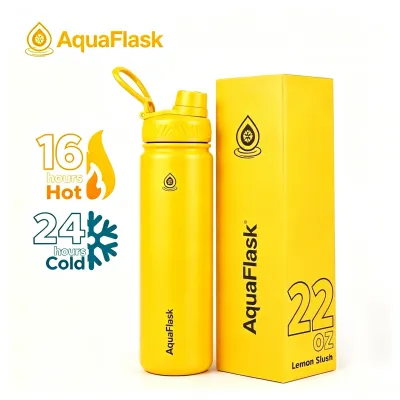
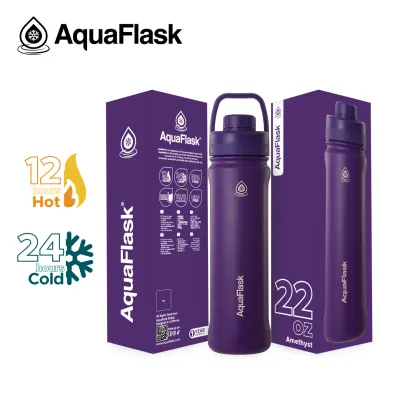
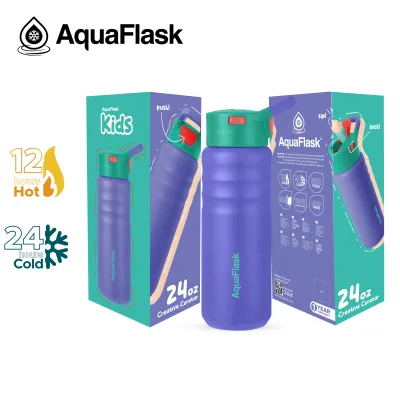
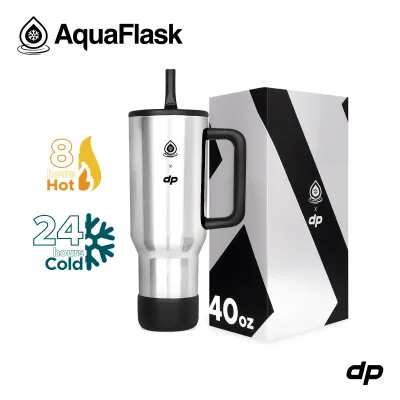
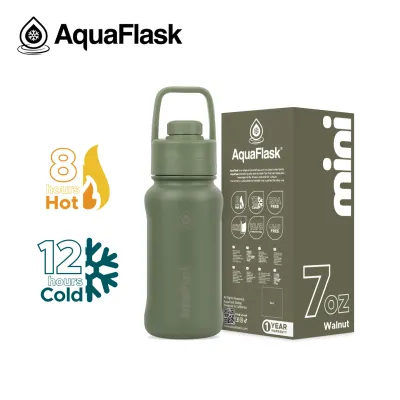
Prices are valid at publication and may change. Please refer to the product page for the latest price.
Why Counterfeit Aquaflasks Are a Concern
Counterfeit drinkware is a widespread issue across major e-commerce platforms and social media marketplaces in the Philippines. Unauthorized sellers often use stolen official product images to advertise their goods, making it nearly impossible to spot a fake online until the package arrives at your doorstep.
Using an unverified, counterfeit insulated bottle introduces several functional and safety risks. Genuine bottles rely on high-grade vacuum insulation to keep beverages cold for up to 24 hours, whereas fakes often have compromised vacuum seals, leaving your water warm within a few hours of exposure to the tropical heat.
Beyond poor insulation, counterfeit manufacturers do not adhere to food-grade material standards or strict factory quality control. This means the interior steel, the lid plastics, and the silicone seals may contain harmful chemical additives, heavy metals, or lead solder, which can leach into your drinking water over time.
Furthermore, poorly designed lids on fake bottles are prone to leaking, which can ruin your gym gear, electronics, or work documents inside your bag. Visual similarity on a screen does not guarantee thermal retention, long-term durability, or chemical safety.
Key Differences: Genuine vs. Fake Aquaflask
When you receive your bottle or inspect one at a physical store, a systematic physical evaluation is your best line of defense. Counterfeiters focus heavily on mimicking the overall look of the bottle but consistently cut corners on packaging, finishing, and precise branding elements to minimize production costs.

Relying on a single visual cue, such as the color of the bottle, is not enough to confirm authenticity, as counterfeiters have become highly skilled at replicating popular colorways. Instead, you should carefully examine multiple physical attributes, including the packaging, the texture of the finish, the weight, and the details of the engravings.
Packaging and Accessories
The retail box is often the first indicator of a product’s true origin. Genuine Aquaflask bottles are packaged in sturdy, high-quality cardboard boxes featuring crisp, high-definition printing, correct brand colors, and sharp, legible text.
Examine the box closely for any spelling mistakes, blurred fonts, or misaligned graphics, which are classic hallmarks of cheap printing presses used by counterfeiters. The cardboard on a fake box often feels thin, flimsy, and easily crushed during transit.
Inside the box, check the included accessories and documentation. Genuine bottles come with official care instruction cards, specific straw designs or lid options that match the official product description, and neatly molded silicone parts.
If your bottle arrives in a generic, unbranded brown box or is simply wrapped in flimsy, unbranded plastic heat-wrap with no supporting documentation, it is highly likely to be a counterfeit product.
Build Quality, Materials, and Finish
The tactile feel of the bottle can immediately reveal its quality. Genuine Aquaflask bottles feature a signature powder-coated finish that provides a durable, slightly textured grip designed to prevent slipping, even when your hands are sweaty or wet from high humidity.
In contrast, counterfeit bottles often have an exterior paint job that feels overly smooth, slick, or slightly sticky. This low-quality paint is highly prone to chipping, scratching, or peeling off with minimal fingernail pressure or after a single wash.
Weight and balance are also critical indicators. Genuine insulated bottles are constructed from premium 18/8 food-grade stainless steel, which has a distinct weight and structural rigidity.
Counterfeit bottles are frequently manufactured using thinner, lower-grade steel to save on material costs, making them feel noticeably lighter and more susceptible to denting when dropped. If the empty bottle feels unusually light or thin when you squeeze the sides, exercise caution.
Additionally, inspect the lid mechanism, threading, and silicone seals. The lid of a genuine bottle should screw on smoothly without catching, creating a perfect, airtight seal. Fake lids often have rough plastic threading, misaligned silicone gaskets, and a strong, unpleasant chemical or industrial plastic odor that does not go away after washing.
Logos, Engravings, and Bottom Markings
Branding details require high-precision machinery to execute perfectly, making them incredibly difficult for counterfeiters to replicate without flaws. Start by examining the main logo on the side of the bottle, checking for precise alignment, correct font spacing, and clean, sharp edges.
On a genuine bottle, the logo is cleanly laser-etched or printed with absolute precision, showing no signs of bleeding, smudging, or crooked placement. Fake logos often feature slightly altered fonts, incorrect line thicknesses, or off-center positioning.
Next, turn the bottle upside down to inspect the bottom markings. Official Aquaflask bottles feature deeply and clearly etched markings on the base, which typically include the brand name, liquid capacity indicators (such as ounces and milliliters), and specific manufacturing or batch codes.
These bottom markings on a genuine bottle are crisp, uniform, and physically engraved into the metal, meaning they cannot be easily scratched off. Counterfeit bottles often have shallow, blurry, or superficially printed markings that smudge easily or are completely missing key details like capacity specifications.
How to Verify Authenticity Before and After Purchase
Protecting yourself from scams requires a combination of smart pre-purchase research and systematic post-purchase verification. Before hitting the checkout button, you can take several steps to minimize your risk.
Pre-purchase checks: Always cross-reference the seller’s product photos, color options, and size descriptions with the official Aquaflask website or verified social media channels. Counterfeiters often invent non-existent color combinations, custom patterns, or sizes that the brand has never officially produced or released.
Warranty and Registration: The most definitive way to verify your bottle’s authenticity after purchase is through the official warranty registration process. Genuine Aquaflask products come with a unique serial or batch number that can be registered on the brand’s official online portal.
If you input your bottle’s serial number and the system rejects it as invalid, or if it alerts you that the number has already been registered multiple times by other users, you have likely purchased a counterfeit.
QR Codes and Security Features: Many modern insulated bottles feature authenticity QR codes or security holograms on the packaging or hangtags. When scanning these codes, do not simply trust a “Verified” landing page blindly.
Sophisticated counterfeiters sometimes clone QR codes and host them on fake, lookalike verification websites. Always double-check the URL domain in your mobile browser’s address bar to ensure it matches the official, secure domain of the brand.
Receipt and Documentation: Ensure you secure and keep an official receipt or a valid digital invoice from your purchase. Authorized retailers and official online flagship stores always provide structured, official documentation, which is strictly required to claim warranty services or replacements in the future.
Where to Buy Genuine Aquaflasks in the Philippines
The absolute safest way to avoid counterfeit products is to purchase exclusively from authorized distribution channels. In the Philippines, this means visiting official physical kiosks located inside major shopping malls, ordering directly from the official Aquaflask website, or purchasing from verified flagship stores on major online e-commerce platforms.
Be extremely skeptical of third-party online listings that use buzzwords like “factory overruns,” “OEM stocks,” “unbranded factory seconds,” or “direct from warehouse.” These are common, deceptive marketing terms used by unauthorized sellers to explain away cheap, counterfeit merchandise.
Genuine brands maintain strict quality control and do not allow defective or “overrun” products to be sold through backchannels to the public. If a listing claims to sell authentic bottles at a fraction of the standard retail price—such as a 32 oz bottle for only ₱300 when the official retail price is around ₱1,000—it is almost certainly a fake.
Before purchasing from any online seller outside of official flagship stores, take the time to evaluate their profile. Read through the customer reviews, specifically filtering for one-star ratings.
Look for repeated complaints mentioning “no cold retention,” “leaky lids,” “smells like plastic,” “no warranty card,” or explicit accusations of selling fake items. Additionally, verify the seller’s return and refund policy to ensure you have a clear path of recourse if the product arrives and fails your physical inspection.
What to Do If You Receive a Counterfeit Product
If you open your package and suspect that you have received a counterfeit bottle, act quickly to protect your consumer rights and secure a refund. Do not use the bottle for drinking, as this can complicate the return process and expose you to unverified materials.
First, document the unboxing process and the specific physical discrepancies you have identified. Take clear, high-resolution photographs and videos of the packaging, the blurry logos, any shallow or missing bottom markings, and any obvious manufacturing flaws like misaligned seals or chipped paint.
Next, immediately initiate a formal return and refund request through the e-commerce platform’s buyer protection system. Select “counterfeit item” or “item not as described” as your primary reason for the return, and upload your documented photo and video evidence to support your claim.
Do not agree to settle the dispute privately with the seller outside of the official e-commerce platform, as this deprives you of platform protection and payment escrow safety. Once the platform approves your claim, follow their instructions to ship the item back or receive your refund.
Finally, report the fraudulent listing and the seller’s shop to the platform’s customer support team. Reporting these listings helps clean up online marketplaces, making it harder for counterfeiters to scam other buyers in the Philippines.
Frequently Asked Questions (FAQ)
Does a genuine Aquaflask keep ice frozen for the advertised hours?
While poor thermal retention is a very strong indicator of a counterfeit bottle, you should not rely on temperature testing as your sole proof of authenticity. Some counterfeit bottles utilize basic, low-cost double-wall construction that can still hold cold temperatures for a few hours, mimicking real performance in the short term.
To accurately assess your bottle, you must combine thermal observation with a thorough inspection of the bottom engravings, the powder-coat texture, the weight, and the registration of the serial number on the official warranty portal.
Can I safely drink from a fake Aquaflask?
It is highly recommended to stop using any insulated bottle if you suspect it is a counterfeit. Counterfeit manufacturers do not follow food-grade material standards, meaning their products are not certified free from harmful substances like BPA, lead, or toxic chemical residues.
Without official quality control, there is a serious risk of chemical leaching into your beverages, especially when exposed to acidic drinks or high temperatures. Prioritize your health and safety by using only verified, food-grade drinkware.
Community discussion
Share your experience or ask a question. Comments are reviewed before publication.