
Buying an insulated water bottle is a practical investment in the Philippines, where staying hydrated in the tropical heat is a daily necessity. The Aquaflask Colorwave collection, known for its vibrant multi-toned gradients, has become a popular accessory for students, professionals, and outdoor enthusiasts alike. However, this popularity has also made it a prime target for counterfeiters who flood online marketplaces and street vendors with cheap imitations.
Verifying the authenticity of your insulated flask is crucial before you take your first sip. While a counterfeit bottle might look similar to the genuine article at a passing glance, it rarely performs the same way and can even pose serious health risks. Knowing how to distinguish a genuine Aquaflask Colorwave from a fake ensures you get the thermal performance you paid for while protecting your health.
Why Authenticity Matters for Your Aquaflask Colorwave
The primary appeal of a genuine Aquaflask is its ability to keep drinks cold for up to 24 hours or hot for up to 12 hours. This temperature retention relies on double-wall vacuum insulation, a manufacturing process that requires precise engineering to remove the air between the inner and outer walls. Counterfeit manufacturers often skip this vacuum-sealing process entirely or use poor sealing methods, resulting in a bottle that fails to maintain temperatures, causing ice to melt rapidly in warm tropical climates.
Products mentioned in this guide
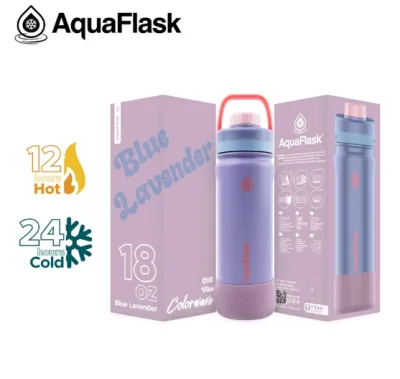
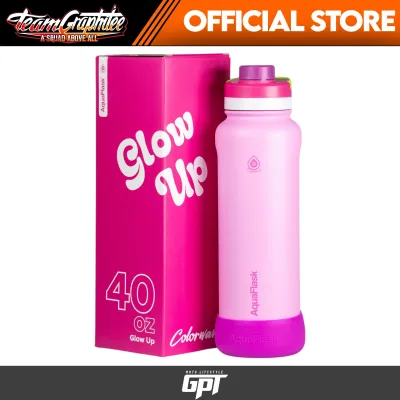
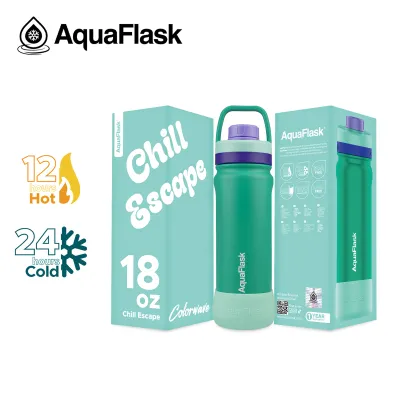
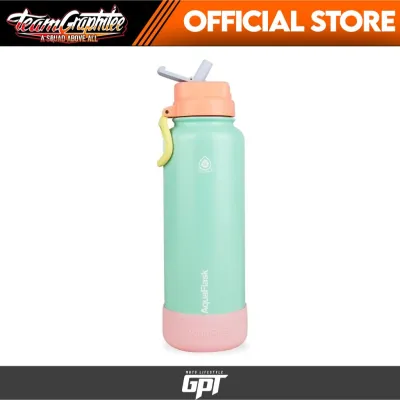
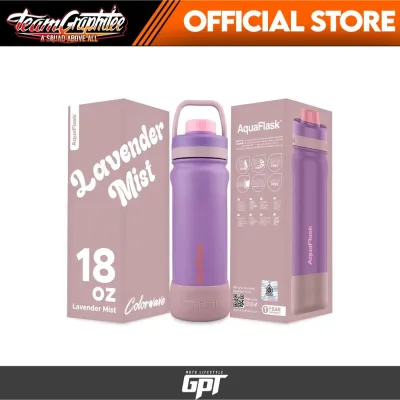
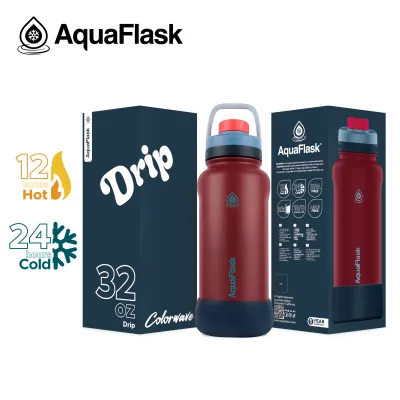
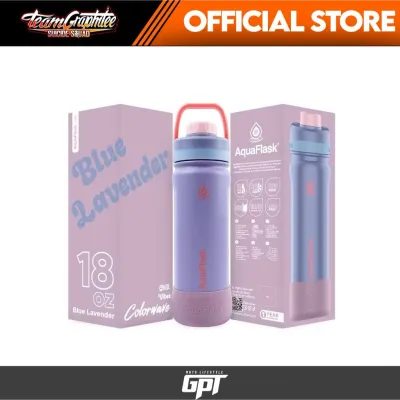
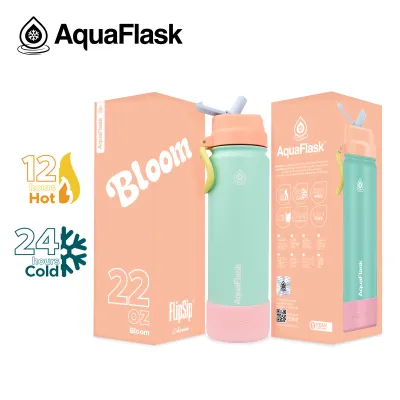
Prices are valid at publication and may change. Please refer to the product page for the latest price.
Beyond poor insulation performance, material safety is a significant concern when dealing with counterfeit drinkware. Genuine Aquaflask bottles are constructed from food-grade 18/8 stainless steel, which is highly resistant to corrosion, rust, and chemical leaching. In contrast, counterfeiters frequently utilize substandard, industrial-grade metals that are prone to rusting when exposed to acidic beverages or moisture. These low-quality metals can leach harmful heavy metals into your drinking water over time.
Furthermore, the plastics and silicone seals used in genuine products are certified BPA-free to ensure they do not release harmful endocrine disruptors into your beverages. Counterfeit bottles often use cheap, chemical-heavy plastics and industrial adhesives that emit strong chemical odors. Using these unverified materials for daily hydration exposes you to unnecessary chemical risks, making authenticity a matter of personal safety.
Key Visual and Physical Signs of a Genuine Aquaflask Colorwave
Spotting a counterfeit Aquaflask Colorwave requires a close, methodical inspection of the bottle’s physical components. Genuine manufacturing processes adhere to strict quality control standards, leaving behind distinct markers of quality that counterfeiters struggle to replicate. By examining the packaging, the finish of the Colorwave gradient, and the functional mechanics of the lid, you can easily determine if a bottle is authentic.

Packaging and Labeling Details
Before even opening the box, the packaging provides immediate clues about the bottle’s origin. Authentic Aquaflask packaging features thick, sturdy cardboard with high-resolution printing, crisp typography, and accurate brand logos. The colors on the box should be vibrant and aligned correctly, without any blurry text, color bleeding, or pixelated graphics that suggest a cheap reprint.
Examine the labels and barcodes attached to the packaging. Genuine boxes include a clear, professionally printed SKU label or barcode that matches the specific Colorwave model, size, and colorway inside. The packaging will also display detailed care instructions, material specifications—such as the explicit use of 18/8 food-grade stainless steel—and official brand contact information. Counterfeit boxes often lack these specific details, use generic barcodes, or contain obvious spelling and grammatical errors in the printed text.
Build Quality, Finish, and the Colorwave Pattern
The defining feature of the Colorwave series is its seamless, multi-colored gradient. On a genuine Aquaflask Colorwave, the transition between the colors is smooth, soft, and perfectly blended, achieved through a premium powder-coating process. This powder coat gives the bottle a distinct, slightly textured grip that is highly durable and resistant to sweat and minor scratches.
Counterfeit versions often feature a cheap, painted finish rather than a true powder coating. This results in a smooth, glossy, or overly slippery texture that easily scratches, chips, or peels off under normal use. Inspect the gradient transition closely: on a fake bottle, you may notice harsh lines where the colors meet, uneven paint thickness, or a pixelated pattern that indicates the design was cheaply printed onto the metal rather than professionally coated.
Additionally, check the alignment and crispness of the engraved or printed Aquaflask logo on the bottle’s body. Genuine logos are perfectly centered, sharp, and cleanly executed. Counterfeits often have slightly crooked logos, uneven font weights, or logos that feel rough and poorly finished to the touch.
Lid, Straw, and Seal Mechanisms
The lid and sealing mechanisms are highly complex components that counterfeiters rarely replicate successfully. Start by twisting the lid onto the bottle to test the threading. A genuine lid will glide smoothly along the threads and lock securely into place with minimal effort. If the lid feels tight, squeaks loudly, or twists unevenly, the threading is likely poorly molded, which is a common trait of counterfeit bottles.
Next, inspect the silicone seals inside the lid. Genuine seals are made from high-grade, flexible, and odorless silicone that fits snugly within its designated groove to prevent leaks. Counterfeit seals are often made of stiff, low-quality rubber that may have a strong chemical smell, fit loosely, or fall out easily when the lid is removed.
If your Colorwave model includes a straw lid, test the flip mechanism. The spout should operate smoothly and click firmly into both the open and closed positions. When closed, it should create a tight seal that prevents water from leaking when the bottle is inverted. Flimsy plastic joints, a loose spout, or persistent leaking are clear signs of a counterfeit lid.
Common Red Flags in Counterfeit Aquaflask Bottles
When shopping online or browsing local physical markets, keeping an eye out for specific manufacturing defects and retail anomalies can save you from purchasing a fake. Counterfeiters prioritize high-volume production over quality control, leading to consistent flaws across their product lines.
- Spelling Errors and Typographical Glitches: Look closely at the brand name on the bottle, lid, and packaging. Fakes often feature subtle misspellings, incorrect letter spacing (such as "Aqua Flask" instead of the unified "Aquaflask"), or the use of incorrect font styles that deviate from the official brand guidelines.
- Unusual Internal Odors: Open the bottle and take a sniff. A genuine, clean stainless steel bottle should have virtually no smell. If the interior emits a strong metallic, chemical, or plastic odor, it indicates the use of low-grade materials and industrial chemical residues.
- Uneven Weight and Balance: Genuine vacuum-insulated bottles have a balanced weight due to the uniform thickness of the double-wall steel. If the bottle feels unusually light, top-heavy, or bottom-heavy, it may indicate a single-wall construction or uneven metal casting.
- Poor Thermal Isolation: Fill the bottle with ice-cold water. The exterior of a genuine vacuum-insulated bottle should remain at room temperature and should not sweat or form condensation. If the outside of the bottle feels cold to the touch or develops condensation, the vacuum seal is broken or non-existent.
- Suspiciously Low Prices: The standard retail price for a genuine Aquaflask Colorwave in the Philippines typically ranges from ₱650 to ₱1,200, depending on the volume (e.g., 22oz, 32oz, or 40oz). If an online seller or physical vendor is offering a brand-new Colorwave for ₱150 to ₱300, it is almost certainly a counterfeit product.
How to Verify Your Aquaflask Through Official Channels
If you have purchased a bottle and remain unsure of its authenticity, utilizing official brand verification methods is the most reliable way to confirm its status. Aquaflask implements specific security measures on their products to help consumers verify their purchases directly, bypassing the need for unreliable third-party authentication guides.
Check your product packaging for official security markers, such as holographic stickers, unique QR codes, or scratch-off serial numbers. Genuine bottles often come with a warranty card or a verification code that you can input directly into the official Aquaflask website. Scanning the QR code should direct you to the official domain of the brand, rather than a generic or suspicious-looking URL.
If your bottle does not have a verification sticker, or if you want absolute certainty, you can contact Aquaflask’s official customer support team. Prepare clear, well-lit photos of the bottle’s exterior, the logo, the bottom engraving, the interior chamber, the lid construction, and the packaging. Providing a copy of your receipt or a screenshot of your online purchase history will allow their support representatives to quickly verify if the seller is an authorized distributor.
Where to Buy Genuine Aquaflask Products in the Philippines
The easiest way to avoid the risk of purchasing a counterfeit Aquaflask Colorwave is to buy exclusively from authorized retail channels. While unauthorized online sellers may offer enticing discounts, the risk of receiving a substandard, potentially hazardous product is not worth the minor savings.
When shopping in person, visit official Aquaflask kiosks, concept stores, or authorized lifestyle and sports retailers located inside major Philippine shopping malls, such as SM Supermalls, Robinsons Malls, and Ayala Malls. Purchasing directly from these physical locations guarantees authenticity and ensures your purchase is covered by the brand’s official warranty.
If you prefer the convenience of online shopping, stick to official digital storefronts. Buy directly from the official Aquaflask website or their verified flagship stores on major e-commerce platforms. When browsing online marketplaces, always look for the official store badge, check that the seller’s name matches the official brand account, and read through customer reviews to verify that previous buyers received authentic packaging and products.
What to Do If You Suspect You Bought a Fake
If you perform these checks and conclude that your Aquaflask Colorwave is a counterfeit, you must take immediate action to protect both your health and your consumer rights. First, stop using the bottle immediately for drinking. Because counterfeit bottles do not undergo strict food-safety testing, continued use exposes you to potential chemical contaminants and heavy metals.
Next, gather all evidence related to the purchase. Take clear photos of the fake bottle’s defects, the packaging, and any areas where it deviates from a genuine product. Keep a record of your official receipt, the online order confirmation, and any chat logs or communications you had with the seller regarding the product’s authenticity.
Once your evidence is ready, file a dispute or return request through the e-commerce platform’s buyer protection program or contact the physical store where you made the purchase. Clearly state that the item received is a counterfeit, upload your photographic evidence, and request a full refund. Finally, report the seller’s account or store page to the platform administrators to help prevent other buyers in the Philippines from falling victim to the same counterfeit scheme.
Frequently Asked Questions (FAQ)
Can a fake Aquaflask still keep drinks cold?
While some counterfeit bottles feature basic double-wall construction that offers minimal insulation, they typically lack the true vacuum seal found in genuine Aquaflask products. Without this vacuum barrier, heat transfers quickly through the walls of the bottle. In the hot and humid Philippine climate, ice inside a counterfeit bottle will melt rapidly, and cold drinks will warm up to room temperature within a few hours, failing to match the 24-hour cold retention of an authentic flask.
Is it safe to drink from a counterfeit stainless steel bottle?
No, drinking from a counterfeit stainless steel bottle is not recommended due to serious material safety risks. Counterfeit manufacturers often use cheap, non-food-grade metals that can rust easily and may contain high levels of lead or other heavy metals. Additionally, the plastic lids and silicone seals on fake bottles are rarely certified BPA-free, meaning they can leach harmful chemicals into your water, especially when exposed to heat or acidic beverages. Always prioritize your health by using verified, food-grade 18/8 stainless steel drinkware.
Community discussion
Share your experience or ask a question. Comments are reviewed before publication.