
Staying hydrated in the tropical heat of the Philippines requires a reliable insulated water bottle that can keep water cold for hours. Aquaflask has become a staple for commuters, athletes, and students alike, but its popularity has also made it a prime target for counterfeiters. Spotting a fake Aquaflask requires a systematic approach: you must inspect the physical build quality, verify official security features, and purchase only from authorized retail channels. By understanding what to look for, you can protect your health and ensure your investment performs as expected.
Why Authenticity Matters for Insulated Drinkware
Using a counterfeit insulated bottle is not just a matter of aesthetic disappointment; it presents real functional and safety concerns. Genuine insulated bottles are manufactured using food-grade stainless steel, typically 18/8 (304) stainless steel, which resists rust and prevents metallic tastes from leaching into your beverage. Counterfeit manufacturers often use lower-grade metals that can corrode quickly when exposed to acidic drinks or humid tropical air, potentially exposing you to harmful chemical residues.
Furthermore, the sealing components in fake bottles may use cheap, non-food-grade silicone or plastics. These materials can degrade rapidly under heat or regular washing, releasing chemical compounds into your drinking water. In contrast, authentic products undergo strict quality control to ensure all materials in contact with your beverage are non-toxic and BPA-free.
Products mentioned in this guide
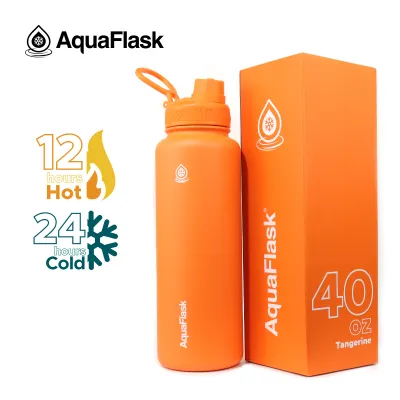
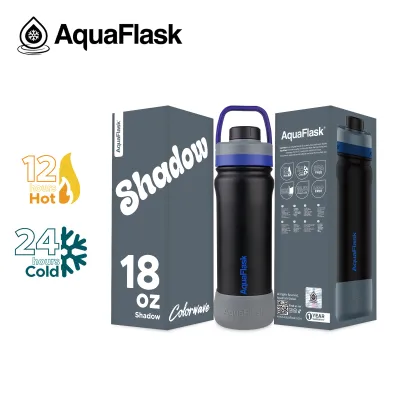
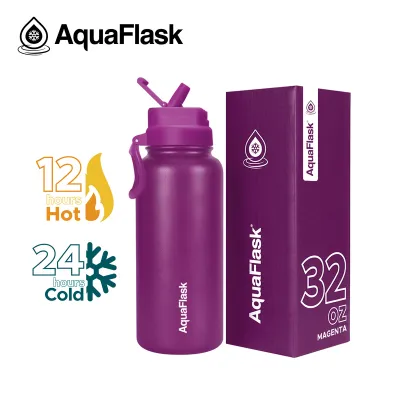
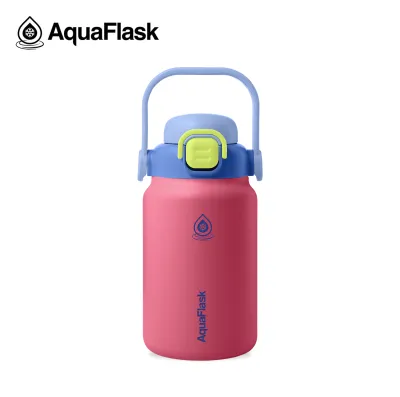
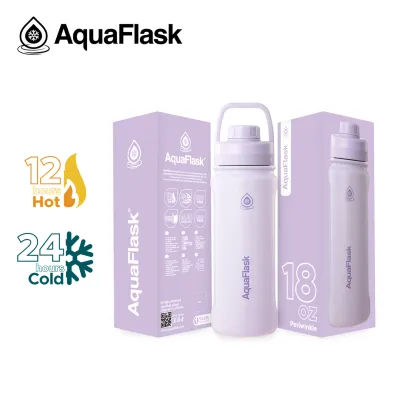
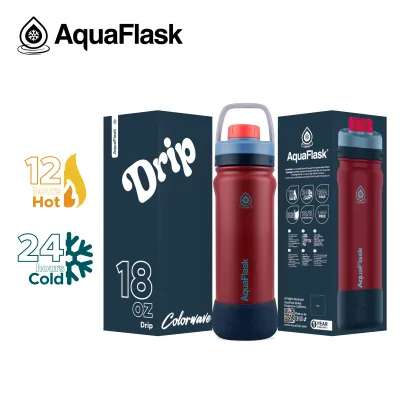
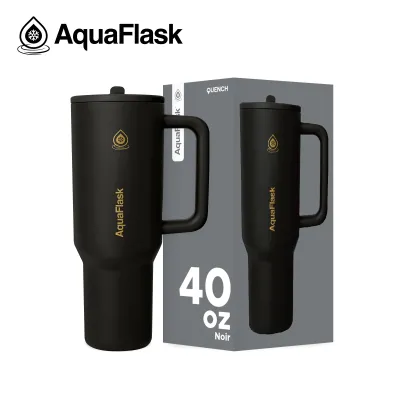
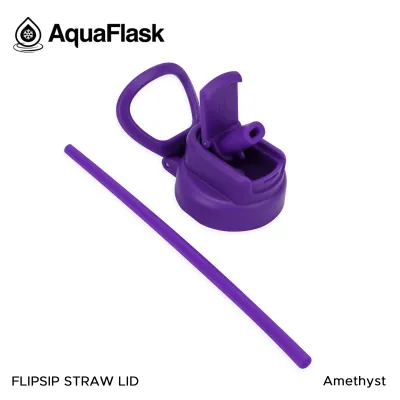
Prices are valid at publication and may change. Please refer to the product page for the latest price.
From a performance standpoint, a counterfeit bottle often fails to maintain its temperature. Genuine flasks utilize a double-wall vacuum insulation design where air is completely evacuated from the space between the walls. Fake bottles frequently lack a true vacuum seal or suffer from manufacturing defects that allow heat transfer, leaving you with lukewarm water during a hot afternoon.
Finally, buying a counterfeit means forfeiting any form of customer support. Authentic manufacturers offer warranties against manufacturing defects, such as a sudden loss of insulation. If your counterfeit bottle fails, leaks, or rusts, you have no recourse, turning a supposedly cheap purchase into a complete waste of money.
Visual and Physical Checks for a Genuine Aquaflask
Before using a new bottle, a close physical inspection can reveal several telltale signs of a counterfeit. Start by examining the logo and branding printed on the bottle. On a genuine Aquaflask, the logo is crisp, perfectly aligned, and etched or printed with high-precision machinery. If you notice blurry edges, uneven spacing, or letters that easily scratch off with a fingernail, the product is highly likely to be a fake.

Next, feel the overall build quality and construction of the bottle. Authentic flasks feature a seamless body with smooth, consistent powder coating that provides a secure grip even when your hands are sweaty from the humid weather. Inspect the weld lines inside the bottle; a genuine flask will have a clean, barely visible seam, whereas counterfeits often show rough, dark, or uneven welding joints that are prone to rusting.
The lid and threading are also critical indicators of authenticity. Screw the lid on and off several times to check the smoothness of the threads. A genuine lid should glide easily and form a tight, leak-proof seal without requiring excessive force. Examine the silicone gasket inside the lid; it should be thick, flexible, perfectly fitted, and free from chemical odors.
Weight and balance can also expose a counterfeit. Because genuine flasks use high-quality, dense stainless steel and robust double-wall construction, they have a distinct heft even when empty. If the bottle feels unusually light, thin-walled, or easily dents when light pressure is applied, it likely lacks the structural integrity of an authentic product.
Do not overlook the packaging and accessories. Genuine bottles are packaged in sturdy, high-quality boxes with sharp, high-resolution printing and accurate color reproduction. Counterfeit boxes often use thin, flimsy cardboard, display pixelated graphics, or contain spelling errors in the user manual and warranty insert.
Verifying Through Official Documentation and Features
While physical checks are helpful, verifying official security features provides the most reliable proof of authenticity. Genuine Aquaflask products sold in the Philippines often come with specific security labels, holograms, or scratch-off QR codes on the packaging. These features are designed to be difficult and expensive for counterfeiters to replicate accurately.
To verify these features, locate the serial number or batch code, which is typically printed on the bottom of the bottle or on the packaging. You can cross-reference these codes through the official Aquaflask website or authorized verification portals. If the code has already been registered multiple times or does not exist in the database, the bottle is a counterfeit.
The warranty card included in the box is another vital piece of documentation. Check the layout, font, and contact information on the card. Authentic warranty cards feature professional formatting, clear instructions on how to claim service, and often require an authorized dealer’s stamp or a valid proof of purchase from an official retailer.
Relying solely on a visual check can be risky, as counterfeiters constantly improve their manufacturing methods to mimic the look of genuine bottles. Combining physical inspections with official digital verification is the most secure way to confirm that your insulated drinkware is safe and authentic.
Choosing Safe Purchase Channels
The most effective way to avoid counterfeit products is to control where you shop. In the Philippines, the safest option is to purchase directly from official Aquaflask physical stores, authorized department store counters, or verified kiosks in major shopping malls. Buying in person allows you to inspect the bottle’s weight, finish, and seals before handing over your money.
When shopping online, stick to official brand stores or authorized distributors on major e-commerce platforms. Look for official verification badges, such as ‘Mall’ or ‘Preferred’ tags, which indicate that the seller’s business registration and authenticity have been vetted by the platform. Avoid third-party sellers who cannot provide proof of authorization.
Be highly suspicious of prices that seem too good to be true. If a standard Aquaflask typically retails for around ₱1,000 to ₱1,500, a listing offering the same model for ₱300 or ₱400 is almost certainly a counterfeit. Genuine products maintain consistent pricing, and extreme discounts are a major red flag.
Always read customer reviews and check the seller’s overall rating before making a purchase. Look for detailed reviews with photos and videos from actual buyers in the Philippines. Pay close attention to negative reviews that mention poor insulation, leaking lids, or chemical smells, as these are common complaints associated with counterfeit stock.
Steps to Take If You Receive a Suspected Fake
If you suspect that the bottle you received is a counterfeit, stop using it immediately. Do not fill it with hot water or acidic beverages like citrus juices, as unverified materials may leach harmful chemicals or fail to contain the heat, posing a burn hazard. Keep the bottle in its original condition, including all packaging and accessories.
Document your findings thoroughly by taking clear, well-lit photos and videos of the suspected areas, such as misaligned logos, rough seams, or defective seals. Take photos of the packaging, the shipping label, and your purchase receipt. This documentation will serve as crucial evidence when filing a dispute.
Contact the e-commerce platform or the physical store where you made the purchase to initiate a return and refund request. Clearly state that you received a counterfeit product and upload your photo evidence. Most reputable platforms have buyer protection policies that cover counterfeit items, provided you report the issue within the return window.
Finally, report the fraudulent seller or listing to the platform administrators or local consumer protection authorities. Reporting these listings helps clean up online marketplaces, protecting other consumers in the Philippines from falling victim to the same deceptive practices.
Frequently Asked Questions (FAQ)
Can a fake Aquaflask still keep drinks cold?
While some counterfeit bottles might offer a basic level of temperature retention simply because they have double walls, they rarely perform to the standard of a genuine vacuum-insulated flask. Without a true vacuum seal, heat will transfer quickly, causing your ice to melt and condensation to form on the outside of the bottle. Over time, the poor construction of a fake bottle often leads to total insulation failure.
Does the official Aquaflask website list all authorized physical stores?
Yes, the official Aquaflask website and their verified social media channels regularly update lists of authorized physical retailers, mall kiosks, and official online storefronts. If you are planning to buy from a local shop and are unsure of its status, you can consult these official directories or contact their customer support team directly to verify the retailer’s authorization.
Community discussion
Share your experience or ask a question. Comments are reviewed before publication.