
To verify if a baseball is an original, high-quality product, you must closely examine its physical construction, materials, and branding. Genuine baseballs are precision-engineered sports equipment made with specific materials like full-grain leather, wool windings, and a cushioned cork core, all bound together by exactly 108 double stitches of red waxed thread. Counterfeiters often replicate the outward appearance of popular brands but cut corners on the internal core, stitching quality, and cover materials.
While baseball is a niche sport compared to basketball in the Philippines, its popularity in schools, local leagues, and amateur clubs has created a steady demand for reliable gear. Unfortunately, this demand has also attracted counterfeiters who flood online marketplaces with cheap imitations. Using a fake baseball does more than just hurt your wallet; it directly compromises your training, alters pitching and batting performance, and poses genuine safety risks. By learning how to perform systematic visual, tactile, and dimensional checks, you can confidently verify the authenticity of your equipment before stepping onto the field.
How to Inspect the Physical Traits of an Original Baseball
Verifying the physical characteristics of a baseball requires a hands-on approach. Genuine manufacturers adhere to strict quality control standards, meaning that any deviation in stitching, texture, alignment, or weight is a strong indicator of a counterfeit product.
Products mentioned in this guide
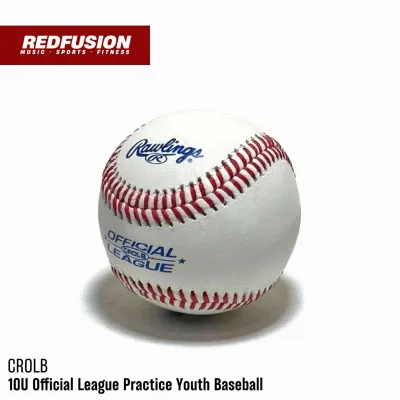
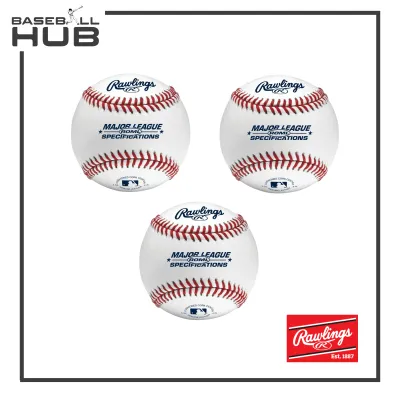
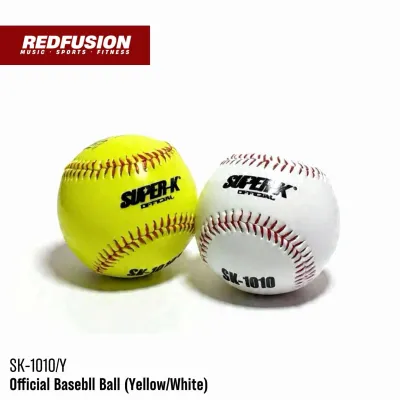
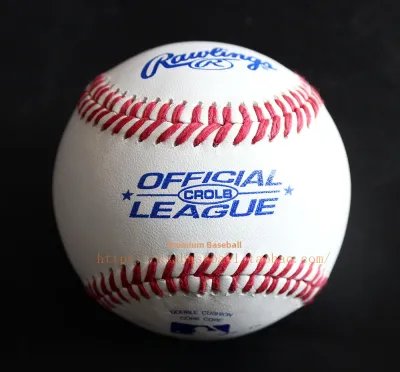
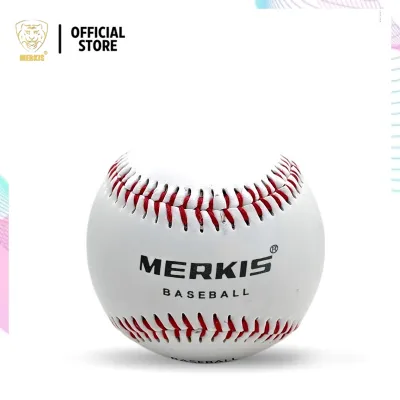
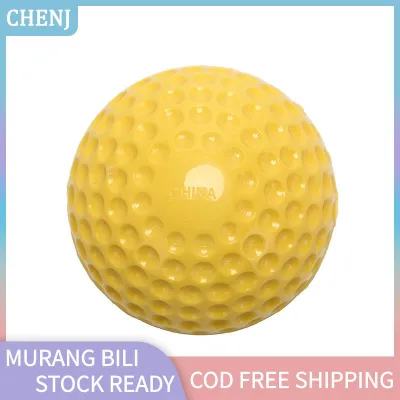
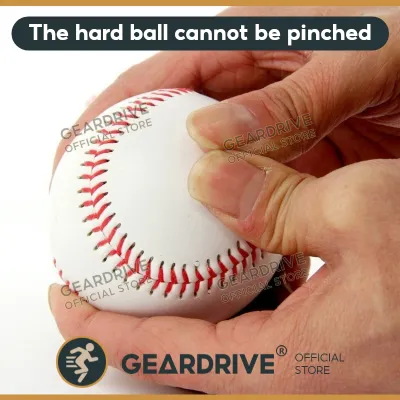
Prices are valid at publication and may change. Please refer to the product page for the latest price.
Stitching and Seams
The stitching is one of the most reliable indicators of an original baseball. An official adult baseball features exactly 108 double stitches, hand-sewn using a high-tensile, red waxed thread.
- Tension and Uniformity: Examine the seams closely. On an original ball, the tension of the thread is perfectly uniform, pulling the leather edges together so they lie flat and flush.
- Seam Height: The seams should feel consistent as you run your fingers over them. Counterfeit balls often have raised, uneven seams or loose threads that can alter the ball's aerodynamics and ruin a pitcher's grip.
- Thread Quality: Genuine thread is waxed to resist moisture and sweat, giving it a slightly stiff, clean appearance. Fakes often use cheap, unwaxed polyester thread that frays easily, especially in humid tropical climates.
Cover Material and Texture
The cover material dictates how the ball feels in your hand and how it reacts to the bat.
- Genuine Leather: Premium game balls use full-grain leather covers. Leather has a distinct, natural aroma, a subtle grain texture, and a natural tackiness that improves with a bit of dirt or rubbing mud.
- Synthetic Alternatives: High-quality training balls may use synthetic leather, but they still maintain a firm, non-slip texture.
- The Fake Feel: Counterfeit baseballs frequently use cheap PVC or low-grade polyurethane covers. These materials feel overly smooth, plasticky, or greasy to the touch. They also tend to emit a strong, chemical adhesive smell rather than the natural scent of treated leather.
Logos and Stamping
Official baseballs feature crisp, permanent markings that identify the manufacturer and the league or certification standards.
- Precision Stamping: Examine the brand logo, league signature, and any certification stamps. On an original ball, these stamps are deeply inked and perfectly aligned with the seams.
- Ink Quality: The ink used on genuine balls is designed to penetrate the leather or synthetic cover, meaning it will not easily smudge, scratch off, or bleed.
- Font Consistency: Counterfeiters often struggle to replicate proprietary fonts. Look for slight variations in letter spacing, uneven line weights, or blurred edges on the printed logos.
Weight and Dimensions
Official baseball regulations specify strict physical dimensions that manufacturers must meet.
- Standard Weight: An official baseball must weigh between 5 and 5.25 ounces (approximately 141.7 to 148.8 grams). Use a digital kitchen scale to check the weight of your ball.
- Standard Circumference: The circumference must measure between 9 and 9.25 inches (approximately 22.8 to 23.5 centimeters). You can verify this by wrapping a flexible measuring tape around the center of the ball.
- The Core Discrepancy: Because counterfeiters use cheap, lightweight fillers like compressed paper, low-grade rubber, or scrap yarn, their balls often fall outside these official ranges, feeling noticeably lighter or awkwardly heavy.
Common Red Flags That Reveal a Counterfeit Baseball
When manufacturers cut corners to mass-produce cheap imitations, they leave behind telltale signs of poor craftsmanship. Recognizing these common red flags will help you quickly reject a fake ball before you use it in a game.

Glue and Adhesive Residue
Original baseballs rely on the structural integrity of hand-sewn stitching to hold the cover panels securely around the core.
- Visible Glue: Counterfeiters often use cheap adhesives to speed up assembly or to compensate for weak, loose stitching. Look closely at the seams for shiny, hardened glue residue or sticky patches.
- Peeling Edges: If the leather or synthetic cover is peeling away from the seam line, or if you can easily slide a fingernail under the edge of the panel, the ball is likely a fake held together by glue rather than proper tension.
Incorrect Thread Color or Count
Because hand-stitching 108 double stitches is time-consuming, counterfeit operations frequently skip steps.
- Stitch Count: While you do not need to count every single stitch on every ball, a quick visual comparison will reveal if a ball has significantly fewer stitches, resulting in wide, loose gaps along the seam.
- Thread Color: Genuine baseballs almost universally use a deep, vibrant red thread. Fakes may use off-color threads, such as bright orange, pinkish-red, or even dark brown, due to a lack of quality control in sourcing materials.
Hollow or Off-Center Feel
The internal core of an original baseball consists of a small cork sphere wrapped in layers of rubber and tightly wound wool yarn. This construction ensures a balanced center of gravity.
- The Roll Test: Roll the ball slowly across a flat, smooth surface like a tiled floor or a table. An original ball will roll in a straight, predictable line. A counterfeit ball with an off-center or misshapen core will often wobble, veer off course, or come to an abrupt halt.
- Squeeze Test: Give the ball a firm squeeze. A genuine baseball is incredibly firm with almost zero give. If you feel soft spots, hollow pockets, or if the ball deforms easily under hand pressure, the core is made of substandard materials.
Fuzzy or Peeling Logos
The printing process on counterfeit balls is rarely subjected to rigorous quality checks.
- Surface Printing: Fakes often feature logos that are simply printed on the very surface of the plastic cover, making them prone to peeling, cracking, or flaking off even before the ball is hit.
- Spelling and Symbols: Check for misspelled brand names, missing trademark symbols, or distorted league signatures. These errors are classic signs of unauthorized reproduction.
How to Verify Packaging and Authenticity Certificates
For premium game balls, commemorative editions, or autographed memorabilia, the packaging and accompanying documentation are just as important as the ball itself.
Official Packaging
Genuine baseballs are typically sold in high-quality packaging designed to protect the ball during transit and storage.
- Box Construction: Look for sturdy, clean cardboard boxes with high-resolution printing. The colors should be vibrant, and the text should be sharp and legible.
- Label Details: Genuine packaging includes specific product codes, manufacturing locations, barcodes, and official licensing stickers. Counterfeit packaging often features blurry images, flimsy cardboard, or generic labels with no manufacturer contact information.
Holographic Stickers and Tags
Many premium brands and official leagues use security holograms to deter counterfeiters.
- Visual Depth: A genuine holographic sticker will exhibit a clear, multi-layered depth and a distinct color-shifting effect when tilted under a light source.
- Flat Counterfeits: Counterfeiters often attempt to replicate these stickers using flat, metallic silver foil that does not shift colors or show any visual depth. The serial numbers on fake stickers are also frequently duplicated across thousands of units, whereas genuine stickers feature unique, sequential serial numbers.
Certificates of Authenticity (COA)
If you are purchasing an autographed or limited-edition baseball, a Certificate of Authenticity is vital.
- Verify the Issuer: Ensure the COA is issued by a reputable, recognized third-party authentication service.
- Online Database Check: Do not rely solely on the physical paper card, as these are easily forged. Instead, take the unique serial number printed on the COA or the small tamper-evident sticker on the ball and enter it directly into the official online verification database of the authenticating company. If the database record does not match the details of your ball, the item is not genuine.
Where to Safely Buy Genuine Baseballs
The easiest way to avoid counterfeit baseballs is to buy from reputable, authorized sources. While bargain hunting on online marketplaces can be tempting, the risk of receiving a fake is significantly higher.
Official Brand Stores and Pro Shops
To guarantee that you are purchasing an original product, always prioritize official channels.
- Authorized Retailers: Purchase directly from official brand websites, flagship stores, or established sporting goods retailers in major shopping malls.
- Pro Shops: Stadium pro shops and authorized local distributors are also highly reliable sources, as they source their inventory directly from the manufacturers.
Evaluating Third-Party Online Sellers
If you must buy from a third-party seller on an e-commerce platform, take steps to protect yourself.
- Seller Ratings: Look for sellers with high positive feedback ratings (ideally 95% or higher) and a long history of selling sports equipment.
- Buyer Reviews: Read through recent customer reviews, paying close attention to those that include uploaded photos of the actual product received. Look for reviews that specifically mention the ball's weight, stitching, and performance.
- Realistic Pricing: Be highly skeptical of listings offering premium game balls at prices that are significantly lower than the standard retail price (for example, a professional-grade ball listed for only a few hundred pesos). If the price seems too good to be true, it almost certainly is.
What to Do If You Suspect You Bought a Fake Baseball
If you have purchased a baseball and suspect it is a counterfeit after performing these checks, you should take immediate action to protect your consumer rights and help clean up the marketplace.
First, document the evidence thoroughly. Take clear, high-resolution photographs of the specific areas that raise concerns, such as messy stitching, peeling logos, visible glue residue, or the ball sitting on a digital scale showing an incorrect weight. Keep all original packaging, tags, and receipts.
Next, contact the seller and the e-commerce platform immediately. Most major online marketplaces in the Philippines offer buyer protection programs that allow you to dispute a purchase and request a full refund if you can prove the item is counterfeit. Present your documented evidence clearly and politely. Finally, report the fraudulent listing to the platform’s customer support team and, if possible, notify the brand’s official anti-counterfeiting department. This helps prevent other players from falling victim to the same seller.
Frequently Asked Questions (FAQ)
Can I use a counterfeit baseball for casual backyard catch?
Using a counterfeit baseball is not recommended, even for casual backyard play. Because fake balls are made with unpredictable core materials and weak stitching, they can behave erratically when thrown or hit. A poorly constructed core can cause the ball to bounce in unexpected directions, increasing the risk of injury. Furthermore, the cheap covers on fake balls can easily split open upon impact, rendering the ball useless after only a few throws.
Do all genuine baseballs have exactly 108 stitches?
While 108 double stitches are the strict standard for official adult baseballs used in major leagues, youth baseballs, soft-touch training balls, or specialty practice balls may have different stitch counts, patterns, or synthetic covers. Always check the manufacturer’s official specifications for the specific model of ball you are purchasing to verify what the correct stitch pattern and count should be.
Is a slightly yellowed leather cover a sign of a fake?
A slightly yellowed leather cover is not necessarily a sign of a fake. Genuine full-grain leather is an organic material that naturally oxidizes, tones, or yellows over time when exposed to air, sunlight, humidity, and handling. This natural aging process is normal. In contrast, counterfeit balls made of cheap synthetic materials often use artificial dyes that may fade unevenly, crack, or peel away in patches, which is a much clearer indicator of a fake.
Community discussion
Share your experience or ask a question. Comments are reviewed before publication.