
Identifying a genuine basketball requires a close inspection of its surface texture, seam alignment, and inflation valve, alongside verifying the seller’s credentials. In the Philippines, where basketball is a daily passion played on both polished indoor hardwoods and rough concrete barangay courts, counterfeit balls are highly prevalent. Spotting these fakes before you pay protects your hard-earned money and ensures you get a ball that performs predictably under local weather conditions.
Why Playing With a Genuine Basketball Matters
Using an authentic basketball directly impacts your performance, skill development, and safety on the court. Genuine balls are engineered with high-grade composite leather or vulcanized rubber designed to withstand high humidity and sweat. Counterfeits often use cheap PVC or low-grade rubber that becomes slick when wet, compromising your handle and shooting form.
Bounce consistency is vital for developing proper muscle memory. A fake ball often suffers from uneven carcass winding, leading to erratic bounces that disrupt your dribbling rhythm. This unpredictability makes it difficult to practice effectively, especially during fast-paced drills.
Products mentioned in this guide
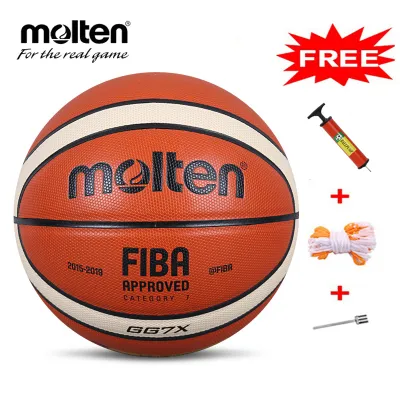
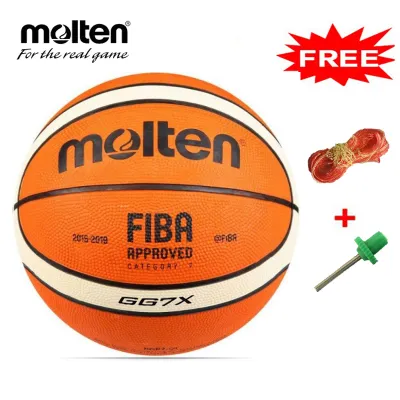
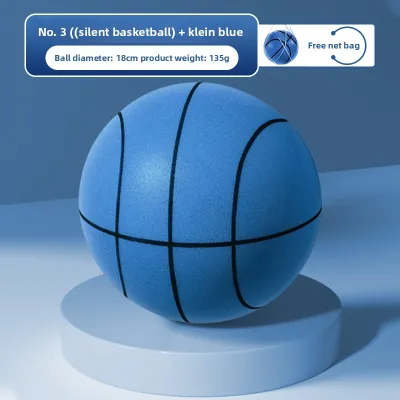
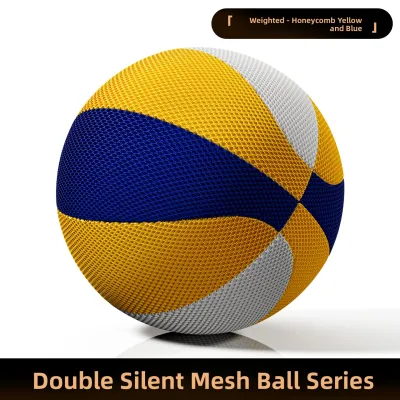
Prices are valid at publication and may change. Please refer to the product page for the latest price.
Safety is another critical factor to consider. Slippery surfaces on a dusty outdoor court can lead to sudden slips, sprains, or finger injuries. Uneven weight distribution in a counterfeit ball can also cause unexpected deflections during high-speed passes, increasing the risk of injury.
Investing in an original ball also makes financial sense in the long run. While a fake ball might cost only a fraction of the price of an original, it typically degrades within weeks of exposure to rough concrete and tropical heat. Replacing multiple cheap balls quickly exceeds the one-time cost of a durable, genuine basketball.
Physical Checks to Verify Basketball Authenticity
Evaluating the pebbling texture is one of the most reliable ways to check a ball’s quality. Run your fingers across the pebbles; genuine balls feature deep, sharp, and uniform pebbles that provide a consistent grip. On counterfeits, the pebbling is often shallow, soft, or unevenly spaced, feeling almost smooth in some areas.

Next, inspect the black channels and seams. Authentic balls have deeply recessed, straight, and clean seams with no visible adhesive residue. Counterfeits frequently display crooked channels, uneven widths, and messy glue spills along the edges where the panels meet.
Examine the inflation valve closely. The valve on an original ball is perfectly centered, flush with the surface, and made of high-quality self-sealing rubber. Fake balls often have misaligned, loose, or protruding valves that leak air rapidly and make inflation difficult.
Finally, check the physical specifications against standard manufacturer guidelines. A standard size 7 basketball should weigh between 567 and 650 grams with a circumference of 75 to 78 centimeters. Drop the ball from shoulder height; a genuine ball should bounce back to about waist height consistently, whereas a fake may bounce too high, too low, or veer off to the side.
Red Flags That Indicate a Counterfeit Basketball
Unusual or strong chemical odors are an immediate warning sign. Genuine balls smell of natural leather, high-grade composite, or standard vulcanized rubber. Counterfeits often emit a strong, pungent chemical odor resembling cheap industrial glue or toxic plastics due to low-grade synthetic materials.
Inspect the printed logos and branding. Original branding is crisp, perfectly aligned, and embossed or printed with durable ink that resists scratching. Fake balls often feature blurry edges, misaligned text, or logos that peel off with a simple fingernail scratch.
Perform a simple drop test on a hard surface and listen closely to the sound. A genuine ball produces a solid, dull thud, while a counterfeit often emits a hollow, metallic, or high-pitched ring due to thin walls and poor internal winding. This hollow sound indicates a lack of proper nylon or polyester windings inside the ball.
Excessive color transfer is another common issue with fake products. Take a slightly damp, clean white microfiber cloth and rub the surface of the ball firmly. High-quality dyes used in genuine manufacturing do not bleed, but if the cloth picks up significant orange or brown pigment, the ball is likely a counterfeit colored with cheap, unstable dyes.
How to Inspect Packaging and Security Labels
Authentic basketballs are packaged in sturdy, high-quality cardboard boxes featuring crisp graphics, correct spelling, and accurate product codes. Counterfeit packaging often uses flimsy cardboard, blurry images, and noticeable typographical errors that indicate poor quality control.
Look for official security features on the box or hangtag. Many top brands include holographic stickers, unique serial numbers, or scratch-off QR codes. Scanning these codes should direct you to the manufacturer’s official verification portal, not a generic or copycat website.
Cross-reference the model number and barcode on the box with the brand’s official global catalog. If the model number does not exist, or if it corresponds to a completely different style or colorway of ball, you are holding a fake. This step is crucial when buying from online resellers.
Be wary of balls sold without any box, wrapped only in generic shrink-wrap or clear plastic bags. While some entry-level rubber balls are shipped deflated in simple packaging, premium composite or leather balls should always arrive in their official, branded retail boxes.
Where to Buy Original Basketballs in the Philippines
To guarantee authenticity, purchase directly from official brand concept stores, major department stores, or established sporting goods retailers nationwide. These outlets source their inventory directly from official distributors, ensuring you receive a genuine product with full customer support.
When shopping on online marketplaces, look for verified mall badges, official brand flags, and high seller ratings. Always scroll down to the customer review section to inspect real-life photos uploaded by previous buyers, paying close attention to the packaging and valve details.
Be highly skeptical of unusually low prices. If a premium composite basketball that normally retails for ₱2,500 is being offered for ₱500 under “factory overstock” or “warehouse clearance” claims, it is almost certainly a counterfeit. Genuine manufacturers maintain strict pricing controls, and massive discounts on current models are highly unusual.
Do not hesitate to ask the seller for an official receipt or proof of authorized dealership. Legitimate local resellers will gladly provide clear documentation, whereas counterfeit sellers will offer vague excuses or refuse to show proof of sourcing.
What to Do If You Suspect You Bought a Fake
If you ordered online, record a continuous video of the unboxing process. Take clear, high-resolution photos of any physical defects, misaligned logos, the valve area, and the shipping label to build a strong case.
Contact the e-commerce platform or the seller immediately to file a return and refund request. Use the documented photos and videos as evidence, clearly pointing out the discrepancies between the received item and an original product.
Do not play with the ball, especially on rough outdoor concrete courts, while your dispute is active. Any signs of wear, dirt, or scuffing can give the seller a reason to reject your return request and deny your refund.
Finally, report the suspicious listing and the seller’s profile to the platform. Reporting counterfeit sellers helps clean up online marketplaces and protects fellow Filipino hoopers from falling victim to the same scams.
Frequently Asked Questions (FAQ)
Is it safe to use a suspected fake basketball for casual practice?
While a fake ball might seem fine for light shooting, its inconsistent bounce and poor grip can hinder your skill development. The uneven weight distribution can negatively affect your muscle memory for shooting and passing. Additionally, the inferior materials wear out rapidly on local outdoor courts, making it a poor investment even for casual play.
Do original basketballs come with a manufacturer warranty?
Yes, genuine basketballs typically come with a limited manufacturer warranty that covers structural defects, such as bladder leaks or valve failures, within a specific timeframe. However, this warranty does not cover normal wear and tear from regular play, especially on abrasive outdoor surfaces. Always keep your official receipt from an authorized retailer to file a valid warranty claim.
Community discussion
Share your experience or ask a question. Comments are reviewed before publication.