
Finding a genuine basketball original ball can be a challenge in a market flooded with convincing counterfeits. To spot a fake basketball, you must look closely at the texture of the outer material, the depth and alignment of the black channels, the consistency of the bounce, and the physical details of the inflation valve. Additionally, verifying the unique serial numbers or QR codes through official manufacturer portals provides definitive proof of authenticity.
In the Philippines, basketball is a daily ritual played on indoor hardwood, local barangay covered courts, and rough street concrete. Because the game is played under diverse and often harsh conditions, using a counterfeit ball is not just a minor inconvenience. It directly degrades your playing experience, compromises your skill development, and can even lead to physical injuries. Understanding how to perform a thorough authenticity check ensures you get the performance and durability you pay for.
Why Counterfeit Basketballs Are a Problem
Counterfeit basketballs present significant issues that go far beyond aesthetics. When you play with a fake ball, the most immediate difference you will notice is the lack of consistent grip. Authentic basketballs are engineered with specific surface friction properties to ensure secure handling, even when your hands are sweaty. Counterfeit models, however, typically use cheap synthetic materials that become incredibly slippery when exposed to moisture.
Products mentioned in this guide
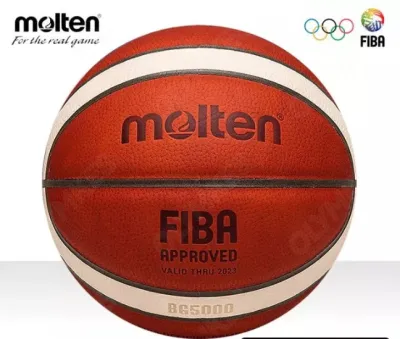
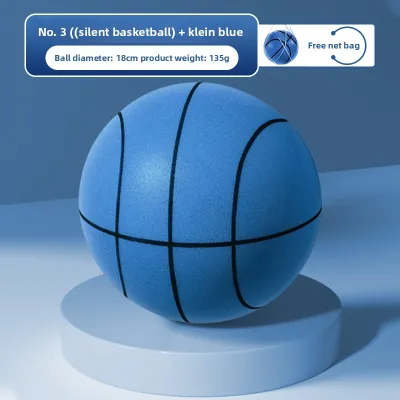
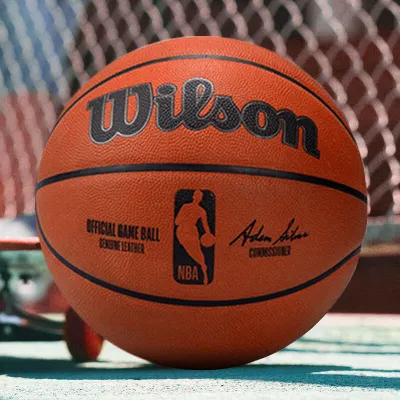
Prices are valid at publication and may change. Please refer to the product page for the latest price.
In the tropical climate of the Philippines, where high humidity and sweat are constant factors, a slippery ball makes controlled dribbling, passing, and shooting nearly impossible. Slipping on concrete can lead to joint injuries, rolled ankles, or lost control during play. Before starting any game, players should check the court surface and stop play if a slippery ball or dusty court becomes a safety hazard.
Furthermore, bounce consistency is highly compromised in counterfeit products. Genuine manufacturers spend years perfecting the internal bladder and nylon winding systems to ensure that the ball rebounds predictably off the floor and backboard. Fake balls often feature uneven wall thicknesses or off-center bladders, resulting in erratic bounces that disrupt your rhythm and hand-eye coordination.
Durability is another major concern, especially on the rough outdoor concrete courts common in Filipino neighborhoods. Original outdoor balls are designed with vulcanized rubber or highly durable composite leather to withstand abrasive surfaces. Counterfeit balls quickly wear down, losing their pebbling within a few games. The seams and panels are also prone to peeling apart under intense heat, rendering the ball useless in a fraction of the time a genuine ball would last.
Key Differences Between Original and Fake Basketballs
Before making a purchase, performing a physical inspection is your best line of defense against counterfeits. Authentic manufacturing relies on precise engineering and high-quality materials that replica factories simply cannot replicate at a low cost. By focusing on specific visual and tactile indicators, you can quickly separate genuine products from cheap imitations.

Material, Grip, and Texture
The surface texture of a basketball is one of the most reliable indicators of its authenticity. When examining a basketball original ball, pay close attention to the pebbling—the tiny raised dots distributed across the panels. On a genuine ball, these pebbles are uniform in shape, height, and spacing, providing a consistent grip across the entire surface. Counterfeit balls often exhibit irregular pebbling, with some areas appearing flat, overly smooth, or abnormally glossy.
To verify the material quality, perform a simple tactile check:
- The Thumb Test: Press your thumb firmly into the cover of the ball. Authentic composite leather yields slightly with a natural, leathery rebound, while fake materials feel rigid, stiff, or excessively spongy.
- The Friction Check: Rub your palm across the surface. Genuine composite leather has a soft, slightly tacky feel that offers excellent grip without feeling sticky. If the ball feels plasticky or has a strong chemical odor resembling cheap spray paint, it is highly likely a fake.
- The Channel Inspection: Examine the black channels that separate the panels. On an original ball, these channels are deep, cleanly cut, and perfectly aligned. Counterfeiters often struggle with this level of detail; their channels are frequently shallow, unevenly spaced, or show visible glue residue spilling onto the panels.
Weight, Bounce, and Balance
The internal construction of a basketball dictates how it behaves in the air and on the court. To test the balance of the ball, perform a simple spin test. Hold the ball and spin it rapidly on your finger or toss it into the air with a tight backspin. An authentic ball will spin smoothly on a single axis without wobbling. If the ball wobbles or drifts visibly to one side, the internal bladder is likely off-center, a classic sign of a counterfeit.
Next, perform a bounce test. Drop the ball from shoulder height onto a flat, hard surface. A genuine ball inflated to the manufacturer’s recommended pressure (usually printed near the valve, typically between 7 to 9 PSI) should bounce straight back up to approximately chest height. A fake ball will often bounce at an angle, even when dropped straight down, or feel dead and heavy upon impact.
You should also verify the physical specifications of the ball against its intended use. Standard Size 7 basketballs, which are used in most men’s leagues, must weigh between 567 and 650 grams. If you have access to a digital scale, weighing the ball can immediately expose a counterfeit, as fake balls are frequently lighter due to thin walls and substandard internal windings.
Logos, Branding, and Valve Details
Counterfeiters often make subtle mistakes when replicating official branding. Inspect all printed and embossed logos, text, and decals on the ball’s surface. On a genuine ball, the branding is crisp, perfectly aligned, and deeply embossed into the material. The letters will have sharp edges and consistent spacing. On a fake ball, you may notice blurry text, smudged ink, misaligned letters, or decals that feel like they can be easily peeled off with a fingernail.
The inflation valve area is another critical point of inspection. Genuine manufacturers use high-quality, self-closing rubber valves that are cut cleanly and sit perfectly flush with the ball’s surface. This design prevents air leakage and ensures the valve does not interfere with play.
In contrast, counterfeit valves are often poorly seated, protruding slightly or sitting crookedly inside the recess. The edges of the valve opening on a fake ball may look jagged or rough, and they are highly susceptible to slow leaks. If you notice tiny bubbles forming around the valve when a small amount of moisture is applied, the valve is defective or counterfeit.
Step-by-Step Authenticity Checks Before You Buy
Whether you are shopping at a local sports store or browsing online marketplaces, having a systematic verification process is essential. By taking a few structured steps before parting with your money, you can avoid the frustration of purchasing a counterfeit product.
Inspecting the Packaging and Tags
An authentic basketball original ball is almost always sold in premium, sturdy packaging designed to protect the product during transit. Look closely at the box for high-resolution printing, accurate color reproduction, and proper branding. The cardboard should feel thick and structural, not flimsy or easily crushed.
Check the included hangtags and labels. Genuine balls feature tags printed on thick cardstock with clear barcodes, model numbers, and care instructions. Counterfeit products often arrive in generic cardboard boxes, simple plastic shrink-wrap, or packaging with noticeable spelling mistakes and grammatical errors.
Be cautious if the ball comes with generic, unbranded accessories. While some authorized packages might include specific accessories, cheap bundles that throw in low-quality pumps, generic inflation needles, or flimsy net bags are often used by unauthorized sellers to distract buyers from a counterfeit ball.
Verifying Serial Numbers and Barcodes
Most reputable basketball brands print a unique serial number, a holographic security sticker, or a QR code directly on the ball or its packaging. This code serves as a digital fingerprint that can confirm the product’s origin.
Locate this identifier—it is often found near the inflation valve or on the main product tag. Visit the manufacturer’s official website or download their dedicated authentication app to enter the serial number or scan the QR code.
If the system confirms the code is valid and matches the exact model you purchased, you can be confident in its authenticity. However, if the search returns an “already scanned” warning, indicates an invalid format, or redirects you to a suspicious, third-party website rather than the official brand domain, the ball is a counterfeit.
Evaluating the Price and Seller Reputation
Price is one of the most reliable indicators of product authenticity. While everyone loves a good deal, original basketballs made of premium composite leather have a consistent market value. In the Philippines, a genuine high-quality basketball typically retails between ₱2,500 and ₱5,000, depending on the model and brand. If you find an online listing advertising the same model for ₱500 to ₱800, it is almost certainly a fake.
Before purchasing online, thoroughly evaluate the seller’s profile. Look for established stores with high positive rating percentages and a history of selling genuine sports equipment. Read the customer reviews carefully, filtering for lower ratings to see if previous buyers have complained about receiving counterfeit goods, peeling seams, or balls that fail to hold air.
Additionally, check if the seller is listed as an authorized dealer on the brand’s official regional website. Many top brands maintain a list of certified physical and digital retailers to help consumers make safe purchases.
Where to Safely Buy an Original Basketball
To completely eliminate the risk of buying a counterfeit basketball, you must choose your purchasing channels carefully. The safest option is always to buy directly from official brand stores or well-established, authorized sports retailers in the Philippines. Physical stores located in major shopping malls offer the advantage of allowing you to inspect, feel, and bounce the ball before making a decision.
If you prefer the convenience of online shopping, stick to official flagship stores on major e-commerce platforms. Look for verified badges, such as official mall tags, which indicate that the platform has verified the seller’s business registration and guarantees product authenticity. Many of these official stores also offer platform-backed authenticity guarantees, promising a full refund or even double your money back if the item is proven to be counterfeit.
Avoid purchasing basketballs from unverified social media marketplace listings, unauthorized third-party sellers, or street vendors in discount shopping districts. While these sellers may offer tempting prices, they do not provide official receipts, return warranties, or buyer protections. If you receive a defective or fake ball from these sources, securing a refund is incredibly difficult.
What to Do If You Receive a Counterfeit Ball
If you realize that you have accidentally purchased a counterfeit basketball, acting quickly is vital to securing a refund. The first step is to document the evidence thoroughly. Take clear, high-resolution photos of the ball, focusing on the specific flaws you identified, such as misaligned logos, poor valve construction, or peeling seams.
If you purchased the ball online, record a continuous video showing the packaging, the shipping label, and the physical defects of the ball. This unboxing and inspection video is highly valued by customer service agents on major e-commerce platforms and serves as indisputable proof in dispute cases.
Next, initiate a return and refund request through the platform’s official system, selecting “Counterfeit Product” or “Item Not as Described” as the reason. Do not contact the seller privately outside the platform, as some unauthorized sellers may attempt to delay the process until the buyer protection window closes.
Report the counterfeit listing to the platform’s customer support team to help prevent other buyers from falling victim to the same seller. If the platform or seller denies your legitimate claim, you can contact your payment provider—such as your credit card company or digital wallet provider—to initiate a chargeback or dispute based on the fraudulent transaction.
Frequently Asked Questions (FAQ)
Can I use a fake basketball for casual practice?
While a counterfeit basketball might seem like a budget-friendly option for casual play, using one can hinder your skill development. Fake balls lack the consistent grip, weight, and bounce of an original ball. Practicing shooting or dribbling with a ball that rebounds unpredictably or slips easily can negatively affect your muscle memory and shooting mechanics. For serious training and skill building, using a genuine ball ensures that your practice translates accurately to real game conditions.
Do all original basketballs come with a warranty?
Warranty coverage for original basketballs varies depending on the manufacturer and the authorized retailer where you made the purchase. Most premium brands offer a limited warranty that covers manufacturing defects, such as a faulty valve or an internal bladder leak, for a specific period (usually one year). However, these warranties do not cover normal wear and tear, cosmetic damage, or punctures resulting from playing on rough outdoor concrete surfaces. Always retain your official sales receipt as proof of purchase to claim warranty services.
Community discussion
Share your experience or ask a question. Comments are reviewed before publication.