
To spot a fake Dualtron scooter before you buy, you must closely inspect the structural build quality, verify the serial number through official Minimotors channels, and evaluate the performance of the electronics. Genuine high-performance electric scooters from this brand feature clean, precise robotic welds, heavy-duty CNC-machined components, and highly responsive dashboard displays with official boot-up logos. Counterfeits, on the other hand, often betray themselves through rough metal finishes, flimsy packaging, generic unbranded batteries, and prices that are suspiciously lower than the standard market rate.
Purchasing a high-end electric scooter is a major investment, especially in the Philippines, where premium models are highly sought after for navigating congested urban corridors. With the rising popularity of personal electric mobility, counterfeiters have increasingly targeted premium brands. Understanding the precise physical, electrical, and transactional indicators of an authentic unit is the only way to protect your hard-earned money and ensure your personal safety on the road.
Why Authenticity Matters for High-Performance Scooters
High-performance electric scooters are sophisticated, high-speed vehicles engineered to withstand immense mechanical stress. A genuine dualtron scooter is built to handle high speeds, requiring heavy-duty suspension systems, robust folding mechanisms, and highly stable frames. When a counterfeit manufacturer replicates these designs, they substitute premium materials with cheaper, lower-grade alloys to minimize production costs. These inferior metals are prone to sudden structural failure, which can lead to catastrophic accidents at high speeds.
Products mentioned in this guide

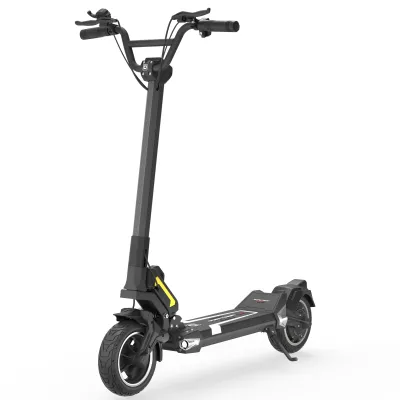
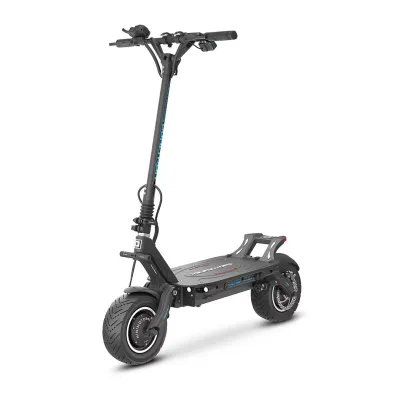
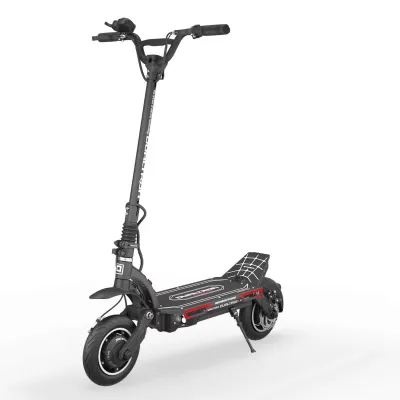
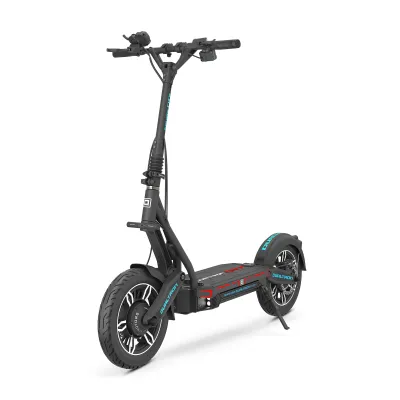
Prices are valid at publication and may change. Please refer to the product page for the latest price.
Beyond the physical chassis, the electrical architecture of an authentic scooter is highly complex. Genuine units utilize advanced battery management systems (BMS) paired with high-quality, certified lithium-ion cells designed to handle high current draw and rapid thermal changes. In contrast, counterfeit scooters frequently utilize unbranded, uncertified battery packs with poorly soldered connections and cheap, non-regulated BMS boards. In a tropical climate like the Philippines, where ambient temperatures and humidity levels are consistently high, an unregulated battery system is a severe safety hazard. The risk of thermal runaway, leading to explosive battery fires during charging or operation, increases exponentially with counterfeit electronics.
Furthermore, purchasing a counterfeit scooter deprives you of any legitimate manufacturer support or warranty coverage. High-performance scooters require regular maintenance, specialized replacement parts, and professional servicing over their lifespan. If you unknowingly purchase a fake unit, authorized service centers will refuse to work on it, and finding compatible replacement parts becomes nearly impossible. The financial loss extends far beyond the initial purchase price, as a counterfeit scooter is essentially a disposable machine with a highly compromised lifespan.
Key Physical Differences: Real vs. Counterfeit Dualtron Scooters
Spotting a counterfeit dualtron scooter requires a meticulous, hands-on physical inspection. While online listings can easily use stolen stock photos of genuine units, inspecting the physical scooter in person—or demanding detailed, high-resolution live photos and videos from an online seller—will quickly reveal manufacturing shortcuts. Genuine Minimotors products are manufactured with strict quality control standards, resulting in a level of fit and finish that counterfeiters simply cannot replicate at a lower price point.

Packaging and Documentation
The evaluation process should begin the moment the box arrives or when you inspect the packaged unit at a seller’s location. Genuine packaging is made of heavy-duty, double-walled corrugated cardboard designed to protect a heavy vehicle during international transit. The exterior printing on an authentic box features crisp, high-resolution graphics, correct brand typography, and precise product specifications. Counterfeit packaging is often flimsy, prone to sagging, and may display blurry, low-quality printing, pixelated logos, or obvious typographical and translation errors.
Inside the box, the documentation and accessories provide immediate clues about the scooter’s authenticity. A genuine unit includes a comprehensive, professionally printed user manual in clear English, a dedicated warranty card with matching serial numbers, and a high-quality toolkit specifically tailored for the scooter’s fasteners. Counterfeits often ship with generic, poorly translated single-sheet instructions, missing warranty documentation, or cheap, soft-metal tools that bend or strip under minimal pressure. Additionally, verify that the included charger features official safety certifications and clear manufacturer labeling, as cheap, unbranded chargers are a common inclusion with fake units.
Build Quality, Welds, and Materials
The structural integrity of the frame is the most critical physical differentiator between an authentic and a fake unit. Carefully examine the main folding mechanism, the steering column (stem), and the deck. Genuine models feature exceptionally clean, uniform welds, often performed by robotic systems, and precise CNC-machined aluminum components with anodized finishes. If you notice sloppy, uneven, or excessively thick welds that look like they were completed hastily by hand, you are likely looking at a counterfeit.
Pay close attention to the folding latch and the steering column alignment. The folding mechanism of an authentic scooter is engineered to lock securely with zero play or wobble, utilizing heavy-duty steel pins and robust locking collars. Counterfeit models often exhibit significant play in the stem even when fully locked, using lighter alloys that feel fragile or flex under body weight. Check the alignment of the steering column relative to the front wheel; genuine manufacturing ensures perfect perpendicular alignment, whereas fakes often suffer from slight twists or manufacturing offsets due to poor quality control.
Branding, Logos, and Serial Numbers
Inspect all branding elements, logos, and identification plates across the entire body of the scooter. Authentic branding is integrated seamlessly into the design, utilizing high-quality, durable decals, deeply engraved metal plates, or precision-embossed logos on the rubber deck mat and side panels. Counterfeiters frequently use cheap, thin vinyl stickers that peel easily at the corners or show air bubbles underneath. The typography of the logo must match the official brand font exactly; look closely at the spacing, letter thickness, and alignment, as subtle variations are common in fakes.
The serial number is one of the most reliable physical indicators of authenticity. On a genuine unit, the serial number plate is made of metal and is securely riveted or permanently engraved directly into the chassis, typically near the side of the deck or on the folding mechanism. Counterfeit units may feature serial numbers that are merely printed on cheap paper or plastic stickers that are glued to the frame. Inspect the plate for any signs of tampering, uneven alignment of the digits, or adhesive residue, which suggests a fake plate has been applied over a generic frame.
Electronic and Performance Red Flags
The electronic components and ride performance of a high-performance scooter are incredibly difficult for counterfeiters to replicate accurately. Even if a fake unit manages to mimic the external appearance of a genuine model, its internal electronics and on-road behavior will inevitably expose its true nature. Before finalizing any purchase, a thorough check of the dashboard interface and a controlled test ride are essential diagnostic steps.
Begin by turning on the scooter and observing the dashboard display, commonly referred to as the EY3 throttle or display unit on many genuine models. An authentic display features a high-contrast, bright screen with sharp characters that remain easily readable even under direct sunlight. When powered on, the screen should display the correct, official boot-up animation or logo. Counterfeit displays often feature lower-resolution screens, washed-out colors, slow refresh rates, or generic startup screens that lack the official branding entirely. The throttle response should be smooth and progressive; a fake controller will often exhibit a “binary” feel, where the power is either completely off or abruptly on with no modulation.
If the seller allows you to inspect the battery compartment without breaking factory seals or voiding return policies, check the wiring and battery casing. Authentic battery packs are neatly wrapped, securely sealed against moisture, and feature clear, professional labeling that specifies the cell manufacturer, capacity, and voltage. Counterfeit battery packs often feature messy, hand-soldered wiring, excessive hot glue, and generic blue or green shrink-wrap with no safety labels or technical specifications. Never attempt to open a sealed battery compartment if doing so violates the seller’s return policy or poses a safety risk; instead, look for external clues like an unusually lightweight deck. If the entire scooter feels significantly lighter than the manufacturer’s specified weight for that model, it is highly likely that a much smaller, inferior battery has been installed inside.
During a test ride, pay close attention to the motor noise and power delivery. Genuine dual-motor systems operate with a characteristic high-pitched, smooth hum under acceleration, delivering linear and powerful torque. Counterfeit motors often produce loud, grinding, or rattling noises, indicating poorly aligned magnets or low-quality bearings. Furthermore, watch for erratic performance indicators, such as sudden voltage drops on the display under load, premature power cut-offs when climbing minor inclines, or excessive heat buildup in the deck or motors after just a few minutes of riding.
Official Verification Methods and Tools
While physical and electronic inspections are vital, digital verification provides an additional layer of security. Genuine manufacturers maintain databases of all manufactured units, allowing buyers to verify their specific scooter’s serial number. You should locate the serial number on the scooter’s frame and cross-reference it directly through the official Minimotors verification portal or by contacting an authorized distributor. An authentic serial number will return precise information matching the exact model, production batch, and manufacturing date of your unit.
Many modern premium scooters also incorporate advanced security features, such as holographic decals, tamper-evident security labels, or unique QR codes printed on the frame or packaging. Scanning these QR codes should direct you to a secure, official manufacturer domain. However, you must exercise extreme caution when relying solely on digital scans. Sophisticated counterfeiters are known to print fake QR codes that link to fraudulent, look-alike verification websites designed to mimic the official portal and display a false “verified” status.
To protect yourself from these digital deceptions, always manually type the official manufacturer’s URL into your browser rather than relying on a scanned QR link. Additionally, be aware that counterfeiters occasionally clone legitimate serial numbers from real scooters and stamp them onto multiple fake units. This is why digital verification must never be used as a standalone proof of authenticity. A valid serial number is only meaningful when combined with a flawless physical inspection, realistic performance characteristics, and a reputable acquisition source.
Choosing Safe Purchasing Channels in the Philippines
In the Philippine market, the absolute best defense against purchasing a counterfeit electric scooter is choosing your purchasing channel with extreme care. The local market is flooded with parallel imports, second-hand listings, and unauthorized online sellers. To guarantee you are receiving a genuine product, you should purchase directly from the brand’s officially designated local distributor or their network of authorized physical dealerships. These established dealers can readily provide manufacturer-backed warranties, genuine spare parts, and certified technician support.
When evaluating a seller, especially on major e-commerce platforms or social media marketplaces, always demand to see their official dealer certificate. Legitimate sellers will proudly display their authorization credentials and will be listed on the global distributor directory of the parent brand. Be highly skeptical of unauthorized third-party sellers offering “factory-direct,” “overstock,” or “export-grade” units at prices that are significantly lower than the standard retail price in the Philippines, which typically sits in the premium range of ₱80,000 to well over ₱150,000 depending on the model. If a deal seems too good to be true, it is almost certainly a counterfeit or a heavily damaged unit rebuilt with fake parts.
It is also important to distinguish between authorized local stock and unauthorized parallel imports, often referred to as grey-market units. While grey-market scooters may indeed be physically authentic, purchasing them carries distinct risks that can impact your ownership experience. These units are imported outside of the official distribution network, meaning they do not carry the local distributor’s warranty, may feature regional firmware restrictions, and will often be rejected by authorized service centers for repairs, leaving you without reliable maintenance options in the Philippines.
What to Do If You Suspect a Counterfeit
If you have already purchased a scooter and your post-purchase inspection leads you to believe it is a counterfeit, your very first action must be to stop using and charging the device immediately. Do not plug the charger into your home’s electrical outlets. As established, counterfeit lithium-ion batteries and unregulated battery management systems present a severe fire hazard, particularly when subjected to charging currents or the high temperatures common in the Philippines. Store the scooter in a cool, dry, and non-flammable area, such as an outdoor concrete space, away from any combustible materials.
Next, compile comprehensive documentation of your findings to support your claim. Take clear, high-resolution photographs and videos of the specific discrepancies you discovered, including the serial number plate, sloppy weld joints, misaligned components, cheap branding decals, and any anomalies on the dashboard display. Document the entire packaging, including any shipping labels, invoices, and included accessories. This evidence will be crucial when initiating a dispute or seeking a refund.
If you purchased the unit through an online marketplace, immediately open a formal dispute through the platform’s buyer protection program, submitting your documented evidence to prove the item is counterfeit. If you purchased from a local physical shop or an independent online seller in the Philippines, contact the Department of Trade and Industry (DTI) to file a formal consumer complaint regarding the sale of counterfeit goods. Under no circumstances should you attempt to modify, repair, or ride a suspected counterfeit scooter, as doing so not only compromises your physical safety but can also void your consumer rights and complicate your refund or dispute process.
Frequently Asked Questions (FAQ)
Navigating the premium electric scooter market involves understanding several industry terms that buyers often confuse. This section clarifies key distinctions to help you make an informed decision.
Is a grey-market Dualtron scooter the same as a fake?
No, a grey-market scooter is not a counterfeit product. A grey-market unit is a genuine scooter manufactured by the official brand, but it has been imported into the Philippines through unauthorized parallel channels rather than the official local distributor. While a grey-market unit features the same high-quality build and authentic components as an authorized unit, it comes with significant trade-offs.
Grey-market units typically do not qualify for local warranty support, meaning any manufacturing defects or repairs must be paid for out of pocket. Furthermore, authorized local service centers may refuse to service grey-market units entirely, and some models may feature regional firmware locks that prevent them from connecting to official mobile apps or receiving critical software updates in your region. To ensure complete peace of mind and long-term support, purchasing through official, authorized local channels is always the safest option.
Community discussion
Share your experience or ask a question. Comments are reviewed before publication.