
The Molten GG7X is one of the most popular basketballs in the Philippines, prized by local athletes for its reliable grip, consistent bounce, and signature 12-panel design. Because it is the go-to choice for barangay tournaments, school leagues, and recreational games, it has also become a primary target for counterfeiters. Spotting a fake gg7x requires a careful inspection of its physical properties, material composition, and security features.
Why Authenticity Matters for the GG7X
Using a counterfeit basketball does more than just hurt your wallet; it actively degrades your performance and safety on the court. Authentic models are engineered with high-grade polyurethane (PU) composite leather that absorbs sweat and maintains a reliable grip even in the high-humidity environments typical of Philippine indoor and outdoor courts. Counterfeit balls, by contrast, are usually made from cheap polyvinyl chloride (PVC) or low-grade rubber that quickly becomes slick and greasy when exposed to sweat, leading to frequent turnovers and poor ball control.
Furthermore, the structural integrity of a fake ball is highly unstable. While a genuine ball features a nylon-wound butyl bladder that distributes air pressure evenly, counterfeits often have unevenly wrapped bladders that cause inconsistent, unpredictable bounces. This variance can disrupt your shooting mechanics and dribbling rhythm. In some cases, the cheap, unregulated synthetic materials and toxic adhesives used in fake balls can even cause skin irritation or allergic reactions during extended play. To protect your game and your health, you must look at multiple physical and digital indicators rather than relying on a single visual cue.
Products mentioned in this guide
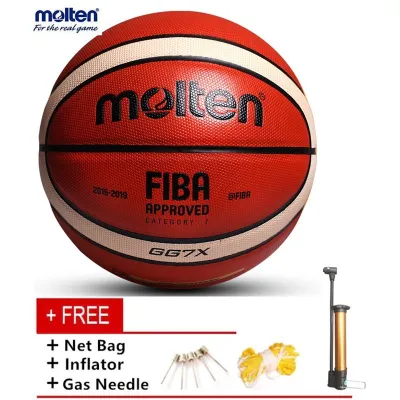
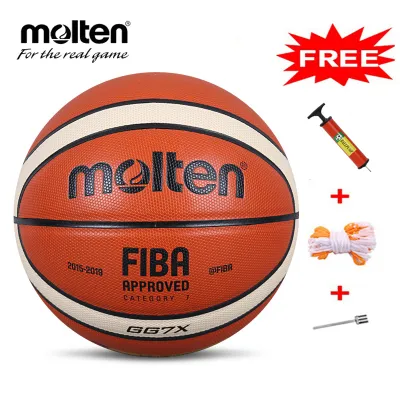
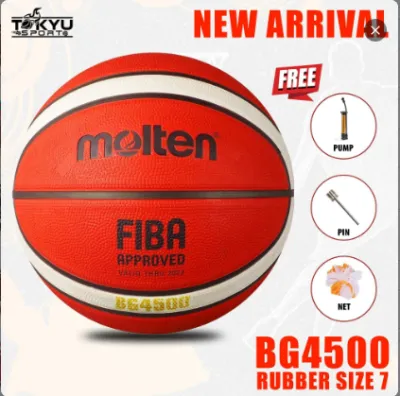
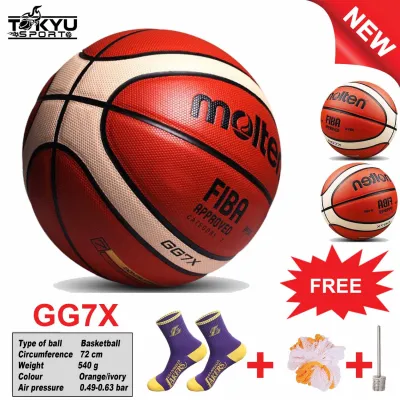
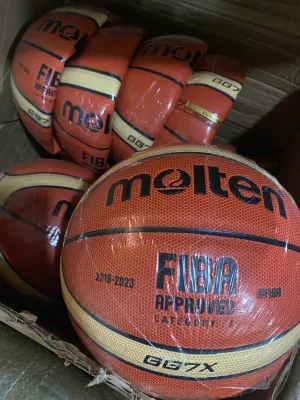
Prices are valid at publication and may change. Please refer to the product page for the latest price.
How to Tell a Real GG7X From a Fake
Identifying a genuine basketball requires a systematic approach. Counterfeiters have become highly sophisticated, often replicating the general look of the ball well enough to fool a casual observer at a distance. To perform an accurate assessment, always examine the ball in a well-lit area, preferably under bright, natural daylight or strong indoor lighting. If you have access to a known genuine Molten basketball, keeping it nearby as a physical reference will make the discrepancies in the replica much more obvious.

Inspecting the Packaging and Labels
The first line of defense is the packaging. Genuine basketballs are shipped in high-quality cardboard boxes featuring crisp, high-resolution printing, accurate brand logos, and clear product information. The cardboard should feel sturdy and structured, designed to protect the ball during transit. Counterfeit balls often arrive in flimsy, easily crushed boxes with blurry text, faded colors, or noticeable spelling mistakes in the descriptive labels.
Pay close attention to the product stickers and barcodes. Authentic balls distributed in the Philippines typically feature official importer labels, such as those from the authorized local distributor. These stickers contain specific batch numbers, barcodes, and pricing details that are cleanly printed and securely adhered. If the packaging lacks these official distributor markings, or if the barcode looks like a poorly aligned photocopy, you should proceed with extreme caution.
Evaluating Surface Texture and Material
The tactile feel of the ball is one of the most reliable indicators of authenticity. A genuine GG7X is crafted from premium composite leather that has a distinct, soft, yet grippy texture. The surface features a uniform “pebble-in-pebble” alignment, where the tiny raised bumps are consistent in shape, height, and spacing across all twelve panels. The channels—the black lines separating the panels—are deep, cleanly recessed, and free of visible glue spills or rough edges.
Counterfeit balls usually fail the touch test. They often feel stiff, plasticky, or excessively sticky right out of the box. The pebble texture on a fake ball is frequently shallow, uneven, or completely smooth in certain areas where the mold failed to press properly. Additionally, the channels on replicas are often shallow, unevenly painted, or show messy adhesive residue leaking onto the orange panels. You can also perform a quick smell test: genuine composite leather has a mild, clean material scent, whereas counterfeits often emit a sharp, chemical odor reminiscent of cheap spray paint or industrial glue.
Checking Logos, Fonts, and the Air Valve
Close inspection of the branding elements often reveals the limitations of counterfeit manufacturing. On an authentic ball, all embossed and printed logos, including the Molten wordmark, the model name, and the FIBA Approved stamp, are perfectly aligned with sharp, clean boundaries. The fonts used are highly specific; counterfeiters often use generic or slightly distorted typefaces where the letters are too thick, too thin, or spaced unevenly.
The air valve area is another critical point of failure for replicas. On a genuine ball, the valve is neatly integrated, sitting perfectly flush or slightly recessed within the panel, surrounded by a clean, smooth rubber boundary. The inflation instructions and pressure recommendations printed around the valve should be perfectly legible and aligned. On counterfeit balls, the air valve is often misaligned, juts out noticeably from the surface, or has rough, jagged edges. A poorly constructed valve on a fake ball is highly prone to slow air leaks and can easily be damaged during inflation.
Actionable Steps to Verify Your Basketball
To confirm your basketball’s authenticity beyond a simple visual check, you should perform several practical tests. These steps evaluate the physical performance and digital security features of the product:
- Perform a Digital Verification: Many genuine Molten products come equipped with a security label featuring a scratch-off coating. Scratch this off to reveal the unique verification code, then enter it directly into the official Molten verification portal. Avoid using generic QR code scanning apps that might redirect you to a sophisticated clone website designed to look like the official portal; instead, type the official URL directly into your browser to verify the code.
- Conduct a Bounce and Rebound Test: Inflate the ball to the recommended pressure of 5.0 to 6.0 PSI. Hold the ball at chest level—approximately 1.8 meters high—and drop it onto a hard, flat concrete or wooden surface. A genuine GG7X will rebound consistently to about waist height (roughly 1.2 to 1.4 meters) in a straight, vertical line. A counterfeit ball will often rebound much lower due to a low-quality bladder, or it may bounce off at an angle because of uneven internal thread wrapping.
- Check the Weight and Circumference: Use a precise digital kitchen scale and a flexible measuring tape to check the physical specifications. A standard Size 7 basketball should weigh between 567 and 650 grams, with a circumference between 74.9 and 78 centimeters. While minor manufacturing variations can occur, counterfeit balls frequently fall outside these standard limits, often being significantly heavier due to thick, cheap rubber layers or lighter due to thin, low-grade bladders.
- Execute an Air Retention Test: Fully inflate the ball to its recommended operating pressure and let it sit in a room-temperature environment for 24 to 48 hours. Genuine balls utilize high-quality butyl bladders that retain air exceptionally well over long periods. Counterfeits, which often use cheap natural rubber or low-grade synthetic bladders, will typically lose a noticeable amount of pressure within the first day, leaving the ball feeling soft and underinflated.
Safe Places to Buy an Original GG7X in the Philippines
Navigating the market in the Philippines requires caution, especially when shopping online. To guarantee you are purchasing a genuine product, always buy directly from official brand flagship stores or authorized distributors on major e-commerce platforms. Look for verified mall badges or official distributor seals on the seller’s profile.
If you prefer shopping in person, visit established, authorized physical sports retailers and reputable sporting goods chains located in major shopping malls across the country. Stores like Toby’s Sports, Olympic Village, or official Molten outlets are trusted sources that source their inventory directly from the authorized Philippine distributor.
Be highly skeptical of deals that seem too good to be true. A genuine GG7X typically retails within a broad price band of ₱2,000 to over ₱3,500 depending on the store and current promotions. If an online seller or street vendor offers a “brand new” GG7X for ₱500 to ₱1,000, it is almost certainly a counterfeit. Always check the seller’s overall rating, read recent customer reviews that include actual photos of the delivered ball, and confirm that the store has a clear, functional return policy before making your purchase.
What to Do If You Receive a Fake Basketball
If you realize that the basketball you purchased is a counterfeit, stop using it immediately. Continuing to play with a fake ball can lead to poor training habits, hand slips, or wrist fatigue, and the low-grade materials may wear out or warp rapidly.
Begin documenting the discrepancies immediately. Take clear, high-resolution photos and videos of the ball, focusing on the misaligned logos, the rough air valve, the uneven surface texture, the cheap packaging, and any failed digital verification screen. This documentation will serve as your primary evidence.
Contact the seller directly through the platform where you made the purchase to request a return and a full refund, presenting your documented proof clearly. If the seller refuses to cooperate, is unresponsive, or tries to delay the process, immediately escalate the issue by filing a dispute through the e-commerce platform’s official buyer protection program. You should also report the fraudulent listing to the platform’s customer support team to help protect other buyers from falling victim to the same seller.
Frequently Asked Questions (FAQ)
Can a fake GG7X have a valid QR code?
Yes, counterfeiters can easily copy a valid QR code from a genuine basketball package and print it onto hundreds of fake labels. If you scan the code and it redirects you to an unencrypted website (lacking HTTPS), a domain name that is misspelled, or shows a warning that the code has already been scanned multiple times, the ball is highly likely to be a fake. Always verify the code manually on the official brand website.
Is a slightly different shade of orange a sign of a fake?
Not necessarily, as minor color variations can naturally occur between different genuine production batches due to slight differences in dye lots. However, if the ball has a drastically different, dull, or overly bright neon shade of orange, and this color variation is accompanied by a plasticky feel, shallow channels, or a strong chemical smell, it is a strong indicator of a counterfeit.
Do genuine GG7X basketballs come fully inflated?
No, genuine basketballs are typically shipped deflated or only partially inflated to protect the internal bladder and structural seams from stretching or popping during transit, especially when exposed to air pressure changes in shipping. A ball that arrives fully inflated and rock-hard in a standard shipping box may have been tampered with or is a low-quality counterfeit designed to hide bladder defects.
Community discussion
Share your experience or ask a question. Comments are reviewed before publication.