
To determine if a li ning basketball ball is original or fake, you must perform a multi-step inspection combining a physical check of its materials, seams, and valve with a digital verification of its official anti-counterfeit security code. Authentic Li-Ning basketballs feature crisp, high-alignment branding, uniform pebble grains, and a scratch-off security label that links directly to the brand’s official verification portal. Counterfeits commonly exhibit physical defects, inconsistent bounce, or cloned/missing security tags.
Why Authenticity Matters for Your Game and Safety
Counterfeit sports gear has become a widespread issue across online marketplaces, making it easy for unsuspecting buyers to purchase substandard equipment. When you play with a fake li ning basketball ball, the immediate victim is your performance. Original balls use premium composite leather, polyurethane (PU), or high-grade rubber designed to withstand intense play. Fakes often use cheap PVC or recycled rubber, which lacks grip, feels unnaturally slick or sticky, and wears down rapidly on rough concrete outdoor courts common in the Philippines.
Furthermore, a counterfeit ball suffers from poor structural integrity, leading to inconsistent bounce, warped shapes, and unpredictable trajectories during passes and shots. This can severely disrupt your muscle memory and game flow. Investing in an authentic ball ensures you get the performance, durability, and safety standards the brand engineered.
Products mentioned in this guide
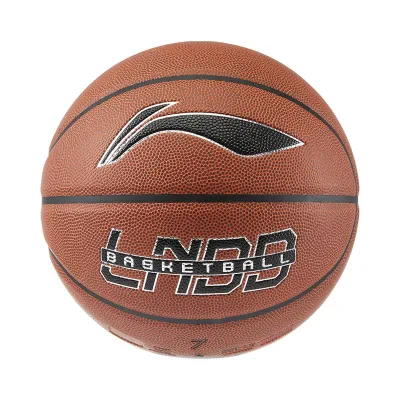
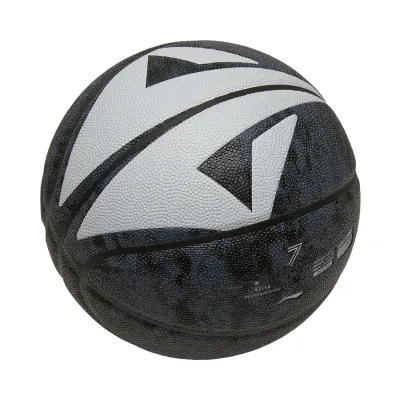
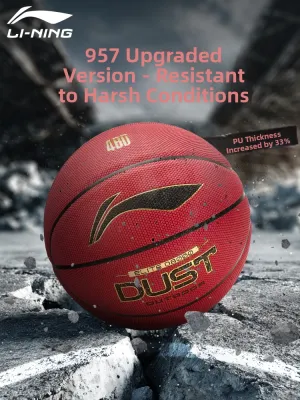
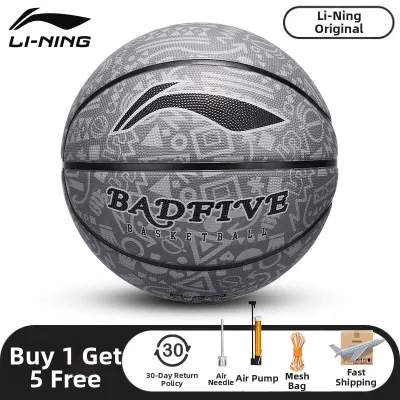
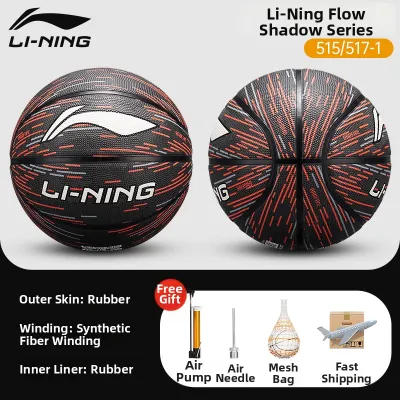
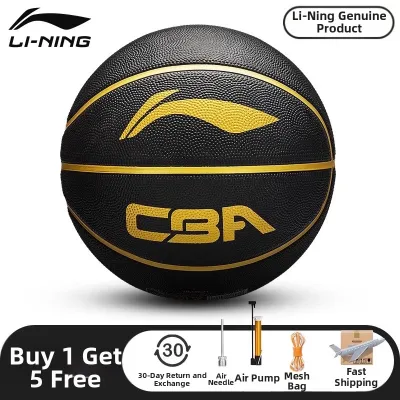
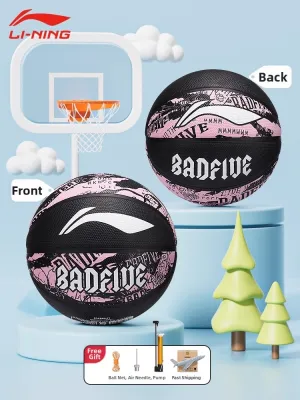
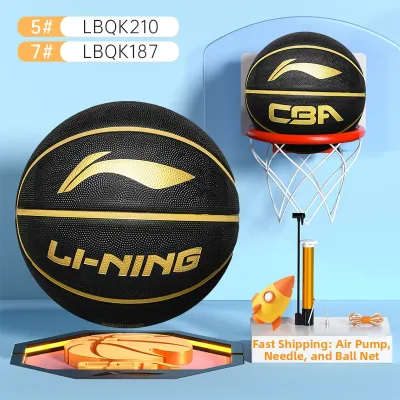
Prices are valid at publication and may change. Please refer to the product page for the latest price.
Safety is another major concern. Cheap synthetic materials and chemical dyes used in counterfeit manufacturing can cause skin irritation or allergic reactions during sweaty, high-intensity play. Additionally, unpredictable ball behavior—such as sudden deflation or erratic bounces off the rim—increases the risk of finger sprains, wrist injuries, or facial impacts.
Physical Traits of a Genuine Li-Ning Basketball
Packaging and Documentation
Authentic Li-Ning basketballs are typically shipped in high-quality, sturdy cardboard boxes featuring sharp, high-resolution printing. The packaging should include official branding, clear model specifications, and often a user manual or care instruction leaflet. Depending on the model, you will find an official warranty card or a dedicated authenticity tag with a scratch-off coating. The box should look professional, with no blurry text, faded colors, or flimsy cardboard construction.

Surface Texture and Material
The tactile feel of a genuine Li-Ning basketball is a primary indicator of its quality. Authentic composite leather (microfiber or PU) and high-grade rubber models feature a highly consistent, uniform pebble grain across all panels. The pebbles are distinct, deep enough to provide a secure grip even when your hands are sweaty in hot, humid tropical climates, and free from bald spots or uneven patches. The material feels supple yet firm, offering a balanced grip that is neither overly slick nor unnaturally sticky.
Logos and Printing
Examine the printed logos, brand names, and model graphics closely. On an original ball, the Li-Ning logo and all accompanying text are printed with absolute precision. The edges of the letters are sharp and crisp, the colors are vibrant, and there are no signs of ink bleeding, smudging, or misalignment. The graphics align perfectly across the panel seams, demonstrating high-end manufacturing standards.
Valve and Seams
The air valve of a genuine ball is cleanly molded and sits flush with the surface, showing no rough edges or excess rubber. It is designed to retain air pressure over long periods without leaking. The channel seams between the panels are deep, uniform, and straight. On premium models, these seams are hand-aligned or machine-pressed with extreme precision, ensuring no loose edges or visible glue residue.
Red Flags: How to Spot a Counterfeit Li-Ning Ball
Visual and Printing Flaws
Counterfeiters often struggle to replicate the exact typography and alignment of genuine Li-Ning products. Red flags include blurry, pixelated, or slightly distorted logos, misspelled brand names, and incorrect font weights. You might notice that the text looks off-center or that the graphics do not align properly where panels meet. Faded or inconsistent coloring across the ball is another clear sign of a cheap imitation.
Tactile and Material Shortcuts
To cut costs, counterfeit manufacturers use low-grade synthetic materials. A fake ball often feels excessively rigid, plasticky, or unnaturally smooth, offering very little grip. Alternatively, it may have a strange, sticky residue that attracts dust rapidly. The pebble grain on a counterfeit ball is typically shallow, uneven, or completely smoothed out in certain areas, which severely degrades your grip and ball control during a game.
Structural Weaknesses
Poor manufacturing leads to significant structural defects. Counterfeit balls often feature poorly molded air valves that leak air constantly, requiring you to pump the ball before every game. The seams are frequently shallow, unevenly spaced, or show visible, messy glue residue along the edges. Furthermore, fake balls often emit a strong, noxious chemical odor—indicative of low-grade PVC, toxic adhesives, or recycled rubber—unlike the mild, natural material scent of an original ball.
How to Use Official Verification Codes and Tools
Locating the Security Tag
Most modern Li-Ning basketballs come equipped with an anti-counterfeit security label. This label is typically found on the packaging box or attached directly to the ball’s tag. The label features a scratch-off area that conceals a unique 16-digit or 20-digit security code, or a secure QR code.
The Verification Process
To verify your product, follow these steps:
- Locate and scratch: Carefully scratch off the protective coating on the security label to reveal the unique code or QR code.
- Access the portal: Scan the QR code using your smartphone or visit the official Li-Ning anti-counterfeiting website directly. Avoid using search engine links that might lead to spoofed verification sites; type the official URL printed on the tag.
- Enter the code: Input the security code into the verification field on the official portal.
- Check the result: The system will display whether the code is valid and if it is being queried for the first time. If the system warns you that the code has already been checked multiple times, or if the code is invalid, the ball is highly likely a counterfeit.
Understanding Limitations
While digital verification is a powerful tool, it is not completely foolproof. Sophisticated counterfeiters have been known to clone valid security codes from genuine products and print them on multiple fake balls. If you are the first to scan a cloned code, it might appear valid. Therefore, you must always combine digital verification with a thorough physical inspection of the ball’s traits, materials, and overall build quality.
Safe Places to Buy a Genuine Li-Ning Basketball Ball
Official and Authorized Channels
The safest way to ensure you are getting a genuine product is to purchase directly from authorized sources. In the Philippines, this includes physical Li-Ning brand stores, established department stores, and reputable sports retail chains. When shopping online, always look for the official flagship stores of Li-Ning or authorized distributors on major e-commerce platforms. These stores carry verified badges and are backed by the brand’s official supply chain.
Evaluating Third-Party Sellers
If you choose to buy from independent or third-party sellers on online marketplaces, exercise extreme caution. Evaluate the seller using the following criteria:
- Store Ratings: Only buy from sellers with high positive feedback ratings (preferably above 90% to 95%).
- Verified Reviews: Check the product reviews for actual photos and videos uploaded by buyers. Look for close-up shots of the texture, seams, and security tags.
- Pricing Realism: Be highly skeptical of listings offering premium Li-Ning basketballs at prices that are unrealistically low compared to official retail rates. If a deal seems too good to be true, it almost certainly is.
Steps to Take If You Receive a Suspected Fake
Document the Evidence
If you suspect the ball you received is counterfeit, do not use it or discard the packaging. Immediately take clear, well-lit photos and videos of the suspected flaws. Capture close-up shots of blurry logos, messy seams, defective valves, and the packaging. If you attempted digital verification and it failed or showed multiple queries, take a screenshot of the verification result page.
Initiate a Return or Dispute
Log into the e-commerce platform where you made the purchase and initiate a return or refund request. Select the appropriate reason, such as “Counterfeit item” or “Item not as described.” Upload your documented photo and video evidence to support your claim. Most major online marketplaces have buyer protection policies that cover counterfeit goods, but you must act quickly within the platform’s specified return window.
Report the Seller
Help protect other basketball players in the community by reporting the fraudulent listing and store to the platform administrators. Provide your evidence to help them take down the listing. For severe cases of fraud or unresponsive sellers, you can also file a formal complaint with the Department of Trade and Industry (DTI) or local consumer protection authorities in the Philippines to seek further assistance.
Frequently Asked Questions (FAQ)
Can I authenticate a Li-Ning basketball just by its bounce?
No, you cannot rely solely on the bounce to authenticate a ball. While bounce consistency and air retention are important indicators of overall quality, they are highly subjective and can vary based on inflation pressure and temperature. A counterfeit ball might still bounce reasonably well when brand new, but it will quickly degrade. For a reliable conclusion, you must combine performance checks with physical inspections of the materials, logos, and digital security codes.
Do all genuine Li-Ning basketballs come with an anti-counterfeit tag?
Most modern, officially distributed Li-Ning basketballs feature security tags or scratch-off codes to combat counterfeiting. However, older stock, specific entry-level rubber models, or regional promotional variations might not always feature the standard scratch-off label. When in doubt, cross-reference the specific model’s packaging details with listings from official brand stores or consult an authorized distributor to verify its packaging specifications.
Community discussion
Share your experience or ask a question. Comments are reviewed before publication.