
A genuine Molten whistle is a critical piece of equipment for sports officials, coaches, and physical education teachers who require reliable, immediate communication on the field. To tell if a Molten whistle is original, you must carefully evaluate its physical construction, the precision of its molded branding, the print quality of its packaging, and the credibility of the seller. While counterfeiters have become increasingly sophisticated in replicating the visual appearance of premium sports gear, they consistently fail to match the strict manufacturing tolerances, material safety standards, and acoustic engineering of authentic Molten products. Inspecting these details systematically before finalizing a purchase is the most effective way to protect your investment and ensure optimal performance during matches.
Why Using a Genuine Molten Whistle Matters on the Pitch
In competitive sports like football, basketball, and volleyball, the whistle is the primary tool for maintaining order, safety, and flow on the pitch or court. A referee’s decision must be communicated instantly to players, coaches, and spectators. Genuine Molten whistles, such as the Valkeen or Dolfin series, are engineered with precise acoustic chambers that produce a distinct, high-decibel pitch capable of cutting through intense crowd noise and stadium acoustics. When an official blows a genuine whistle, the response is immediate, consistent, and highly authoritative.
Using a counterfeit whistle introduces significant operational risks during a match. Cheap replicas often suffer from poor internal design, leading to inconsistent sound projection or sudden failure when blown with varying force. In the tropical climate of the Philippines, outdoor sports venues are frequently subjected to intense heat, high humidity, and sudden downpours. Authentic Molten whistles are constructed to withstand these demanding environmental conditions without losing pitch or structural integrity. A counterfeit whistle, by contrast, is highly susceptible to warping under extreme heat or failing to clear moisture efficiently during a rainy afternoon football match, leaving the referee unable to signal critical stops in play.
Products mentioned in this guide
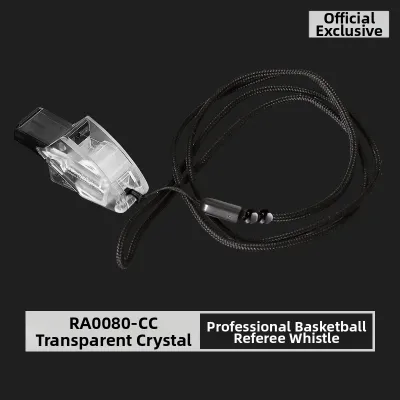
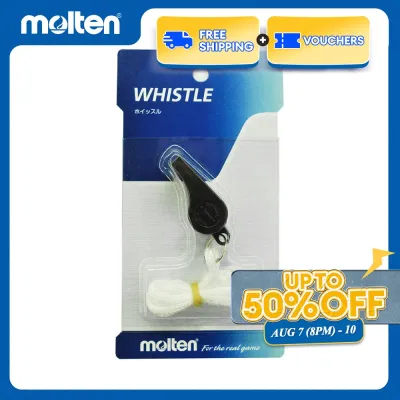
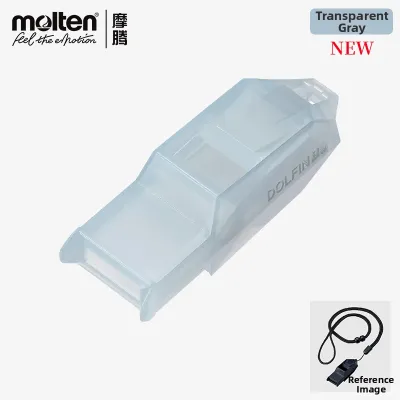
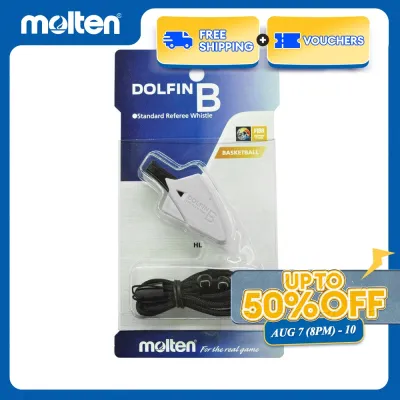
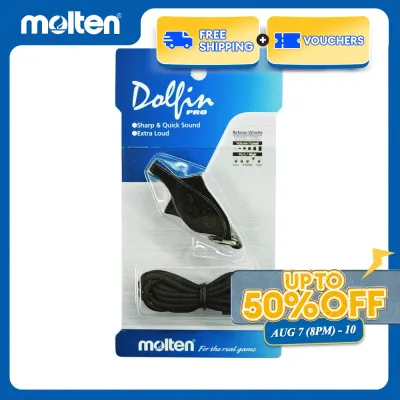
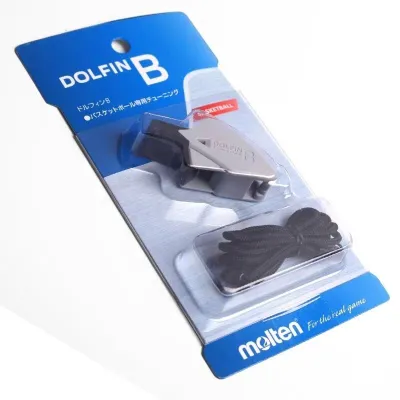
Prices are valid at publication and may change. Please refer to the product page for the latest price.
Beyond acoustic reliability, material safety and hygiene are paramount considerations. Referees and coaches often keep a whistle clenched between their teeth or lips for hours. Genuine Molten whistles are manufactured using food-safe ABS plastics and polycarbonates that comply with strict safety regulations. Counterfeit manufacturers operate entirely outside these regulatory frameworks, frequently utilizing low-grade, recycled plastics that may contain toxic chemical additives or heavy metals. These materials can leach into saliva over time, posing real health hazards to the user. Investing in an original whistle is therefore not just a matter of performance, but a necessary step to protect your health.
Inspecting Physical Markers on the Whistle Body
Conducting a hands-on examination of the whistle is one of the most effective ways to separate genuine products from cheap imitations. Because high-end replicas can look convincing from a distance, you must pay close attention to the micro-details of the manufacturing process. Evaluate the overall build quality, logo execution, and material feel together to form a reliable conclusion.

Logo Engraving and Typography
The branding on an original Molten whistle is a testament to high-precision injection molding. When examining the “molten” logo engraved on the whistle body, look for clean, sharp edges and uniform depth across every letter. The typography must match the brand’s official font exactly, with consistent spacing and a perfectly level alignment. On authentic models, the logo is an integral part of the mold, meaning it is physically recessed or raised with absolute precision.
Counterfeit whistles often reveal their origins through sloppy branding. On fake whistles, the logo engraving is frequently shallow, uneven, or blurry around the edges, suggesting the use of low-cost, worn-out molds. In some low-quality counterfeits, the logo is simply printed or painted onto the plastic surface rather than molded into it, which means the branding will quickly scratch off with regular use. Carefully compare the letters of the logo with verified product images, paying close attention to the thickness of the font strokes and the curves of the letters.
Material Quality, Seams, and Finish
The tactile feel and structural rigidity of a whistle are immediate indicators of its authenticity. Genuine Molten whistles are crafted from dense, high-grade plastic resins that feel solid and balanced in the hand. The surface finish is completely uniform, whether it is a matte texture or a high-gloss polish. When you apply moderate pressure to the sides of an original whistle, there should be absolutely no flexing, creaking, or structural giving.
Inspect the mold parting lines—the seams where the two halves of the whistle are joined during manufacturing. On an original Molten whistle, these seam lines are incredibly fine, flush with the surrounding plastic, and virtually imperceptible to the touch. Counterfeit whistles, produced on low-end machinery, almost always feature thick, raised, or rough seam lines. You will often find excess plastic residue, known as flashing, protruding from the edges of the mouthpiece or the sound chamber. These sharp, unfinished edges are not only a cosmetic flaw but can cause physical discomfort or minor cuts to your lips and tongue during active use.
Verifying Packaging, Tags, and Documentation Details
The packaging of a molten whistle original is designed to protect the product and convey essential consumer information clearly. Authorized manufacturers invest in high-quality materials and professional printing processes for their retail packaging, whereas counterfeiters often cut corners on these external elements to keep production costs low.
Begin by evaluating the overall quality of the blister pack, cardboard backing, or box. Genuine packaging features thick, rigid cardboard that does not easily bend or tear, along with clear, form-fitting plastic covers. The printing quality must be exceptionally sharp, with vibrant, accurate colors and high-definition graphics. If the packaging appears faded, has misaligned color layers, or features pixelated images, it is highly likely that the product inside is a counterfeit.
Next, carefully read the text printed on the front and back of the packaging. Genuine Molten products feature accurate SKU numbers, scannable barcodes, and correctly formatted multi-language instructions or choking hazard warnings. Counterfeit packaging is notorious for spelling mistakes, grammatical errors, and awkward sentence structures resulting from automated translation tools. Additionally, check for official distributor stickers or regional holographic labels. In the Philippine market, legitimate imports often carry specific importer tags, price labels in Philippine Pesos (₱), or security seals that are difficult for counterfeiters to replicate.
Choosing Reliable Sellers and Official Purchase Channels
The most reliable defense against purchasing a counterfeit sports accessory is selecting your retail channels with care. While online shopping offers unparalleled convenience, it also serves as the primary distribution network for unauthorized replicas. Knowing how to spot a suspicious seller can save you from the frustration of receiving a fake item.
Whenever possible, purchase your referee and coaching gear from authorized sports retailers, official brand flagship stores, or reputable local physical sports shops with established track records. If you prefer to shop on major e-commerce platforms, focus your search on verified merchants, official mall stores, or sellers with high positive feedback ratings. Take the time to read through customer reviews, specifically filtering for 1-star and 2-star ratings, as these often contain honest assessments and real photos from buyers who received inauthentic products.
Price is one of the most reliable indicators of authenticity. A premium, high-performance whistle like the Molten Valkeen is a specialized piece of equipment that typically retails between ₱2,000 and ₱3,500 due to its advanced acoustic design and included accessories. Mid-range options like the Dolfin are generally priced between ₱500 and ₱1,000. If an online listing offers a “genuine” Valkeen whistle for ₱150 or ₱250, the price itself is a definitive indicator of a counterfeit. Furthermore, avoid listings that rely solely on manufacturer stock photos; legitimate sellers are usually willing to provide actual, high-resolution photos of the product and its packaging upon request.
What to Do If You Suspect You Bought a Counterfeit
If you have already completed a purchase and suspect your whistle is a counterfeit, you should take immediate, structured steps to protect your consumer rights and seek a resolution. Do not use the whistle if you plan to return it, as keeping it in pristine, unused condition strengthens your claim.
Start by documenting the item thoroughly. Take clear, well-lit photos and close-up videos of the whistle, focusing on the specific manufacturing flaws, blurry logos, rough seams, or packaging discrepancies you have identified. Compare these physical anomalies directly with images of authentic products from official sources to build a clear, evidence-based case.
Contact the seller directly through the e-commerce platform’s messaging system to initiate a return or refund request. Frame your request clearly, stating that the product delivered is inauthentic and “not as described” in the original listing. Under local consumer protection laws and the terms of service of major online marketplaces, sellers are obligated to deliver genuine goods and must provide a full refund for counterfeit items.
If the seller is uncooperative, denies the claim, or fails to respond within a reasonable timeframe, escalate the issue immediately to the platform’s customer dispute resolution center. Submit your photographic evidence, order details, and communication history. E-commerce platforms generally freeze the seller’s payout while an investigation is ongoing, giving you a strong chance of recovering your funds. Finally, consider reporting the seller’s storefront to the platform administrators or filing a formal complaint with the Department of Trade and Industry (DTI) to help prevent other buyers in the local sports community from being defrauded.
Frequently Asked Questions (FAQ)
Can I verify a Molten whistle using a serial number or QR code?
Most standard Molten sports whistles do not feature unique, item-level serial numbers or scannable QR codes on the whistle body itself. Some premium models or limited-edition packages may include authenticity cards or regional distributor scratch-off codes on the outer packaging. Because digital verification is not universally available across all Molten models, performing physical inspections of the whistle’s build quality and buying from verified sellers remain your most reliable defense against fakes.
Do all genuine Molten whistles include a branded lanyard?
No, not all genuine Molten whistles come with a branded lanyard. While high-end models like the Valkeen are packaged with specialized lanyards or multiple sizes of finger grips, many standard models, such as the basic Dolfin or Fox40-style PE whistles, are sold as standalone items or with simple, unbranded cords. Always check the official product specifications for your specific model rather than assuming a missing lanyard indicates a fake.
Does a genuine whistle always sound louder than a fake?
Not necessarily. While a genuine Molten whistle is meticulously engineered to project a clear, high-decibel sound that cuts through stadium noise, a counterfeit whistle can still sound remarkably loud when blown with force. However, fakes often require significantly more lung capacity to reach that volume, produce inconsistent pitches, or fail to work when moisture from saliva or humid Philippine weather accumulates inside the sound chamber.
Community discussion
Share your experience or ask a question. Comments are reviewed before publication.