
Identifying a genuine speargun requires a careful combination of physical inspection, price evaluation, and purchasing channel verification. Spearfishing is a high-risk sport that demands proper training, physical fitness, and strict adherence to safety protocols; no piece of equipment can replace formal training or sound judgment in the water. Before diving into tropical waters, ensuring your gear is authentic and structurally sound is a critical safety step that every diver must take.
Why Counterfeit Spearguns Pose Safety and Performance Risks
Spearguns operate under immense mechanical tension. When you load high-modulus rubber bands, the barrel, trigger mechanism, and shaft are subjected to extreme forces. A counterfeit speargun often uses substandard materials that cannot withstand this pressure, leading to catastrophic failures under load.
A primary hazard of fake gear is trigger mechanism failure. If the internal sear slips under load, the speargun can discharge unexpectedly, risking severe injury to you or your dive buddy. Genuine manufacturers subject their trigger mechanisms to rigorous stress testing, a step completely bypassed by counterfeiters.
Products mentioned in this guide
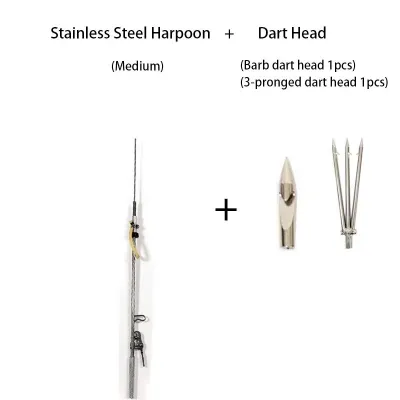
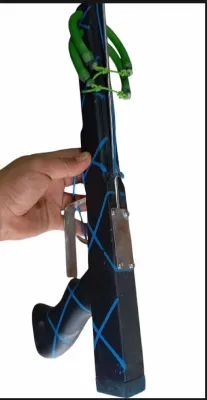
Prices are valid at publication and may change. Please refer to the product page for the latest price.
Structural failures like barrel bending or snapping are also common with counterfeit models. Genuine barrels are engineered to resist flexing under tension, whereas cheap imitations may warp, ruining your accuracy and potentially shattering during a shot. This compromise in material integrity directly impacts both your safety and your success in the water.
Furthermore, counterfeit manufacturers do not offer warranties, safety recalls, or replacement parts. If a component fails, you are left with a useless and dangerous piece of equipment and no recourse for customer support. Investing in original gear ensures you have access to manufacturer support and reliable replacement components.
Physical Checks to Identify an Original Speargun
Begin your inspection at the handle and trigger mechanism. Genuine manufacturers use high-grade stainless steel or reinforced composite materials for the sear and trigger. Look closely at the metal parts; they should have smooth, clean edges with no signs of rough casting, burrs, or uneven machining.

Examine the branding and logos on the receiver and barrel. Original spearguns typically feature deeply engraved, laser-etched, or molded logos that are integrated into the material. Counterfeits often rely on cheap vinyl stickers, poorly aligned decals, or painted text that easily scratches off with a fingernail.
Assess the barrel finish and overall construction. High-quality aluminum or carbon fiber barrels have a consistent, smooth anodized or matte finish designed to resist saltwater corrosion. Check for any uneven thickness, ripples, or visible seams along the tube, which indicate low-quality manufacturing.
Inspect the rubber bands and wishbones. Original bands are made of high-grade latex with consistent elasticity and clean cut ends. The wishbones—whether metal wire or Dyneema line—should be securely tied or crimped with professional precision, showing no signs of fraying or loose knots.
Common Red Flags of Fake Spearfishing Guns
An incredibly low price is one of the most immediate warning signs. If a premium speargun that normally retails for thousands of pesos is listed on an online marketplace for a fraction of that price, it is highly likely a counterfeit. Genuine manufacturing processes and high-grade materials have baseline costs that legitimate brands cannot bypass.
Examine the packaging and documentation. Original spearguns are shipped in sturdy, branded packaging designed to protect the barrel and shaft during transit. They almost always include a detailed user manual, safety instructions, and sometimes branded accessories. Flimsy cardboard tubes, generic plastic wrapping, or a complete lack of documentation are major red flags.
Look for spelling errors and altered branding. Counterfeiters often make subtle changes to brand names or logos to avoid direct trademark infringement while still deceiving casual buyers. Check every letter on the product and packaging carefully before making a purchase.
Search for the serial number. Most reputable speargun manufacturers stamp or engrave a unique serial number onto the receiver or the underside of the barrel. A missing, defaced, or generic-looking serial number that matches other listings is a clear sign of a fake.
Reliable Purchasing Channels and Verification Methods
The safest way to ensure you are buying genuine gear is to purchase directly from authorized local dive shops or official brand websites. Local physical shops in coastal regions allow you to handle the speargun, inspect its weight, and verify its build quality in person before spending your money.
Before buying from an online seller, cross-reference their credentials with the manufacturer’s official dealer directory. Legitimate brands maintain updated lists of authorized distributors and retail partners on their websites. If a seller is not listed, proceed with extreme caution.
When in doubt, leverage the manufacturer’s customer support. Take clear, high-resolution photos of the trigger mechanism, logos, and serial number, and email them to the brand’s official support channel. They can quickly verify if the serial number exists in their database and matches the specific model.
Steps to Take If You Receive a Suspected Counterfeit
If you suspect you have received a counterfeit speargun, do not attempt to load or test-fire it. Immediately document all physical discrepancies, poor finishes, misspelled logos, and packaging flaws. Take clear, well-lit photos and videos comparing the received item to official product images.
Initiate a return or dispute through the e-commerce platform’s buyer protection program right away. Provide your documented evidence to support your claim that the item is counterfeit. Most reputable online marketplaces have strict policies against selling fake goods and will facilitate a refund.
Report the fraudulent listing to the platform to prevent other divers from purchasing it. Additionally, notify the original brand’s legal or customer support department about the seller. Sharing this information helps manufacturers take down counterfeit operations and protects the wider diving community.
Frequently Asked Questions (FAQ)
Can I rely solely on the price to identify a fake speargun? (FAQ)
While a suspiciously low price in pesos is a strong indicator of a counterfeit, you cannot rely on price alone. Some sophisticated counterfeiters price their fake products close to the standard retail rate to make them appear authentic. Always combine price checks with physical inspections and seller verification.
Do all original spearguns come with a warranty card? (FAQ)
Not all genuine spearguns include a physical warranty card in the box. Warranty policies vary widely by manufacturer; some brands require digital registration on their official website, while others rely entirely on the purchase receipt from an authorized dealer as proof of warranty coverage.
Community discussion
Share your experience or ask a question. Comments are reviewed before publication.