
To identify a genuine Molten size 7 basketball online, you must look beyond stock photos and verify the seller’s reputation, the retail price point, and physical details like seam alignment, print precision, and tactile grip once delivered. Counterfeiters have become highly skilled at replicating visual designs, making a systematic inspection of the ball’s physical characteristics and packaging essential to ensure you are getting a genuine product that can withstand intense play.
Understanding the Risks of Counterfeit Basketballs Online
Basketball is a national passion in the Philippines, played on every street corner, barangay court, and indoor gym. Because Molten is the preferred brand for many local leagues and official tournaments, the demand for these high-quality size 7 basketballs is incredibly high. This massive demand unfortunately drives a highly active market for counterfeit products across major online marketplaces and ecommerce platforms.
When shopping online, distinguishing a genuine ball from a replica is incredibly difficult because untrustworthy sellers frequently use official brand stock photos on their listings. You only discover the true nature of the product once the package arrives at your doorstep. Buying a fake ball does not just result in a waste of your hard-earned money; it actively hinders your performance and development on the court.
Products mentioned in this guide
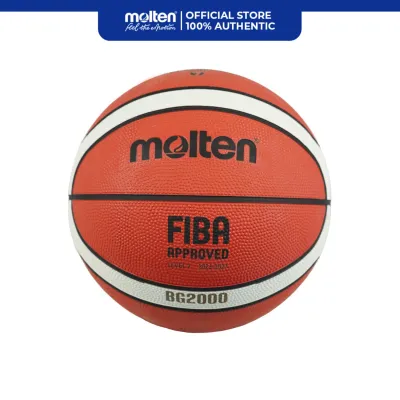
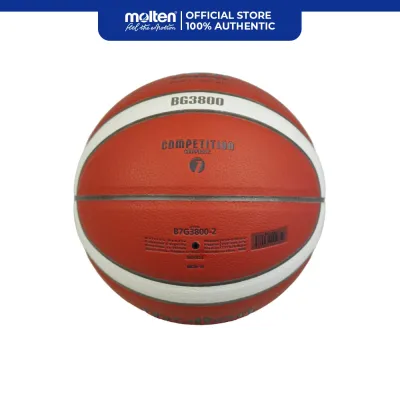
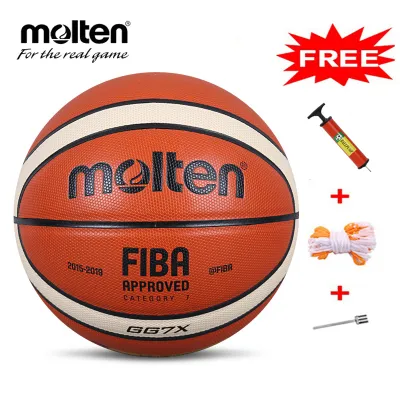
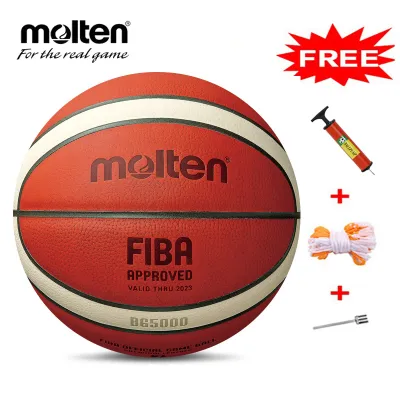
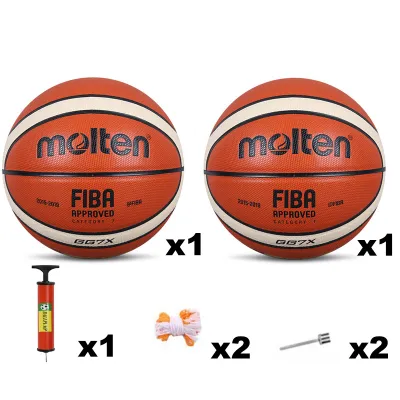
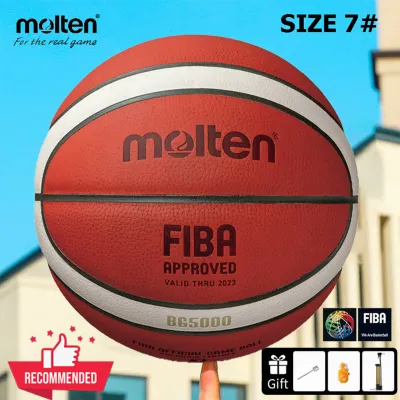
Prices are valid at publication and may change. Please refer to the product page for the latest price.
Counterfeit basketballs are typically constructed from low-grade synthetic materials that cannot handle the intense heat and tropical humidity of local playing conditions. These imitation balls quickly become slick when exposed to sweat, making dribbling and shooting difficult. Furthermore, they suffer from rapid material degradation, inconsistent bounce patterns, and warped panels after only a few sessions on rough outdoor concrete courts.
Key Physical Checks for an Authentic Molten Size 7
Once your package arrives, performing a hands-on physical inspection is your most reliable defense against counterfeit sports equipment. Because digital verification systems are not always present on every model, evaluating the tactile feedback and manufacturing precision of the ball will quickly reveal whether you received an authentic product or a cheap imitation.

Surface Texture, Grip, and Material Quality
An authentic Molten size 7 basketball features a highly consistent, uniform pebble pattern designed to optimize grip and control during fast-paced play. When you run your hands over the surface of a genuine ball, the pebbles should feel distinct, defined, and evenly spaced. The channels or seams between the panels must be uniform in both width and depth, providing a natural feel for your fingers when setting up a shot.
In contrast, counterfeit basketballs often emit a strong, harsh chemical odor of cheap adhesives and low-grade plastics immediately upon unboxing. The surface of a fake ball typically feels slick, waxy, or overly plastic-like, which severely compromises your grip when your hands start to sweat. Additionally, inspect the panel alignment closely; genuine manufacturing standards ensure that every panel is perfectly flush with the seams, whereas replicas frequently show visible glue residue, lifting edges, or uneven gaps.
Logos, Branding, and Print Precision
The branding and technical specifications printed on an authentic Molten basketball are applied using high-precision machinery, resulting in sharp, clean edges on all text and logos. Inspect the main Molten logo, the size 7 indicator, and the model number very closely. The lettering should be perfectly aligned with the panels and completely free from smudges, bleeding ink, or jagged borders.
On counterfeit versions, you will often notice blurred text, misaligned stamps, or inconsistent font weights where some letters appear thicker than others. Genuine branding is typically deeply embossed or securely printed into the material, meaning it will not easily peel, scratch off, or fade after a single practice session. If the logo feels like a cheap sticker or a superficial paint layer that scrapes away easily with a fingernail, the ball is likely a counterfeit.
Inspecting the Packaging and Included Accessories
The packaging and accessories that accompany your basketball can provide immediate clues about its authenticity. Genuine Molten basketballs often arrive in high-quality cardboard boxes featuring crisp, high-resolution printing and accurate brand colors. Inspect the box for any blurry graphics, washed-out colors, or structural flimsiness that suggests a low-cost reproduction.
Examine any included hangtags, inflation needles, or instruction manuals for spelling mistakes, grammatical errors, or poor paper quality. Authentic accessories are produced with the same attention to detail as the ball itself. However, keep in mind that some authorized retailers ship genuine balls in minimal packaging or deflated states to reduce shipping bulk, so packaging should always be evaluated alongside the physical checks of the ball itself.
Evaluating the Seller and Online Listing Details
Protecting yourself from counterfeits starts before you even click the buy button by carefully evaluating the online listing. Compare the listed price against the standard retail range in ₱ for that specific Molten model. If a seller is offering a premium size 7 game ball for a fraction of its usual retail price, it is almost certainly a counterfeit, as genuine high-performance sports equipment rarely carries extreme discounts.
Take the time to thoroughly read through the seller’s ratings and customer reviews, focusing specifically on user-uploaded photos and videos. Look for repeated complaints about poor air retention, peeling panels, or buyers explicitly warning that the product is a replica. To minimize risk, prioritize purchases from official brand stores, authorized sporting goods retailers, or highly rated specialty shops with a proven track record of authentic inventory.
What to Do If You Suspect a Counterfeit Purchase
If you receive a basketball and suspect it is a counterfeit, document your findings immediately to build a strong dispute case. Record a clear unboxing video and take high-resolution photos of any physical flaws, such as misaligned seams, peeling logos, or glue residue. These visual proofs are vital when submitting a return or refund request through the ecommerce platform’s buyer protection program.
Do not inflate or use the suspected counterfeit ball for intense training sessions or official games. Fake basketballs often exhibit unpredictable bounce patterns and poor grip, which can disrupt your mechanics and increase the risk of slips or finger injuries on the court. Keep the ball in its original packaging and contact the seller or platform customer support immediately to initiate the dispute process.
Frequently Asked Questions (FAQ)
Can I verify a Molten basketball using a barcode or QR code scanner?
Standard barcode scanners found on mobile apps only read the universal product code to identify the model type, which counterfeiters can easily copy onto fake packaging. To truly verify authenticity digitally, check if your specific Molten model features a secure, scratch-off verification sticker with a unique QR code. If it does, ensure you only scan it using the official brand verification portal or app specified by the manufacturer, rather than a generic scanning tool.
Does a genuine Molten Size 7 basketball always have a FIBA logo?
No, not every genuine Molten size 7 basketball will feature a FIBA logo. The FIBA approval mark is reserved exclusively for specific models certified for official international competition, such as premium leather game balls. Genuine Molten training balls, rubber outdoor models, and entry-level synthetic leather balls designed for recreational play are manufactured to high quality standards but may not carry the FIBA stamp.

Community discussion
Share your experience or ask a question. Comments are reviewed before publication.