
Finding genuine protective gear is essential for athletes who rely on consistent joint support during high-impact movements. Counterfeit sports accessories have become increasingly common on online marketplaces, making it easy to accidentally purchase substandard gear. Knowing how to verify the authenticity of your equipment ensures you receive the physical protection and material quality you expect.
Using unverified gear also creates a dangerous false sense of security. When you believe your joints are fully protected, you are more likely to execute high-risk defensive plays, such as hard knee slides or dives. If the padding fails to cushion the impact, you risk acute joint bruising, patellar micro-trauma, or more severe ligament strains. Investing in verified equipment is a fundamental step in injury prevention.
Why Authenticity Matters for Joint Protection
Knee pads are designed to absorb sudden impacts when diving or sliding on hard court surfaces. Genuine protective gear uses engineered foam or gel inserts designed to distribute force. Counterfeit alternatives often substitute these specialized materials with cheap, low-density packaging foam that collapses completely under pressure, offering virtually no shock absorption.
Products mentioned in this guide
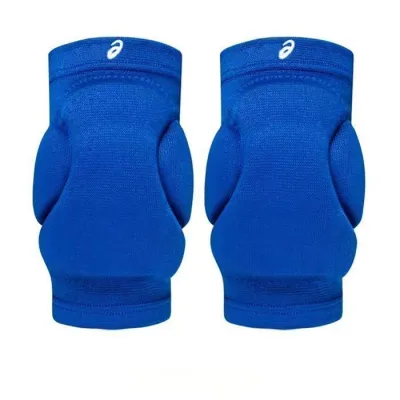
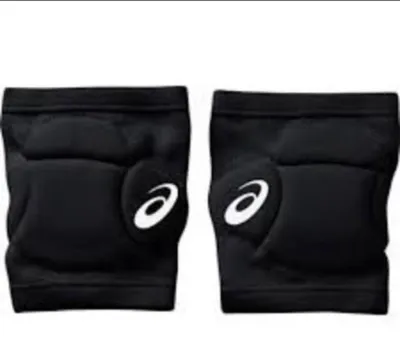
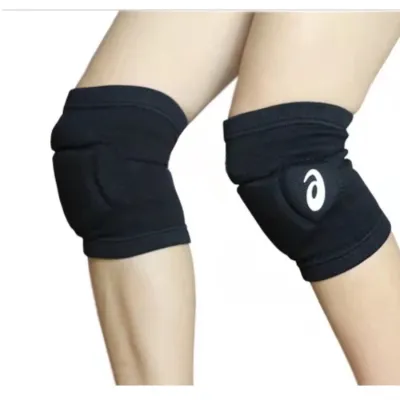
Prices are valid at publication and may change. Please refer to the product page for the latest price.
Consider the tropical climate. High humidity and intense physical activity lead to heavy sweating. Authentic gear uses moisture-wicking, hypoallergenic fabrics that allow the skin to breathe. In contrast, counterfeit manufacturers frequently use cheap, chemically treated synthetic textiles. These unverified materials can trap heat and moisture against your skin, leading to painful chafing, rashes, or allergic contact dermatitis during long training sessions.
Step-by-Step Authenticity Checks for ASICS Knee Pads
Verifying your protective gear requires a methodical, hands-on inspection. Before you wear the pads to a game or practice, set aside a few minutes to examine their physical characteristics.

Perform this inspection in a well-lit area, preferably under bright, natural daylight. Natural light makes it much easier to spot subtle color variations, fabric flaws, and printing errors. Keep the official brand website open on a smartphone or computer screen so you can compare your item directly with high-resolution product images.
Inspecting Packaging, Tags, and Labels
The packaging and labeling are often the first places where counterfeiters cut corners. Start by examining the outer plastic bag or box. Genuine packaging features clean, crisp printing with sharp barcodes and perfectly aligned brand logos. If the plastic feels unusually thin, crinkly, or has a strong chemical odor, treat it as a warning sign.
Next, inspect the cardboard hangtags attached to the knee pads. Authentic tags display clear, legible product information, including the exact model name, size, and a scannable barcode. Look closely at the font style and spacing. Counterfeit tags often exhibit blurry text, uneven margins, or spelling mistakes in the care instructions and material descriptions.
Turn the knee pad inside out to examine the sewn-in fabric care label. Genuine labels are securely stitched into the seam and contain detailed washing instructions, material compositions, and the official style or SKU number. If this tag is missing, crooked, or printed on stiff, scratchy paper with faded ink, the product is highly likely to be an imitation.
Evaluating Build Quality, Stitching, and Materials
The structural integrity of a knee pad depends entirely on its construction quality. Examine the stitching along the upper and lower hems, as well as around the central padding sleeve. Genuine sports gear features tight, even, double-stitched seams designed to withstand stretching and repeated washing. Loose threads, skipped stitches, or wavy seams indicate poor quality control typical of replica factories.
Feel the compression sleeve fabric. Authentic sleeves are made from a dense, elastic blend that offers firm compression while retaining its shape after being stretched. If the fabric feels thin, loose, or rough to the touch, it will likely stretch out permanently after a few uses, causing the pad to slip down your leg during active play.
Press firmly on the protective padding insert. Genuine pads use high-density foam or specialized gel that resists bottoming out when compressed. If the padding feels hollow, lumpy, or easily collapses to the thickness of paper under light thumb pressure, it will not protect your knees from hard court impacts. Additionally, check any internal silicone grip strips; they should feel smooth and slightly rubbery to prevent slipping, rather than sticky, tacky, or completely dry.
Verifying Logo Placement and Branding Details
Brand logos are highly protected intellectual property, and manufacturers use precise specifications to apply them. Compare the embroidered or printed logo on your knee pad with the official brand assets. The font weight, letter spacing, and overall proportions must match perfectly.
Look for physical imperfections in the branding application. On genuine embroidered logos, the stitching is dense, smooth, and free of loose threads connecting the letters. Printed logos should be flexible, cleanly bonded to the fabric, and resistant to cracking or peeling when the sleeve is gently stretched.
Pay attention to secondary branding elements, such as technology labels or collection names printed on the side of the sleeve. Counterfeiters often use generic fonts or place these marks in the wrong positions. Any deviation from the official product layout is a strong indicator of a counterfeit product.
Assessing the Seller and Pricing on Online Marketplaces
Smart shopping habits on online marketplaces can prevent you from buying counterfeit gear in the first place. Be highly skeptical of listings with prices that seem too good to be true. While genuine sports accessories occasionally go on sale, prices that are significantly lower than the standard ₱ retail range for authentic gear are a major red flag. Counterfeiters rely on extremely low prices to lure unsuspecting buyers looking for a quick bargain.
Before clicking the purchase button, thoroughly investigate the seller’s profile. Check their overall rating, the age of their store, and customer feedback. Look specifically for detailed reviews from previous buyers, paying close attention to any mentions of poor material quality, incorrect sizing, or suspected fakes. Be cautious of stores that have high ratings but only feature generic, repetitive, or poorly translated reviews, as these can be artificially inflated.
To guarantee authenticity, prioritize buying directly from official brand flagship stores, authorized physical sports retailers, or verified distributors on major e-commerce platforms. These sellers source their inventory directly from the manufacturer, ensuring you receive genuine products backed by standard customer support. Avoid unverified third-party sellers who ship from unknown locations and refuse to provide clear product photos or origin details.
Steps to Take If You Receive a Suspected Fake
If you have already purchased a knee pad and suspect it is counterfeit upon arrival, act quickly to protect your purchase. Start by documenting all the physical discrepancies you have identified. Take clear, well-lit, high-resolution photographs of the blurry tags, uneven stitching, peeling logos, and substandard packaging next to a ruler or under natural light.
Do not wear or use the knee pads, as doing so may void your ability to return them. Log into the online marketplace or e-commerce platform where you made the purchase and initiate a formal return or refund request. Select the option indicating that the item received does not match the description or is a suspected counterfeit, and upload your photographic evidence to support your claim.
Finally, report the seller and the specific product listing to the platform’s customer support team. Most reputable online marketplaces have strict policies against the sale of counterfeit goods and will take action to suspend dishonest sellers. By reporting these listings, you help protect other athletes in the community from purchasing unsafe, unverified protective gear.
Frequently Asked Questions (FAQ)
Do genuine ASICS knee pads have a scannable verification QR code?
While some modern sports apparel and accessories feature QR codes or serial numbers for inventory tracking, their presence alone does not guarantee authenticity. Counterfeit manufacturers can easily print a replica QR code that links to a cloned or fake verification website. Instead of relying solely on digital scans, always prioritize physical checks, such as evaluating the fabric density, stitching quality, and purchasing only from authorized retail channels.
Does the country of origin on the tag indicate if the knee pad is fake?
No, a specific country of origin on the tag does not automatically mean the knee pad is counterfeit. Major global sports brands utilize manufacturing facilities across several countries, primarily in Asia, to produce their gear. A genuine product may be labeled as made in China, Vietnam, or other regional manufacturing hubs. Rather than focusing solely on the country name, cross-reference the tag’s font, alignment, and SKU number with official brand specifications to verify its authenticity.
Community discussion
Share your experience or ask a question. Comments are reviewed before publication.