
Finding a genuine badminton original requires a systematic approach of visual inspection, serial number verification, and seller vetting. In the Philippines, where badminton is highly popular across both indoor sports complexes and outdoor community courts, the market has seen an influx of convincing counterfeit rackets. These replica rackets mimic the aesthetic designs of premium models but lack the advanced materials, structural engineering, and safety standards of authentic gear. For players looking to elevate their game and protect their investment, learning how to distinguish a genuine racket from a counterfeit is an essential skill.
The Risks of Playing With Counterfeit Rackets
Using a counterfeit racket poses significant risks to both your performance on the court and your physical safety. Genuine rackets are engineered using high-grade carbon fiber composites designed to withstand extreme forces during high-speed swings and intense rallies. Counterfeit rackets, on the other hand, are often constructed from cheap aluminum or low-grade graphite. These inferior materials lack structural integrity, making the frame highly susceptible to warping or snapping under tension. If a racket frame breaks mid-swing, sharp carbon shards can fly off, posing a severe risk of injury to your eyes, face, or anyone standing nearby.
Inconsistent weight distribution is another major drawback of counterfeit equipment. Authentic manufacturers spend years perfecting the balance point, shaft flexibility, and overall weight of each racket model to suit specific playing styles. Fake rackets rarely replicate these precise specifications, resulting in an awkward, unbalanced feel. Playing with an improperly balanced racket forces your wrist, elbow, and shoulder to compensate for the poor mechanics, which significantly increases the risk of developing repetitive strain injuries like tennis elbow. Furthermore, counterfeit rackets offer absolutely no warranty coverage or after-sales support, leaving you with no recourse when the racket fails.
Products mentioned in this guide
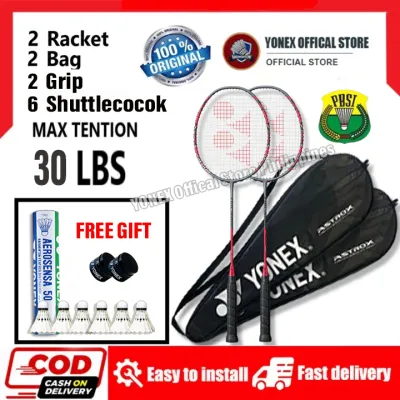
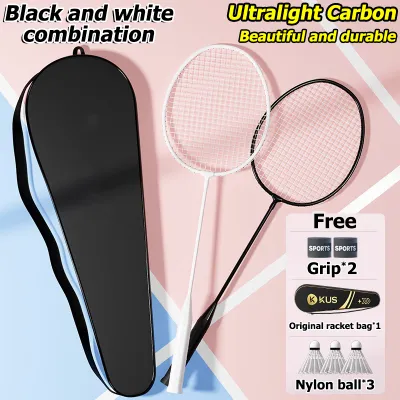
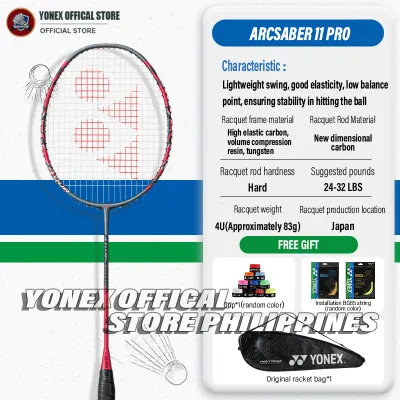
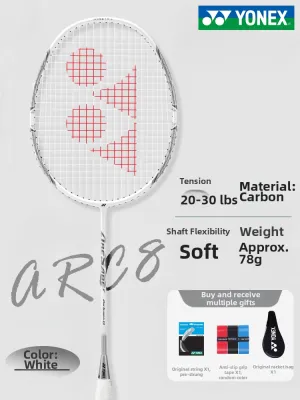
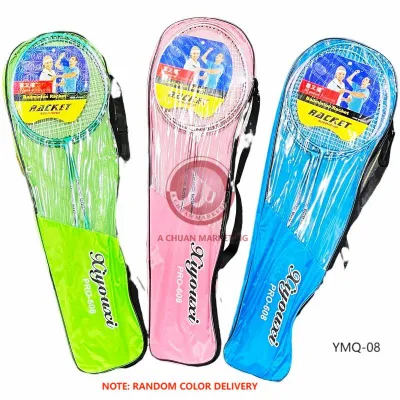
Prices are valid at publication and may change. Please refer to the product page for the latest price.
Physical Markers to Inspect on the Racket
A hands-on visual and tactile inspection is your first line of defense when evaluating a racket’s authenticity. Before making a purchase or immediately upon receiving a delivery, take the time to examine the physical build quality of the frame, shaft, grip, and paint finish.

Run your fingers along the entire frame and shaft of the racket. Genuine rackets undergo rigorous manufacturing processes that ensure a perfectly smooth, seamless finish. Pay close attention to the joint area where the shaft meets the racket head. On a counterfeit racket, you will often feel rough edges, uneven joints, or visible molding seams where the two pieces were poorly fused together. The shaft of an original racket should feel uniform in diameter and exhibit a consistent flex when gently bent, whereas a fake shaft may feel unusually stiff or show visible imperfections in the carbon fiber weave.
The cone—the triangular plastic piece located just above the wooden handle—is one of the most common areas where counterfeiters make mistakes. On a genuine racket, the brand logo, model name, and technical specifications printed on the cone are perfectly aligned, sharp, and deeply engraved. Counterfeit cones often feature blurry text, misaligned logos, or use cheap, brittle plastic that feels hollow or creaks when squeezed. Additionally, inspect the grip tape. Original rackets come with neatly wrapped, high-quality grip tape that adheres tightly to the handle. Fakes often have loose, unevenly wrapped grip tape that easily unravels, especially when exposed to the high humidity and sweat typical of playing conditions in the Philippines.
Premium badminton brands utilize advanced multi-layered painting techniques and high-resolution water-slide decals to give their rackets a flawless aesthetic. When inspecting a suspected fake, look closely at the graphics and lettering on the frame. Counterfeits frequently display blurry decals, uneven paint thickness, and visible paint runs or bubbles. The color shades on a fake racket may also appear slightly duller or completely different from the official product images provided on the manufacturer’s website. If you notice any spelling mistakes in the technology labels printed on the frame, it is a definitive sign of a counterfeit product.
Official Verification and Authentication Checks
While physical markers can help you spot low-quality replicas, high-grade counterfeits require more advanced verification methods. Reputable manufacturers have implemented several security features to help consumers verify that they are purchasing a genuine badminton original.
Most premium badminton brands place a specialized holographic security sticker on the cone or handle of the racket. These stickers are incredibly difficult for counterfeiters to replicate accurately. When you tilt an authentic holographic sticker under a bright light source, the optical patterns should shift smoothly, revealing multi-layered 3D elements, changing colors, or hidden brand logos. On a counterfeit racket, the holographic sticker is often flat, dull, and merely reflects a simple rainbow pattern without any depth or shifting security details. Some fake stickers can even be easily peeled off in one piece, whereas genuine security stickers are designed to tear or leave a residue if tampered with.
Authentic rackets feature unique serial numbers that are laser-engraved onto the shaft and the cone. These numbers are not merely printed on top of the lacquer; they are etched into the material itself. If you run your fingernail gently over the serial number of a genuine racket, you should feel a distinct physical indentation. The font style, size, and spacing of these numbers are highly standardized. Counterfeiters often print the serial numbers using standard ink, resulting in a smooth surface, or they use incorrect font styles that do not match the manufacturer’s official formatting. Additionally, the date code embedded within the serial number of an original racket will always correspond to a logical production date.
The most reliable way to confirm authenticity is through the manufacturer’s official digital verification portal. Many brands now include a scratch-off panel on their security stickers that reveals a unique, one-time-use authentication code. To verify your racket, visit the official brand website or download their authorized mobile application, then enter the code or scan the QR code provided. The system will instantly inform you if the code is valid and whether it has been queried before. If the system indicates that the code has already been checked multiple times, or if the code does not exist in the database, you are holding a counterfeit racket.
Evaluating the Seller and Pricing Red Flags
Preventing a counterfeit purchase starts with choosing the right shopping channel and maintaining a realistic expectation of pricing. Understanding the local retail landscape in the Philippines will help you avoid common online traps.
Always compare the asking price of the racket in ₱ against the manufacturer’s suggested retail price (MSRP). While local sports shops and online distributors may offer occasional seasonal promotions or clearance sales, genuine high-end rackets rarely sell for a fraction of their retail value. If a premium racket that normally costs ₱9,000 is being advertised online for ₱1,500, it is a clear indicator of a counterfeit product. Genuine carbon fiber materials and precision engineering cannot be manufactured or sold at such low price points.
When shopping online, prioritize authorized brand flagship stores or highly reputable local sports retailers that have a physical presence in major Philippine cities. Be extremely cautious when browsing unverified third-party sellers on e-commerce platforms. Check the seller’s profile thoroughly, paying close attention to their customer feedback. Do not rely solely on the overall star rating, as these can sometimes be manipulated. Instead, filter the reviews to read the one-star and two-star feedback. Look specifically for comments where buyers mention receiving a “fake,” “class A replica,” or note that the racket “broke on the first hit.” A reputable seller will have a transparent return policy and clear contact information.
Steps to Take If You Receive a Suspected Fake
If you have already purchased a racket and suspect it is a counterfeit upon delivery, taking immediate and structured action is vital to protecting your money.
First, document the entire unboxing and inspection process. Take clear, well-lit, high-resolution photographs of the racket from multiple angles. Capture close-up shots of the specific physical flaws, the serial numbers on the shaft and cone, the holographic sticker, and the shipping label on the packaging. This visual evidence is crucial when filing a dispute.
Next, contact the e-commerce platform’s customer support or dispute resolution center immediately. Do not click the button to confirm receipt of the order or complete the transaction, as doing so often releases the payment to the seller and complicates the refund process. Submit your documented photos and videos along with a detailed explanation of why you believe the item is counterfeit, referencing the physical discrepancies you identified.
Finally, keep the racket in its exact original condition. Do not remove the plastic wrapping from the handle, do not apply any overgrips, and absolutely do not attempt to string or play with the racket. Altering the physical state of the product in any way can void the e-commerce platform’s buyer protection policies, giving the seller a valid reason to dispute your return and reject your refund request.
Frequently Asked Questions (FAQ)
Can a fake badminton racket be strung at high tensions?
Counterfeit badminton rackets are built using inferior materials like low-grade graphite or aluminum alloys that lack the tensile strength of a genuine carbon fiber frame. Because of this structural weakness, fake frames cannot withstand the high tension levels required by intermediate and advanced players. If you attempt to string a counterfeit racket at high tensions, such as 24 lbs or above, the frame is highly likely to warp, crack, or completely collapse under the pressure. Always check the manufacturer’s recommended tension range printed on the shaft of an original racket, and avoid pushing a suspected fake beyond basic recreational tensions to prevent sudden breakage.
Do all original badminton rackets come with a warranty card?
While many premium, original badminton rackets do include a physical warranty card or registration booklet, its presence alone is not a guarantee of authenticity. Counterfeiters can easily print replica warranty cards that look highly convincing to the untrained eye. To ensure the warranty is legitimate, you must verify that the serial number printed on the card matches the laser-engraved serial number on the racket’s cone and shaft. Furthermore, a genuine warranty is only valid if the racket was purchased from an authorized dealer who can validate the purchase with an official receipt.
Community discussion
Share your experience or ask a question. Comments are reviewed before publication.