
To spot a fake feather shuttlecock, you must systematically inspect three critical areas: the packaging security features (such as holographic seals, serial numbers, and official QR codes), the physical craftsmanship (including feather uniformity, neatness of the double stitching, and natural oil sheen), and the cork base (checking for genuine natural or composite cork rather than hard synthetic foam). Buying a genuine shuttlecock original feather product is crucial in the Philippines, where high tropical humidity and temperature heavily influence flight dynamics and feather durability.
Why Fake Feather Shuttlecocks Are a Problem for Players
Counterfeit feather shuttlecocks present a significant challenge for badminton players, directly undermining both performance and budget. During a fast-paced match, a shuttlecock must spin and fly with absolute precision. Counterfeit products, however, degrade rapidly. The feathers on these fakes frequently crack or detach entirely, causing the shuttlecock to wobble, lose its speed unpredictably, or veer off course mid-flight. For competitive players or those training in local clubs, this erratic behavior ruins the quality of play and prevents you from developing consistent stroke mechanics.
The financial impact is equally frustrating. While a tube of fake shuttlecocks might look like a bargain, their poor durability means you will burn through them at an alarming rate. A single genuine feather shuttlecock can often last for multiple intense games, whereas a counterfeit alternative may not even survive a single warm-up rally. Players who frequently replace broken fakes end up spending far more over time than those who invest in authentic, longer-lasting options.
Products mentioned in this guide
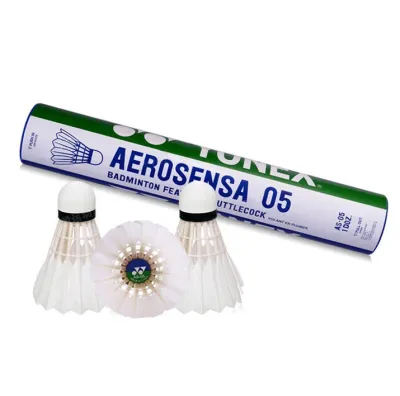
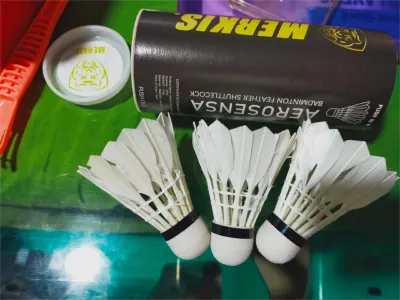
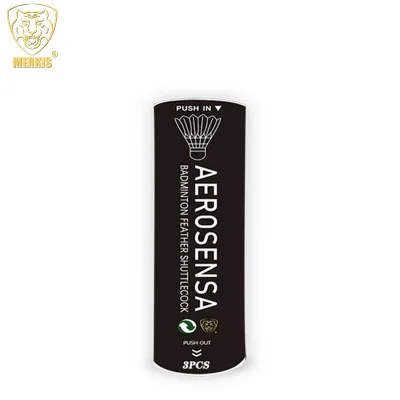
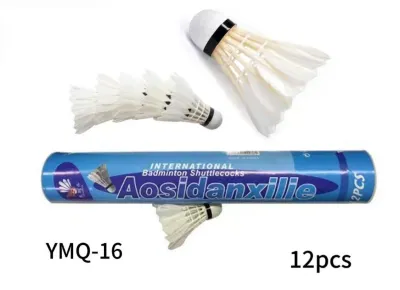
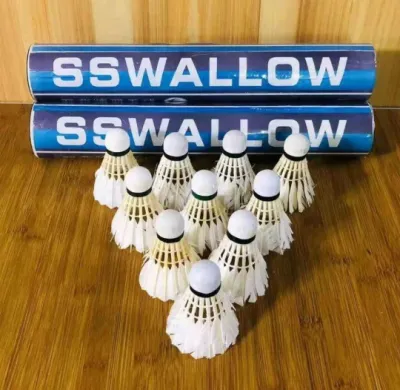
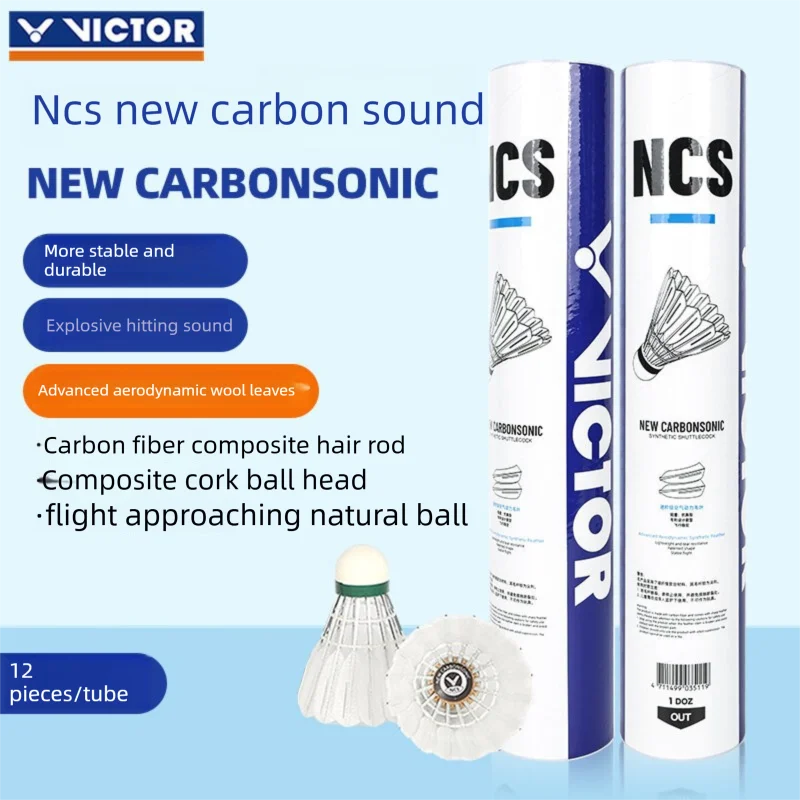
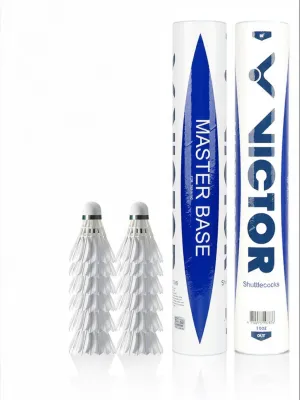
Prices are valid at publication and may change. Please refer to the product page for the latest price.
Furthermore, playing with sub-standard equipment in the typical tropical climate of the Philippines introduces unique difficulties. Non-airconditioned sports centers and covered courts are subject to high humidity, which naturally adds weight to feather shuttlecocks and subjects them to intense physical stress. Under these conditions, a genuine, well-constructed shuttlecock holds its structural integrity, while a poorly manufactured fake will soften, warp, and become completely unplayable within minutes. Verifying that you are purchasing a genuine shuttlecock original feather product is the only way to ensure a fair, high-quality game.
Key Differences: Spotting a Shuttlecock Original Feather vs. Counterfeit
Distinguishing a genuine feather shuttlecock from a counterfeit requires a close, methodical inspection. Manufacturers of authentic gear adhere to strict quality control standards, whereas counterfeiters cut corners on materials, adhesive quality, and assembly precision. By focusing on specific visual and tactile details, you can easily identify the warning signs of a fake.

Packaging and Labeling Details
The packaging is your first line of defense. Genuine shuttlecock tubes are built to protect the delicate feathers inside, utilizing thick, rigid cardboard or heavy-duty plastic that does not easily crush or bend under hand pressure. Counterfeit tubes, by contrast, often feel flimsy, using thin cardboard that dents easily during transport.
To spot a fake through its packaging, inspect the following details:
- Print Quality: Examine the brand logos, product names, and legal text on the tube. Genuine packaging features crisp, high-resolution printing with perfectly aligned text. Counterfeit tubes frequently display blurry graphics, slight color bleeding, misspelled words, or incorrect font weights.
- Security Seals: Reputable brands seal their tubes with high-quality holographic stickers or scratch-off labels containing unique verification codes. On authentic packaging, these seals are perfectly centered, difficult to peel off cleanly, and exhibit a bright, shifting color spectrum under direct light. Fakes often feature dull, static stickers that mimic a hologram but do not shift colors, or they may have pre-scratched or poorly aligned security labels.
- Barcode and Batch Numbers: Genuine tubes display clear, readable barcodes and matching batch or production numbers printed directly on the tube or on a neatly applied factory sticker. If these numbers are missing, smudged, or look like they were printed with cheap home office ink, treat the product with suspicion.
Feather Quality and Craftsmanship
The feathers are the most critical component of the shuttlecock, dictating its flight path and durability. High-quality manufacturers use carefully selected goose or duck feathers that undergo rigorous sorting and treatment processes.
When inspecting the feathers, pay close attention to these physical characteristics:
- Uniformity: Look down the top of the tube to observe the feather arrangement. On a genuine shuttlecock, all 16 feathers are virtually identical in width, thickness, and curvature, pointing in a perfectly symmetrical circle. Counterfeit shuttlecocks often use mismatched feathers of varying thicknesses, some with visible defects or uneven spacing, which directly causes flight wobbling.
- Texture and Flexibility: Genuine feathers possess a natural oily sheen and feel flexible yet firm. If you gently bend a feather, it should spring back to its original shape. Fake feathers often look excessively dry, chalky, or unnaturally white due to harsh chemical bleaching, making them highly brittle and prone to snapping on the first hard smash.
- Stitching and Adhesive: Examine the double-stitching that binds the feather shafts together. Authentic shuttlecocks feature perfectly spaced, tight threads secured with a clean, thin, and evenly distributed layer of specialized glue. Counterfeits often show messy glue residue dripping down the feathers, uneven thread tension, loose ends, or completely missed stitches.
Cork Base and Weight Distribution
The cork base determines the shuttlecock’s rebound elasticity, weight balance, and flight stability. It must be solid enough to transfer energy from your racket while remaining elastic enough to prevent string damage.
Check the base using these specific criteria:
- Material Composition: Genuine premium shuttlecocks use solid natural cork or a precisely engineered multi-layer composite cork. This material feels firm but has a slight, healthy yield when pressed firmly with your thumb. Counterfeiters often substitute this with hard synthetic foam, low-grade recycled particle wood, or cheap rubber. These fake bases feel rock-hard, lack rebound, and transmit harsh, uncomfortable vibrations up your racket shaft.
- Leather Wrapping: The cork is wrapped in a thin layer of white natural leather or high-grade synthetic casing. On authentic shuttlecocks, this wrapping is perfectly smooth, tightly secured, and finished with a clean, straight adhesive band featuring a sharp, centered brand logo. Fakes often display wrinkled wrapping, lifting edges, messy adhesive tape, or off-center branding.
- Balance and Spin Test: Hold the shuttlecock by the cork and spin it gently on a flat table like a top, or drop it from shoulder height. An authentic shuttlecock is balanced perfectly, spinning smoothly without wobbling and immediately orienting itself cork-first during a drop. A counterfeit will wobble noticeably due to uneven weight distribution between the cork and the poorly sorted feathers.
Step-by-Step Verification Methods Before and After Purchase
Protecting yourself from counterfeit products requires a combination of smart buying habits and post-purchase physical checks. By following a structured verification process, you can avoid losing money on substandard gear.
- Pre-Purchase Seller Vetting: Before purchasing, take time to research the seller. Look for authorized distributor badges or official mall indicators on the platform. Read through recent customer reviews, specifically filtering for low ratings. Look for buyer-uploaded photos and comments mentioning "fake," "imitation," or "poor durability." If a seller's listing uses generic stock photos instead of actual product images, or if they refuse to provide photos of the security hologram when requested, find another vendor.
- Check the Price Point: Compare the listed price against the standard retail price of authorized local sports shops in the Philippines. A standard tube of premium feather shuttlecocks generally costs between ₱900 and ₱1,600 depending on the grade and brand. If you encounter an online listing offering the same premium model for ₱300 to ₱400, it is almost certainly a counterfeit. Genuine manufacturers do not offer massive, unrealistic discounts on high-grade feather products due to the high cost of raw materials.
- Post-Purchase Digital Verification: Once your order arrives, do not open the plastic wrap on the tube immediately. Locate the scratch-off security label on the lid. Carefully scratch off the protective coating to reveal the unique serial number or QR code. Use your smartphone to scan the code or visit the official brand verification website listed on the packaging. Enter the serial number manually. Pay close attention to the result screen: official portals will tell you if the code is valid and, crucially, how many times it has been searched. If the system indicates the code has already been queried dozens of times, you have received a counterfeit with a cloned serial number.
- Conduct a Physical and Performance Check: If the digital check passes, proceed to a physical inspection. Take one shuttlecock out and perform a gentle pinch test on the feather shafts; they should feel resilient, not dry or brittle. Finally, take the shuttlecock to a court and perform a basic flight test. Hit a high clear or a gentle serve and observe its trajectory. A genuine shuttlecock will fly in a smooth, predictable arc, slowing down naturally at the end of its flight before dropping cork-first. A counterfeit will often wobble mid-air, drop too fast, or fail to stabilize quickly, indicating poor weight distribution.
Where to Buy Authentic Feather Shuttlecocks Safely
The most reliable way to avoid counterfeit sports equipment is to buy exclusively from verified, authorized retail channels. While it may be tempting to chase lower prices on unverified social media shops or third-party online listings, the risk of receiving unusable fakes is incredibly high.
In the Philippines, you should focus your purchasing on three primary channels:
- Authorized Physical Sports Retailers: Visit established sporting goods chains and specialized badminton pro shops located in major malls across the country. These physical stores source their inventory directly from official brand distributors, ensuring absolute authenticity. Plus, you can physically inspect the tubes before paying.
- Official Online Flagship Stores: When shopping on major e-commerce platforms, only buy from stores that carry official brand verification badges (such as "Mall" or "Preferred" tags) and are directly operated by the brand or its licensed local distributor.
- Official Distributor Websites: Check the international websites of major badminton brands to find their list of authorized local distributors in the Philippines. Many of these local distributors run their own dedicated e-commerce websites, offering direct-to-consumer shipping with guaranteed genuine stock.
By sticking to these verified channels, you protect your investment and ensure that you are playing with equipment that meets international standards for safety, durability, and performance.
What to Do If You Receive a Counterfeit Product
If you complete your physical and digital checks and confirm that you have received a counterfeit shuttlecock, you must take immediate action to secure a refund and hold the dishonest seller accountable.
Follow these steps to resolve the issue:
- Document Everything Immediately: Take clear, high-resolution photos and videos of the entire product. Capture the shipping label showing the seller's details, the packaging tube, the security seal, and the specific physical defects of the shuttlecocks (such as messy glue, brittle feathers, or a crooked cork base). If the official verification website flagged the serial number as already scanned, take a screenshot of that warning screen.
- File a Formal Return Dispute: Log into the e-commerce platform where you made the purchase and initiate a return and refund request. Choose "counterfeit item" or "item not as described" as the official reason. Upload your photos, videos, and screenshots as evidence. Do not accept any private settlement offers or partial refunds from the seller outside of the platform's official system.
- Do Not Use the Product: Keep the counterfeit shuttlecocks in their original tube and do not use them on the court. Using the fakes can damage your racket's strings due to the hard, improper cork base, and any signs of wear on the shuttlecocks could give the seller a reason to claim you damaged them through normal play, potentially voiding your return policy.
Frequently Asked Questions (FAQ)
Can I rely solely on the QR code to verify a shuttlecock's authenticity?
No, you cannot rely solely on a QR code. Counterfeiters regularly copy genuine QR codes from authentic tubes and print them onto hundreds of fake packages, or they set up fake verification websites that mimic the official brand portal. Always combine a digital scan with a thorough physical inspection of the packaging, feather quality, and cork base.
Do fake feather shuttlecocks always use duck feathers instead of goose?
No, counterfeit shuttlecocks do not always use duck feathers. While goose feathers are generally more durable and expensive, fakes can use low-grade duck feathers, damaged or broken feathers, or even low-quality synthetic blends. The primary issue with counterfeits is not just the bird species, but the poor sorting, harsh chemical bleaching, and substandard assembly quality.
Is it safe to use counterfeit shuttlecocks for casual backyard play?
While less critical than in a tournament, using fake shuttlecocks for casual play is still not recommended. Counterfeits break very quickly, which ends up costing you more money in the long run as you constantly replace them. Additionally, brittle, poorly processed feather quills can splinter and fly off during play, and excessively hard synthetic cork bases can damage your racket strings or cause minor injuries if they strike a player.
Community discussion
Share your experience or ask a question. Comments are reviewed before publication.