
Shopping for genuine leather boxing gloves online offers convenience and access to a massive variety of brands, but it also exposes you to the risk of buying counterfeit gear. Because boxing gloves are critical for protecting your hands and wrists, training with fake leather alternatives can lead to rapid gear degradation and severe physical injury. Spotting a fake requires a combination of pre-purchase listing analysis, price verification, and a close physical inspection of the materials, stitching, and hardware once the product arrives.
Why Counterfeit Leather Boxing Gloves Are a Risk
Genuine leather boxing gloves are highly valued because the material naturally stretches, breathes, and withstands the intense, repetitive impacts of heavy bag workouts and sparring. When counterfeiters replicate premium brands, they almost always substitute genuine cowhide or goat leather with low-grade synthetic materials, such as cheap polyurethane (PU) or vinyl. These synthetic substitutes lack the fibrous structural integrity of real leather, meaning they will crack, peel, and tear under the stress of regular training.
Beyond the rapid destruction of your investment, training with counterfeit gloves introduces significant safety hazards. Boxing is a high-impact sport where proper hand protection is paramount. Authentic gloves are engineered with carefully layered foam padding and structured wrist support to absorb shock and keep your hand in a safe, natural alignment. Counterfeits frequently use cheap, unevenly distributed sponge foam or recycled scrap materials that collapse upon impact. This lack of structural support directly increases the risk of acute injuries, including sprained wrists, bruised knuckles, and hand fractures. Equipment can never replace proper technique, physical conditioning, and ring judgment, but substandard gear actively undermines your safety. Always verify the padding and structural integrity before hitting a heavy bag.
Products mentioned in this guide

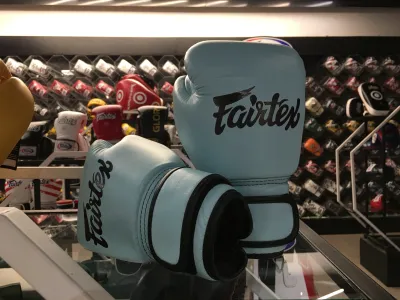
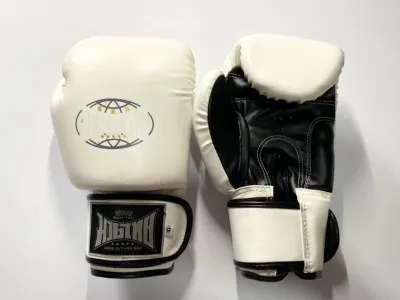
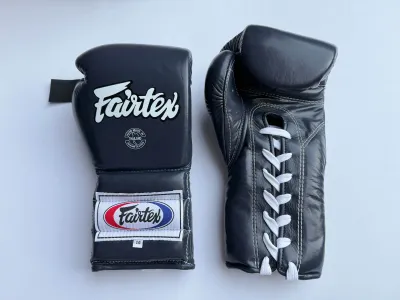


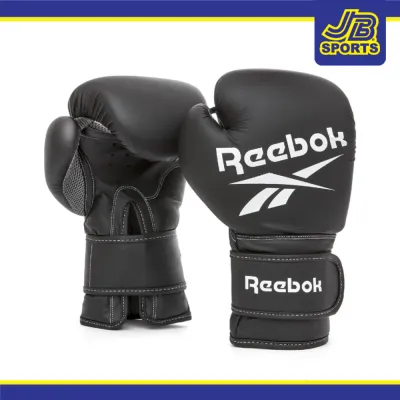

Prices are valid at publication and may change. Please refer to the product page for the latest price.
Hygiene is another critical concern, particularly in tropical climates like the Philippines where high humidity and intense heat cause heavy sweating. Genuine leather is naturally porous, allowing moisture to evaporate more efficiently. Counterfeit gloves typically feature non-breathable synthetic linings and cheap outer plastics that trap sweat, heat, and bacteria inside the glove. This moisture buildup not only accelerates the breakdown of the internal padding but also creates a persistent, foul odor and increases the risk of painful skin irritation, rashes, or fungal infections on your hands.
Real vs. Fake Leather: Physical Traits to Compare
If you have already purchased a pair of gloves or are inspecting them in a physical shop, you can evaluate several sensory and structural details to determine if the leather is authentic.

Texture, Smell, and Surface Grain
The first step in verifying your gloves is to closely examine the surface texture and grain pattern. Genuine leather is an organic material, meaning its surface is naturally irregular. If you look closely, you should see non-repeating pore patterns, subtle variations in texture, and minor natural imperfections. In contrast, synthetic leather alternatives are manufactured in rolls with machine-stamped patterns. This results in a perfectly uniform, repeating grain that looks flawlessly smooth and synthetic.
Next, perform a smell test. Genuine leather has a highly distinct, rich, and earthy aroma that is incredibly difficult for manufacturers to replicate. Even after processing and dyeing, this natural scent remains prominent. Counterfeit gloves, on the other hand, typically emit a sharp, offensive chemical odor, smelling strongly of plastic, industrial glue, or synthetic solvents. If the gloves smell like a brand-new plastic toy or a chemical factory, they are highly likely synthetic.
While evaluating these traits, always avoid destructive testing methods. You may see online guides suggesting the “burn test” (holding a lighter to the material) or scratching the surface deeply with a sharp knife. You must never perform these tests on your gloves. Destructive testing will permanently ruin the product, instantly void the manufacturer’s warranty, and violate the return policies of online marketplaces, leaving you unable to secure a refund if the gloves are counterfeit.
Stitching Quality, Lining, and Hardware
Counterfeiters look for every opportunity to reduce manufacturing costs, which makes the overall construction of the glove a prime indicator of authenticity. Start by inspecting the stitching. Premium leather boxing gloves are crafted with heavy-duty, tightly spaced, and highly uniform threading. Manufacturers pay close attention to stress points, such as the thumb attachment and the edges of the wrist closure, often reinforcing them with double- or triple-stitching. Counterfeit gloves usually feature thin, weak threads, uneven stitch spacing, loose ends, and visible fraying right out of the box.
Next, examine the inner lining. Authentic leather gloves prioritize comfort and moisture management, utilizing high-quality, smooth, and moisture-wicking fabrics designed to keep your hands dry. Counterfeit gloves often cut corners here by using cheap, slippery, or paper-thin polyester and nylon linings that tear away from the seams after only a few training sessions.
Finally, evaluate the hardware and wrist closures. If you have lace-up gloves, the eyelets should be perfectly aligned, smooth, and securely set into the leather. For hook-and-loop (velcro) models, the strap should feature dense, heavy-duty hook-and-loop material that provides a powerful, secure grip. Counterfeit hardware often feels lightweight and flimsy. The velcro straps on fake gloves are typically thin, lose their grip quickly, and are often stitched on crookedly, offering virtually no wrist stability during training.
How to Verify Authenticity Before and After Checkout
Protecting yourself from counterfeit products requires vigilance both before you click the buy button and after the package is delivered to your doorstep.
Evaluating Online Listings, Prices, and Seller History
When browsing online marketplaces, read the product descriptions with extreme care. Counterfeit sellers often use deceptive language to trick search algorithms and consumers. Look out for misleading phrases such as “PU leather,” “vegan leather,” “synthetic leather,” “microfiber leather,” or “premium leather-feel.” If these terms appear anywhere in the listing, the gloves are not made of genuine animal hide, regardless of how many times the words “genuine leather” are stuffed into the product title.
Price is another major indicator. Genuine leather boxing gloves require high-quality materials and intensive labor to manufacture. In the Philippines, authentic leather gloves from reputable brands generally retail between ₱4,000 and ₱10,000 or more. If you find a listing online offering these premium brands for ₱1,000 to ₱1,800, you should treat it as an immediate red flag. Do not fall for common seller excuses such as “factory overruns,” “wholesale clearance,” “direct from factory,” or “minor cosmetic defects.” These are classic marketing ploys used to justify the low price of counterfeit goods.
Always research the seller’s history and reputation before making a purchase. Check the store’s overall rating and read the negative reviews carefully. Look specifically for customer complaints regarding material peeling, chemical smells, or rapid tearing. Do not rely solely on the seller’s promotional stock images, which are easily stolen from official brand websites. Instead, scroll down to the review section and closely examine the photos and videos uploaded by actual buyers to see the real state of the product being shipped.
Inspecting Tags, Logos, and Packaging Upon Arrival
Once your package is delivered, do not immediately throw away the packaging or tear off the tags. Treat the unboxing process as a verification step. Inspect the brand logos printed or embroidered on the gloves. Counterfeiters often make subtle mistakes, such as slightly misspelled brand names, blurred or low-quality printing, or poorly aligned logos that are off-center.
Authentic boxing gloves are packaged with care, typically arriving in high-quality branded boxes or heavy-duty carrying bags. They will feature professionally printed material tags, care instructions, and accurate size labels (such as 10oz, 12oz, 14oz, or 16oz). If your gloves arrive wrapped in cheap, unmarked plastic wrap with generic or missing tags, this is a strong sign of a counterfeit product.
Some premium brands incorporate specific security features, such as holographic stickers, unique QR codes, or distinct tag layouts to help consumers verify authenticity. While these are excellent tools, keep in mind that advanced counterfeiters can also replicate tags and QR codes that link to fake verification websites. Always verify these security features by cross-referencing them directly with the manufacturer’s official website or by contacting their customer support.
Where to Safely Buy Genuine Leather Boxing Gloves
The most effective way to avoid counterfeit boxing gloves is to carefully select your purchasing channels. Whenever possible, purchase your gear directly from the brand’s official global or local website. If you prefer shopping in person, visit authorized physical sporting goods retailers where you can physically handle the gloves and inspect their quality before paying.
When shopping on major online marketplaces, limit your purchases to verified official flagship stores. These stores are typically vetted by the platform and carry official badges indicating their authenticity. If you are unsure whether an online seller is authorized, visit the manufacturer’s official website and look for an “authorized dealer” list or a store locator tool. If the seller’s name or store is not listed, proceed with extreme caution.
Avoid purchasing premium boxing gear from unverified third-party sellers, social media marketplace groups, or independent websites that offer massive, unrealistic discounts. While these platforms can be great for secondhand goods, they are also primary hubs for counterfeiters looking to liquidate fake stock without platform oversight.
What to Do If You Receive Counterfeit Gloves
If you open your package and suspect that you have received counterfeit gloves, do not use them. Using suspected fake gloves for training poses a direct physical risk, as the unverified padding and weak wrist support can easily lead to severe hand and joint injuries.
First, document all the discrepancies immediately. Take clear, high-resolution photos and videos of the issues, focusing on uneven stitching, synthetic material textures, misspelled tags, flimsy packaging, and any chemical odors if you can describe them. Keep all the original packaging, tags, and shipping labels intact.
Next, contact the seller through the e-commerce platform’s official messaging system. Request a full return and refund, clearly stating that the item received is “not as described” or is a “counterfeit product.” Provide the photographic evidence you gathered to support your claim. Keep all communications within the platform’s official chat to ensure you have a documented paper trail.
If the seller refuses to cooperate, rejects your return request, or fails to respond within a reasonable timeframe, immediately escalate the dispute to the e-commerce platform’s customer protection or dispute resolution center. Most major platforms have robust buyer protection policies that cover counterfeit goods. If the platform fails to resolve the issue, you can contact your credit card issuer or bank to initiate a chargeback, providing them with your documentation and proof of the dispute.
Frequently Asked Questions (FAQ)
Can I use a leather conditioner to test if the gloves are real?
While genuine leather naturally absorbs conditioner and may darken slightly, this is not a definitive test for authenticity. Some highly treated synthetic materials, such as premium microfibers, can also absorb oils or show surface changes. Furthermore, applying any chemicals, oils, or conditioners to the gloves before you have verified their authenticity can void the seller’s return policy, leaving you unable to secure a refund if they turn out to be counterfeit.
Do all genuine leather boxing gloves have a serial number?
No, not all reputable boxing glove manufacturers use serial numbers, QR codes, or digital tracking chips to verify their products. Many high-end brands rely entirely on traditional markers of quality, such as proprietary stitching patterns, unique tag layouts, and the natural characteristics of their premium leather. To verify a specific pair of gloves, you should consult the manufacturer’s official website or contact their customer service department directly to learn about their specific authentication guidelines.
Community discussion
Share your experience or ask a question. Comments are reviewed before publication.