
Spotting a fake golf rangefinder requires a systematic inspection of its physical build, serial number registration, and on-course performance. Counterfeit golf equipment has grown increasingly sophisticated, making it easy to mistake a cheap replica for an original laser rangefinder. To protect your investment, you must verify the packaging details, cross-reference the serial number with the manufacturer’s official database, and test the device’s target acquisition speed under real-world conditions.
Why Counterfeit Rangefinders Are a Risk
Using a counterfeit distance-measuring device on the golf course does more than just hurt your wallet; it directly impacts your game. Inaccurate yardage readings can lead to poor club selection, resulting in short approaches, overshot greens, and unnecessary penalty strokes that inflate your scorecard. When you cannot trust the distance to the pin, your confidence on the fairway wavers, disrupting your swing tempo and overall strategy.
Beyond performance, safety is a critical concern. Genuine laser rangefinders must comply with strict international laser safety standards to ensure the emitted beam does not harm human eyes. Counterfeit manufacturers often bypass these regulatory checks, using uncalibrated laser diodes that may pose a risk of eye strain or permanent damage to you or your playing partners.
Products mentioned in this guide
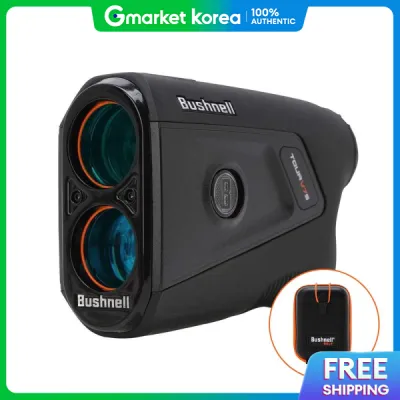
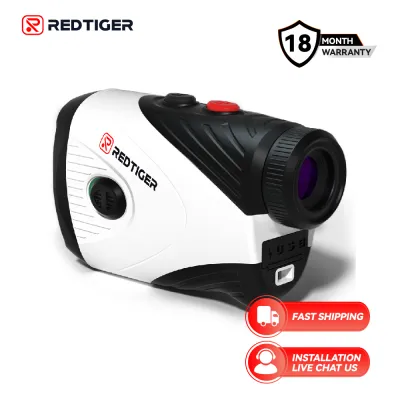
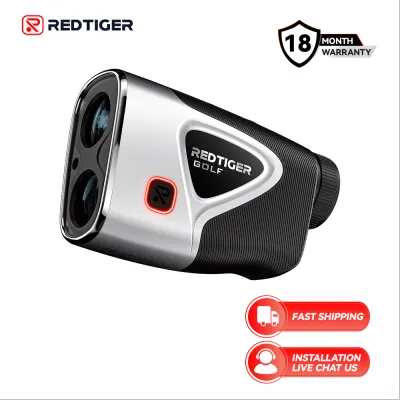
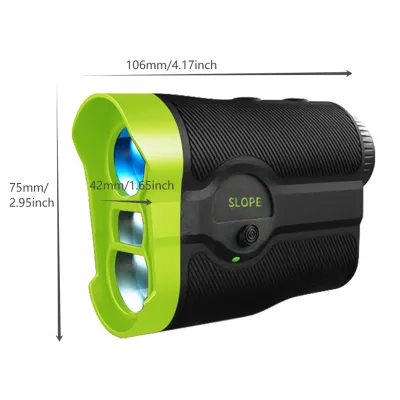
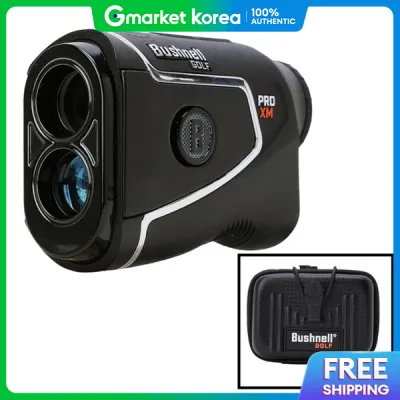
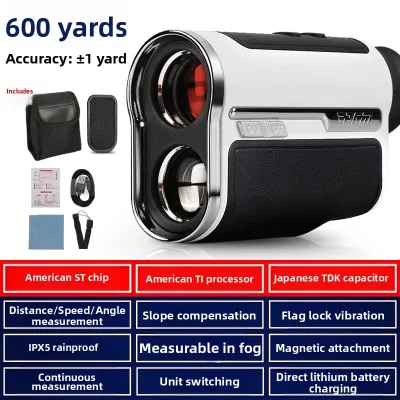
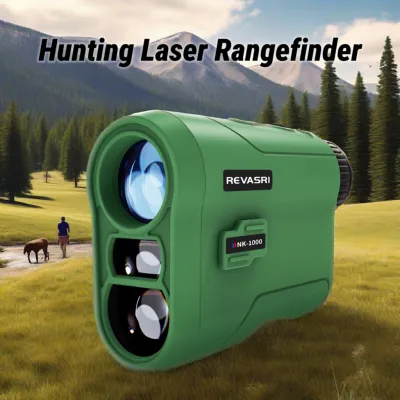
Prices are valid at publication and may change. Please refer to the product page for the latest price.
Additionally, buying a fake means forfeiting any form of manufacturer warranty or customer support. If a replica device fails due to sudden rain or a minor drop, you have no recourse for repairs or replacements. Original brands invest heavily in weatherproofing and durable housing, whereas counterfeit operations offer zero post-purchase protection.
Physical and Packaging Checks for Authenticity
Before even powering on the device, a close inspection of the packaging can reveal telltale signs of a counterfeit. Authentic manufacturers use high-quality, thick cardboard with crisp, high-resolution printing and accurate color matching. Examine the box carefully for spelling mistakes, grammatical errors, or blurry product images, which are common in cheap print runs. Many premium brands also apply holographic security seals or tamper-evident stickers that are difficult for counterfeiters to replicate.

Once the device is out of the box, evaluate the physical build quality and materials. Original rangefinders typically feature premium, textured rubber armor designed to provide a secure grip in humid tropical conditions. Replicas often use cheap, hard plastics that feel slick or emit a strong chemical odor. Check the seams where the body panels meet; genuine models display tight, uniform gaps, whereas fakes frequently show uneven alignments, visible glue residue, or loose buttons that lack a distinct, tactile click.
The optics offer another clear point of comparison. Look through the eyepiece and inspect the lens coatings. Original lenses usually have multi-coated glass that reflects a subtle green, blue, or purple hue when held to the light, designed to maximize light transmission and clarity. Counterfeit lenses often use simple, uncoated glass or cheap plastic that produces a dim, yellowish, or distorted image. Additionally, pay attention to the weight distribution; a genuine rangefinder feels balanced and substantial in your hand, while a fake often feels suspiciously light due to inferior internal components.
Verifying Serial Numbers and Official Records
One of the most reliable ways to confirm you have an original range finder is to verify its unique serial number. Manufacturers print or engrave this identifier directly onto the device, typically located on the underside of the body, inside the battery compartment, or printed on the original packaging. Ensure that the serial number on the physical device matches the one printed on the box exactly.
Once you locate the code, visit the manufacturer’s official website to register the product. Many brands feature a dedicated product registration portal where entering the serial number will instantly confirm its authenticity. Alternatively, you can contact authorized customer service channels to verify if the number exists in their active production database.
Be alert to common serial number red flags. Counterfeiters often print the same valid serial number on thousands of replica units. If a quick online search reveals other users discussing the exact same serial number, or if the format, font, or character count does not match the official pattern shown on the brand’s website, the device is highly likely to be a fake.
Performance Red Flags During a Field Test
Taking the rangefinder out for a field test under realistic playing conditions will quickly expose functional deficiencies. A genuine laser rangefinder utilizes advanced processors to deliver near-instantaneous distance readings when you press the measurement button. If the device takes several seconds to display a yardage, or if the numbers fluctuate wildly when aiming at a stationary target like a flagstick, the internal sensors are likely substandard.
If your model features a physical slope-switch—which adjusts yardage based on elevation changes—test this function on an uneven fairway. Authentic slope technology uses precise inclinometers to calculate the true play-as distance. Counterfeit units often feature dummy switches that change the display mode without actually calculating the slope, or they output erratic, mathematically impossible elevation data that does not match the terrain.
Furthermore, pay attention to the target-locking feedback. Original models use sophisticated software to isolate the flagstick from background objects like trees or hills, often confirming the lock with a sharp vibration or a distinct visual indicator in the display. Fake devices struggle to lock onto the pin, frequently measuring the background instead, and they rarely deliver the clean, responsive tactile feedback of an original unit.
Choosing Authorized Channels for Original Gear
The most effective way to avoid counterfeit golf gear is to buy exclusively from authorized retail channels. Prioritize official brand websites, authorized physical pro shops at local golf courses, or established specialty sports retailers. These sellers source their inventory directly from the manufacturers, ensuring that every device sold is genuine and covered by a local warranty.
If you choose to shop on third-party e-commerce platforms or online marketplaces, exercise extreme caution. Check the seller’s profile for official mall badges or authorized dealer certifications. Read through customer reviews carefully, looking for detailed feedback and real photos rather than generic, repetitive five-star ratings that may be fabricated. Verify the store’s return policy to ensure you can secure a refund if the item arrives and fails your authenticity checks.
Be highly skeptical of pricing traps. While everyone loves a good deal, premium golf rangefinders maintain a relatively stable retail price range in the Philippines. If an online listing offers a brand-new, high-end model for a fraction of its standard ₱ retail price—such as a 70% discount without any official holiday promotion—it is almost certainly a counterfeit. Saving a few pesos upfront is not worth the risk of receiving a useless piece of plastic.
Steps to Take If You Receive a Suspected Fake
If you suspect that the rangefinder you received is a counterfeit, act quickly to protect your purchase. Start by documenting the unboxing process if you have not already done so, or take clear, high-resolution photos of the packaging, the device, and the serial number. Highlight any physical defects, spelling errors, or performance issues you observed during your initial inspection.
Next, initiate a formal return or dispute through the e-commerce platform’s buyer protection program immediately. Do not confirm receipt of the item or leave a review until the dispute is resolved, as this can lock your funds. Provide your documented photos and a clear explanation of why you believe the product is not genuine to support your claim.
Finalize your efforts by reporting the fraudulent listing to the platform’s customer support team to help prevent other golfers from falling victim to the same seller. You can also notify the original manufacturer’s brand protection department; many companies actively track counterfeit distributors and will take legal action to shut down unauthorized operations.
Frequently Asked Questions (FAQ)
Can a fake rangefinder damage my eyes?
Yes, counterfeit rangefinders pose a genuine risk to your eyesight. Original devices are engineered to meet strict Class 1 laser safety standards, ensuring the laser emission is safe for accidental exposure. Counterfeit manufacturers often use unregulated, uncalibrated laser diodes that lack proper safety filters. If you use a fake device and notice the beam appears unusually bright, or if you experience eye strain, headaches, or discomfort after looking through the lens, stop using the device immediately.
Do all original range finders come with a premium carrying case?
Not necessarily, as accessory bundles vary depending on the brand, model, and region. While many premium brands include a durable, semi-hard carrying case with a carabiner, some entry-level or mid-range original models may come with simpler soft pouches. Always check the official packaging list on the manufacturer’s website for your specific model. Keep in mind that counterfeiters can easily replicate carrying cases and accessories, so a high-quality case alone should never be taken as sole proof of the device’s authenticity.
Community discussion
Share your experience or ask a question. Comments are reviewed before publication.