
Identifying genuine ammunition is a critical step for any shooting enthusiast, as low-quality replicas can easily compromise both shooting performance and equipment health. To tell if Meteor airgun pellets are original, you must perform a multi-point inspection focusing on high-contrast packaging print, container security features, and physical pellet consistency. Finding genuine meteor pellets original for airgun use requires looking past the surface label to analyze the subtle details of lead casting, skirt uniformity, and weight distribution.
In the tropical climate of the Philippines, where high humidity can accelerate the degradation of cheap, impure metal alloys, verifying your ammunition is especially critical. Counterfeit pellets made from unrefined scrap metal often oxidize rapidly, leaving a powdery white lead carbonate residue that can foul your barrel and degrade accuracy. By establishing a reliable verification routine, you protect your investment in your air rifle and ensure consistent, safe performance during target practice or pest control.
Before conducting any physical inspection of your pellets, always prioritize basic safety protocols. Ensure your airgun is completely unloaded, the safety catch is engaged, and the muzzle is pointed in a safe direction. Never attempt to chamber or test suspect ammunition in a loaded firearm, and keep your shooting area clear of bystanders while evaluating equipment.
Products mentioned in this guide
Prices are valid at publication and may change. Please refer to the product page for the latest price.
Why Authenticity Matters for Airgun Pellets
The choice of ammunition directly dictates the accuracy and consistency of your shooting sessions. When using counterfeit pellets, shooters frequently experience erratic trajectories and wild point-of-impact shifts, even at short distances. This inconsistency is primarily caused by poor weight distribution within the fake pellet, where off-center air pockets or uneven lead density prevent the projectile from spinning stably along its axis. For those engaging in competitive field target shooting or precision pest control, a single deformed pellet can turn a tight grouping into a frustratingly wide spread.
Beyond the immediate frustration of missed targets, counterfeit pellets present a serious risk of physical damage to your airgun barrel. Original Meteor pellets are manufactured using precise lead alloys designed to slide smoothly through rifled steel barrels without leaving excessive deposits. In contrast, counterfeiters often use unregulated scrap metals that contain harder contaminants like zinc, tin, or iron. These hard materials can scratch the delicate rifling inside your barrel, permanently ruining your airgun’s accuracy and requiring an expensive barrel replacement.
Furthermore, poor manufacturing standards in counterfeit operations lead to excessive lead debris, casting flash, and metal shavings left inside the tin. When fired, this debris is dragged through the barrel, causing rapid leading that chokes the rifling and alters the internal barrel dimensions. In high-power pre-charged pneumatic (PCP) or spring-piston airguns, this buildup can cause severe friction, leading to erratic velocities, pellet misfeeds, or even dangerous barrel obstructions.
Inspecting Packaging to Find Meteor Pellets Original for Airgun
The first line of defense against counterfeit ammunition lies in a thorough examination of the exterior packaging. Genuine Meteor pellet tins are produced using high-quality industrial printing presses that yield sharp, vibrant colors and perfectly legible text. When inspecting a suspect tin, look closely at the brand logo, product specifications, and warning labels. Blurry text, pixelated graphics, misspelled words, or colors that look faded or unnaturally saturated are immediate indicators of a poorly duplicated counterfeit label.

The physical construction of the container itself provides further clues regarding authenticity. Genuine Meteor tins are made from durable, precisely stamped metal with clean, smooth edges that fit together snugly to protect the contents from moisture. Counterfeiters often use cheaper, thinner metal tins that bend easily under light pressure or feature rough, poorly finished seams. In the humid Philippine environment, a loose-fitting lid is a major liability, as it allows moist air to enter, accelerating the oxidation of the pellets inside.
Another critical detail to verify is the presence of professionally applied batch codes and lot numbers. Original manufacturers stamp or print these unique identifiers directly onto the tin or the primary label during the packaging process to ensure quality control and traceability. Counterfeit products often lack these batch codes entirely, or they may feature generic, poorly aligned stickers that look like they were applied by hand. If you notice a missing or suspicious lot number, treat the product with extreme caution.
Modern security features are increasingly utilized to combat counterfeiting, and buyers should actively look for these markers. Many genuine production runs feature tamper-evident security seals, holographic stickers, or unique QR codes that link directly to the manufacturer’s verification portal. Because counterfeiters constantly adapt their methods, these security features may be updated or modified over time. Always cross-reference the packaging design with the official Meteor website or authorized distributor pages to confirm the current security standards for your specific product line.
Examining the Pellet Shape and Build Quality
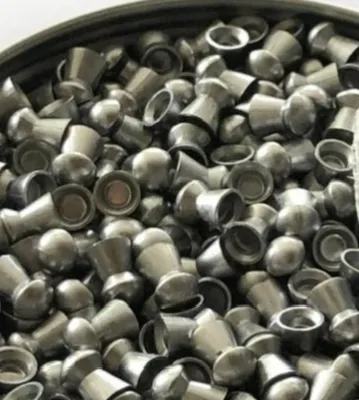
Once the tin is open, a close-up visual inspection of the individual pellets is the most reliable way to confirm authenticity. Original Meteor pellets undergo strict quality control to ensure that every piece leaving the factory has clean, sharp, and uniform edges. Use a magnifying glass or your smartphone’s macro camera to inspect several pellets from different areas of the tin. Look specifically for casting seams running down the sides, excess metal flashing around the head or skirt, or visible deformities that indicate a crude molding process.
The uniformity of the pellet skirt is particularly critical for maintaining a proper air seal inside the barrel. Genuine pellets feature perfectly round, thin-walled skirts designed to expand slightly under air pressure, gripping the rifling and preventing gas bypass. Counterfeit pellets, however, often exhibit uneven skirt thickness, oval shapes, or warped edges. When fired, an asymmetrical skirt fails to seal properly, causing erratic muzzle velocities and allowing high-pressure air to escape around the sides of the projectile.
The surface finish of the pellets can also reveal their true origin. Original Meteor pellets typically feature a clean, slightly glossy lead finish, sometimes treated with a microscopic layer of lubricant or graphite to prevent oxidation and reduce barrel friction. If the pellets in your tin feel excessively greasy, leave a heavy black residue on your fingers, or display an advanced, dull white powdery oxidation, they are likely made from low-grade lead alloys. This poor surface quality is a common characteristic of unauthorized backyard manufacturing operations.
For a more objective evaluation, utilizing a precision digital scale can quickly expose counterfeit batches. While minor factory variations are normal, genuine pellets maintain a highly consistent weight across the entire tin, usually varying by only a fraction of a grain. Weigh a random sample of ten to twenty pellets individually; if you observe wild, unpredictable weight swings that deviate significantly from the weight stated on the label, you are likely dealing with a counterfeit product.
Finally, conducting a physical sizing check with a digital caliper is an excellent way to verify manufacturing tolerances. Measure the head diameter of several pellets to ensure they match the exact specification printed on the tin, such as 4.5mm (.177 caliber) or 5.5mm (.22 caliber). Original pellets are sized to within hundredths of a millimeter to match standard airgun bores. Counterfeit pellets often suffer from poor dimensional consistency, resulting in heads that are either too small to engage the rifling or too large to chamber without forcing.
Evaluating Seller Reputation and Buying Channels
Minimizing the risk of purchasing counterfeit ammunition starts with choosing secure, reliable buying channels. In the Philippines, the safest approach is to purchase your shooting supplies from official brand stores, recognized sporting goods retailers, or authorized local distributors. These established businesses source their inventory directly from the manufacturer, ensuring a secure supply chain and providing recourse if you ever encounter a defective batch.
When shopping on online marketplaces or ecommerce platforms, several red flags should immediately trigger caution. Be highly suspicious of listings offering Meteor pellets at prices significantly lower than the established market average, which typically ranges from ₱200 to ₱500 depending on the specific model and quantity. If a deal seems too good to be true, it almost certainly is. Additionally, avoid purchasing from sellers with zero transaction history, poor overall ratings, or those using stock photos watermarked with other retailers’ logos.
A detailed analysis of customer reviews can provide valuable insights into a seller’s product authenticity. Look past generic, automated-sounding feedback like “fast shipping” or “well-packaged” and focus on detailed reviews from experienced shooters. Search for comments that specifically discuss the physical condition of the pellets, the quality of the tin’s print, and how the ammunition performs in actual airguns. If multiple buyers report dirty pellets, deformed skirts, or unusual accuracy issues, take their warnings seriously and look elsewhere.
What to Do If You Suspect a Counterfeit
If you suspect that you have accidentally purchased counterfeit Meteor pellets, your first and most important action is to stop using them immediately. Do not attempt to “shoot through” the batch to avoid wasting money, as the potential damage to your airgun’s rifling or internal mechanisms can easily result in repair costs that far exceed the price of a genuine tin of pellets. Safely unload your airgun, store the suspect ammunition far away from your active shooting gear, and warn any other shooters in your immediate circle.
Next, gather and document clear evidence of the counterfeit product to support your claim. Take high-resolution, well-lit photographs of the tin from multiple angles, focusing on blurry text, missing batch codes, or damaged security seals. Additionally, photograph several of the deformed or inconsistent pellets side-by-side with a ruler or digital caliper to clearly illustrate the manufacturing defects. This documentation will serve as crucial proof when contacting the seller or filing a dispute.
Once your evidence is prepared, initiate a return and refund request through the ecommerce platform or retail store where the purchase was made. Most reputable online marketplaces have robust buyer protection policies that cover counterfeit goods, provided you report the issue within their specified return window. Present your documented photos and explain clearly why the product is a counterfeit, emphasizing the safety risks and physical defects of the item.
To prevent other shooters from falling victim to the same scam, take the time to report the fraudulent product listing directly to the platform’s customer support or moderation team. Many platforms have dedicated channels for reporting intellectual property violations and counterfeit merchandise. By flagging these dishonest sellers, you help maintain the integrity of the local airgun community and protect fellow enthusiasts from damaging their expensive equipment.
Frequently Asked Questions (FAQ)
Can fake airgun pellets damage my airgun barrel?
Yes, counterfeit airgun pellets pose a significant risk of permanent damage to your airgun barrel. Because counterfeit manufacturers do not adhere to strict metallurgical standards, they often use cheap scrap lead contaminated with harder metals like zinc or iron. Firing these hard, abrasive alloys can scratch and wear down the delicate rifling inside the barrel, destroying your gun’s accuracy. Additionally, the excess lead shavings and casting debris common in fake pellets can cause rapid leading, clogging the barrel and creating dangerous obstructions.
Is it safe to shoot counterfeit pellets if they look okay?
No, it is highly discouraged to shoot counterfeit pellets even if they appear visually acceptable at first glance. Visual symmetry does not guarantee that the internal alloy composition is consistent or safe for your barrel. Counterfeit pellets often suffer from hidden air pockets, uneven weight distribution, and varying hardness levels that can cause unpredictable velocities, erratic trajectories, and potential misfeeds. Furthermore, the lack of quality control means you risk firing a pellet that is significantly oversized, which can become lodged in the barrel and damage your airgun’s power plant.
Do all genuine Meteor pellets come in metal tins?
While metal tins are the most common packaging format for Meteor pellets, packaging designs can vary depending on the specific product line, regional distribution channels, and the year of production. Some specialized or bulk varieties may be distributed in alternative packaging formats. To ensure authenticity, do not rely solely on the container material; instead, verify the current official packaging standards on the manufacturer’s website or consult with an authorized distributor in the Philippines.
Community discussion
Share your experience or ask a question. Comments are reviewed before publication.