
Climbing in the Philippines, from the limestone cliffs of Cantabaco in Cebu to the indoor walls of Manila, demands absolute trust in your gear. In high-risk sports like rock climbing and mountaineering, your equipment is your lifeline. However, gear cannot replace proper training, sound judgment, and rigorous safety checks. Before you tie into a rope or clip into an anchor, you must ensure that every piece of your safety chain is genuine. Spotting counterfeit climbing gear requires a systematic approach to inspection, a clear understanding of product details, and knowing how to locate a verified Petzl official store in the local market.
Why Counterfeit Climbing Gear Poses Severe Safety Risks
Climbing and mountaineering are inherently high-risk activities where a single equipment failure can lead to catastrophic consequences. Life-support equipment—including harnesses, carabiners, helmets, ropes, and descenders—must meet strict international manufacturing, material, and testing standards. Genuine manufacturers invest heavily in research, high-grade alloys, specialized webbing, and rigorous quality control to ensure their products can withstand extreme forces.
Counterfeit gear, by contrast, completely lacks traceable quality control, material certification, and batch testing. These fake products are often manufactured using cheap, brittle metals or low-grade synthetic fibers that look identical to the real thing but fail under a fraction of the required load. Because counterfeiters do not subject their products to standardized drop tests or tensile strength evaluations, their actual failure points are entirely unpredictable.
Products mentioned in this guide
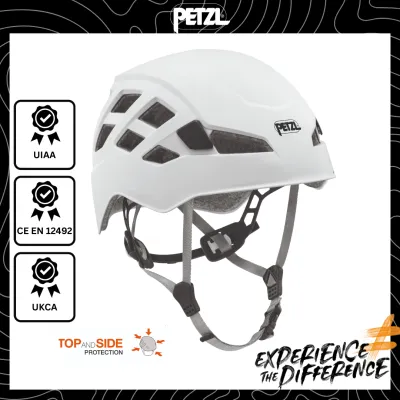
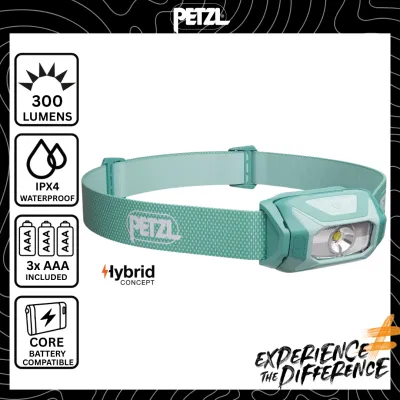
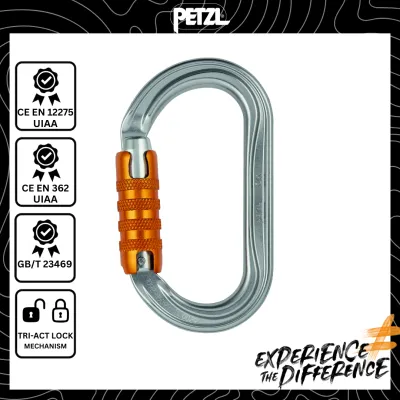
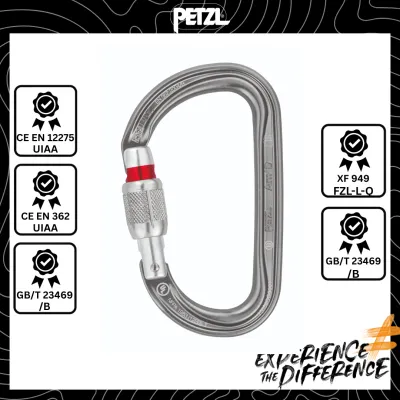
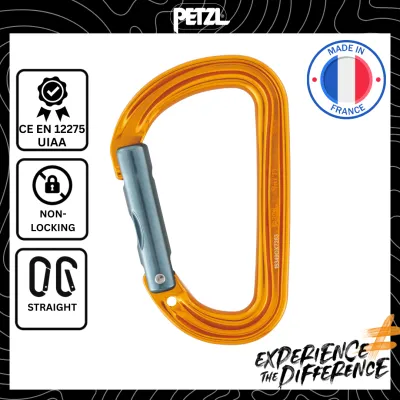
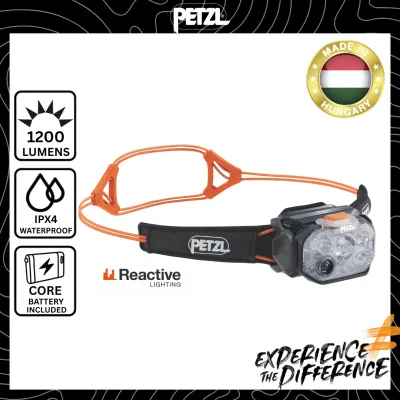
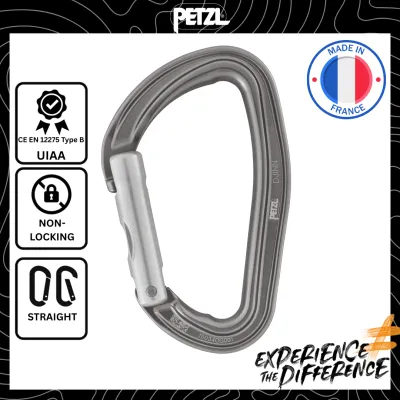
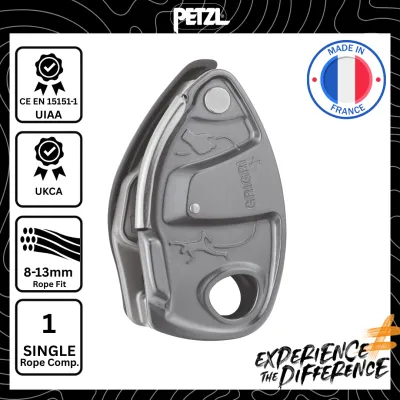
Prices are valid at publication and may change. Please refer to the product page for the latest price.
In tropical environments like the Philippines, high humidity, salt air from coastal crags, and intense heat can accelerate the degradation of substandard materials. A counterfeit carabiner might corrode rapidly, or a fake harness might experience fiber rot when exposed to moisture and sweat. This environmental vulnerability makes unverified gear even more dangerous for local climbers.
Therefore, an absolute stop-use condition must be enforced: if the origin of your climbing gear is unverified, or if you suspect an item is fake, you must never use it for any life-critical or high-risk outdoor activity. No discount or aesthetic appeal is worth risking your life on unverified equipment.
Visual and Physical Checks to Identify Fake Petzl Equipment
Identifying counterfeit climbing gear requires a meticulous physical inspection before the equipment ever touches a rope. Counterfeiters have become highly skilled at mimicking the visual appearance of premium brands, but they almost always cut corners on manufacturing precision, documentation, and material quality.

Begin your inspection with the packaging and documentation. Genuine Petzl products are packaged in high-quality boxes or card backings featuring crisp, high-resolution printing and accurate color matching. Inside, you should find a comprehensive, multi-language safety manual containing detailed technical diagrams, usage instructions, and maintenance guidelines. Flimsy packaging, blurry text, pixelated images, or poorly translated manuals with grammatical errors are immediate red flags.
Next, closely examine the labels and markings on the product itself. For textile gear like harnesses, slings, and lanyards, inspect the stitching patterns. Genuine gear features highly uniform, high-density stitching with specialized thread, designed to distribute loads evenly. Counterfeit harnesses often display uneven stitching, loose threads, or mismatched thread colors. On metalware, such as carabiners, belay devices, and ascenders, inspect the laser engraving. Genuine markings are clean, deep, and perfectly aligned. Blurry, shallow, or crooked engravings suggest a counterfeit manufacturing process.
Assess the overall build quality and materials. Hold the item in your hand and feel for physical irregularities. Genuine metal gear is meticulously finished to remove sharp edges or burrs that could damage a climbing rope. If you feel rough edges, uneven surfaces, or notice a strange weight difference compared to standard specifications, exercise extreme caution. For helmets, inspect the plastic shell and foam liner; cheap, brittle plastic textures or uneven foam density indicate a lack of structural integrity.
Finally, locate the traceability codes. Every genuine product features an individual serial number or batch code engraved or printed on it. This code allows the manufacturer to trace the exact production date and batch. However, keep in mind that counterfeiters can easily copy and print existing serial numbers onto fake items. The mere presence of a serial number does not guarantee authenticity; it must be verified through official channels.
How to Verify Authenticity and Find a Petzl Official Store
To guarantee your safety, the most reliable strategy is to control where you purchase your equipment. Finding a legitimate Petzl official store or an authorized dealer in the Philippines ensures that your gear comes directly from a verified supply chain.
Start by using the official Petzl website to locate authorized distributors and physical retail partners operating in the Philippines. Legitimate distributors maintain direct relationships with the manufacturer, ensuring that every item on their shelves is authentic and stored under climate-controlled conditions. Visiting these physical retail partners allows you to handle the gear, ask questions, and verify the store’s credentials in person.
When purchasing online, exercise extreme caution. Many online marketplaces and e-commerce platforms host third-party sellers who may list counterfeit items alongside genuine products. To protect yourself, look for official flagship stores or sellers with verified mall statuses on these platforms. Avoid buying from unverified third-party merchants, especially those shipping from overseas locations with no physical address or verifiable business registration in the Philippines.
Price and availability are also major indicators of authenticity. Be highly suspicious of deals listed in ₱ that significantly undercut standard market prices. High-quality climbing gear requires premium materials and rigorous testing, meaning genuine products maintain a relatively consistent market value. If a seller offers a brand-new harness or belay device at a fraction of the standard retail price, it is almost certainly a counterfeit. Additionally, be wary of sellers claiming to have large stocks of discontinued or rare items without proper documentation.
If you have already purchased an item and feel uncertain about its legitimacy, perform a direct verification. Take clear, high-resolution photos of the product, focusing on the serial number, stitching, engravings, and packaging. Contact Petzl customer support or the local authorized distributor in the Philippines to verify the serial number against their database before using the gear.
What to Do If You Suspect You Bought a Counterfeit Product
If your physical inspection or verification process reveals that you have purchased a counterfeit product, you must take immediate action to protect yourself and the wider climbing community.
Your first and most critical step is to stop using the equipment immediately. Isolate the suspected counterfeit item from your active climbing gear to ensure it is never mixed up with your safe equipment. Clearly mark the item with a permanent marker—writing “DO NOT USE” or “FAKE” directly on the webbing or metal—to prevent accidental use by yourself or anyone else who might come across your gear bag.
Next, initiate communication with the seller and the platform where you made the purchase. Request a full refund or return through the e-commerce platform’s buyer protection program or the retailer’s official return policy. Provide clear evidence, such as photos comparing the fake item to genuine specifications, to support your claim.
Finally, report the fraudulent listing. Report the seller directly to the e-commerce platform to help get their shop suspended. You should also notify the local authorized Petzl distributor in the Philippines. Sharing details about where and how you acquired the counterfeit item helps authorized distributors and law enforcement track down and dismantle counterfeit networks, keeping the local climbing community safe.
Frequently Asked Questions (FAQ)
Can I trust a Petzl product if it has a CE or UIAA mark printed on it?
No, you cannot rely solely on these markings. Counterfeiters frequently print fake CE (Conformité Européenne) and UIAA (International Climbing and Mountaineering Federation) logos on their products to deceive buyers. To ensure safety, you must cross-reference these marks with the product’s overall build quality, packaging, serial number, and the reputation of the seller.
Does Petzl offer a warranty that can help verify authenticity?
Yes, genuine products are backed by a standard manufacturer’s warranty against defects in materials or manufacturing. However, claiming warranty services or registering your product requires valid proof of purchase from an authorized dealer. If you attempt to register a counterfeit item or submit a warranty claim for a fake product, the claim will be rejected, confirming the item’s illegitimacy.
Community discussion
Share your experience or ask a question. Comments are reviewed before publication.