
To spot a fake Scotty Cameron cover, you must perform a systematic inspection of its physical construction, focusing closely on the density of the embroidery, the weight of the material, the alignment of the branding, and the quality of the interior lining. Genuine headcovers exhibit a level of craftsmanship and structural integrity that counterfeiters cannot profitably replicate. By analyzing these specific details, you can confidently verify whether a headcover is authentic before finalizing your purchase.
Protecting your putter is not just about aesthetics; it is about preserving a high-performance sports instrument. A genuine scotty cameron cover is engineered to shield your club head from structural damage, environmental moisture, and cosmetic wear. Understanding how to differentiate between an authentic item and a cheap imitation ensures your investment remains fully protected on and off the golf course.
The Risk of Counterfeit Golf Accessories
The global popularity of premium golf gear has fueled a massive secondary market for high-end accessories. Because limited-edition putter covers often appreciate in value, they have become prime targets for counterfeiters. These unauthorized manufacturers produce visually similar replicas designed to deceive buyers who are looking for a deal on rare or standard-release headcovers.
Products mentioned in this guide
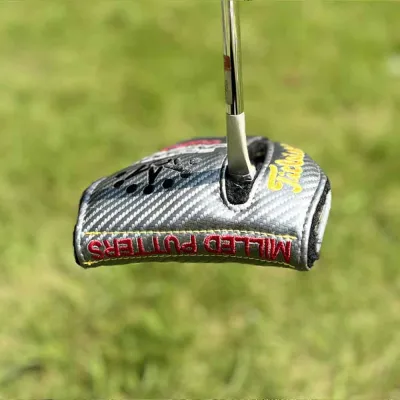
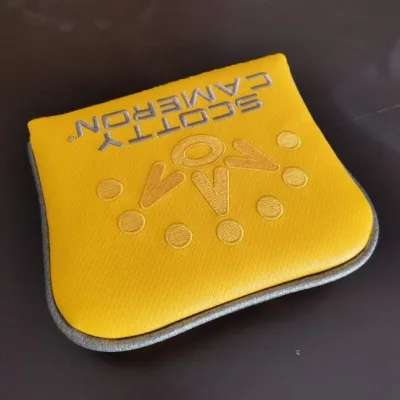
Prices are valid at publication and may change. Please refer to the product page for the latest price.
Purchasing an unverified accessory from an unauthorized online marketplace carries significant financial and functional risks. Counterfeit covers are typically made from low-grade materials that degrade rapidly under harsh outdoor conditions. Instead of safeguarding your putter, a poorly made replica may fail to provide adequate shock absorption or, worse, trap moisture against the club head, leading to corrosion.
In the tropical climate of the Philippines, where high humidity and sudden rain showers are common during a round, equipment protection is crucial. A genuine cover uses weather-resistant materials designed to let moisture escape while preventing water from seeping inward. Relying on a single visual check is rarely enough to verify these capabilities, making a comprehensive physical inspection essential.
Physical Markers of a Genuine Scotty Cameron Cover
Identifying an authentic headcover requires a methodical approach that goes beyond a simple glance. You need to handle the item, evaluate its weight, and closely examine how the different panels are put together. Genuine products adhere to strict quality control standards, meaning any deviation in structure or weight is an immediate cause for concern.

When conducting your evaluation, compare the cover’s physical properties against the official specifications of that exact model release. Scotty Cameron archives detail the dimensions, closure types, and design elements for every cover produced. If the dimensions of the item in hand do not match the official archive measurements, you are likely dealing with a counterfeit.
Materials, Stitching, and Craftsmanship
Genuine headcovers are manufactured using heavy-duty, marine-grade vinyl, premium genuine leather, or ultra-durable synthetic blends. When you hold an authentic cover, it feels substantial, flexible, and holds its shape even when empty. The material should not feel stiff, paper-thin, or emit a strong synthetic chemical odor.
The stitching on an authentic cover is exceptionally clean, uniform, and deeply recessed into the material to prevent fraying. Inspect the seams around the corners and the closure system, looking for any loose threads, double-stitching errors, or uneven spacing. Authentic manufacturing processes utilize high-tensile threads that lie flat against the surface, ensuring the cover can withstand years of being pulled out of a golf bag.
Inside the cover, the protective fleece or fur lining should be thick, soft, and securely bonded to the outer shell. On genuine covers, this lining is designed to cushion the putter head during transport, preventing scratches from clanking against other clubs. If the lining feels thin, sheds fibers easily, or feels loosely attached to the outer material, the item is highly suspicious.
Logos, Embroidery, and Branding Details
Embroidery is one of the most difficult elements for counterfeiters to replicate correctly due to the high cost of industrial embroidery machinery. On a genuine cover, the embroidery is dense, tightly packed, and raised slightly off the surface to create a distinct three-dimensional texture. The edges of letters and logos are sharp, clean, and completely free of loose connecting threads between characters.
Counterfeit covers frequently display “bridge threads”—thin, stray threads that run between letters because the manufacturer skipped the trimming process to save time. Examine the iconic Scotty Cameron script and the “Milled Putters” text under bright, neutral light. The lettering on a genuine cover is perfectly aligned, with consistent spacing and accurate font proportions that match official brand assets.
Pay close attention to the registered trademark symbols and specific logo elements, such as the Crown or the Circle T logo. On authentic covers, these elements are perfectly circular and symmetrical. Replicas often feature distorted crowns with uneven points, lopsided circles, or letters that look slightly bloated or compressed.
Tags, Labels, and Packaging Quality
If the putter cover is being sold as new or includes its original packaging, the tags and labels provide valuable clues. Genuine covers often feature interior care tags sewn directly into the seam rather than glued. The text on these tags is crisp, perfectly legible, and printed in a consistent, dark font that does not bleed or fade.
Packaging for authentic accessories is robust and professional, utilizing high-quality plastics, structured boxes, and clean print work. If the cover arrives in a flimsy, unbranded plastic bag with poorly printed barcodes or generic labels, exercise extreme caution. Many limited-edition releases are packaged in specific, branded boxes or bags that feature precise labeling corresponding to the release year and model.
Be wary of any packaging that includes generic “Certificate of Authenticity” cards with spelling mistakes or low-resolution graphics. The brand does not typically issue generic paper certificates for standard headcovers. If an independent seller presents an authenticity card as proof, verify its design against official custom shop documentation.
Common Red Flags in Fake Putter Covers
Recognizing the common shortcuts taken by counterfeit manufacturers can help you quickly filter out suspicious listings online. These red flags are often easy to spot once you know where to look, saving you the hassle of purchasing and returning a fraudulent item.
- Misspelled Words and Typos: Check all embroidered text and printed labels carefully; counterfeits often feature subtle spelling errors or incorrect punctuation.
- Incorrect Colorways: Counterfeiters frequently produce color combinations that were never officially released by the brand. Cross-reference the color scheme with official archives.
- Strong Chemical Odor: Cheap polyurethane materials and low-grade adhesives used in replicas emit a distinct, pungent chemical smell upon unboxing.
- Flimsy or Missing Closures: Genuine Velcro closures are incredibly strong and secure, while magnetic closures are precisely aligned; fakes often use weak, misaligned magnets or low-grade hook-and-loop fasteners that easily pull apart.
- Unrealistic Pricing: If a rare or limited-edition cover is priced significantly lower than its established market value—such as a highly sought-after design offered for ₱1,500 when its true value exceeds ₱10,000—it is almost certainly a counterfeit.
Actionable Steps to Verify Authenticity
Before committing to a purchase, especially when buying from the secondary market, follow a systematic verification process to protect your funds. First, request high-resolution, close-up photographs of the actual item from the seller, specifically focusing on the stitching, interior lining, and embroidery details.
Compare these photographs side-by-side with known genuine references from the official brand website or trusted golf specialty databases. Pay close attention to the positioning of the design elements relative to the seams. Even a millimeter of misalignment in the placement of a logo can indicate a counterfeit production run.
If you are still uncertain, leverage the knowledge of the global golf community. Upload detailed photos to reputable golf forums or local social media collector groups where experienced members can provide peer reviews. For high-value, rare, or Circle T limited-edition covers, consider seeking a professional appraisal or purchasing only when the item is accompanied by verified documentation from a reputable source.
Choosing Safe Purchasing Channels
The most reliable way to ensure you are purchasing a genuine accessory is to buy directly from authorized golf retailers, official brand stores, or established pro shops at reputable golf courses in the Philippines. These businesses source their inventory directly from authorized distributors, guaranteeing product legitimacy.
When navigating independent seller listings on online marketplaces, you must perform thorough due diligence on the seller’s profile. Look for sellers with a long, established history, high positive feedback ratings, and a clear, transparent return policy. Avoid newly created accounts that offer multiple rare items at suspiciously low prices with generic stock photos.
Always ask the seller to provide the original proof of purchase, such as a receipt from an authorized dealer or a confirmation email from the official custom shop. If the seller is unable or unwilling to provide original purchase documentation or detailed, custom photos of the cover, it is safest to walk away from the transaction.
Recourse Options for Suspected Counterfeits
If you discover that you have accidentally purchased a counterfeit putter cover, take immediate action to document the issue. Capture clear, well-lit photographs of the item, highlighting the specific discrepancies, poor stitching, or misaligned logos next to a reference image of a genuine cover.
Contact the seller or the e-commerce platform’s customer support team right away to initiate a dispute. Most major online marketplaces have robust buyer protection policies that cover counterfeit merchandise, provided you submit clear evidence within the allowed dispute window. Clearly state that the item received is a counterfeit and request a full refund.
Never attempt to resell a suspected counterfeit cover to recoup your losses. Doing so perpetuates the circulation of fake goods within the golf community, violates the terms of service of reputable selling platforms, and may expose you to legal liability under local consumer protection laws. Instead, report the fraudulent seller profile to the platform administrators to help protect other golfers.
Frequently Asked Questions (FAQ)
Can I authenticate a Scotty Cameron cover using a serial number?
Unlike putter shafts, individual Scotty Cameron putter covers do not feature unique serial numbers. To verify a cover, you must rely on physical markers such as the density of the embroidery, the quality of the interior lining, the weight of the materials, and the alignment of the tags.
Are all genuine Scotty Cameron covers made of premium leather?
No, the brand utilizes a wide variety of high-quality materials depending on the specific model and release year. While many premium and limited-edition covers are crafted from genuine leather, many standard releases utilize high-grade marine vinyl, specialized canvas, or durable synthetic blends designed to withstand outdoor elements.
What is the safest way to buy limited-edition covers online?
The safest method is to use established golf resale platforms that offer built-in physical authentication services. When buying from independent sellers, always use secure payment methods that offer buyer protection, request original purchase receipts, and verify the seller’s reputation within local golf communities.
Community discussion
Share your experience or ask a question. Comments are reviewed before publication.