
To spot a fake Spalding basketball when buying online in the Philippines, you must closely examine the seller’s credentials, watch out for unrealistic prices, and perform a thorough physical inspection upon delivery. Authentic composite leather balls generally retail within the ₱1,500 to ₱4,000 range, so listings priced significantly lower are immediate red flags. A genuine ball features crisp, perfectly aligned logos, deep and uniform seams, a flush-fitting inflation valve, and a complete lack of harsh chemical odors.
With basketball being an integral part of local culture, the demand for quality gear has led to a rise in counterfeit sports equipment. While online shopping offers unmatched convenience, it also exposes buyers to substandard replicas that fail quickly on rough concrete barangay courts. Knowing how to verify authenticity before and after your purchase ensures you get the performance, grip, and durability you pay for.
Why Authenticity Matters When Buying Basketballs Online
Playing with an authentic basketball is not just about brand pride; it directly dictates your performance and safety on the court. Authentic basketballs are engineered to provide a predictable bounce, consistent flight trajectory, and a reliable grip that remains effective even when your hands are slick with sweat. Substandard replicas compromise these fundamental dynamics by utilizing cheap, low-grade materials.
Products mentioned in this guide
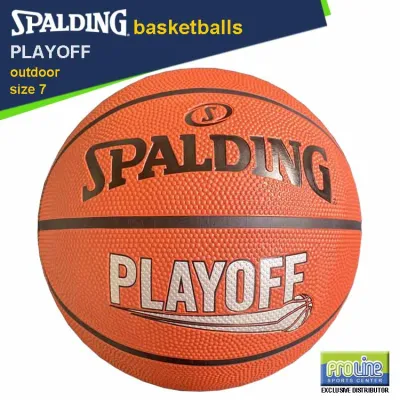
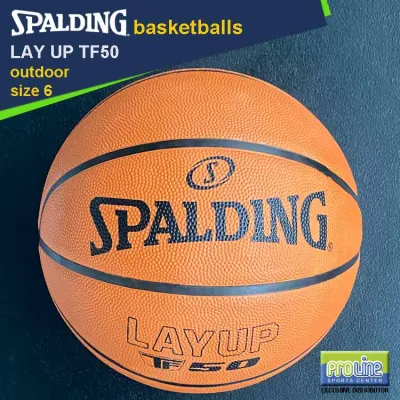
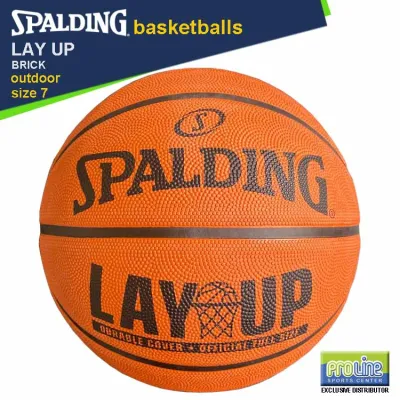
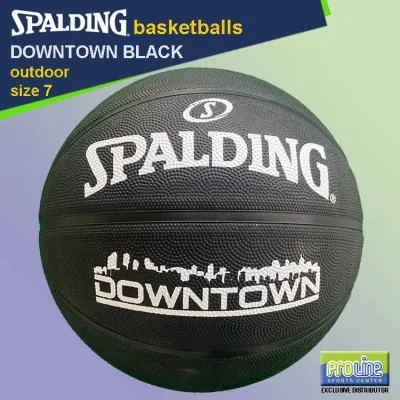
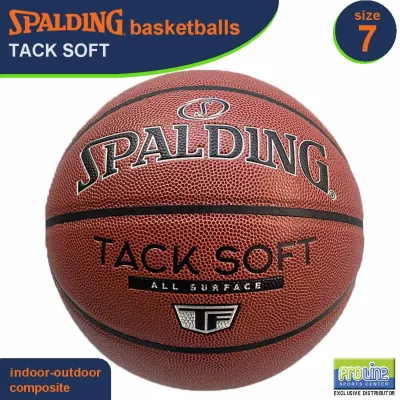
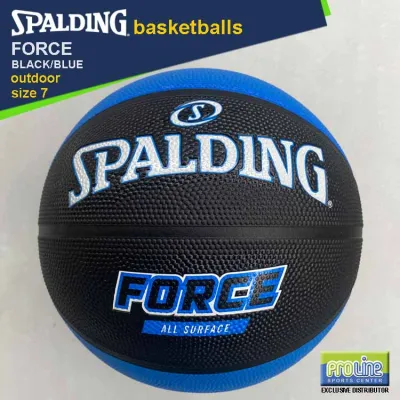
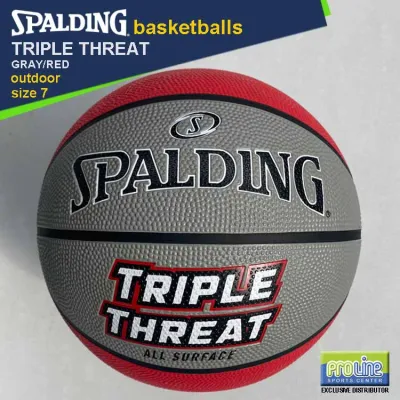
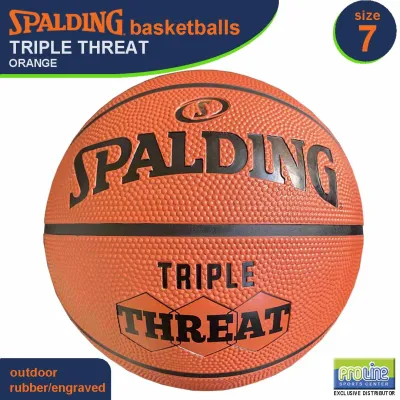
Prices are valid at publication and may change. Please refer to the product page for the latest price.
A fake ball often suffers from uneven weight distribution, resulting in erratic bounces that disrupt your shooting rhythm and dribbling drills. Furthermore, the rough concrete surfaces of typical outdoor courts in the Philippines quickly destroy low-grade synthetic covers. While a genuine outdoor composite or rubber ball is built to withstand abrasive concrete and high-humidity environments, a replica will often peel, warp, or deflate within a few sessions.
Using a poorly constructed ball also increases the risk of minor hand or wrist injuries. When a ball bounces unpredictably or has a slick, uneven surface, players are more likely to experience jammed fingers or lost control during high-speed plays. Navigating online marketplaces requires heightened vigilance because unauthorized sellers can easily upload official stock images while shipping cheap imitations. Investing in genuine equipment ensures that your money translates directly into long-term durability and a safe, satisfying playing experience.
How to Inspect a Genuine Spalding Basketball
Verifying the authenticity of a basketball requires a systematic physical inspection immediately after delivery. Before you take the ball to the court or discard its packaging, you should evaluate its structural details against the official manufacturer specifications. Genuine balls undergo strict quality control to ensure they are perfectly round, whereas counterfeits often exhibit subtle oblong shapes or bulging panels when fully inflated.

Spalding designs distinct balls tailored for specific playing environments, including indoor leather, outdoor rubber, and hybrid composite models. Because the tactile feel, weight, and seam depth vary significantly between these categories, you should cross-reference your specific model on the official brand website to know exactly what features to expect. Pay close attention to the following physical details to determine if your purchase is legitimate.
Logos, Branding, and Packaging
The branding elements on an authentic ball are applied with high precision. Official logos, model names, and inflation instructions are crisp, perfectly aligned, and free of ink bleeding or crooked lettering. Counterfeits often feature slightly distorted fonts, spelling errors, or logos that look printed on rather than deeply embossed or laser-stamped into the material.
- Logo Crispness: Authentic markings are laser-sharp, perfectly aligned, and free of ink bleeding.
- Trademark Symbols: Look for the small, clear registered trademark signs that match official branding.
- Packaging Quality: Premium models arrive in branded boxes with official tags rather than loose plastic wrap.
Original packaging is another critical indicator of legitimacy. Genuine premium models typically arrive in branded boxes with official tags, care instructions, and specific bar codes that match the product. Be highly skeptical if a premium composite ball is delivered deflated in a plain plastic bag with loose, generic accessories like unbranded inflation needles or cheap nets.
Material Texture and Seam Construction
The tactile feel of the cover material is incredibly difficult for counterfeiters to replicate. Genuine composite leather feels soft yet tacky, providing an immediate grip, while premium rubber models have a dense, high-traction texture designed to resist wear on rough surfaces. In contrast, fake balls often feel slick, plasticky, or excessively stiff, offering very little grip when exposed to dust or moisture.
- Cover Feel: Genuine composite leather feels soft yet tacky, while premium rubber provides dense traction.
- Pebble Pattern: The raised texture is uniform across all panels without flat spots or smooth patches.
- Channel Uniformity: Seams are deeply recessed, even, and cleanly glued without visible residue.
Examine the channels or seams separating the panels. Authentic balls feature clean, deeply recessed, and uniform black channels that are perfectly glued without any visible gaps or lifting edges. Counterfeit balls frequently display shallow, uneven channels that compromise your finger placement and grip control.
Valve and Inflation Quality
The inflation valve is a small but telling component that reveals the overall manufacturing quality. On a genuine ball, the valve is made of high-grade rubber, sits perfectly flush with the surrounding panel, and is cleanly centered within its designated opening. Counterfeit balls often have poorly cut valve holes, misaligned rubber inserts, or valves that protrude slightly above the surface of the ball.
- Valve Fit: The rubber inflation valve is perfectly centered and sits flush with the panel surface.
- Air Retention: Authentic bladders maintain consistent pressure and shape over long periods of storage.
These defects not only cause slow air leaks but can also scratch your hands during play. An authentic ball is designed to maintain its shape and air pressure over extended periods when inflated to the manufacturer’s recommended PSI (usually printed directly near the valve). If a newly unboxed ball deflates significantly within a day or two of normal indoor storage, it likely suffers from a defective bladder common in fake products.
Red Flags That Indicate a Counterfeit Basketball
While some high-quality replicas can look convincing at first glance, they almost always fail to deliver on performance and material safety. Knowing the common physical and sensory red flags can save you from keeping a counterfeit product. Keep in mind that these warnings are strong indicators of a fake rather than isolated minor defects. If your newly purchased ball exhibits multiple issues from this list, you should immediately halt its use and initiate a return.
Poor Craftsmanship and Chemical Odors
Substandard manufacturing leaves clear visual clues that are easy to spot upon close inspection. Look for excess glue residue seeping out of the seams, misaligned panel edges, or decals that are already peeling or bubbling at the corners. Authentic production facilities utilize high-grade, non-toxic adhesives and materials that meet international safety standards.
- Visual Defects: Look for misaligned panels, excess glue seepage, and peeling decals at the edges.
- Chemical Smell: Counterfeits often emit a strong, industrial chemical or petroleum odor from cheap adhesives.
Replicas are often assembled in unregulated environments using cheap synthetic polymers and industrial glues. This poor material choice results in a strong, highly unpleasant chemical or gasoline-like odor that clings to your hands and persists long after unboxing. Genuine leather or composite balls have a mild, natural material scent that dissipates quickly.
Inconsistent Bounce and Weight
A simple bounce test can quickly expose a counterfeit ball’s internal flaws. When dropped from shoulder height onto a hard, flat surface, an authentic ball should bounce straight back up to a consistent, predictable height. Counterfeit balls often bounce erratically to the side or feel completely “dead,” absorbing too much impact energy due to low-grade rubber bladders.
- Bounce Consistency: A genuine ball bounces straight up to a predictable height when dropped on a flat surface.
- Weight Balance: Replicas often feel abnormally light or heavy due to cheap, unregulated bladder materials.
Alternatively, some fakes are overly bouncy and difficult to control because they lack the structural reinforcement layers found in genuine models. Weight distribution is another area where replicas fail. Genuine balls are carefully balanced and weighed to meet strict athletic standards, whereas fakes may feel noticeably lighter or heavier than standard specifications, throwing off your shooting mechanics.
How to Choose Reliable Sellers on E-Commerce Platforms
The most effective way to avoid buying a counterfeit ball is to carefully select your seller before making a purchase. While major online marketplaces in the Philippines host thousands of independent merchants, they also provide tools to help you identify authorized sources. Relying solely on product titles or promotional banners is highly risky; you must combine seller verification, price analysis, and customer feedback to make an informed decision.
Identifying Official Stores and Authorized Dealers
When shopping on local e-commerce platforms, always prioritize stores that carry official mall badges or verified brand indicators. These badges indicate that the seller has undergone strict business registration checks and is authorized to sell authentic brand-name goods. Many legitimate distributors will display their official certificates of authorization directly in their store banner or product images.
- Mall Badges: Look for official mall tags and verified store indicators on the platform.
- Authorized Directories: Cross-reference the seller's name with the brand's official regional distributor list.
If you are uncertain about a seller’s legitimacy, visit the official regional website of the brand or its authorized local distributor. These sites often maintain a directory of verified online storefronts and physical retail partners in the Philippines, allowing you to cross-reference the seller’s name before checking out.
Evaluating Product Listings and Pricing
Unrealistic pricing is the single most common indicator of a counterfeit product. Genuine composite leather basketballs generally retail between ₱1,500 and ₱4,000 or more, depending on the specific model and technology. If you encounter a listing offering a premium indoor/outdoor composite ball for ₱500 to ₱800, it is almost certainly a counterfeit.
- Unrealistic Discounts: Be skeptical of premium composite models priced far below the standard ₱1,500 to ₱4,000 range.
- Stock Photos: Avoid listings that rely solely on low-resolution generic images and lack detailed specifications.
While flash sales and holiday discounts occur, legitimate retailers rarely cut prices by more than 20% to 30% of the standard retail value. Examine the listing’s images and description carefully. Be cautious of sellers who rely exclusively on generic stock photos, provide zero detailed specifications, or have highly repetitive, overly positive reviews that look automated or copy-pasted.
Steps to Take If You Receive a Fake Basketball
If you suspect that the basketball delivered to your doorstep is a counterfeit, acting quickly and methodically is essential to securing a full refund. Your primary goal is to gather undeniable evidence to present to the e-commerce platform’s customer support. Always record a continuous, unedited video of the unboxing process starting from the sealed shipping package. This video serves as concrete proof of the item’s condition upon arrival and prevents the seller from claiming that you swapped the product.
Take clear, high-resolution photos of the packaging, shipping labels, blurred logos, uneven seams, or any physical flaws you identified during your inspection. File a formal return or refund request through the platform’s app immediately, selecting “counterfeit product” or “item not as described” as the reason. Crucially, do not inflate, play with, write on, or damage the ball or its packaging while your dispute is active. E-commerce buyer protection policies generally require the item to be returned in its original, unused condition to validate your refund.
Frequently Asked Questions (FAQ)
Can I verify a Spalding basketball using a serial number or QR code?
While some premium, professional-grade, or limited-edition models may feature unique verification tags, holographic stickers, or QR codes on their packaging, many standard production balls do not come with a universal digital tracking system. You should not assume that the absence of a QR code automatically means a ball is fake, nor should you trust a generic QR code that leads to an unofficial website. Always check the specific model’s official product page on the manufacturer’s website to verify if it supports digital authentication, and rely primarily on physical build quality and authorized seller credentials.
Are all authentic Spalding basketballs manufactured in the same country?
No, authentic basketballs are manufactured in several different countries depending on the specific model, materials used, and global supply chain allocations. Production facilities are located in countries such as China, Thailand, and Vietnam. A country-of-origin label stating a country other than the United States does not indicate a counterfeit product. To verify current manufacturing locations for a specific model, consult the official brand website or contact their customer service rather than relying on outdated online rumors.
Community discussion
Share your experience or ask a question. Comments are reviewed before publication.