
Buying genuine swimming gear in the Philippines is essential for both performance and personal safety. With the country’s tropical climate, high humidity, and year-round sunshine, swimming accessories are subjected to intense wear from chlorine, salt water, and UV rays. Counterfeit swim gear, which often floods local online marketplaces and informal retail stalls, lacks the material integrity required to withstand these harsh conditions. Using fake goggles can lead to eye irritation or sudden leaks mid-swim, while counterfeit swim caps tear easily, and substandard flotation devices pose severe safety hazards in the water. Knowing how to distinguish genuine products from cheap imitations ensures you get the durability, comfort, and protection you pay for.
Recognizing Counterfeit Packaging and Retail Red Flags
Before you even touch the swimming gear, the packaging and the seller’s listing details offer immediate clues about authenticity. Genuine manufacturers invest heavily in high-quality packaging, clear printing, and robust security features. When purchasing boxed items like goggles or packaged swim caps, inspect the exterior carefully for official branding, crisp barcodes, and holographic stickers. Counterfeit products often feature blurry text, faded colors, or misaligned logos on the cardboard boxes. You should also look closely at the instruction manuals and labels inside; spelling errors, grammatical mistakes, or unusual font styles are definitive indicators of a fake.
Online shopping on local e-commerce platforms requires extra vigilance. Be highly suspicious of listings that rely solely on stock photos copied from official websites rather than actual product images. Authentic listings typically include detailed size charts, material specifications, and clear warranty or return information. Furthermore, price is a major indicator of authenticity. While seasonal sales and promotions occur, a price that is significantly lower than the standard retail price in Philippine pesos—such as a pair of premium goggles listed for a fraction of their usual cost—is a major red flag. Genuine high-performance gear is manufactured using specialized materials that cannot be profitably sold at extremely low prices.
Products mentioned in this guide
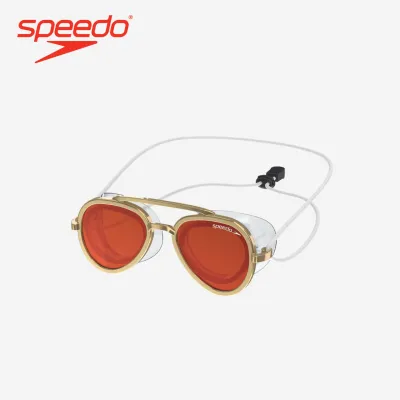
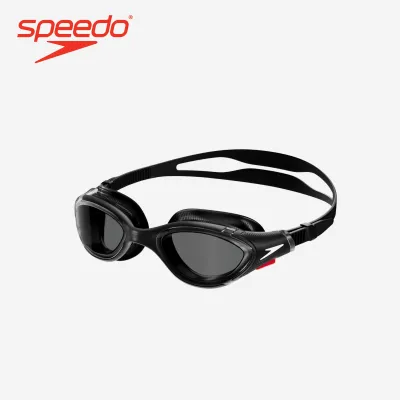
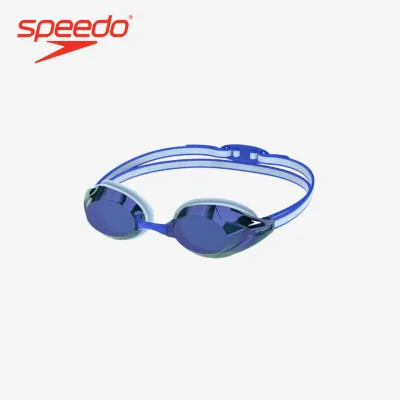
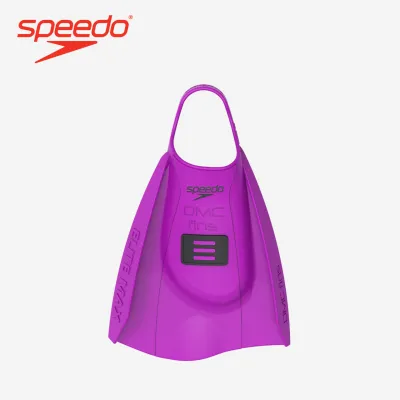
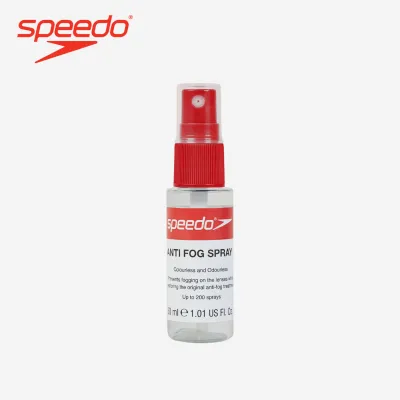
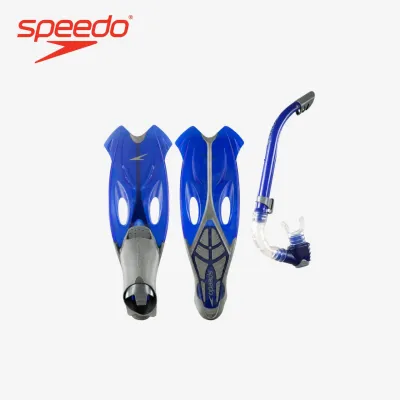
Prices are valid at publication and may change. Please refer to the product page for the latest price.
Inspecting Speedo Goggles and Swim Caps for Authenticity
Personal swim accessories like goggles and swim caps require close physical inspection to verify their quality and authenticity. When examining swimming goggles, start by testing the elasticity of the silicone strap. Genuine silicone is highly resilient, stretching smoothly and returning to its original shape without leaving white stress marks or feeling sticky. The lenses of authentic goggles should offer crystal-clear vision without any warping, bubbles, or distortion, which are common in cheap plastic counterfeits. Additionally, look at the molded logo on the frame or strap; genuine gear features precise, clean-edged branding, whereas fakes often have messy, raised edges or bleeding colors where the logo was stamped.

Swim caps, whether made of silicone or latex, should be checked for material consistency and seam quality. Authentic silicone caps have a uniform thickness throughout and feel substantial yet flexible. If you hold the cap up to the light and notice uneven patches or thin spots, it is likely a counterfeit. Examine the printed logo on the cap by gently stretching the material; the logo on a genuine cap is integrated into the material and will stretch without cracking or peeling off. In contrast, fake caps often use cheap screen-printing inks that flake off almost immediately.
The sensory experience of the material is another reliable test. Authentic, medical-grade silicone has a neutral smell or a very mild, clean scent. Counterfeit swim caps and goggle straps often emit a strong, pungent chemical odor, resembling cheap rubber or industrial solvents. This chemical smell indicates the use of low-grade plastics and plasticizers that have not been cleared for prolonged skin contact. In the tropical heat of the Philippines, these low-quality materials can degrade rapidly, becoming sticky, brittle, or causing skin irritation and allergic reactions during your swim.
Evaluating Flotation Devices and Buoyancy Aids
When it comes to flotation devices such as kickboards, pull buoys, and inflatable armbands, verifying authenticity is a matter of physical safety. It is crucial to remember that while high-quality flotation gear supports training and buoyancy, it can never replace proper swimming instruction, water safety knowledge, or active supervision. Counterfeit flotation aids are prone to sudden structural failure, which can be incredibly dangerous for beginners or young swimmers in deep water.
To evaluate a foam kickboard or pull buoy, test the density and weight of the material. Authentic training aids are made from high-density ethylene-vinyl acetate (EVA) foam, which feels firm, rigid, and resilient. When you press your thumb firmly into a genuine kickboard, the foam should resist deep indentation and spring back immediately without leaving a permanent mark. Counterfeit foam products are often incredibly lightweight, soft, and easily dented or chipped. These cheap alternatives absorb water quickly, causing them to lose their buoyancy and deteriorate after only a few sessions in a chlorinated pool.
For inflatable items like armbands, pay close attention to the valves and seams. Genuine inflatable aids feature heavy-duty safety valves with secure stoppers that prevent air from escaping even if the cap pops open. The seams of authentic inflatables are thick, smooth, and heat-sealed to withstand high pressure. Counterfeit inflatables often have thin, scratchy seams that can easily split along the edges under pressure or scratch a child’s sensitive skin. Always look for printed safety warnings, weight capacity limits, and international compliance markings directly on the product, as fakes often omit these critical details or print them with blurry, illegible ink.
Navigating Official and Authorized Speedo Channels
The most effective way to avoid counterfeit swimming gear is to purchase exclusively through authorized retail channels in the Philippines. Authentic products are distributed through official physical brand stores located in major shopping malls across the country, as well as established multi-brand sports retailers. Shopping at these physical locations allows you to handle the gear, try on goggles for fit, and verify the material quality firsthand before making a purchase.
If you prefer the convenience of online shopping, you must learn to distinguish between official online storefronts and unauthorized third-party sellers. Major e-commerce platforms feature dedicated, verified mall sections where official brands operate their own digital storefronts. Look for the verified mall badge or official store tag on the seller’s profile. Avoid buying from random third-party merchants who claim to sell “overrun” or “original export” items, as these terms are frequently used to disguise counterfeit goods.
Before finalizing any online purchase, take the time to verify the seller’s credentials. Read recent customer reviews carefully, paying close attention to reviews that include photos and videos of the actual items received. Look for feedback regarding the packaging, material feel, and overall performance in the water. Additionally, check the store’s return and refund policies. Authorized sellers will have clear, structured policies that allow you to return defective or unsatisfactory items, providing an extra layer of security for your investment.
Handling Suspected Counterfeit Purchases
If you suspect that you have accidentally purchased counterfeit swimming gear, taking prompt action is essential to protect your consumer rights and ensure your safety. First, do not use the suspected item in the water. This is especially critical for goggles, which could fail and expose your eyes to harsh pool chemicals, and flotation devices, which may not provide the necessary buoyancy to keep you safe.
Document the product thoroughly by taking clear, high-resolution photographs and videos. Focus on the specific areas that raised your suspicions, such as blurry logos, uneven seams, thin materials, spelling errors on the packaging, or the lack of official holographic stickers. Keep all original packaging, tags, and your purchase receipt or digital order confirmation, as these will serve as vital evidence during the dispute process.
Next, initiate a formal return or refund request through the e-commerce platform’s buyer protection program or directly with the physical store’s customer service department. Clearly state that you believe the item is counterfeit and upload your photographic evidence to support your claim. Finally, report the seller or listing to the platform’s administration to help prevent other swimmers from falling victim to the same scam. By reporting these listings, you contribute to a safer online marketplace for the local sporting community.
Frequently Asked Questions (FAQ)
Can I verify authenticity using a serial number or QR code?
While some premium or high-end racing goggles and specialized swim gear feature unique serial numbers or scannable QR codes on their packaging, many standard training accessories do not. If your product does come with a QR code, scan it using your smartphone and carefully examine the destination website’s URL. Counterfeiters sometimes print fake QR codes that redirect to copycat websites designed to look like official brand pages but feature slightly misspelled domain names or lack secure connection protocols.
Do authentic goggles always come with a hard protective case?
No, authentic goggles do not always come with a hard protective case. The packaging depends entirely on the specific model and product line. High-end racing goggles designed for competitive athletes often include a hard plastic case to protect the specialized lens coatings. However, recreational, fitness, or kids’ goggles are typically packaged in soft mesh pouches, blister packs, or simple cardboard boxes. To manage your expectations, always check the official product description for your specific model to see what packaging and accessories should be included.
Community discussion
Share your experience or ask a question. Comments are reviewed before publication.