
Finding genuine boxing gloves on popular e-commerce platforms in the Philippines requires a sharp eye and a healthy dose of skepticism. With the surge of interest in combat sports and fitness training across local gyms, online marketplaces have become flooded with counterfeit gear mimicking top-tier brands. Spotting the difference between authentic equipment and cheap imitations comes down to inspecting physical craftsmanship, analyzing seller credentials, and verifying built-in security features like holographic tags. Investing in authentic gear is not just about brand pride; it is a critical safety decision that protects your hands, wrists, and sparring partners from serious injury.
The Risk of Counterfeit Boxing Gear Online
The convenience of shopping online has made it easier than ever to access combat sports gear in the Philippines, but it has also opened the door for high-volume counterfeit listings. Driven by high demand and price sensitivity, unauthorized manufacturers produce visually convincing replicas of premium brands. These fakes are designed to look identical in low-resolution product photos, often misleading beginners who are looking for a budget-friendly entry into the sport. However, a low price tag online usually points to severe compromises in structural integrity.
Using counterfeit boxing gloves poses immediate physical risks to your hands and wrists during training. Authentic manufacturers spend years engineering shock-absorbing foam systems that distribute the force of a punch evenly across the knuckles. Counterfeit gloves, by contrast, often use cheap, low-density foam or recycled mattress scraps that bottom out upon impact. This lack of protection can lead to painful conditions such as boxer’s knuckle, wrist sprains, or even carpal fractures when hitting heavy bags or pads. Furthermore, poor wrist support in fake gloves fails to lock the wrist joint in place, increasing the risk of hyper-extension under high-impact loads.
Products mentioned in this guide
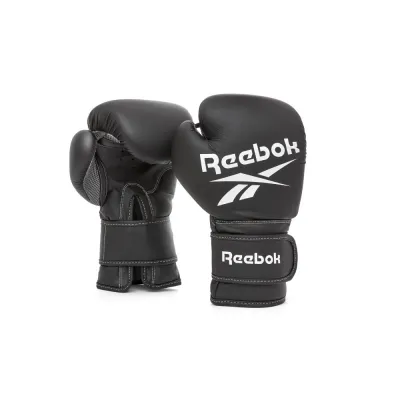
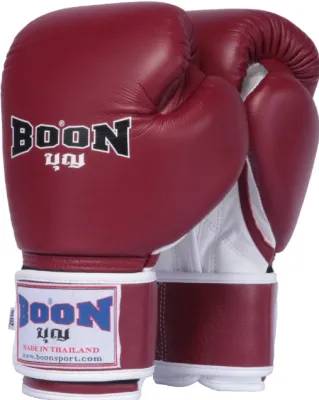
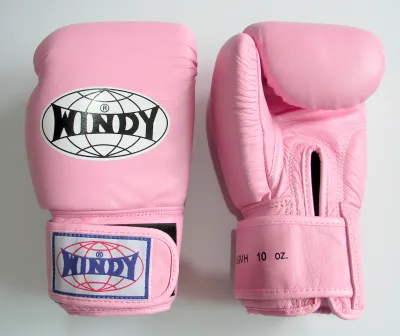
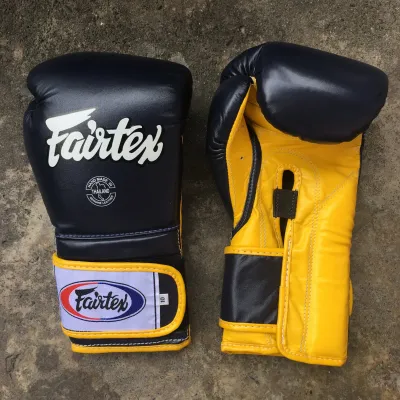
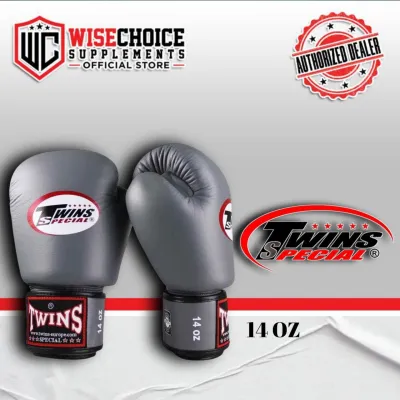
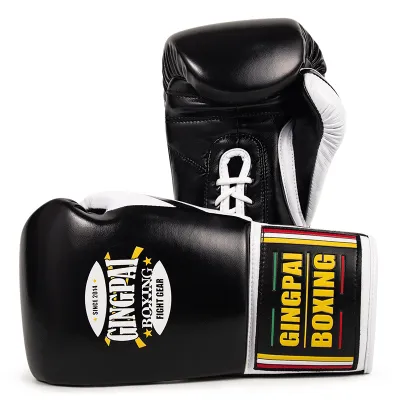
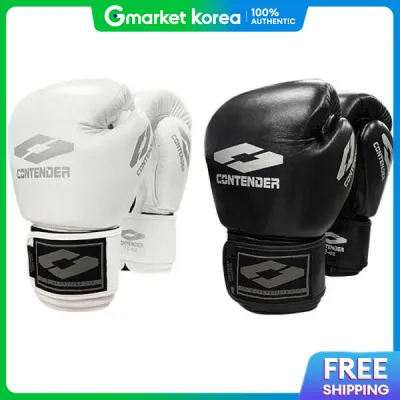
Prices are valid at publication and may change. Please refer to the product page for the latest price.
How to Inspect Materials, Stitching, and Build Quality
Evaluating the physical attributes of your gear is the most reliable way to confirm you have purchased genuine boxing gloves. When your package arrives, or when you are closely examining high-definition buyer photos in the review section, look beyond the surface color and focus on the tactile and structural details. Premium brands maintain strict quality control standards that counterfeiters simply cannot afford to replicate.

Leather, Padding, and Weight Distribution
The primary material of the glove is a major indicator of its authenticity. Genuine boxing gloves made of real leather—such as cowhide or premium microfibers—possess a natural, slightly irregular grain, a supple texture, and a distinct, rich leather scent. Counterfeit gloves almost exclusively utilize cheap synthetic vinyl or low-grade polyurethane (PU) that feels stiff, plasticky, and gives off a harsh, chemical or gasoline-like odor. In the humid and tropical climate of the Philippines, these cheap synthetic materials degrade rapidly, peeling and cracking within a few sweaty training sessions.
Next, test the padding density by firmly pressing your thumb into the knuckle area. Authentic gloves feature structured, resilient padding—often multi-layered foam or high-density injection-molded foam—that resists deep compression and quickly springs back into shape. Fake gloves typically feel either lumpy and uneven or incredibly soft, allowing you to easily feel your knuckles through the padding with minimal pressure. Additionally, pay close attention to how the weight is distributed throughout the glove. Genuine gloves are balanced, with the weight carefully distributed between the cuff, wrist support, and hand compartment to promote proper punching form. Counterfeit models often feel awkwardly front-heavy or unusually light because manufacturers use inconsistent filler materials to save on shipping costs.
Stitching, Velcro, and Lacing Details
Examining the stitching reveals the level of craftsmanship dedicated to the glove’s construction. Authentic boxing gloves feature tight, uniform, and double-reinforced stitching, particularly around high-stress areas like the thumb attachment, the palm seams, and the edges of the cuff. You will rarely find loose threads, crooked lines, or frayed edges on a genuine product. Counterfeits frequently display sloppy, unevenly spaced stitches, single-ply threads that easily pull apart, and visible needle holes where the machine slipped.
For hook-and-loop models, inspect the Velcro closure system. Genuine gloves utilize heavy-duty, military-grade Velcro hook-and-loop straps that are securely stitched to the leather backing, providing a rigid wrist lock that remains fastened during intense sparring. Fake gloves often use cheap, thin Velcro that loses its grip after a few uses, featuring roughly cut corners and loose threads along the borders. If you prefer lace-up gloves, check the lacing channel and the eyelets. Authentic lace-up gloves have reinforced, perfectly aligned eyelets and high-tensile, thick woven laces that can withstand extreme tension when pulled tight. Counterfeit lace-ups often feature flimsy, thin laces resembling cheap sneaker strings, running through poorly punched eyelets that tear through the synthetic material under pressure.
Verifying Logos, Labels, and Packaging Details
Counterfeiters frequently struggle to perfectly replicate the precise branding, typography, and packaging of established combat sports manufacturers. A close inspection of the exterior graphics and interior tags can quickly expose a fake product.
Start by examining the brand logos printed or embossed on the knuckle and cuff. Genuine brands use high-precision screen printing, premium heat transfers, or deep leather embossing that results in crisp edges, correct font kerning, and vibrant, accurate colors. Counterfeit logos often exhibit subtle distortions, such as slightly skewed lettering, incorrect spacing, or pixelated edges that indicate low-resolution copying.
Next, look inside the hand compartment to check the inner labels. Authentic gloves feature sewn-in tags showing precise sizing, material origin, and clear care instructions. These labels are neatly stitched and free of grammatical errors or typos. On counterfeit gear, these tags are often crooked, printed on cheap paper-like fabric, or contain glaring spelling mistakes and missing manufacturing details.
Finally, evaluate the packaging in which the gloves are delivered. Premium boxing brands package their products in heavy-duty, branded boxes or ventilated, high-quality mesh dust bags designed to let the gloves breathe. If your gloves arrive wrapped in a thin, unbranded plastic bag or a generic, crushed cardboard box with faded printing, you are likely dealing with a counterfeit.
Checking Seller Credentials and Official Stores
Preventing a bad purchase starts before you even add an item to your digital cart. When browsing major e-commerce platforms in the Philippines, taking a few minutes to vet the seller can save you from the hassle of dealing with fake gear.
Always prioritize buying from official brand flagship stores, authorized local distributors, or sellers carrying verified platform badges such as ‘Mall’ or ‘Preferred’ status. These badges indicate that the merchant has been vetted by the platform and is held to higher standards of product authenticity.
Do not rely solely on a listing’s overall star rating; instead, dive deep into the customer review section. Look for detailed, photo-verified reviews from local buyers who have uploaded actual pictures and videos of the gloves they received. Pay attention to reviews that mention the smell of the leather, the stiffness of the wrist support, or how the gloves perform on the heavy bag. Be highly suspicious of listings that have hundreds of five-star ratings but feature generic, repetitive comments or stock photos, as these are often generated by automated bots.
Price is another dead giveaway. If a pair of premium leather boxing gloves normally retails for ₱5,000 to ₱8,000, and you spot a listing offering them for ₱1,200, it is almost guaranteed to be a fake. While seasonal sales and vouchers can offer modest discounts, no legitimate seller will sell premium gear at an 80% discount. Additionally, check the seller’s chat response rate and return policy; reputable sellers are quick to answer technical questions about their inventory and offer clear, hassle-free return windows.
Using Brand Verification Tools and Authenticity Tags
Many leading combat sports brands have implemented advanced security measures to help consumers verify their purchases. Knowing how to locate and use these tools is a foolproof way to confirm your gear is genuine.
When inspecting your new gloves, look for physical authenticity markers such as holographic stickers, unique serial numbers, or embedded near-field communication (NFC) tags. Premium brands often place these holographic stickers directly on the boxing glove box or attached to the wrist strap. The hologram should shift colors smoothly when tilted under the light and display high-definition micro-text.
Many of these security tags feature scratch-off panels revealing a unique QR code or serial number. Use your smartphone to scan the QR code, which should direct you to the manufacturer’s official, secure verification website. Ensure the URL of the landing page matches the brand’s official domain name exactly, as sophisticated counterfeiters sometimes create fake verification websites with slightly altered spellings. A genuine verification scan will confirm the product’s unique serial number and indicate if it has been scanned before. If the system warns you that the code has already been checked multiple times, it is highly likely that a single authentic code was cloned and printed onto thousands of counterfeit gloves.
Keep in mind that older inventory or specific regional variants may not always feature modern digital tags. However, the absence of a tag on a brand-new, high-end model should prompt you to perform a more rigorous physical inspection.
Steps to Take If You Receive a Fake Product
If you have completed your inspection and concluded that the boxing gloves you received are counterfeit, you must act quickly to secure a refund and protect other buyers on the platform. E-commerce platforms in the Philippines have buyer protection policies, but you must follow specific steps to ensure your claim is approved.
First, always record a continuous, unedited unboxing video when opening your package. Start the video by showing the shipping label clearly, then proceed to open the package and inspect the gloves’ flaws on camera. This video serves as indisputable proof that the counterfeit item came directly from the seller and was not swapped out after delivery.
Next, initiate a formal return and refund request through the platform’s user interface. Select ‘Counterfeit’ or ‘Item not as described’ as your return reason. Do not click the button to confirm receipt of the order, as this releases the payment to the seller and makes getting a refund significantly harder.
When submitting your claim, upload clear, high-resolution photos highlighting the specific defects of the received gloves alongside official product images for comparison. Point out sloppy stitching, incorrect logos, or cheap synthetic materials. Finally, report the seller’s listing to the platform’s customer support team to help take down the fraudulent store and keep the local combat sports community safe.
Frequently Asked Questions (FAQ)
Can I trust listings with '100% Authentic' in the title?
No, you should never rely on title keywords alone. Counterfeit sellers frequently use terms like ‘100% Authentic,’ ‘Original,’ ‘OEM,’ or ‘Genuine’ to manipulate search algorithms and deceive unsuspecting buyers. These text claims carry no legal weight on open marketplaces. Instead of trusting the title, base your purchase decision on verified seller badges, detailed buyer reviews with real photos, realistic pricing, and physical authenticity tags.
Are genuine boxing gloves always heavier than fakes?
Not necessarily. While some fake gloves feel lighter due to cheap, low-density foam, others can actually feel heavier or off-balance because counterfeiters use dense, cheap rubber scraps or heavy industrial fillers to match the target weight. Genuine boxing gloves are precisely engineered and weighed to meet strict standards (such as 12 oz, 14 oz, or 16 oz) with balanced padding distribution. Rather than relying on weight alone, evaluate the glove’s overall balance, padding resilience, and material quality.
Community discussion
Share your experience or ask a question. Comments are reviewed before publication.