
Verifying the authenticity of an LP knee support requires a systematic check of its physical construction, packaging details, and security features. Counterfeit sports gear has become increasingly common on online marketplaces, making it essential to inspect the stitching, fabric elasticity, and holographic labels before trusting a product with your joint health. By learning to identify the subtle differences between genuine manufacturing and cheap imitations, you can protect your knees from inadequate support and avoid wasting money on substandard equipment.
Why Authenticity Matters for Joint Protection
Using a counterfeit joint support poses significant risks to your physical safety and recovery. Genuine orthopedic supports are engineered to provide specific levels of compression and anatomical stabilization, helping to manage joint load during high-impact movements. Counterfeit products, by contrast, are typically made from cheap, non-breathable materials that lack the necessary elasticity to hold the patella or collateral ligaments in place.
In tropical climates like the Philippines, where high humidity and heat cause heavy sweating during workouts, material safety is a major concern. Authentic supports use dermatologically tested, breathable fabrics designed to minimize moisture buildup. Fake alternatives often utilize industrial-grade synthetic rubbers or unverified chemical dyes that can cause severe skin irritation, contact dermatitis, or allergic reactions when pressed tightly against sweating skin.
Products mentioned in this guide
![LP Support: LP 788 Open Patella Knee Support 1pc [Authentic] (1 pc. only)](https://img.lazcdn.com/g/p/7dca7df5d0a74bd0b04c141432c381f7.jpg_400x400q80.jpg_.webp)
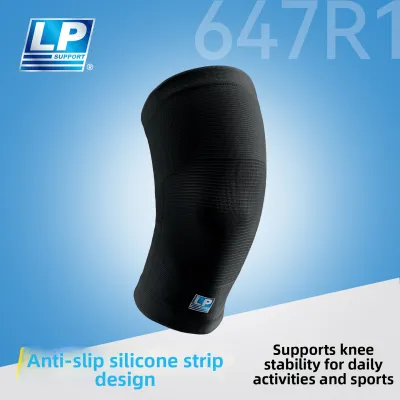
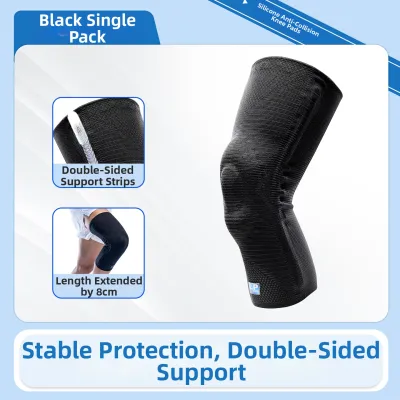
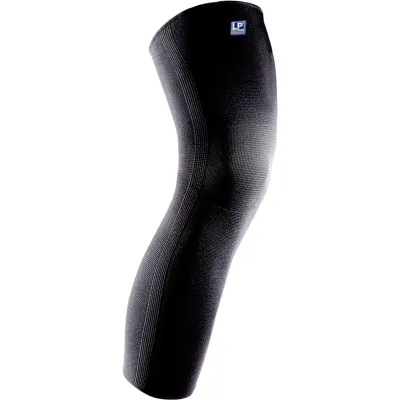
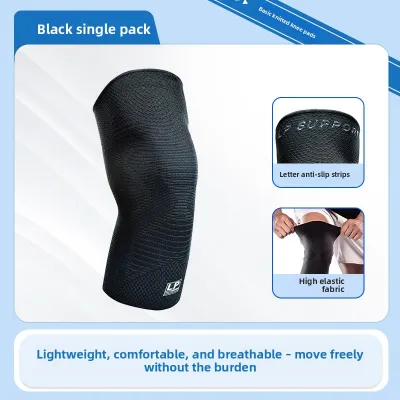
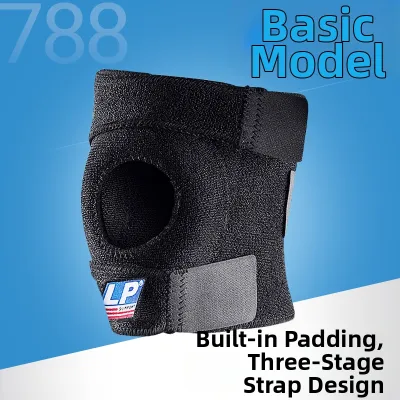
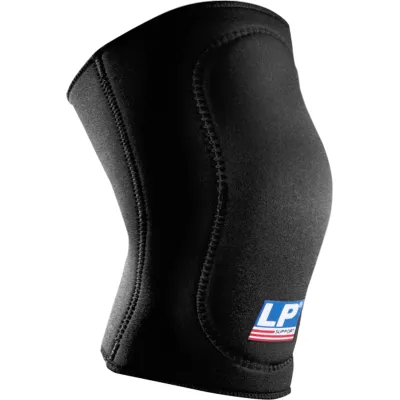
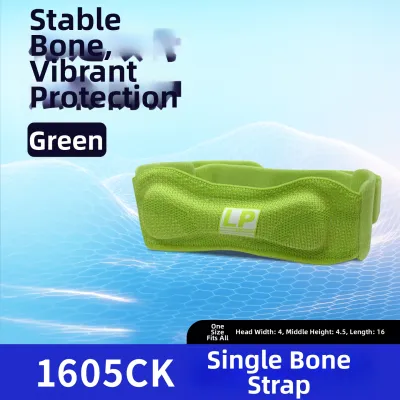
Prices are valid at publication and may change. Please refer to the product page for the latest price.
Furthermore, relying on an unverified brace can actively worsen an existing knee injury. If you are recovering from a meniscus tear, sprain, or patellar instability, an inadequate support can allow the joint to shift unexpectedly during lateral movements. This lack of stabilization can lead to secondary injuries, prolonged recovery times, and unnecessary strain on surrounding muscles and tendons.
Physical and Visual Inspection Checklist
A hands-on examination is one of the most reliable ways to distinguish a genuine support from a counterfeit. Start by evaluating the stitching consistency and thread quality along the seams. Authentic manufacturing processes utilize high-density, double-stitched overlock seams designed to withstand intense stretching and repeated washing. If you notice loose threads, uneven spacing, or fraying edges straight out of the box, the item is highly likely to be a fake.

Next, test the fabric’s elasticity and recovery speed. Genuine neoprene or knitted elastic blends should feel firm yet pliable, immediately snapping back to their original shape after being stretched. Counterfeit fabrics often feel either overly stiff and rigid, or excessively thin and loose, losing their shape permanently after a single stretch. The texture of an original brace is smooth and uniform, whereas fakes often have a rough, uneven surface with visible air pockets or thinning patches.
Pay close attention to the edge binding and seam finishing. The borders of an authentic knee support are cleanly bound with soft, stretchable piping that prevents chafing against the skin. On counterfeit versions, these edges are often roughly cut, poorly aligned, or sealed with hard, melted plastic threads that scratch the skin. If the model includes built-in stabilizers, such as metal spiral stays or silicone patella pads, verify their alignment and flexibility. Genuine stays are securely pocketed and flexible, while fake stays may feel flimsy, misaligned, or sharp enough to poke through the fabric.
Weight, color accuracy, and logo placement are also critical indicators. Original products have a substantial, balanced weight due to the high-density materials used in their construction. Compare the color of the fabric and the placement of the logo with official brand imagery. Counterfeits frequently exhibit off-color hues, blurry or off-center logo prints, and heat-transfer decals that peel off easily with light friction.
Packaging and Security Label Verification
The retail packaging is often where counterfeiters make the most visible mistakes. Begin by assessing the print quality, color saturation, and spelling on the outer box. Genuine packaging features crisp, high-resolution graphics, clear typography, and accurate translations in the instruction manuals. Blurry text, pixelated images, or spelling errors on the box are immediate red flags indicating a counterfeit product.
Locate and verify the official security labels, holograms, or anti-counterfeit tags on the packaging. Manufacturers of premium sports supports frequently update their security features, incorporating multi-layered holographic stickers that shift colors or reveal hidden patterns when tilted under light. Check if the package includes a scratch-off panel revealing a unique verification code.
Cross-reference the barcodes, SKU numbers, and size labels across the box, the product tags, and the product itself. On an authentic item, these numbers must match perfectly. Counterfeiters often reuse the same barcode and SKU across different sizes and models, or print generic labels that do not correspond to the actual product inside the box.
If the packaging includes a QR code or a scratch-off security code, utilize the official brand verification channels to scan it. Avoid using generic QR scanners that redirect you to unverified, third-party websites designed to mimic the official brand portal. Always ensure the URL displayed after scanning matches the official, secure domain of the manufacturer.
Choosing Safe Purchasing Channels
Minimizing the risk of purchasing a counterfeit knee support starts with selecting the right retail environment. Prioritize official brand stores, authorized physical sporting goods retailers, and verified flagship stores on major e-commerce platforms. These channels source their inventory directly from authorized distributors, ensuring product authenticity and reliable customer support.
When browsing third-party sellers on online marketplaces, conduct a thorough evaluation of the store’s history. Check the seller’s overall rating, the age of the store, and customer feedback. Be cautious of stores with generic names, high volumes of negative reviews regarding product quality, or those that have only been active for a few weeks.
Price realism is another crucial factor to consider. While seasonal promotions and clearance events can offer legitimate discounts, be highly suspicious of listings offering prices far below the standard retail range in the Philippines. If a deal seems too good to be true, it is almost certainly a counterfeit product made with inferior materials.
Do not rely solely on user-uploaded photos in online reviews to confirm authenticity. Many counterfeit sellers incentivize positive reviews or upload stolen images of genuine products to mislead buyers. Instead, look for detailed, written reviews that describe the long-term durability, fabric feel, and compression performance of the support after several weeks of active use.
Steps to Take If You Receive a Suspected Fake
If your authenticity checks raise serious doubts about the product you received, take immediate action to protect your investment and safety. Start by documenting the product and its packaging thoroughly. Take clear, high-resolution photographs of the stitching, logos, labels, and any discrepancies you identified during your inspection.
Contact the seller immediately through the platform’s official messaging system to request a return and a full refund. State your concerns clearly, referencing the specific visual or structural flaws that indicate the product is not genuine. Avoid using the product, as returning it in its original, unused condition strengthens your claim.
If the seller refuses to cooperate or denies the return, escalate the issue by reporting the suspicious listing and seller to the e-commerce platform’s customer support or dispute center. Provide your photographic evidence and transaction details to support your case. Finally, if you require reliable joint stabilization for an injury, consult a healthcare professional or physical therapist to help you source a medically appropriate knee support from a trusted medical supply distributor.
Frequently Asked Questions (FAQ)
Can a fake knee support cause further joint injury?
Yes, using a counterfeit knee support can lead to further joint damage. Fake supports lack the precise, medical-grade compression and structural reinforcement required to stabilize a weak or injured knee. During physical activity, an unverified brace may slip, stretch out, or fail to limit harmful lateral movements, leaving your ligaments and cartilage vulnerable to sudden twists, strains, or re-injury.
Do all original LP knee supports come with a warranty card?
Not all original supports include a physical warranty card or authenticity certificate inside the box. Packaging inclusions can vary significantly depending on the specific product line, the region of distribution, and the retail channel. To set accurate expectations, check the brand’s current official packaging guidelines or consult an authorized local distributor to verify what should be included with your specific model.
Is a lower price always an indicator of a counterfeit product?
While a low price is a major warning sign, it is not a universal indicator of a fake. Authorized retailers occasionally run seasonal sales, clearance events, or bundle promotions that temporarily lower the price of genuine items. However, if the price is consistently and unrealistically low compared to the standard market value across all authorized stores, the product is highly likely to be a counterfeit.
Community discussion
Share your experience or ask a question. Comments are reviewed before publication.