
A slipping badminton racket during a fast-paced rally is more than just an inconvenience; it can ruin your control, compromise your shot accuracy, and even lead to accidental damage if the racket flies out of your hand. In tropical climates where high humidity and intense heat are constant factors, sweating is an unavoidable challenge on the court. When your palms become wet, the friction between your hand and the racket handle drops significantly, causing the racket to twist during off-center hits.
To maintain a secure hold and restore grip ease, you must combine immediate on-court moisture management with long-term gear upgrades and consistent maintenance habits. By implementing quick drying techniques and choosing the right grip materials for your playing style, you can regain complete control and confidence in your shots.
Immediate On-Court Fixes to Stop Your Racket from Slipping
Keeping a high-quality microfiber cloth or a dedicated sports towel nearby is your first line of defense against a slippery handle. Unlike standard cotton towels, microfiber cloths feature split fibers that create a larger surface area, allowing them to trap moisture, oils, and dirt much more efficiently. Make it a habit to thoroughly wipe down your hands, wrists, and the entire racket handle during every short break, such as when the shuttle is being retrieved or before a serve.
Products mentioned in this guide
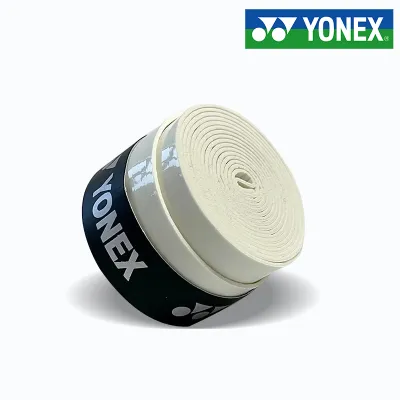
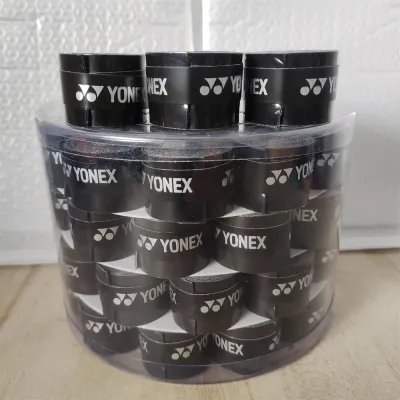
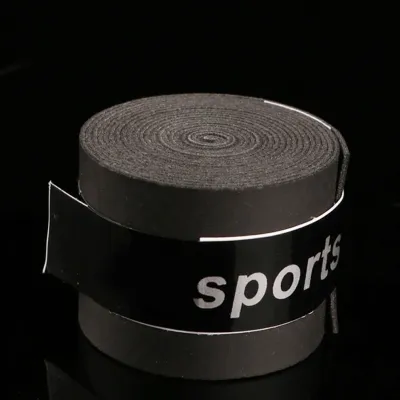

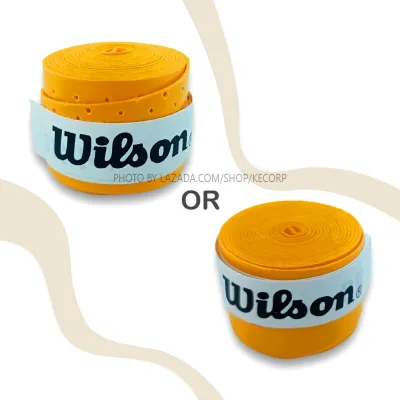
Prices are valid at publication and may change. Please refer to the product page for the latest price.
For players who experience heavy sweating, applying grip powder, rosin bags, or liquid chalk can provide an instant dry barrier. Grip powder, typically composed of magnesium carbonate, works by absorbing moisture on contact and increasing surface friction. Gently tap a rosin bag against your palms or shake a small amount of grip powder onto your hands, then rub them together to distribute it evenly. If you choose to use liquid chalk, apply a small drop to your palms, spread it thin, and let it air-dry for a few seconds into a clean, dry coating that prevents sweat from reaching the handle.
Managing your physical grip pressure is another crucial on-court adjustment that directly impacts sweat production and control. When players feel their racket slipping, their natural instinct is to squeeze the handle much tighter. This constant, intense squeezing fatigues the forearm muscles and triggers more localized sweating in the palm. Instead, focus on keeping your hand relaxed during the preparation phase of your shots, only tightening your fingers at the exact fraction of a second when the racket face makes contact with the shuttlecock. During short breaks, let go of the handle completely to let your hand air-dry.
Why Your Racket Loses Friction During Intense Rallies
Understanding why your racket loses its grip is essential for preventing future slips, and it often starts with the interaction between sweat and polyurethane (PU) materials. Most standard replacement grips and overgrips are made of PU, which is favored for its soft, cushioned feel and initial tackiness. However, PU is a non-porous synthetic material, meaning it cannot absorb large volumes of liquid. When you sweat heavily in a humid environment, the moisture forms a thin, slippery film on top of the grip, creating a hydroplaning effect that eliminates friction.

Over time, regular play subjects your grip to friction, dirt, skin oils, and salt from your sweat, all of which accelerate the wear and tear of the material. As these elements accumulate, they break down the outer tacky layer of the polyurethane, leaving behind a smooth, hardened, and shiny surface. Once a grip has reached this state of degradation, it loses its elastic properties and can no longer provide the necessary traction, making it highly susceptible to slipping even if your hands are relatively dry.
Incorrect grip thickness also plays a major role in reducing control and increasing hand moisture. If your racket handle is too thin for your hand size, your fingers will overlap excessively, forcing you to clench your fist tightly to keep the racket stable. Conversely, a handle that is too thick prevents your fingers from wrapping around securely, reducing your leverage. Both extremes cause unnecessary muscle strain and increased hand heat, which stimulates sweat glands and makes the handle feel much more slippery during fast-paced rallies.
Long-Term Upgrades to Improve Grip Ease and Control
If you consistently struggle with wet hands, switching to a towel grip is one of the most effective long-term upgrades you can make. Made from cotton terry cloth, towel grips function exactly like a bath towel, absorbing sweat directly into the fabric fibers. Interestingly, towel grips actually perform better and offer more traction when they are slightly damp, making them highly popular among players in tropical regions. The main trade-off is that they require frequent replacement, as dried sweat eventually causes the cotton fibers to become stiff, rough, and prone to harboring bacteria.
For players who prefer the feel of synthetic materials, choosing between tacky and dry-feel overgrips can make a significant difference in control. Tacky overgrips feature a sticky polyurethane coating that works best for players with light to moderate sweat levels, offering a secure, glued-to-the-hand sensation. Dry-feel overgrips, on the other hand, have a velvety, moisture-absorbing texture that mimics the feel of paper or dry cloth. These are specifically designed to wick away moisture continuously, making them an excellent choice for humid conditions where tacky grips might quickly become slimy.
To further customize your handle and prevent sweat from damaging your racket, consider using cushion wrap or a heat shrink tube underneath your main grip. Cushion wrap is a lightweight, polyurethane foam underwrap that you can wind around the bare wooden handle to adjust the thickness and absorb impact vibrations. If you want to protect the wood from sweat penetration—which can rot the handle over time—applying a plastic heat shrink tube over the bare wood before wrapping your grip creates an impermeable barrier that keeps the handle structurally sound and dry.
Daily Maintenance to Prevent Future Slipping
Proper maintenance starts the moment you install a new grip, and a common mistake to avoid is leaving the protective plastic wrapper on the underlying replacement grip. Many players wrap a new overgrip directly over this plastic film to preserve the original grip underneath. However, this traps sweat and moisture between the layers, causing the wooden handle to rot and weaken over time. Always peel off all plastic packaging and old, worn-out grips down to the base before applying a fresh overgrip to ensure a secure, slip-free fit.
How you store your badminton gear after a session heavily influences the lifespan and performance of your grips. Never leave your racket inside a sealed plastic cover or in hot, humid environments like a car trunk, as the extreme heat breaks down the adhesive backing of the grips and causes synthetic materials to degrade rapidly. Instead, store your rackets in a well-ventilated sports bag or hang them in a cool, dry room at home, allowing the grip materials to air out and dry completely between matches.
Establishing a regular replacement schedule based on your playing frequency is key to maintaining optimal grip ease. If you play badminton two to three times a week in a warm climate, a synthetic overgrip should typically be replaced every two to four weeks, while a towel grip may need to be changed every one to two weeks. Do not wait for the grip to start peeling, tearing, or emitting an odor; replace it as soon as you notice a visible loss of color, smooth patches, or a reduction in tackiness.
Frequently Asked Questions (FAQ)
Can I use regular athletic tape instead of a badminton overgrip?
While regular athletic tape might seem like a quick, budget-friendly alternative, it is not designed to handle the specific demands of badminton play. Athletic tape lacks the moisture-wicking properties, cushioning, and specialized surface textures required to maintain friction when wet. Additionally, the heavy adhesive used on athletic tape can melt under tropical heat, leaving a sticky, stubborn residue on your racket’s wooden handle that is incredibly difficult to clean and can ruin subsequent grip installations.
How often should I change my badminton overgrip?
The frequency of changing your overgrip depends on your sweat levels, playing style, and how often you step onto the court. Instead of following a strict calendar, look for physical and tactile indicators: if the grip feels slick, shows dark sweat stains, starts to fray at the edges, or loses its cushioning, it is time for a replacement. Regularly changing your overgrip is also essential for hygiene, as sweat-soaked materials quickly become breeding grounds for bacteria and mold in warm, humid climates.
Does wearing a sports glove help with racket slipping?
Wearing a sports glove can help absorb sweat, but it is generally not recommended for badminton because it significantly reduces tactile feedback and limits wrist flexibility. Badminton relies heavily on precise finger adjustments and rapid wrist snaps for deceptive shots and net play, which a glove can hinder. A much better alternative is to wear a thick cotton wristband on your playing arm, which acts as a dam to stop sweat from running down your forearm and onto your hand and racket handle.
Community discussion
Share your experience or ask a question. Comments are reviewed before publication.