
To stop your running belt from bouncing, you must anchor it low on your hips across your pelvis, adjust the tension to be snug but breathable, and distribute the weight of your gear evenly across its pockets. When a belt is positioned too high on the soft tissue of your waist or packed unevenly, the motion of your stride turns your essentials into a shifting pendulum.
By masterfully adjusting your gear placement, balancing your load, and recognizing when your current gear is worn out, you can eliminate the annoying distraction of a bouncing belt. This allows you to focus entirely on your stride, pace, and performance.
Why Your Running Belt Bounces (And How to Diagnose It)
A bouncing running belt is one of the most frustrating gear issues a runner can face. It manifests as a rhythmic, annoying slapping sound against your lower back or abdomen with every foot strike. Over longer distances, this constant movement leads to painful chafing, pulls at your running shorts, and forces you to break your stride to pull the belt back down.
Products mentioned in this guide
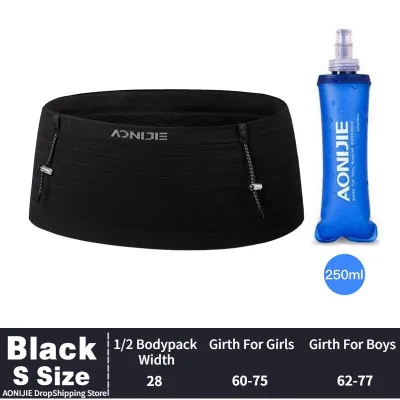
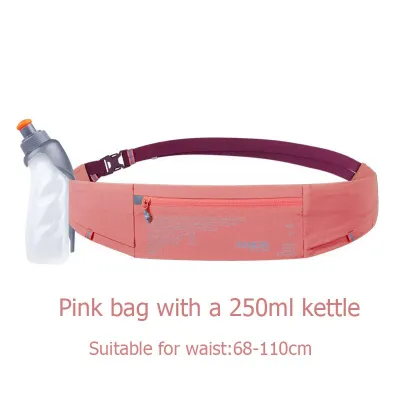
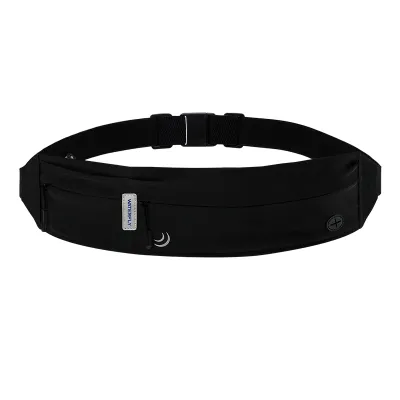
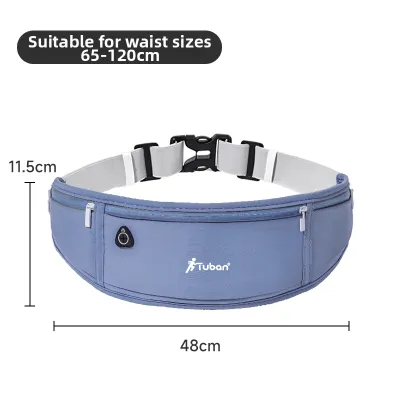
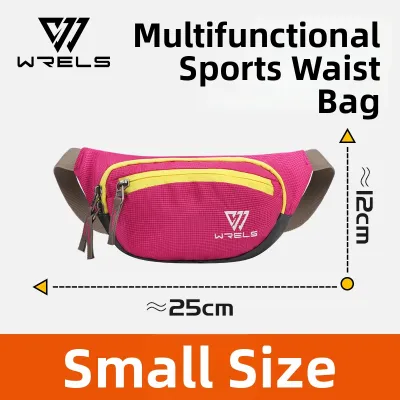
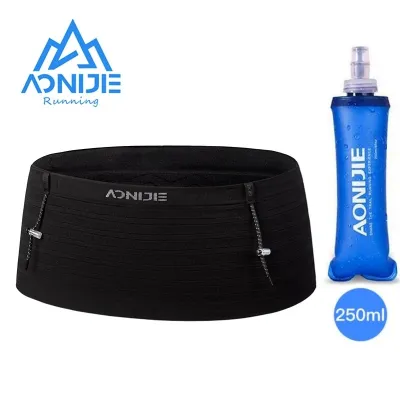

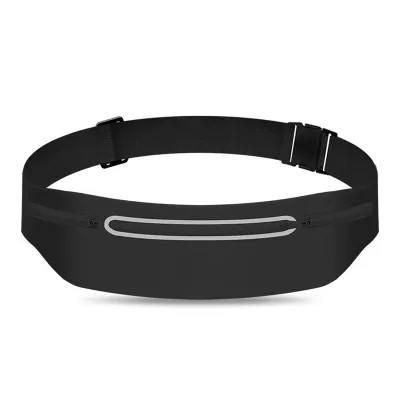
Prices are valid at publication and may change. Please refer to the product page for the latest price.
There are three primary culprits behind this movement. First is improper tension; a belt that is too loose will inevitably succumb to gravity, while one that is too tight can ride upward toward your narrowest point. Second is incorrect anatomical placement, where the belt is positioned on the soft, moving tissue of the waist rather than a stable bony structure. Third is uneven weight distribution, which occurs when a heavy item pulls one side of the belt down, causing a diagonal rocking motion.
Environmental factors play a massive role in how your gear behaves. In hot, humid climates like the Philippines, intense sweating begins within the first few kilometers of a run. This heavy perspiration saturates your apparel, significantly reducing the friction between the running belt and your technical shirt or skin. Without adequate friction, a belt that felt secure in your living room will quickly begin to slide and bounce once you start sweating.
Diagnosing the exact root cause of the bounce is essential before attempting a fix. If your belt only starts bouncing after you take out your phone to check a route, the issue is likely weight distribution. If it slowly creeps upward from your hips to your belly button, the problem is anatomical placement or tension. Understanding these signals prevents you from simply pulling the strap tighter, which can restrict your breathing and cause secondary issues.
How to Adjust Fit and Position for a Secure Hold
Achieving a bounce-free run requires understanding how to anchor your gear against your body’s natural skeletal structure.

Finding the Right Placement
Many runners instinctively pull their running belt up to their natural waist, near the belly button, assuming the narrowest part of the torso will keep it secure. However, the abdomen is made of soft muscle and fat that constantly expands and contracts as you breathe. This movement naturally pushes the belt downward, or allows it to ride up even higher during deep exhalations.
Instead, position the belt much lower, resting directly on top of your hip bones (the iliac crest) or wrapped snugly across your pelvis. This bony structure acts as a natural mechanical shelf. Because your pelvis does not expand when you breathe, it provides a solid, unyielding anchor that physically prevents the belt from sliding down, even during high-impact downhill descents.
Dialing in the Tension
Your belt should feel like a supportive, firm hug around your hips—never a restrictive tourniquet. To find the sweet spot, put on your loaded belt and adjust the straps until it feels secure. You should still be able to slide two fingers flat between the belt and your body. This space ensures you can perform deep diaphragmatic breathing without feeling restricted.
Before stepping out the door, perform the vertical jump test. Stand in place and jump up and down five times, landing firmly on your feet. If the belt shifts, slides, or rotates during these jumps, it will definitely bounce on the road. Tighten the strap incrementally until you can jump without any gear movement.
Managing the Buckle and Straps
If your belt features a plastic adjustment buckle, avoid positioning it directly over the prominent bones at the front of your hips. The repetitive impact of running can press the hard plastic into your skin, causing bruising or raw spots. Shift the buckle slightly off-center toward your abdomen or further back along your hip.
Loose, dangling strap ends are a subtle cause of secondary bounce and mental distraction. Secure these excess tails using the built-in elastic loop keepers. If your belt lacks these keepers, wrap a small hair tie or a rubber band around the excess strap to keep it pinned flat against the main band.
Layering Considerations
The fabric of your running apparel dictates how much tension your belt requires. Slick, high-performance nylon-spandex compression leggings offer very little natural friction, meaning you will need to tighten the belt slightly more than usual. Conversely, textured polyester shorts or cotton-blend shirts provide more grip, allowing for a slightly looser fit. Always readjust your belt tension when changing your running wardrobe.
How to Pack and Balance Your Gear to Prevent Shifting
How you organize the items inside your running belt is just as important as how tightly you strap it to your body. Proper packing prevents internal movement and stabilizes the overall load.
Distributing Weight Evenly
When you place a heavy object, such as a modern smartphone, entirely on one side of a flexible belt, you create an asymmetric load. During the flight phase of your running stride—when both feet are off the ground—gravity pulls the heavier side down faster than the lighter side. This difference in force creates a rocking, twisting motion that amplifies bounce.
To counter this, distribute your gear evenly around your waist. If your phone sits in the front pocket, place your keys, energy gels, and cardholder in the rear pockets. If your belt has side pockets, split your keys and gels equally between the left and right sides to keep the lateral balance perfect.
Packing Order and Orientation
Always position flat, rigid items flat against your body. Your smartphone should lie parallel to your lower back or pelvis, rather than tilting outward. When an item tilts away from your torso, it shifts the center of gravity outward, creating a pendulum effect that increases rotational torque and causes the belt to sag.
For small, hard items like house keys or loose coins, wrap them in a small tissue or place them in a dedicated zippered pocket. This prevents them from sliding around inside a larger compartment, which can alter the weight distribution mid-run and create annoying rattling noises.
Minimizing Bulk and Mass
Be ruthless about what you carry on your runs. The heavier the total mass of your belt, the more downward force gravity will exert with every stride. Leave heavy keychains, bulky wallets, and unnecessary loyalty cards at home. Carry only a single key, your essential identification, one payment card, and the exact amount of nutrition required for your planned distance.
Using Internal Organization
Belts designed with a single, large pouch allow your gear to pool together in one spot, creating a heavy, unstable mass that shifts with every step. Opt for belts that feature internal dividers, separate sleeves, or multiple pockets. These compartments lock each item into a fixed position, preventing your phone from sliding into your keys and maintaining your balanced weight distribution.
When to Upgrade: Signs Your Running Belt Cannot Be Fixed
Sometimes, no amount of adjusting, repositioning, or careful packing will stop a running belt from bouncing. In these cases, the issue lies in material wear or fundamental design limitations.
Permanent Material Wear
Like all athletic gear, running belts have a finite lifespan. The elastic fibers (elastane or spandex) within the band degrade over time due to constant stretching, exposure to body oils, salty sweat, and UV rays. If your belt feels loose even when adjusted to its tightest setting, or if you notice fine, broken elastic threads puckering through the fabric, the material has lost its structural integrity and can no longer hold a secure fit.
Additionally, inspect the interior silicone grip dots or strips. If these rubberized elements have peeled off or lost their tackiness, the belt will slip easily against technical fabrics. Check the plastic buckles as well; warped or cracked teeth can allow the webbing strap to slowly slip and loosen while you run, requiring constant manual tightening.
Inherent Design Limitations
Traditional single-pouch, narrow-strap belts (often resembling classic fanny packs) are structurally unsuited for modern running needs. A narrow strap concentrates all the weight onto a small surface area, causing it to dig into your waist or slip easily. Furthermore, these designs cannot support the weight of modern, large-format smartphones without bouncing, regardless of how tightly you pull the strap.
A Checklist for Selecting a Stable Replacement
If it is time to retire your old gear, look for a replacement that incorporates modern, high-stability design features. A high-quality running belt should offer:
- Tubular Construction: A continuous, step-in band made of high-stretch fabric that distributes pressure evenly around your entire circumference, eliminating pressure points and bulky buckles.
- Four-Way Stretch Fabrics: Materials like high-grade Lycra or spandex blends that contour precisely to your body shape and hold items flush against your skin.
- Multi-Pocket Layout: Multiple entry points around the band, allowing you to distribute your phone, keys, and nutrition evenly.
- Interior Silicone Grippers: Rubberized patterns on the inside of the band that grip your clothing to prevent riding up, especially in wet or humid conditions.
- Clear Sizing Guidelines: Brands that offer specific size ranges (rather than a one-size-fits-all approach) ensure a more tailored, bounce-free fit.
Always check the manufacturer’s stated weight and size capacities before purchasing. If you plan to carry a soft hydration flask alongside your phone, verify that the belt’s elastic tension is rated to handle that specific load without sagging.
Frequently Asked Questions (FAQ)
Should I wear my running belt over or under my shirt?
Wearing your running belt under your shirt, directly against your skin or a tight base layer, generally provides the most secure, bounce-free fit because it maximizes friction. However, in hot and humid conditions, direct contact can cause heavy sweat build-up and increase the risk of chafing. Wearing the belt over your shirt protects your skin and makes your gear easier to access, but you may need to tighten the belt slightly more if your shirt is made of a slick, slippery synthetic fabric.
Can a running belt cause chafing if I tighten it too much to stop the bounce?
Yes, over-tightening a running belt can create high-pressure friction points, particularly along the seams, zippers, or plastic buckles. If you must pull your belt painfully tight to stop it from bouncing, it is likely the wrong size, poorly packed, or structurally worn out. To protect your skin, apply an anti-chafe balm to your hips before your run, wear high-waisted compression shorts as a protective barrier, and wash your belt regularly to remove abrasive dried salt crystals from your sweat.
Is a running belt better than a hydration vest for preventing bounce?
For carrying minimal essentials like a phone, keys, and a couple of energy gels, a properly fitted running belt is highly efficient, lightweight, and keeps your upper body completely free. However, if your run requires you to carry more than 250ml of water, extra layers, or substantial nutrition, a hydration vest is far superior. A vest distributes the heavier weight across your shoulders, chest, and upper back, anchoring the load to your stable ribcage rather than your moving hips, which completely eliminates waist bounce.
Community discussion
Share your experience or ask a question. Comments are reviewed before publication.