
Properly taping your fingers for boxing at home is the most effective way to prevent joint hyperextension, skin tears, and micro-fractures during solo bag workouts. When training without a coach present to monitor your form, your hands absorb repetitive, uncorrected impact forces that can easily lead to long-term injury. Applying a dedicated tape for finger support reinforces the delicate joints of your hand, ensuring you can train safely and consistently in your home setup. This guide explains how to protect your hands using rigid athletic tape and elastic wraps, specifically tailored for the high-humidity conditions of a home gym.
Why Finger Protection Matters in Solo Home Training
Solo home boxing training offers incredible convenience, but it lacks the immediate feedback of an experienced trainer. Without someone to correct minor alignment errors, every punch thrown at a heavy bag or focus pad transmits massive impact forces directly through your knuckles and into the delicate metacarpophalangeal (MCP) joints. Over time, these repetitive forces can cause acute sprains, micro-fractures, and painful skin tears that can sideline your training for weeks.
When you strike a heavy bag, the resistance of the bag forces your fingers to compress and flex. If your fist is not perfectly aligned, the impact can force your finger joints into unnatural angles, leading to hyperextension or lateral sprains. Properly applied athletic tape acts as an external ligament, absorbing a portion of the shock and keeping your joints within their safe, natural range of motion.
Products mentioned in this guide
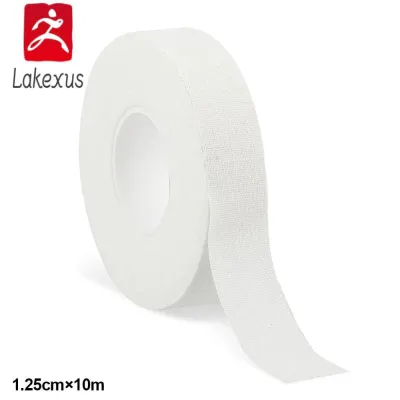

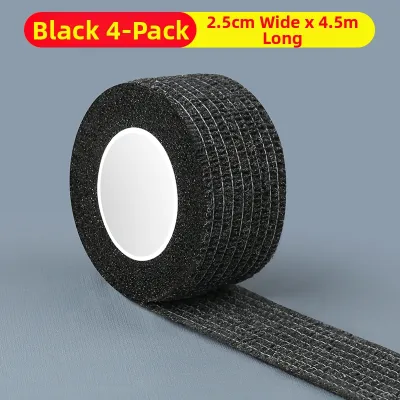
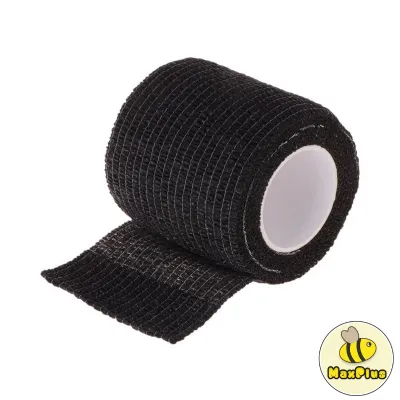
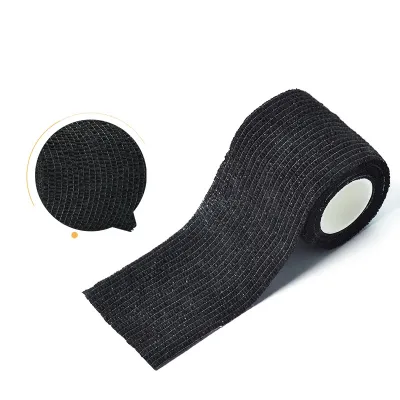
Prices are valid at publication and may change. Please refer to the product page for the latest price.
In a tropical climate like the Philippines, managing moisture inside your boxing gloves is a constant challenge. High humidity and intense workouts lead to heavy sweating, which can cause your hands to slip inside your gloves, altering your punch mechanics and increasing the risk of wrist collapse. Taping your fingers helps manage this moisture by absorbing sweat and providing a textured surface that keeps your hand secure within the glove’s inner compartment.
Selecting the Best Tape for Finger Support and Hand Wraps
To build a reliable hand protection system at home, you need to understand the distinct roles of rigid athletic tape and elastic hand wraps. Rigid athletic tape, often made of zinc oxide, is non-elastic and designed to limit joint movement. This makes it the ideal tape for finger stabilization, allowing you to isolate and support specific knuckles that are prone to injury or recovering from a strain.

In contrast, elastic hand wraps—frequently referred to as Mexican-style wraps—provide comprehensive compression across your entire hand, wrist, and knuckles. They are reusable, washable, and offer a thicker layer of padding that helps disperse impact forces across a wider surface area. For optimal protection during heavy bag sessions, professional fighters often combine both materials, using rigid tape to secure individual finger joints before wrapping the entire hand.
If you have sensitive skin or train in high-heat environments, using a thin foam pre-wrap or underlay beneath your rigid tape can prevent skin irritation and adhesive burns. This lightweight barrier protects your skin from the strong adhesives of sports tape while still allowing the tape to provide structural support. Additionally, keeping a pair of blunt-nose scissors and a skin-safe adhesive remover in your gym bag ensures you can remove the tape safely without tearing your skin or damaging your wraps.
When budgeting for your home boxing setup, expect to pay around ₱150 to ₱400 for a high-quality roll of rigid zinc oxide athletic tape, while a pair of durable Mexican-style elastic wraps typically costs between ₱300 to ₱800. Investing in proper materials is a minor expense compared to the cost of medical treatment for a fractured hand or torn ligament.
Step-by-Step Guide to Taping and Wrapping Your Fingers
Protecting your hands requires a systematic approach that matches your training intensity and the equipment you are using. If you are focusing on light speed-bag work, elastic wraps alone may suffice; however, intense heavy bag training demands the targeted support of rigid athletic tape. Before applying any tape or wrap, always wash and thoroughly dry your hands to remove oils and sweat, ensuring the adhesive bonds securely to your skin.
Method 1: Taping Knuckles and Joints with Athletic Tape
This method utilizes rigid athletic tape to target individual joints and build a protective barrier over your primary striking surfaces. Follow these steps to secure your fingers:
- Create the Wrist Anchor: Start by wrapping a strip of 1.5-inch athletic tape loosely around your wrist twice. This serves as the anchor point for the finger strips and should be snug but never tight enough to restrict blood flow.
- Apply the Finger Strips: Tear a narrower strip of tape (about 0.5 inches wide). Starting from the wrist anchor, run the tape up the back of your hand, over the target finger joint, and secure it just below the fingernail. Run a second strip back down to the wrist anchor, forming a supportive loop that prevents the finger from hyperextending backward upon impact.
- Tape the Individual Joints: Wrap a small strip of tape around the space between your finger joints (the phalanges). Ensure you place the tape above and below the joint, leaving the actual crease of the joint free so you can still bend your finger to make a tight fist.
- Build the Knuckle Bar: Fold a piece of tape back on itself several times to create a thick, padded strip that matches the width of your knuckles. Place this pad directly over your metacarpophalangeal (MCP) joints, and secure it by wrapping a wide strip of tape around your palm and the back of your hand.
Safety Warning: Never apply athletic tape directly over open cuts, scrapes, or blisters. Always apply a sterile, non-stick dressing over the wound before taping to prevent infection and avoid tearing the healing skin when removing the tape.
Method 2: Wrapping Fingers and Wrists with Elastic Hand Wraps
Elastic wraps provide a continuous layer of protection that integrates your fingers, knuckles, and wrist into a single cohesive unit. Use this sequence to apply your elastic wraps:
- Anchor the Thumb and Wrist: Slip your thumb through the starter loop of the wrap. Pull the wrap across the back of your wrist—never across the palm—and wrap it around your wrist three times to establish a solid foundation.
- Create the Hand Anchor: Bring the wrap up across the back of your hand and wrap it around your palm and knuckles three times. This creates the primary padding layer for your striking surface.
- Execute the Finger Weave: From the wrist, bring the wrap up and pass it between your pinky and ring finger. Run it down through your palm and back to the wrist to secure it. Repeat this process between your ring and middle fingers, and finally between your middle and index fingers. This weave separates your fingers, preventing them from smashing into each other when you punch.
- Form the Support X: After each pass between the fingers, run the wrap diagonally across the back of your hand to the opposite side of your wrist. This creates an 'X' pattern that locks your wrist and hand bones into alignment.
- Finish and Secure: Wrap the remaining material around your knuckles and wrist, securing the Velcro closure at the wrist. The wrap should feel snug and supportive, but you should still be able to comfortably close your hand into a fist.
Common Taping Mistakes That Cause Injury
Even with the best materials, improper application can compromise your safety and lead to secondary injuries. The most common error home boxers make is wrapping their hands too tightly. While you want your wrist and fingers to feel secure, overtightening the tape or wraps restricts blood circulation, leading to numbness, tingling, and a loss of muscle sensation that weakens your punch and increases joint vulnerability.
Another frequent mistake is taping your fingers while they are completely straight and flat. If you tape your hand in an extended position, you will struggle to close your fist properly inside your glove. This forced resistance tires out your forearm muscles and prevents you from forming a solid, compact fist, which is essential for safely dispersing impact forces.
In warm, humid environments, ignoring moisture accumulation is a recipe for skin damage. Using non-breathable plastic tapes traps sweat against your skin, leading to maceration—a condition where the skin softens, prunes, and tears easily. Always choose breathable cotton-based athletic tapes that allow moisture to escape, protecting your skin’s integrity during long training sessions.
Finally, poor hygiene can quickly turn minor training scrapes into serious health issues. Reusing dirty, sweat-soaked athletic tape or neglecting to wash your elastic wraps allows bacteria and fungi to thrive in the warm, dark environment inside your gloves. This can lead to painful skin infections, especially if you have micro-abrasions from repetitive punching.
Post-Taping Verification: The Safety and Comfort Check
Before you throw your first punch at the heavy bag, you must perform a systematic safety check to verify that your hands are properly protected and that circulation is unimpeded. Equipment cannot replace proper training, form, and judgment, so taking two minutes to inspect your wrap job is a vital safety habit for every home workout.
Begin with the capillary refill test. Press down firmly on one of your fingernails until it turns white, then release it. The natural pink color should return within two seconds. If it takes longer, or if your fingertips feel cold, numb, or start to tingle, your tape is too tight. You must immediately cut off the tape and re-wrap your hand to avoid nerve or vascular damage.
Next, perform the fist test. Slowly close your hand into a tight fist. Your knuckles should feel heavily padded, and your fingers should be able to close completely without excessive resistance. Your wrist should feel locked and supported, preventing it from bending backward or sideways when you simulate a punch. If you feel any sharp joint pain or pinch points during this test, stop, remove the tape, and adjust your wrap.
Frequently Asked Questions (FAQ)
Can I use standard medical bandage tape instead of sports tape?
No, standard medical bandage tape is not suitable for boxing. Medical tape is designed to secure dressings and flex with light skin movement; it lacks the tensile strength, rigidity, and specialized adhesive required to withstand the high-impact forces of boxing. Under the heat and sweat of a workout, medical tape will quickly slide off, leaving a sticky residue inside your gloves and offering zero structural support to your finger joints.
How often should I replace my athletic tape or hand wraps?
Athletic tape is strictly single-use and must be discarded immediately after every training session. Reusing tape is highly unhygienic and ineffective, as the adhesive degrades once exposed to sweat and skin oils. Elastic hand wraps, on the other hand, are reusable but should be washed after every two to three uses to prevent bacterial buildup. Replace your elastic wraps entirely when the fabric loses its elasticity or the Velcro no longer holds securely.
Do I still need boxing gloves if my fingers are taped?
Yes, you must always wear boxing gloves over your taped hands when hitting a heavy bag or focus pads. Taping and wrapping only stabilize the internal joints and protect the skin from friction; they do not possess the mass or foam thickness required to disperse heavy impact forces. Attempting to punch a heavy bag with only tape on your hands will result in severe joint trauma, bone bruising, or fractures.
Community discussion
Share your experience or ask a question. Comments are reviewed before publication.