
A 50cm diving mask specification typically refers to either the maximum strap circumference or a specific frame dimension, making it crucial to verify how this measurement aligns with your facial structure before heading into the water. Because a poorly fitting mask can lead to persistent leaks, eye strain, or painful pressure points, understanding how to measure your face and test the mask’s seal is the most reliable way to ensure a safe, comfortable dive.
Water sports carry inherent risks, and a mask is a critical piece of safety gear. However, equipment cannot replace proper dive training, physical preparation, and sound judgment. Always test your gear in a controlled environment, such as a shallow pool or calm shoreline, before attempting open-water dives. If your mask leaks, fogs excessively, or causes pain, stop the activity immediately to prevent panic or water inhalation.
Understanding the "50cm" Specification in Diving Masks
When browsing online marketplaces or local dive shops, seeing a “50cm” label on a diving mask can be confusing. In most manufacturing standards, this measurement does not represent the width of the glass lens itself. Instead, it typically indicates the maximum circumference of the adjustable head strap when fully extended, or the total outer arc of the mask frame from temple to temple.
Products mentioned in this guide
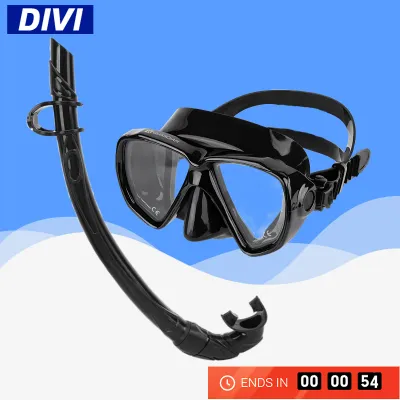
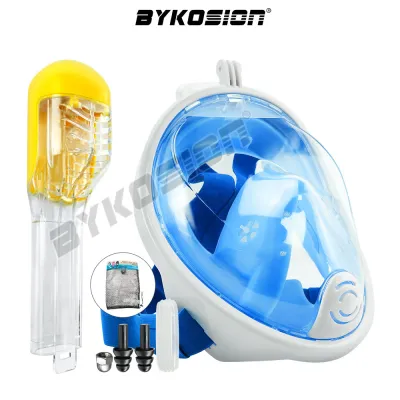
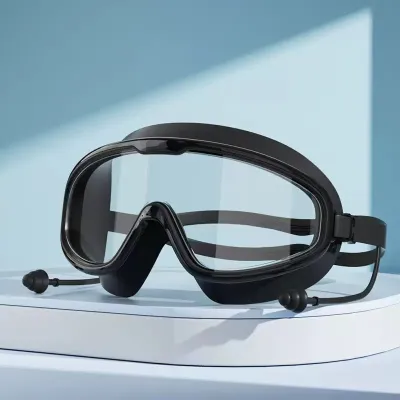
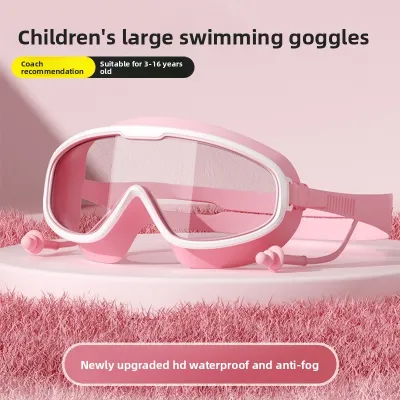
Prices are valid at publication and may change. Please refer to the product page for the latest price.
To determine exactly what you are buying, always check the manufacturer’s official size chart. If the 50cm figure refers to the strap circumference, this mask is generally classified as a youth, junior, or petite adult size. Standard adult masks usually feature straps that extend well beyond 50cm to accommodate larger head sizes and the added thickness of neoprene hoods.
It is also vital to recognize that the outer frame width does not equal the actual sealing surface area of the silicone skirt. The rigid plastic or metal frame holds the lenses in place, but the flexible silicone skirt is what directly contacts your skin. A mask might have a wide 50cm frame arc but a narrow, contoured skirt designed for slender faces, meaning the frame dimensions alone cannot guarantee a watertight fit.
Essential Facial Measurements for Mask Sizing
To find out if a 50cm mask will match your facial structure, you should take a few key measurements using a flexible measuring tape. Measuring your face at home provides a reliable baseline before you make a purchase, especially when shopping online where you cannot try the gear on physically.

Start by measuring the vertical distance from the bridge of your nose—right between your eyes—down to the bottom of your chin. This vertical measurement determines if the mask’s skirt will sit comfortably on your face. If the vertical length of the mask is too short, the skirt will pull upward, pressing against the base of your nose or slipping off your chin, which immediately breaks the seal.
Next, measure the horizontal width across your cheekbones from temple to temple. This measurement ensures the rigid frame of the mask will not press painfully into the outer corners of your eyes or leave wide gaps at your temples. If the mask is too narrow for your cheekbones, water will easily seep in through the sides, particularly when you smile or clear your regulator.
Finally, assess the height and shape of your nose bridge. Those with high or prominent nose bridges need a mask with a deep, flexible nose pocket. If the nose pocket is too shallow, the rigid frame or glass bridge will press directly against the bone, causing severe discomfort. Conversely, a nose pocket that is too large may prevent you from pinching your nose easily to equalize pressure as you descend.
Performing the Dry Suction Test
Once you have the mask in hand, the dry suction test is the most effective, strap-free method to verify if the silicone skirt matches your unique facial contours. This test should always be performed on dry skin in a comfortable environment before exposing the mask to water.
To begin, pull the head strap forward so it hangs completely out of the way in front of the lenses. Clear all hair away from your forehead, temples, and cheeks. In tropical climates where high humidity and sweat are common, wipe your face dry first, as moisture or stray hairs can mimic a seal that will quickly fail once you submerge.
Place the mask gently against your face, ensuring the skirt sits flat against your skin without any folds. Do not use the strap. Look straight ahead, inhale gently through your nose to create a light vacuum, and then hold your breath.
While holding your breath, let go of the mask with your hands and tilt your head slightly downward. If the mask stays firmly in place on your face without sliding or falling, the skirt is creating a proper seal. If you feel air rushing in around your temples, cheeks, or under your nose, the mask shape is not compatible with your face, and it will leak when you dive.
Warning Signs That the 50cm Mask Is the Wrong Fit
A mask might pass a quick suction test but still cause issues during longer wear. Paying attention to physical warning signs during a ten-minute dry trial at home can save you from painful experiences and safety hazards in the water.
One of the most common warning signs is the appearance of deep red marks or bruising on your forehead, cheekbones, or upper lip after wearing the mask for just a few minutes. While a slight, temporary impression is normal, deep or painful red lines indicate that the mask frame is too small or narrow, forcing you to overtighten the strap to keep it in place.
Another critical sign is skin folding or bunching inside the silicone skirt. If you look in a mirror and see your skin puckering under the edges of the silicone, the skirt is too large or wide for your face. This folding creates microscopic channels that allow water to slowly flood the mask, requiring constant clearing and increasing the risk of panic.
Lastly, pay close attention to the rigid frame and nose pocket. If the hard plastic frame presses painfully against your eyebrows, or if the nose pocket restricts your nostrils so much that you cannot breathe or pinch your nose to equalize, the mask is a poor fit. Inability to equalize safely is a critical stop condition for any dive, meaning you must find a different mask size.
Adjusting the Fit vs. Choosing a Different Size
If your 50cm mask is a borderline fit, a few minor adjustments might resolve the issue, but it is crucial to know when to stop adjusting and simply choose a different size.
First, evaluate your strap tension. Many beginners mistakenly believe that tightening the strap as much as possible will prevent leaks. In reality, overtightening distorts the soft silicone skirt, pulling it out of shape and creating gaps that let water in. The strap should only be tight enough to hold the mask gently against your face; the natural water pressure will do the rest of the work to seal it.
If you have minor gaps caused by facial hair or stubble, you can apply a very thin layer of specialized mask seal or a sunscreen-safe, food-grade silicone lubricant to the edge of the skirt. This helps create a temporary barrier against water. However, this is a secondary adjustment and should not be used to compensate for a mask that is fundamentally the wrong size.
If the dry suction test fails repeatedly despite adjusting the strap, or if you experience persistent pressure points on your nose bridge or forehead, the mask is simply incompatible with your face. Do not attempt to use a poorly fitting mask in open water. Exchange it for a model with a wider skirt, a deeper nose pocket, or a larger strap circumference to ensure your safety and comfort.
Frequently Asked Questions (FAQ)
Can I stretch a 50cm diving mask if it feels too tight?
No, you cannot stretch a diving mask to make it fit. The silicone skirt is designed to retain its molded shape and has very little permanent elasticity, while the rigid frame and tempered glass lenses are completely inflexible. Attempting to stretch or force a tight mask onto a larger face will only cause the silicone to tear, deform permanently, or crack the frame, rendering the mask unsafe for diving.
Does facial hair affect the fit of a 50cm diving mask?
Yes, facial hair significantly impacts the fit of any diving mask, regardless of whether the 50cm size is correct for your face. Even short stubble or a mustache creates tiny gaps between your skin and the silicone skirt, allowing water to slowly seep inside. To improve the seal, you can trim the hair directly beneath your nose where the skirt rests, or apply a small amount of food-grade silicone grease to your mustache before entering the water.
Community discussion
Share your experience or ask a question. Comments are reviewed before publication.