
Identifying a genuine raketa for badminton original requires a systematic approach to physical inspection and verification. As badminton continues to grow in popularity, the market has seen an influx of counterfeit rackets that closely mimic the appearance of high-end models. These replicas are often sold online or in unauthorized physical shops under misleading labels like “OEM” or “Class A.” While they may look identical to the untrained eye, they fail to deliver the performance, durability, and safety of an authentic product. To protect your investment and your physical safety on the court, you must look beyond the surface paint and evaluate the structural integrity, security features, and retail source of the racket.
Why Counterfeit Badminton Rackets Are a Risk
Using a counterfeit badminton racket introduces significant performance inconsistencies that can severely hinder your progress on the court. Genuine rackets are engineered with precise weight distribution and specific balance points to complement different playing styles, whether you prefer head-heavy power or head-light speed. Counterfeits, however, are typically constructed without these engineering standards, resulting in awkward handling, poor vibration dampening, and an unpredictable sweet spot that can lead to chronic wrist and elbow strain.
Beyond poor performance, counterfeit rackets present a genuine safety hazard during intense play. Authentic rackets are made from high-grade carbon fiber composites designed to withstand high string tensions and the extreme forces of rapid swings. Replicas often utilize cheap, brittle materials or low-quality aluminum-plastic blends that cannot handle standard tension. Under the stress of a high-velocity smash, a counterfeit shaft or frame can suddenly snap, sending sharp carbon shards flying toward you or your playing partners, risking severe eye or facial injuries.
Products mentioned in this guide
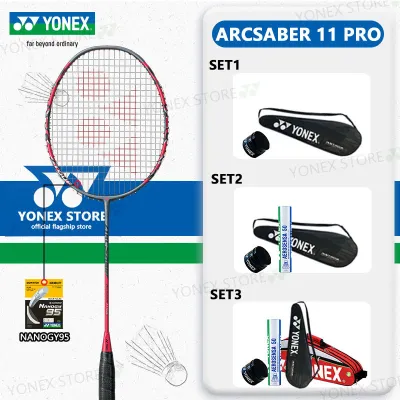
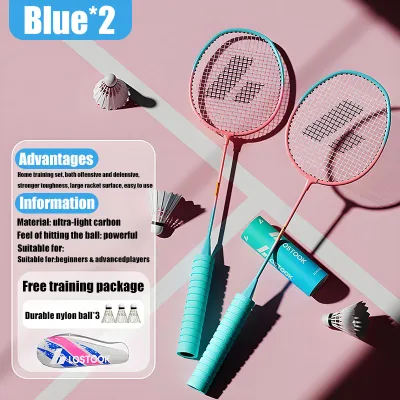
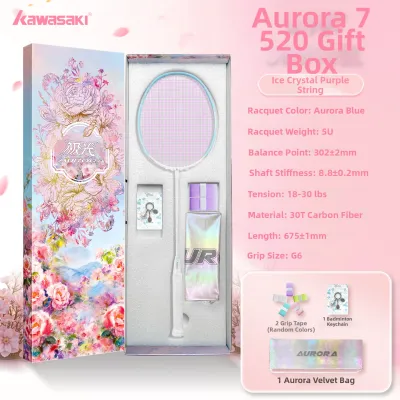
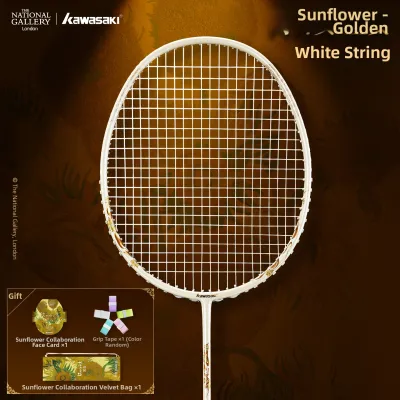
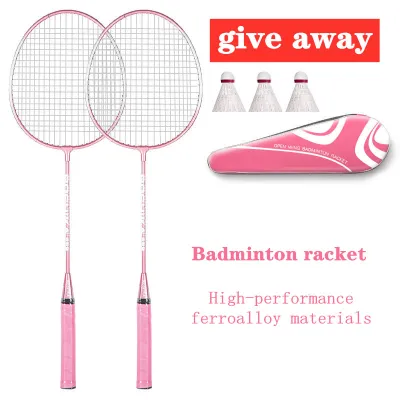
Prices are valid at publication and may change. Please refer to the product page for the latest price.
Furthermore, purchasing a fake racket means forfeiting all forms of consumer protection. Genuine manufacturers back their products with warranties that cover structural defects under normal playing conditions, provided the racket was strung within recommended limits. Counterfeit items offer no such guarantees, leaving you with no recourse, no refund, and no after-sales support when the racket inevitably fails or breaks after only a few sessions.
Physical and Visual Checks to Spot a Fake Racket
Spotting a counterfeit racket requires a hands-on, multi-step physical inspection rather than relying on a single visual cue. Modern counterfeiters have become highly skilled at replicating color schemes and branding, meaning a superficial glance is no longer enough to verify authenticity. Instead, you must examine the racket’s physical structure, paint quality, and component alignment as a collective whole to identify patterns of substandard manufacturing.

Frame, Shaft, and Build Quality
The structural integrity of the frame and shaft is the most reliable indicator of a racket’s authenticity. Start by checking the overall symmetry of the racket head; a genuine frame is perfectly symmetrical with uniform thickness throughout its circumference. You can perform a basic balance test by resting the shaft on your index finger at its designated balance point to see if it tilts unevenly to one side, which indicates poor internal material distribution.
Next, closely examine the T-joint, which is the critical intersection where the shaft meets the racket frame. Authentic rackets utilize advanced internal T-joints or seamless external molding to ensure structural stability and reduce twisting during off-center hits. On a counterfeit racket, this area often reveals visible glue residue, rough seams, or a slight misalignment between the frame and the shaft, suggesting that the components were glued together hastily.
Finally, test the flexibility of the shaft by gently bending it with both hands to feel its resistance. Reputable manufacturers calibrate their shafts to specific stiffness ratings, ranging from flexible to extra stiff, which deliver a snappy, controlled recovery. Counterfeit shafts often feel either excessively stiff—resembling a heavy metal rod—or unusually whippy and slow to snap back, indicating the use of cheap fiberglass or low-grade graphite.
Paint, Decals, and Grip Details
A close inspection of the racket’s surface finish and branding details will quickly expose the shortcuts taken by counterfeit manufacturers. Genuine rackets undergo rigorous painting and decaling processes, resulting in a smooth, durable finish with vibrant colors and laser-sharp text. In contrast, fake rackets often display blurry logos, misaligned decals, uneven paint thickness, and noticeable paint bleeding along the edges of the frame.
The grip and handle components also provide valuable clues regarding the racket’s origin. Authentic rackets feature high-quality polyurethane or synthetic leather grip tape that is wrapped tightly, evenly, and securely around the wooden handle. Counterfeit rackets often use cheap, thin grip materials that feel slippery, unravel easily, or emit a strong, unpleasant chemical odor from the adhesives used. If you remove the grip tape, a genuine racket will reveal a clean, well-finished wooden handle, whereas a fake often uses rough, splintered wood or cheap plastic handles.
Do not forget to inspect the butt cap at the very bottom of the handle. On an original racket, the brand logo on the butt cap is cleanly embossed, perfectly centered, and aligned precisely with the flat plane of the racket face. Counterfeit butt caps are frequently glued on crookedly, feature off-center or poorly printed logos, and may use a shade of plastic that does not match the brand’s official color scheme.
Packaging, Labels, and Security Features
The packaging and security identifiers provided with a racket are designed to help consumers verify authenticity, but they must be analyzed carefully. When purchasing a new racket, inspect the retail box or the protective thermal cover it comes in. Authentic covers feature high-quality fabric, clean and straight stitching, and properly aligned, embossed brand logos, whereas counterfeit covers often feel thin, have loose threads, and use cheap plastic zippers.
Most major badminton brands apply holographic stickers or security labels to the cone of the racket to deter counterfeiters. When you tilt a genuine holographic sticker under direct light, it should display a smooth, multi-layered color shift and reveal hidden security patterns or serial numbers. Counterfeit holographic stickers are typically flat, dull, lack depth, and may peel off easily at the corners because of low-quality adhesive.
Many premium rackets also feature laser-engraved serial numbers on both the shaft and the cone. On an original racket, these numbers are cleanly and deeply etched into the material, meaning you can feel the physical indentation when you run your fingernail over them. Counterfeiters often paint or print these numbers onto the surface instead of engraving them. While many brands offer online verification portals where you can input these serial numbers, be aware that counterfeiters sometimes copy a single valid serial number from a genuine racket and print it on thousands of fakes, meaning a “valid” online result is not a standalone guarantee of authenticity.
Where to Buy Authentic Badminton Rackets
The most effective way to avoid counterfeit equipment is to be highly selective about your purchasing channels. Always prioritize buying from brand-authorized physical sporting goods stores, official brand outlets, or verified flagship stores on reputable e-commerce platforms. These sellers source their inventory directly from the manufacturers, ensuring that every product is genuine and backed by an official warranty.
If you are purchasing from a third-party seller or an independent online shop, you must conduct thorough due diligence before making a transaction. Evaluate the seller’s business credentials, look for a long history of positive customer feedback, and read detailed reviews that include actual photos of the delivered products. Be skeptical of sellers who only use stock photos or refuse to provide close-up pictures of the racket’s serial numbers and T-joint upon request.
Be alert to immediate red flags, the most prominent of which is a price that is significantly below the standard ₱ market range for that specific model. If a high-end racket that normally retails for several thousand pesos is being offered for an unbelievably low price, it is almost certainly a counterfeit, regardless of any claims of it being an “original factory overrun.” Additionally, rackets sold without their original packaging, tags, or protective covers should be treated with extreme caution.
What to Do If You Suspect a Counterfeit
If you suspect that the racket you received is a counterfeit, taking immediate and structured action is essential to protect your consumer rights. Start by documenting all discrepancies between your racket and a known genuine model. Take clear, well-lit, high-resolution photos of the suspicious areas, including the T-joint, the serial numbers, the butt cap, any sloppy paintwork, and the packaging, and keep your original purchase receipt safe.
Next, contact the seller or the e-commerce platform’s customer dispute resolution center immediately to initiate a return and refund process. Clearly present your photographic evidence and explain the specific physical defects that indicate the product is not genuine. Most reputable online marketplaces have buyer protection policies that will freeze the transaction and hold the seller’s funds while the dispute is being investigated.
If the seller disputes your claim or refuses to cooperate, reach out to the brand’s local customer service department or authorized distributor in the Philippines. While they may not always be able to issue a refund directly for a purchase made through an unauthorized seller, they can often provide official authentication assistance or confirmation that can be used as leverage to secure a refund from your payment provider or the e-commerce platform.
Frequently Asked Questions (FAQ)
Can a fake badminton racket have a valid serial number?
Yes, counterfeiters frequently copy legitimate serial numbers from genuine rackets and mass-produce them on fake frames. This is why a serial number check must always be paired with physical and structural inspections.
Does the stringing pattern indicate if a racket is original?
While rackets are often sold unstrung or re-strung by third parties, the grommet strips are a major giveaway. Original rackets feature high-quality, heat-resistant grommets that fit flush against the frame to protect the strings. Counterfeits often have loose, sharp, or poorly molded plastic grommets that cause premature string breakage under high tension.
Community discussion
Share your experience or ask a question. Comments are reviewed before publication.