
Verifying the authenticity of a badminton original set requires a careful inspection of the packaging, physical racket construction, and manufacturer security features. Counterfeit sports equipment is highly prevalent on online marketplaces, often mimicking premium brands to deceive casual players and enthusiasts alike. By learning how to spot the differences in material quality, weight distribution, and digital serial numbers, you can protect your investment and ensure a safe, high-performing game.
In the Philippines, where badminton is a beloved sport played in local barangay courts, school gymnasiums, and indoor sports centers, buying a fake set can lead to quick equipment failure. Counterfeit rackets often warp under the high humidity of tropical climates, and low-quality strings snap easily during intense rallies. Knowing how to distinguish genuine gear from cheap imitations ensures you get the durability, control, and safety you pay for.
Quick Guide to Spotting a Fake Badminton Original Set
Before unboxing or finalizing a purchase, there are several immediate red flags that can help you identify a counterfeit badminton original set. The most obvious indicator is a price that seems too good to be true. Genuine, high-quality sets from reputable manufacturers require precise engineering and premium materials, meaning any listing priced significantly below standard retail in ₱ is highly likely to be a fake.
Products mentioned in this guide
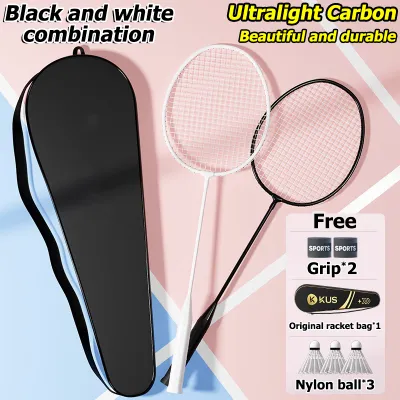
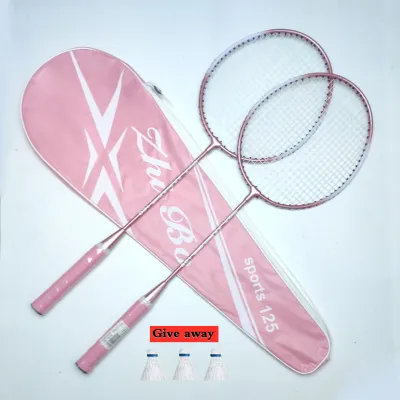
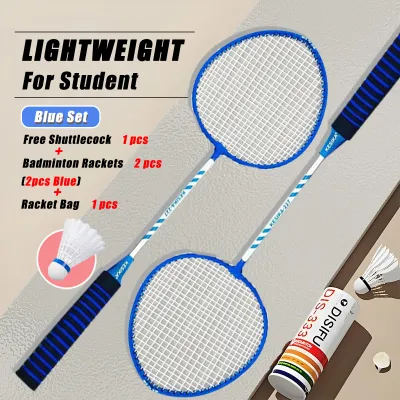
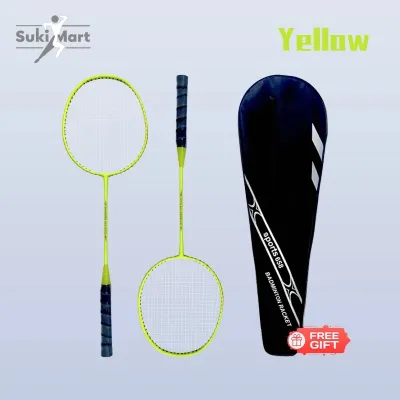
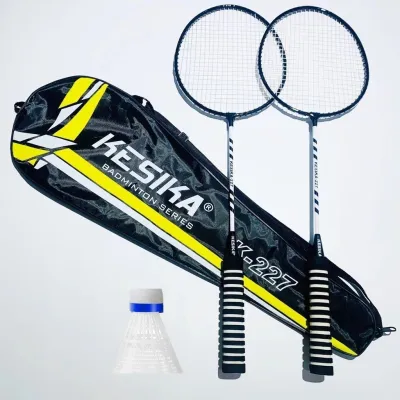
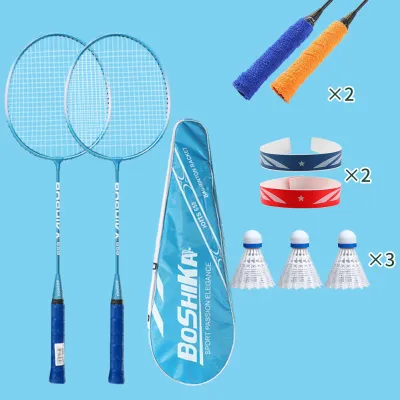
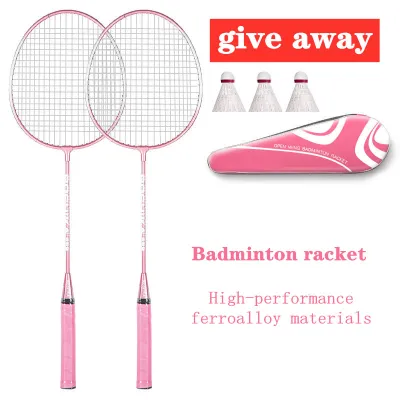
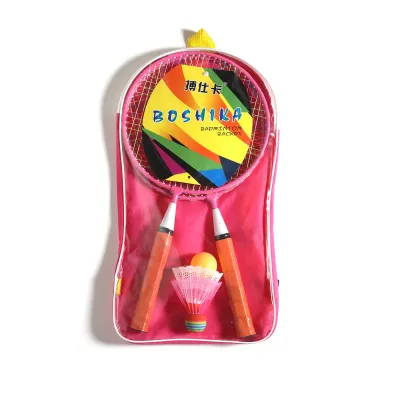
Prices are valid at publication and may change. Please refer to the product page for the latest price.
Tactile and visual warning signs are also apparent upon close inspection. Counterfeit sets often feature poorly printed logos, misaligned decals, and carrying bags made of thin, single-stitched fabric that smells strongly of cheap industrial chemicals. Original sets, by contrast, are packaged with clean, high-contrast graphics and robust materials designed to withstand transport and storage.
To systematically verify your gear, follow a structured inspection flow. Start with an external check of the packaging and security labels, move on to the physical construction of the rackets, examine the included shuttlecocks and accessories, and finish by cross-referencing the serial numbers on the manufacturer’s official digital portal.
Inspecting Packaging, Holograms, and Labels
The outer packaging is your first line of defense when verifying a badminton original set. Genuine manufacturers invest heavily in high-quality printing processes, resulting in sharp text, accurate brand colors, and perfectly aligned logos. Counterfeit packaging often exhibits blurry text, color bleeding, and noticeable spelling errors on the box or the internal cardboard inserts.

Security holograms are a standard feature on premium badminton gear, but counterfeiters frequently attempt to replicate them with cheap metallic stickers. An original holographic sticker shifts colors dynamically and reveals distinct multi-layered patterns or serial codes when tilted under direct light. Fake stickers are typically flat, do not change color when rotated, or can be easily peeled off without leaving a security pattern behind.
Pay close attention to the barcodes and serial numbers printed on the packaging. Original sets feature clean, consistent fonts with perfectly aligned numbers that match the codes engraved on the rackets themselves. If you notice mismatched fonts, uneven spacing, or serial numbers that look stamped on rather than laser-printed, the set is highly suspect.
Evaluating Racket Build, Weight, and Finish
The physical construction of the rackets provides concrete evidence of authenticity, as counterfeiters cannot easily replicate advanced manufacturing standards. Begin by inspecting the grommets, which are the small plastic eyelets lining the frame. Original rackets feature smooth, uniform, and perfectly seated grommets that protect the strings from friction. Counterfeit rackets often have rough, misaligned, or missing grommets, which can cause strings to snap prematurely under tension.
Next, examine the joint where the racket shaft meets the frame. High-quality rackets utilize seamless joint technology or perfectly integrated T-joints that provide structural stability. Fake rackets often show visible seams, uneven paint application, or rough ridges around this joint, indicating substandard molding processes.
The grip and butt cap are also critical areas to evaluate. On an original racket, the logo on the butt cap at the bottom of the handle is cleanly embossed, perfectly centered, and aligned precisely with the plane of the racket face. Counterfeit rackets often feature off-center logos, cheap printed stickers instead of embossed plastic, or incorrect brand colors on the cap.
Weight and balance are highly noticeable when you hold the racket. Original rackets adhere strictly to the weight classifications printed on the shaft (such as 3U or 4U). Fake rackets are often significantly heavier than specified because they are made of cheap steel or low-grade aluminum rather than lightweight carbon fiber composites. This extra weight not only hinders your performance on the court but also increases the risk of wrist and shoulder strain.
Examining Shuttlecocks and Included Accessories
A complete badminton original set typically includes a tube of shuttlecocks and other accessories like grip tapes and carrying covers. Inspecting these items can quickly reveal a counterfeit, as scammers often bundle low-quality accessories with fake rackets to cut costs. Examine the shuttlecocks first, focusing on the skirt alignment and the quality of the feathers or nylon.
Genuine feather shuttlecocks feature uniform, unbroken feathers securely glued to a solid, natural cork base, ensuring a stable flight path and consistent speed. Counterfeit shuttlecocks often use brittle, mismatched feathers or synthetic skirts attached to cheap plastic or compressed paper bases. These inferior materials warp rapidly in the humid climate of the Philippines, causing the shuttlecock to wobble or lose speed mid-air.
Check the shuttlecock tube packaging and internal labeling for consistency with the main brand. The logos, fonts, and color schemes must match the outer box perfectly. Additionally, inspect the included grip tapes and racket covers; original covers feature thick protective padding, smooth-gliding zippers, and clean, double-stitched seams, whereas fake covers are thin, flimsy, and prone to tearing.
Using Official Verification and Choosing Reliable Sellers
The most reliable way to confirm the authenticity of your badminton original set is through official digital verification. Most leading sports brands provide dedicated authentication portals on their official websites or through mobile apps. You can scratch off a protective coating on the security label to reveal a unique serial number or QR code, which you can then enter into the manufacturer’s database to verify its legitimacy.
To avoid the risk of purchasing counterfeit gear altogether, always choose reliable purchasing channels. Buy directly from authorized physical sports retailers located in major malls, or purchase from official flagship brand stores on reputable e-commerce platforms. Be highly cautious of unauthorized third-party sellers who use terms like “OEM,” “overrun,” “class A,” or “factory excess,” as these are common euphemisms for counterfeit products.
If you discover that you have accidentally purchased a counterfeit set, take immediate action to protect your consumer rights. Document the counterfeit indicators with clear, high-resolution photos and videos, comparing them to known original standards. File a return and refund request through your e-commerce platform’s official customer protection program, and report the seller for listing counterfeit goods to help keep the marketplace safe for other players.
Frequently Asked Questions (FAQ)
Can I rely solely on the price to determine if a badminton original set is fake?
No, you cannot rely solely on the price to determine authenticity. While an exceptionally low price is a primary warning sign of a counterfeit, some deceptive sellers price fake sets close to the standard retail value of original gear to make them appear legitimate. Always combine price checks with a thorough physical inspection of the rackets, packaging, and digital serial numbers.
What should I do if the holographic sticker on the box looks damaged?
If the holographic sticker on the packaging is peeled, scratched, or missing, you should treat the badminton set with high suspicion. Avoid purchasing the item, or if you have already bought it online, initiate a return immediately. You can also take clear photos of the damaged sticker and contact the manufacturer’s official customer support team to verify if the packaging has been tampered with.
Are unbranded or generic badminton sets considered fake?
No, unbranded or generic badminton sets are not considered fake. Counterfeit products are illegal imitations that use a registered brand’s trademarks, logos, and designs to deceive consumers. Generic or unbranded sets are legal, budget-friendly alternatives that do not claim false brand associations, making them perfectly acceptable for casual recreational play.
Community discussion
Share your experience or ask a question. Comments are reviewed before publication.