
To tell if a badminton set is original or fake, you must perform a comprehensive inspection combining physical material checks, packaging analysis, and digital verification. A genuine badminton set is characterized by precise laser-engraved serial numbers on the racket cone, flush and neatly molded grommets, high-quality holographic security stickers that shift color when tilted, and a scratch-off verification code validated on the manufacturer’s official website. Counterfeit sets, while visually similar at a glance, almost always reveal themselves through shallow or painted-on lettering, uneven weight distribution, flimsy packaging, and mismatched serial numbers.
In the tropical, high-humidity climate of the Philippines, verifying the authenticity of your badminton gear is crucial. The intense heat and moisture can rapidly degrade the cheap glues and inferior materials used in fake equipment, leading to premature warping, snapped frames, or disintegrating grips. Relying on a single visual check is rarely enough, as counterfeiters have become increasingly adept at replicating surface aesthetics. A systematic evaluation of every component in the set—from the frame tension capabilities to the alignment of the shuttlecock feathers—is the only way to ensure your investment is safe and durable.
Why Authenticity Matters in Badminton Gear
Investing in a genuine badminton set is not merely a matter of brand loyalty; it is a fundamental requirement for player safety, performance, and long-term value. Counterfeit rackets are typically manufactured using low-grade, brittle carbon composites or cheap aluminum alloys instead of high-modulus graphite. When subjected to high string tensions or the sudden impact of a powerful smash, these inferior frames can buckle or snap violently. A fracturing racket frame can send sharp composite shards flying across the court, posing a severe physical hazard to you, your doubles partner, and bystanders in the sports complex.
Products mentioned in this guide
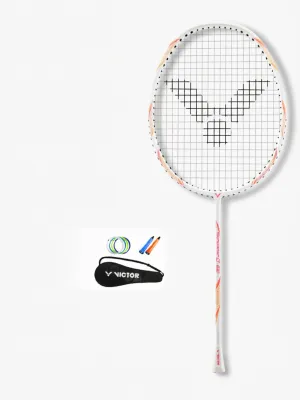
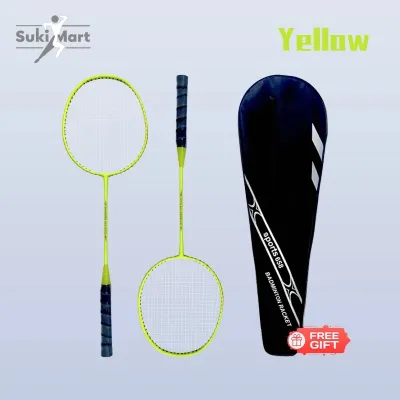
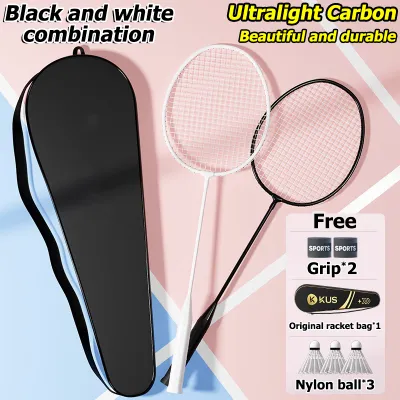
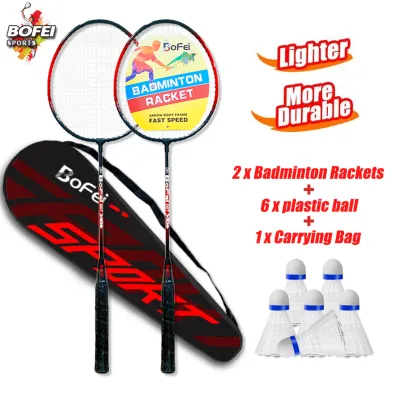
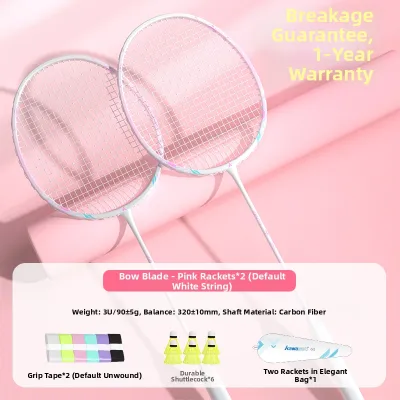
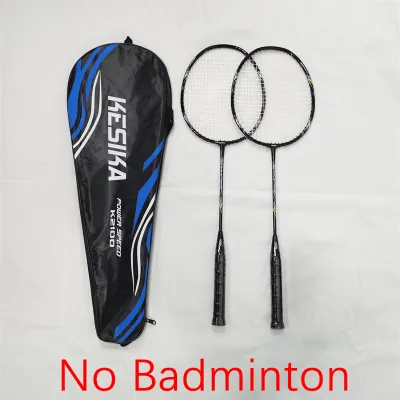
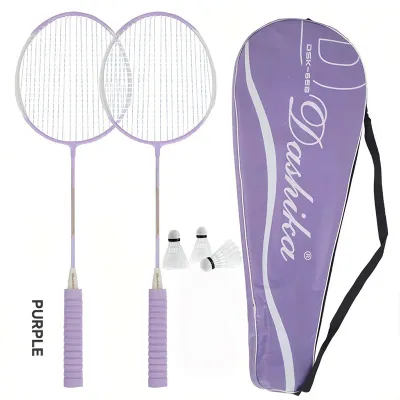
Prices are valid at publication and may change. Please refer to the product page for the latest price.
Beyond safety risks, counterfeit gear severely hampers your performance. Fake shuttlecocks suffer from inconsistent flight paths, poor durability, and uneven weight distribution, which ruins the playing experience and hinders skill development. While an original feather shuttlecock is designed to withstand multiple hard smashes, a counterfeit alternative often loses its feathers or cracks its cork base after just a few rallies, forcing you to constantly replace them and spending more money in the long run.
While visual checks are highly effective, no single surface feature guarantees authenticity. A successful purchase requires a systematic combination of physical, packaging, and digital checks to make a confident decision before stepping onto the court.
Inspecting the Racket: Frame, Shaft, and Grip
The racket is the centerpiece of any badminton set, and its physical construction provides the most reliable clues regarding its authenticity. High-end manufacturers utilize advanced machinery and strict quality control, resulting in a level of structural perfection that counterfeiters cannot easily replicate.

Frame and Grommets Examine the grommets (the plastic sleeves in the string holes). Genuine rackets typically have flush, neatly embedded grommets made of dense, high-grade nylon. In contrast, fakes often feature protruding, uneven, or poorly molded plastic that can damage strings. These rough edges can cut into your strings under tension, causing premature breakage during play. Additionally, check the transition area at the T-joint. Authentic rackets have a seamless, built-in T-joint that feels completely solid, whereas counterfeit frames may show visible seams, paint runs, or feel structurally weak at this critical junction.
Shaft and Cone Engravings Check the laser engraving on the shaft and cone. Authentic engravings are crisp, deep, and precise; you can feel the distinct physical indentation of these characters. Counterfeit ones often look painted, shallow, or easily scratch off with a fingernail because they rely on cheap printing rather than precise laser etching. The font used on genuine rackets is highly standardized, with uniform spacing and perfect alignment, while fakes often display unevenly spaced numbers or mismatched font styles.
Grip and Butt Cap Feel the original grip tape and inspect the butt cap. Genuine grips feature a consistent texture, secure adhesion, and clean, professionally wrapped edges that do not easily unravel in humid Philippine weather. At the bottom of the handle, the butt cap logo should show sharp, clean molding rather than blurry, misaligned, or poorly colored prints. On authentic rackets, the logo is often a separate, deeply molded plastic piece or a high-quality sticker protected under a clear, hard dome, whereas fakes are often flat, cheap stickers that peel off easily.
Weight and Balance Compare the racket’s physical weight and balance point against the manufacturer’s official specifications listed on their website. Counterfeit rackets, which are often made of cheap, dense metals or low-grade fiberglass, frequently deviate significantly from these official standards because counterfeiters must use heavier materials to achieve basic structural rigidity. A racket marketed as an ultra-lightweight 5U frame might feel noticeably heavy or unbalanced in your hand.
Checking the Shuttlecocks and Accessories
A complete badminton set often includes a tube of shuttlecocks and accessories like carrying bags. Counterfeiters frequently neglect these secondary items, making them excellent targets for verification.
Shuttlecock Tube The tube housing the shuttlecocks should be your first point of inspection. Genuine tubes use high-quality printing, sturdy cardboard or plastic, and secure foil seals at both ends. Fakes often have flimsy tubes that easily deform under pressure, pixelated text, or missing batch and manufacturing information. The labels on authentic tubes are printed with sharp, high-contrast text, whereas counterfeit tubes often feature blurry graphics and colors that look washed out.
Feather and Cork Quality For feather shuttlecocks, authentic ones feature uniform feather alignment, consistent glue application, and a solid, natural cork base. Synthetic shuttlecocks should have a seamless skirt and a firmly attached, properly weighted cork. Counterfeit shuttlecocks often display mismatched feathers with uneven spacing, visible clumps of cheap glue, and a base made of low-grade synthetic foam or laminated particle cork that crumbles easily. If you perform a gentle squeeze test on the feathers of a genuine shuttlecock, they will spring back to their original shape immediately, whereas fake feathers will deform permanently or break.
Accessories Original sets include high-quality, branded accessories, such as full-length racket covers with proper zippers, thick padding, and accurate logos. Fakes often include thin, unbranded, or poorly stitched bags made of cheap synthetic fabric that emits a strong chemical odor, with zippers prone to catching. The stitching on authentic bags is tight, straight, and uses heavy-duty thread, while fake bags often feature loose, frayed, or uneven stitching.
Packaging, Labels, and Security Features
Manufacturers invest heavily in sophisticated packaging and anti-counterfeiting technologies. Understanding how to read and test these security features is one of the most effective ways to protect yourself from scams.
Holographic Stickers Inspect the brand’s hologram on the racket cone or packaging. Genuine holograms shift colors smoothly and display deep, multi-layered 3D images when tilted. Fake ones are often flat, static, or easily peeled off with a fingernail without leaving any residue or tamper-evident patterns behind. On authentic holographic labels, you can often see tiny micro-text or hidden patterns that only become visible under magnification.
Serial Numbers and Barcodes Locate the unique serial number on the cone or shaft and ensure it matches the barcode on the box. Check that the font, spacing, and alignment match the brand’s official standard. Counterfeiters often use generic computer fonts, resulting in uneven spacing or characters that are slightly tilted. Furthermore, genuine barcode labels are usually thermal-printed stickers with clear, crisp lines, whereas fake boxes often have the barcode printed directly onto the cardboard as part of the low-resolution background graphic.
Box Quality and Printing Check the cardboard box for sharp, high-resolution printing, correct brand colors, and accurate multilingual text. Counterfeit boxes frequently contain spelling errors, low-resolution images, or incorrect font types because they are often scanned and replicated poorly. The cardboard on genuine packaging feels dense and rigid, protecting the contents, while fake boxes feel soft, mushy, and easily bend.
Warranty Cards and Manuals Genuine sets often include a properly formatted warranty card with clear terms, high-quality paper, and contact information for the local distributor. Fakes may omit this entirely or provide poorly translated, generic cards printed on thin, low-grade paper with faded ink. The presence of a localized warranty card pointing to an authorized Philippine distributor is a strong indicator of a legitimate retail product.
Official Verification Methods
When physical inspections leave you in doubt, digital verification provides a definitive answer. Major badminton brands have established robust online tracking systems to help players verify their gear instantly.
Scratch-Off Security Codes Many genuine badminton sets feature a security label with a scratch-off panel. Gently scratch off this protective coating using a coin to reveal a unique, multi-digit alphanumeric PIN. This code is generated by the manufacturer’s secure database and is unique to that specific item.
Brand Websites and Apps Enter this PIN on the manufacturer’s official verification webpage or dedicated mobile app. Always access the verification portal by typing the official brand URL directly into your web browser. Warn against using QR codes or links printed directly on suspicious packaging, as counterfeiters sometimes create fake verification sites to validate their own products. These fake sites are designed to look identical to the official brand portal but will validate any counterfeit code entered.
Interpreting Results A successful verification will display a clear message stating the code is valid and being queried for the first time. Red flags include messages like ‘Code already checked multiple times,’ ‘Invalid code,’ or a mismatch in the product model displayed. If the system indicates the code has been checked dozens of times, this means counterfeiters copied a single genuine code onto thousands of fake products.
Choosing Reliable Buying Channels
The most effective way to avoid counterfeit badminton gear is to be highly selective about where you shop. Purchasing from reputable sources virtually eliminates the risk of acquiring a fake set.
Official Brand Stores Purchase directly from the brand’s official physical boutiques, authorized sports retailers, or their verified flagship stores on major e-commerce platforms. These outlets receive inventory directly from official distributors, ensuring a secure supply chain. When shopping in physical malls across the Philippines, look for established sports retail chains that are widely known for stocking genuine athletic equipment.
Evaluating Online Listings When shopping on online marketplaces, look out for red flags. These include prices significantly lower than the standard retail price, stock photos instead of actual product photos, and sellers with poor, suspicious, or newly created review histories. A reputable seller will gladly provide high-resolution, original photos of the actual stock, including close-ups of the serial numbers and holographic stickers.
Authorized Dealer Lists Consult the brand’s official website for a list of authorized dealers in the Philippines. By cross-referencing your chosen seller against this official directory, you can ensure the physical store or local distributor you are buying from is legitimate, protecting your warranty and investment.
Frequently Asked Questions (FAQ)
Can I trust a badminton set if the security code verifies successfully?
While a successful check is a good sign, counterfeiters sometimes clone valid codes from genuine products. Digital verification must always be combined with physical and packaging inspections, such as checking the frame, engravings, and hologram quality.
Are original badminton sets always sold in perfect packaging?
While genuine packaging should be high quality, minor transit damage or shelf wear can occur. You must differentiate between normal shipping wear and the inherently poor print quality, spelling errors, or structural flimsiness of counterfeit boxes.
What should I do if I suspect I bought a fake badminton set online?
Stop using the equipment immediately to avoid injury from structural failure. Gather clear photographic evidence of the physical and packaging discrepancies, and file a dispute or return request through the e-commerce platform’s buyer protection program.
Community discussion
Share your experience or ask a question. Comments are reviewed before publication.