
To tell if a branded running belt bag is original or fake, you must carefully evaluate its physical construction, verify its digital security markers, and purchase only through authorized channels. Counterfeiters have become highly skilled at mimicking visual aesthetics, making a superficial glance insufficient. A genuine belt bag for women original brand relies on precise engineering, high-grade technical fabrics, and flawless stitching designed specifically to withstand athletic movement. By systematically checking the tactile quality of the materials, inspecting the hardware, verifying serial numbers directly on the manufacturer’s official domain, and avoiding suspicious third-party listings, you can confidently protect your investment and your running comfort.
Why Authenticity Matters for Your Run
While a counterfeit belt bag might look acceptable on a hanger, its functional failures quickly become apparent during a run. Authentic athletic gear is engineered to handle the physical demands of high-intensity movement, whereas counterfeit manufacturers focus solely on visual mimicry. For runners navigating the high humidity and tropical heat of the Philippines, these differences in construction directly impact your physical comfort and training experience.
One of the primary risks of using a counterfeit running belt is severe skin irritation. Genuine manufacturers utilize premium, moisture-wicking materials such as soft neoprene, technical mesh, or lightweight ripstop nylon that reduce friction against your clothing or skin. Counterfeits often substitute these with cheap, stiff polyester or rough synthetic fabrics. Under sweaty, humid conditions, these abrasive materials can cause painful chafing and rashes within just a few kilometers.
Products mentioned in this guide
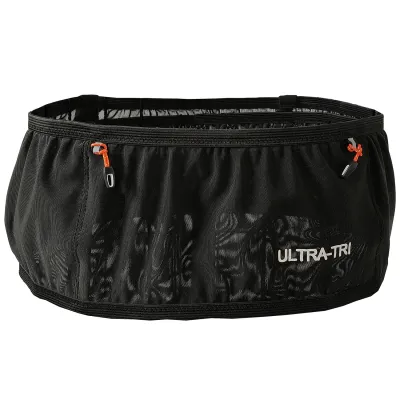
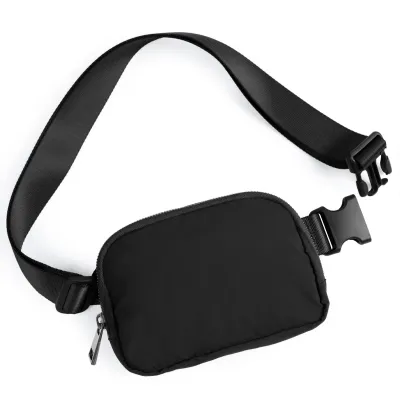
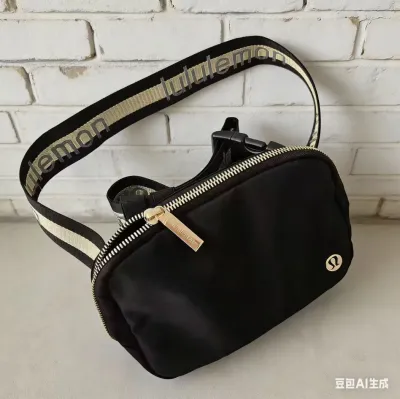
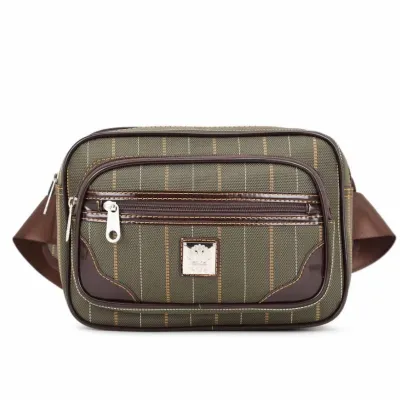
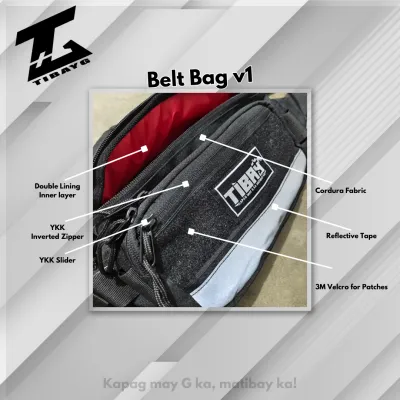
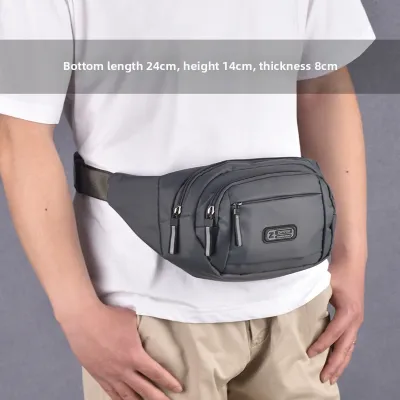
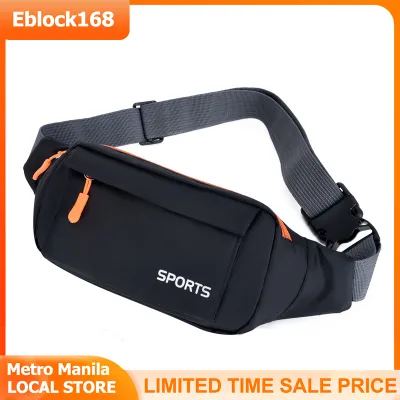
Prices are valid at publication and may change. Please refer to the product page for the latest price.
Weight distribution and stability also suffer with fake gear. Authentic running belts are designed with balanced elasticity and ergonomic shapes to prevent the bag from bouncing or shifting as you stride. Counterfeit belts typically feature low-grade elastic bands that stretch out permanently after a few uses. This lack of structural integrity causes the bag to sag, bounce violently, or slide up your waist, disrupting your running form and causing unnecessary distraction.
Furthermore, authentic running accessories are built to protect your valuables from sweat and sudden tropical downpours. Genuine brands often apply water-resistant coatings or use specialized weather-resistant zippers. Counterfeits rarely feature these protective technologies, leaving your smartphone, car keys, or emergency cash vulnerable to water damage during a sudden afternoon shower or a high-sweat training session.
How to Spot a Fake: Physical and Visual Checks for an Original Brand Belt Bag
Spotting a counterfeit running belt bag requires a methodical physical inspection under bright, natural lighting. Before making a purchase or immediately after receiving a package, compare the item directly against high-resolution photos on the brand’s official website. Pay close attention to the placement of logos, the exact shade of the fabric, and the overall proportions of the bag.

Packaging, Labels, and Tags
The verification process begins before you even touch the bag itself. Premium athletic brands maintain strict quality control standards for their packaging, whereas counterfeit operations frequently cut corners on these external details to save on production costs.
Examine all printed text on the box, hangtags, and interior care labels for typographical errors, awkward phrasing, or inconsistent fonts. Authentic tags feature crisp, high-resolution printing with consistent spacing and accurate brand logos. Counterfeit packaging often displays blurry text, slightly altered brand names, or smudged ink that easily rubs off.
Look closely at the care labels sewn inside the main compartment. An original running belt will have a securely attached, multi-language care label detailing the exact material composition, country of manufacture, and specific cleaning instructions. Counterfeits often omit these care labels entirely, use cheap paper-like materials that tear easily, or feature generic labels with misspelled words.
Material Quality, Zippers, and Hardware
The tactile feel of the materials is one of the most reliable indicators of a genuine product. Authentic running belts are constructed from specialized, high-performance fabrics that feel supple, lightweight, and durable.
When you handle a genuine belt bag, the fabric should feel smooth and flexible. If the material feels stiff, unusually thin, or has a strong chemical odor, it is likely a counterfeit. Technical mesh panels on the back of authentic bags should be soft and breathable, whereas fake mesh is often scratchy and rigid.
Zippers are another critical point of failure for counterfeiters. Genuine brands partner with premium zipper manufacturers to ensure smooth, snag-free operation during movement. Test the zippers by opening and closing them multiple times; they should glide effortlessly without catching on the fabric. Inspect the zipper pulls for clean, engraved brand logos, and check that any weather-resistant polyurethane seals are neatly bonded to the zipper track.
Examine the plastic or metal buckles, adjustment slides, and D-rings. Authentic hardware is lightweight yet robust, featuring a matte or clean satin finish with no sharp edges. Counterfeit hardware often feels flimsy, uses lightweight plastic that bends under pressure, or displays rough molding seams and uneven metallic plating.
Stitching and Structural Details
High-quality craftsmanship is the hallmark of authentic athletic gear, as the seams must withstand continuous tension and movement.
Inspect the stitching along the entire perimeter of the belt bag, paying close attention to the stress points where the strap meets the pocket. Authentic bags utilize tight, even, double-stitched or reinforced seams with no loose threads or skipped stitches. Counterfeit bags frequently exhibit crooked stitching, uneven spacing, and loose, frayed threads that threaten to unravel under tension.
Turn the bag inside out to evaluate the interior construction. Genuine running belts feature finished interior seams, often wrapped in bias tape, to prevent fraying and eliminate internal friction points that could rub against your body. Counterfeits usually have messy interiors with exposed raw edges, uneven cuts, and sloppy glue residue.
Finally, test the elasticity of the waistband. An original running belt uses high-tension elastic that stretches smoothly and snaps back to its original shape immediately. If the band feels loose, stretches too easily, or shows visible signs of warping after a simple tug, the materials are substandard.
Official Verification: Serial Numbers and Digital Tags
Modern athletic brands increasingly rely on digital security measures to protect their products and help consumers verify authenticity. These systems provide a highly reliable way to confirm that your belt bag is genuine, provided you follow the correct verification protocols.
Locate the unique serial number or tracking code on your running belt. This is typically printed on a small, white fabric tag sewn deep inside the inner pocket or behind the care label. Once found, navigate to the brand’s official website or open their proprietary mobile application to enter the code. Authentic serial numbers will instantly match a record in the manufacturer’s database, displaying the correct model name, colorway, and production batch.
Many premium brands now embed QR codes, RFID chips, or Near Field Communication (NFC) tags directly into the product’s logo or interior lining. Scanning these tags with your smartphone should redirect you to an official verification portal. However, you must exercise extreme caution during this step.
Sophisticated counterfeiters are capable of cloning QR codes. When scanned, these cloned codes redirect users to highly convincing, fake verification websites designed to look identical to the official brand page. To protect yourself, always look closely at the URL in your mobile browser’s address bar after scanning. Ensure the domain matches the brand’s official global website exactly, with no subtle spelling variations, extra hyphens, or unusual domain extensions.
If the scan redirects you to an unrecognized web address, or if the serial number search returns no results, do not use the product. Contact the brand’s official customer support channel directly to verify the code manually before proceeding.
Safe Purchasing Channels in the Philippines
The most effective way to guarantee you are purchasing a genuine running belt bag is to buy exclusively from authorized and verified retail channels. Navigating the local marketplace requires a cautious approach, especially when shopping online.
Whenever possible, purchase your gear directly from official physical brand stores located in major shopping malls across the Philippines, or from authorized multi-brand sporting goods retailers. Buying in person allows you to physically handle the product, check the materials, and verify the craftsmanship before parting with your money.
When shopping online, stick to verified flagship stores on major e-commerce platforms. These stores typically carry a ‘Mall’ or ‘Official Store’ badge, indicating that the platform has verified their business license and authorization to sell the brand. Avoid buying from random third-party sellers who use stock photos and offer vague descriptions.
Be highly skeptical of listings that use deceptive marketing terms such as ‘factory seconds,’ ‘unauthorized authentic,’ ‘overruns,’ or ‘mirror copy.’ These terms are common euphemisms used by sellers to disguise counterfeit goods. Genuine brands do not sell defective or unauthorized inventory through unofficial channels; items that fail quality control are destroyed, not distributed to third-party online sellers.
Price is another powerful indicator of authenticity. Research the standard retail price of the specific belt bag model on the brand’s official international website and convert it to Philippine Pesos (PHP). While authorized local retailers may run occasional seasonal promotions, a price that is dramatically lower than the standard retail rate—such as a ₱3,000 running belt being sold for ₱400—is a clear warning sign of a counterfeit product.
Action Plan: Returns and Buyer Protection
If you suspect that the running belt bag you purchased online is a counterfeit, taking immediate, documented action is essential to securing a refund and holding dishonest sellers accountable.
Begin by documenting the unboxing process if you have not yet opened the package. Take clear, high-resolution photographs and videos of the shipping label, the external packaging, the attached tags, and the specific physical flaws or inconsistencies you identified on the bag. This visual evidence is crucial for supporting your claim during the dispute process.
Do not click the ‘Order Received’ or ‘Confirm Delivery’ button on your e-commerce platform, as doing so often releases the payment to the seller and complicates the refund process. Instead, initiate a formal return or refund request immediately through the platform’s resolution center. Select ‘Counterfeit product’ or ‘Item not as described’ as your reason for the return, and upload your clear photographic evidence showing the differences between the received item and the authentic product.
Clearly state your case in the dispute description, referencing specific issues such as misspelled labels, low-quality hardware, or failed digital serial number checks. Most major platforms have strict buyer protection policies that freeze the transaction while they investigate counterfeit claims.
If the platform’s dispute process is unsuccessful or if you purchased directly from an independent website that refuses to cooperate, contact your credit card provider or digital payment service to initiate a chargeback. Explain that you received counterfeit merchandise and provide the documentation of your communication with the seller. Additionally, you can file an official complaint with local consumer protection agencies, such as the Department of Trade and Industry (DTI), to report the fraudulent merchant.
Frequently Asked Questions (FAQ)
When verifying your running gear, having precise answers to common doubts can save you time and prevent unnecessary stress. If you remain uncertain about a product’s authenticity after performing these checks, reaching out directly to the brand’s official customer service department is always the safest course of action.
Can a fake running belt bag have a valid-looking QR code?
Yes, counterfeiters can easily print QR codes that look identical to those found on authentic products. These cloned codes often redirect users to sophisticated, fake verification websites designed to mimic the brand’s actual site. Always verify that the URL in your browser’s address bar matches the official brand domain exactly after scanning.
Do all authentic running belts come with a dust bag or premium box?
No, packaging styles vary significantly depending on the brand, the specific product collection, and the manufacturer’s sustainability initiatives. Many athletic brands have transitioned to minimalist, eco-friendly packaging, omitting dust bags and using recycled cardboard or simple polybags. You should evaluate authenticity based on material quality, hardware, and digital tags rather than packaging alone.
Community discussion
Share your experience or ask a question. Comments are reviewed before publication.