
To identify a dolfin whistle original, you must carefully examine its physical construction, packaging details, and acoustic performance. Authentic models feature seamless plastic molds, crisp and perfectly aligned logo engravings, robust packaging, and a piercing, high-decibel sound that requires minimal lung effort. Counterfeit whistles, which have become increasingly common on online marketplaces, often fail these tests—exhibiting rough plastic seams, blurred branding, and weak sound projection that can ruin your ability to control a match.
Why Authenticity Matters for Sports Whistles
Sports accessories like whistles are essential tools for referees, coaches, and physical education teachers who require reliable equipment to manage games effectively. In the Philippines, where sporting events are often held in noisy, high-humidity outdoor environments or during sudden tropical downpours, a whistle’s performance is critical. Unfortunately, counterfeit sports accessories have proliferated across various digital marketplaces, presenting buyers with cheap imitations that look deceptively similar to genuine gear.
Using a counterfeit whistle introduces several practical risks that can disrupt a match or training session. Fake whistles frequently suffer from inconsistent sound projection, meaning their volume can drop unexpectedly or fail to cut through crowd noise. During critical game moments, a delayed or muffled whistle blast can lead to player confusion, disputed calls, or even safety hazards on the field. Furthermore, these imitations are often constructed from cheap, brittle plastics that can crack under pressure or fail to meet official match regulations regarding decibel levels and frequency standards.
Products mentioned in this guide
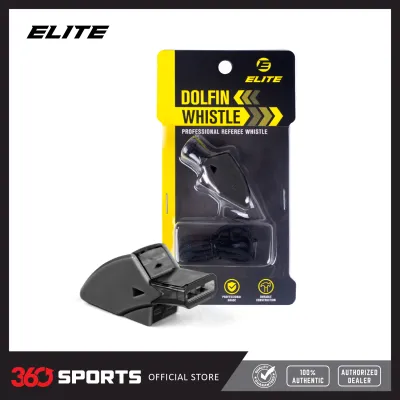
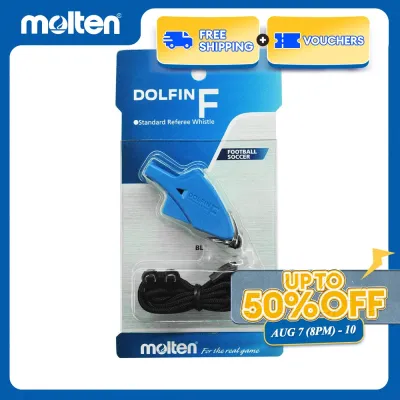
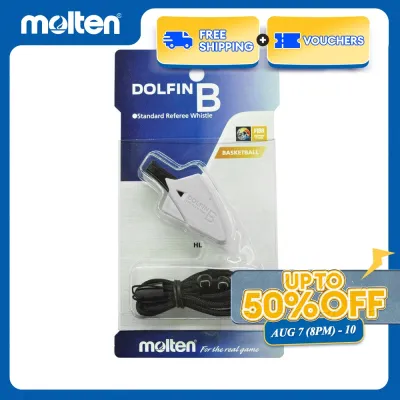
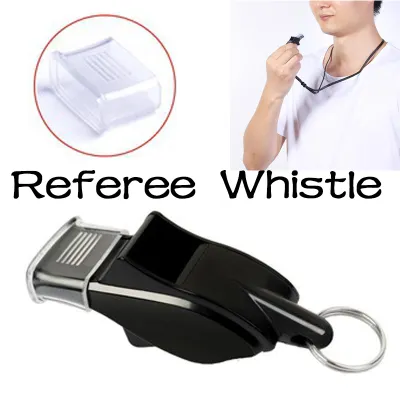
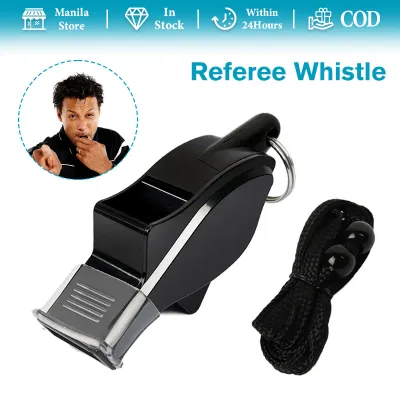
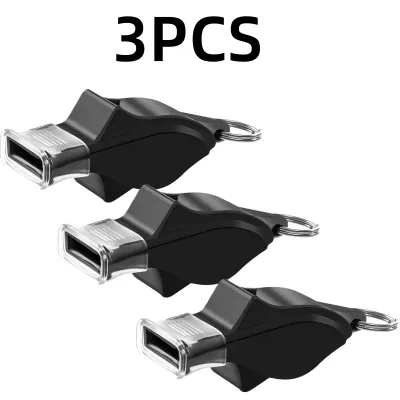
![[Fast Delivery] 2 Packs Dolphin Whistle Black Plastic Sport Referee Whistle With Lanyard for Coaches Referees](https://img.lazcdn.com/g/p/a4a8fb6056ea1fc11409b96a4325df9d.jpg_400x400q80.jpg_.webp)
Prices are valid at publication and may change. Please refer to the product page for the latest price.
While no single visual cue can guarantee authenticity on its own, you can protect yourself by conducting a systematic evaluation. By combining a close physical inspection of the body, an analysis of the packaging, and a functional acoustic test, you can confidently verify whether your equipment is a genuine product or a cheap counterfeit.
Physical Inspection: Identifying a Dolfin Whistle Original by Build Quality
Material Feel and Mold Precision
Authentic sports whistles are manufactured using high-grade, durable materials like polycarbonate or ABS plastic, which are designed to withstand constant exposure to saliva, sunlight, and impact. When examining a genuine whistle, pay close attention to the parting lines where the two halves of the plastic mold meet. On an original model, these seams are incredibly fine, smooth, and virtually flush with the rest of the body, reflecting high-precision industrial manufacturing.

Counterfeit models, by contrast, are typically produced using low-cost injection molds that leave highly visible defects. If you run your finger along the edges of a suspected fake, you will often feel sharp ridges, uneven seams, or excess plastic material known as flash or burrs. These manufacturing flaws are not just cosmetic issues; they directly affect the comfort and safety of the user.
The mouthpiece area is the most critical zone to inspect for mold precision. An authentic whistle features a perfectly smooth, hygienic mouthpiece with rounded edges that sit comfortably between your teeth and lips. A counterfeit version often has rough, sharp, or uneven edges in this area, which can cause discomfort or minor cuts during active use.
Additionally, evaluate the overall weight and balance of the item. While sports whistles are naturally lightweight, a genuine model has a solid, dense feel in the hand. Counterfeits often feel unusually light, thin-walled, or hollow because manufacturers skimp on material thickness to save on production costs. Tapping the whistle gently against a hard surface can also reveal differences: a genuine whistle produces a solid, high-pitched click, whereas a fake often makes a dull, hollow sound.
Logos, Engravings, and Typography
The branding elements on the whistle’s body serve as excellent indicators of authenticity. Authentic Dolfin whistles feature clean, deeply etched, or highly precise printed logos that are perfectly aligned with the contours of the plastic. The typography should be sharp, with consistent line weights, uniform spacing between letters, and correct proportions relative to the overall size of the whistle.
Counterfeiters often struggle to replicate these precise markings, resulting in blurred, smudged, or shallow engravings. On a fake whistle, the brand name or logo may appear slightly crooked, off-center, or printed with low-quality ink that easily scratches off with a fingernail or rubs away after brief contact with water.
Always double-check the text for subtle typographical errors, unusual font styles, or misspellings. Counterfeit manufacturers sometimes alter a single letter to avoid direct trademark infringement while still deceiving casual buyers, or they simply use incorrect fonts that do not match the official brand styling. Compare the font on your whistle with high-resolution reference images from authorized distributors to spot these discrepancies.
Packaging and Accessories: What to Look For
The quality of the packaging is often the first line of defense when verifying a product’s authenticity. Genuine manufacturers invest in high-quality presentation, using sturdy, dense cardboard or thick, clear blister packs that protect the product during shipping. The printing on the box should feature high-resolution graphics, vibrant and accurate colors, and crisp, legible text across all sides.
In contrast, counterfeit packaging is frequently made from flimsy, thin cardboard that dents easily. The images printed on the box may appear slightly pixelated, blurry, or washed out, indicating that the artwork was scanned or copied from an original package. You should also scan the back and sides of the packaging for spelling mistakes, grammatical errors, or missing regulatory information, such as safety certifications, manufacturer addresses, and official barcodes.
The included accessories provide further clues about the product’s origin. Authentic Dolfin whistles typically come with a high-quality lanyard or wrist strap designed for active use. These genuine straps feature tight, durable stitching, robust plastic adjustment beads, and clear, clean branding on the clasp or fabric. If the included lanyard is made of a thin, easily frayed material, has loose threads, or uses a flimsy plastic clip that bends or breaks under minimal tension, the entire package is likely counterfeit.
Many premium sports brands include security features like holographic stickers, unique serial numbers, or QR codes on their packaging. While these can be helpful, keep in mind that counterfeiters have become adept at copying security labels. Additionally, brands periodically update their packaging designs, so a slight variation in the box layout does not automatically mean a product is fake. Always cross-reference the packaging style with current standards from official sources.
Sound and Performance: The Ultimate Field Test
Because a whistle is a functional tool, its acoustic performance is the most reliable way to confirm its authenticity. The Dolfin is a pealess whistle, a design that relies entirely on precisely engineered internal air-resonance chambers rather than a moving cork pea to generate sound. This design allows it to produce a sharp, high-frequency tone that can penetrate heavy wind, crowd noise, and long distances on outdoor sports fields.
To perform an acoustic test, locate a safe, open outdoor space or a large, empty gymnasium. Because these whistles are designed to reach high decibel levels, testing them in a small, enclosed room can cause temporary hearing discomfort. Blow into the whistle using a standard, steady breath to evaluate its airflow efficiency.
An authentic model is engineered to respond immediately, converting your breath into a loud, clear, and piercing sound with minimal effort. The sound should remain stable and consistent throughout the duration of your breath. If the whistle requires an excessive amount of lung capacity to make a sound, leaks air from the sides of the mouthpiece, or produces a muffled, airy, or warbling tone, it is highly likely a counterfeit.
If you have access to a known authentic whistle, perform a direct side-by-side comparison. Listen for the distinct dual-frequency tone separation that characterizes genuine models. If a physical comparison is not possible, search for official product demonstration videos online to familiarize yourself with the expected pitch, volume, and resonance of a genuine whistle.
Safe Purchasing Channels in the Philippines
To minimize the risk of purchasing a counterfeit product, you should carefully select your retail channels. In the Philippines, the safest option is to buy directly from authorized sporting goods retailers, official brand distributors, or established physical sports shops located in major commercial centers. These brick-and-mortar stores source their inventory directly from authorized supply chains, ensuring product authenticity.
If you prefer to shop on online marketplaces, you must navigate these platforms with caution. Look for listings within official brand flagship stores or sellers that carry verified “Mall” or “Preferred” badges, which indicate a higher level of platform vetting. Take the time to read through customer reviews, paying close attention to detailed feedback that includes real photos and videos of the product. Avoid sellers that have a high volume of generic, repetitive, or suspicious five-star reviews with no written content.
Price is another critical indicator of authenticity. While prices can fluctuate slightly due to promotions or shipping fees, a genuine Dolfin whistle typically retails within a broad price band of ₱600 to ₱1,200 in the Philippines. If you encounter an online listing offering the whistle for an extremely low price, such as ₱50 to ₱150, you should treat it as a major red flag. Authentic manufacturing processes, high-grade materials, and quality control standards make it impossible to sell genuine models at such heavily discounted rates.
Before completing a purchase from a third-party online vendor, do not hesitate to contact the seller directly. Ask them to provide real-time, close-up photos of the actual product in stock, including the packaging and the molded logos. A legitimate seller who stands by their inventory will usually be happy to assist you, whereas a vendor selling counterfeits may ignore your request or provide generic, low-resolution stock images.
Steps to Take If You Receive a Suspected Fake
If you purchase a whistle and suspect it is a counterfeit upon delivery, you should take immediate action to protect your consumer rights. First, document the product thoroughly by taking clear, high-resolution photos and videos. Focus on the specific discrepancies you have identified, such as rough plastic seams, blurred logo engravings, thin packaging, or poor sound performance during your field test.
Next, contact the seller or the e-commerce platform’s customer support team to initiate a formal return and refund dispute. Provide your documented evidence as proof of your claim. To ensure a successful resolution, make sure to submit your request within the platform’s official protection window and avoid confirming order receipt, which can release your payment to the seller prematurely.
Finally, report the counterfeit listing to the platform to help prevent other buyers in the local sports community from falling victim to the same seller. If the seller refuses to cooperate or the platform fails to resolve the dispute, you can escalate the issue by consulting local consumer protection agencies, such as the Department of Trade and Industry (DTI) in the Philippines, to seek further assistance.
Frequently Asked Questions (FAQ)
Can I verify a Dolfin whistle using a serial number or QR code?
While some premium sports brands utilize QR codes or serial numbers on their packaging, their presence alone does not guarantee authenticity. Counterfeiters can easily copy and print valid codes onto fake packaging. If a code is present, ensure that scanning it directs you to the brand’s official, verified domain rather than a deceptive third-party website.
Does a heavier whistle always mean it is authentic?
No, weight is not a definitive standalone test for authenticity. While fake whistles are often lighter due to thin, cheap plastics, some counterfeiters intentionally add internal metal weights or thicker plastic sections to mimic the feel of a genuine model. You must always evaluate weight alongside other critical factors, such as mold precision, logo clarity, and sound quality.
Community discussion
Share your experience or ask a question. Comments are reviewed before publication.