
Quick Answer: How to Spot a Fake Fishing Rod Set
Spotting a counterfeit fishing rod full set requires a mix of price awareness, physical inspection, and source verification. If a complete set from a premium brand is listed at a price significantly below the standard ₱ retail value, it is almost certainly a counterfeit. Genuine manufacturers maintain strict quality control, meaning any misaligned line guides, rough reel rotations, or blurry packaging text are immediate red flags. To protect your investment, check for holographic security seals, verify the serial numbers on the manufacturer’s official database, and purchase exclusively from authorized dealers.
Why Authenticity Matters: The Risks of Counterfeit Gear
Investing in a genuine fishing rod set is crucial for safety, performance, and long-term durability. Counterfeit rods are typically manufactured using low-grade fiberglass or cheap carbon composites that lack structural integrity. Under the sudden tension of a striking fish, these sub-standard materials are highly prone to snapping, which can send sharp splinters flying and cause serious physical injury.

The reels included in fake sets present their own set of severe operational issues. They often feature weak plastic gears painted to look like metal, unreliable drag systems that freeze under pressure, and bearings that corrode rapidly when exposed to the high humidity and salty air of tropical coastal environments.
Products mentioned in this guide
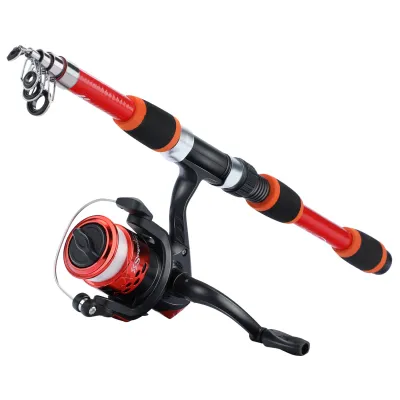
![[COD]Fishing Rod Set Full Set 1.8m 2 Sections Fishing Rod and Spinning Fishing Reel and Fishing Accessories Fishing Rod Complete Set](https://img.lazcdn.com/g/p/9b377f9568b20beb79e161e524425030.jpg_400x400q80.jpg_.webp)
![[In Stock]Sougayilang Fishing Rod Set Full Set 1.8mTelescopic Fishing Rod and Spinning Fishing Reel and Fishing Accessories Fishing Rod Complete Set](https://img.lazcdn.com/g/p/e37753596223983276174dfaf93f2cb3.jpg_400x400q80.jpg_.webp)
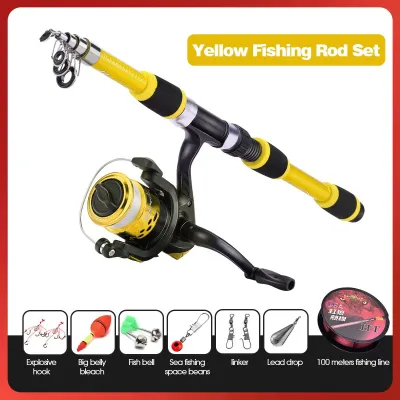
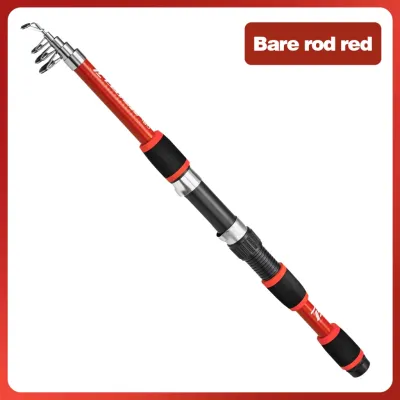
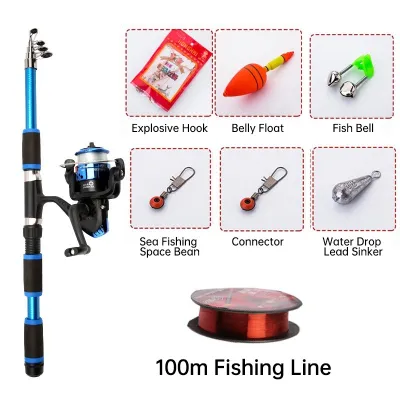
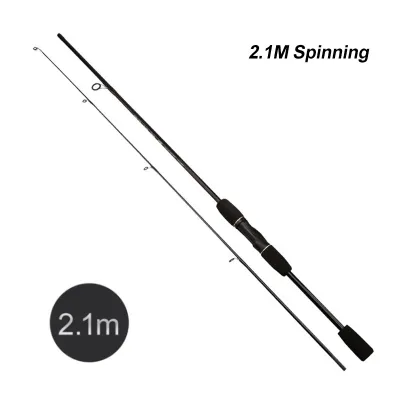
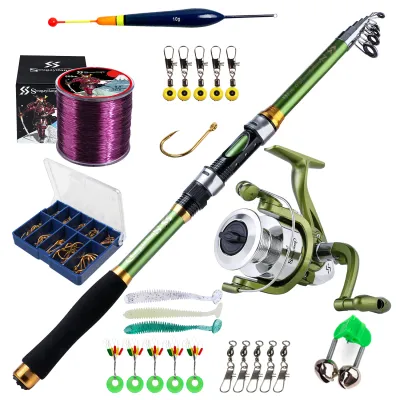
Prices are valid at publication and may change. Please refer to the product page for the latest price.
Furthermore, counterfeit gear comes with absolutely no consumer protection. When a fake rod snaps or a reel gear strips, you are left with unuseable equipment and no recourse. Genuine manufacturers offer warranties, dedicated customer support, and a steady supply of official replacement parts, ensuring that your gear remains operational season after season.
Physical Inspection: Checking the Rod, Reel, and Tackle
A hands-on examination is one of the most reliable ways to separate genuine fishing gear from cheap imitations. Start by inspecting the rod blank from the butt to the tip. Run your fingers along the surface to check for uneven resin application, bubbles, or rough patches. Genuine rods feature a smooth, consistent finish, whereas counterfeits often show sloppy epoxy work around the guide wraps. Pay close attention to the line guides; they must be perfectly aligned along the spine of the rod. Misaligned guides or loose winding checks indicate poor assembly standards.
Next, focus your attention on the reel’s mechanical performance. A genuine reel operates with a smooth, silent, and fluid motion. If you feel any gear grinding, catching, or hear abnormal clicking noises during retrieval, the internal components are likely poorly machined. Test the bail arm by opening and closing it several times; it should click into place with a crisp, positive snap. Tighten the drag knob and pull the line to test the drag system. The line should release smoothly without jerking or stuttering.
Do not overlook the included tackle and accessories that come with a full set. Counterfeit packages often bundle incredibly cheap terminal tackle to fill out the kit. Inspect the hooks for sharpness and structural rigidity; fake hooks bend easily under minimal pressure and often feature dull points. Examine the included fishing line for consistent diameter and tensile strength, as counterfeit lines are notorious for unexpected breakage. Finally, check the paint finish on any included lures. Genuine lures have durable, multi-layered paint and realistic eyes, while fake lures often exhibit peeling paint, smudged details, and poorly secured hardware.
Packaging and Documentation: What to Look For
The packaging is often where counterfeiters cut corners to keep production costs low. Genuine fishing rod sets are shipped in sturdy, high-quality boxes designed to protect the gear during transit. Examine the print quality on the exterior packaging. Look for blurry text, pixelated images, color bleeding, or spelling mistakes.
Security labels and brand logos provide another layer of verification. Many reputable manufacturers place holographic stickers or tamper-evident seals on their packaging. Inspect these stickers closely under direct light. Genuine holographic labels display sharp, multi-dimensional shifts in color and detail when tilted. Counterfeit stickers are often flat, poorly printed metallic decals that do not show any true holographic depth, or they may be peeling off at the corners due to cheap adhesive.
Finally, open the packaging and review the included documentation. A genuine full set typically includes a neatly printed user manual, schematic diagrams of the reel, and an official warranty card. Check the paper quality and the clarity of the diagrams. If the manual is missing entirely, printed on cheap, flimsy paper, or contains poorly translated instructions with formatting errors, the set is highly likely to be a counterfeit.
How to Verify Authenticity Through Official Channels
Modern fishing brands have implemented digital tracking systems to help consumers verify their purchases. Look for a unique serial number, batch code, or a scratch-off QR code on the rod blank, the reel foot, or the packaging. Visit the manufacturer’s official website or download their official mobile app to enter these tracking codes. A genuine code will instantly match the specific model and manufacturing batch in the brand’s database, while a fake code will return an error or show up as already registered multiple times.
When shopping on online marketplaces or ecommerce platforms, evaluating the seller is just as important as inspecting the product. Analyze the seller’s overall rating, the age of their store, and their customer review history. Be skeptical of stores with generic names, extremely short operational histories, or a high volume of negative feedback regarding product authenticity.
Before making a purchase online, communicate directly with the seller. Ask them to provide clear, unedited, real-time photos of the specific item’s serial number and packaging details. Reliable sellers who stock genuine inventory are usually willing to accommodate these requests to secure a sale. If a seller refuses to provide actual photos, makes excuses, or uses stock images exclusively, avoid purchasing from them.
Where to Buy Genuine Fishing Rod Full Sets
The most effective way to guarantee you are purchasing an original fishing rod full set is to choose your retail channel carefully. Buying directly from official brand stores or authorized local dealers ensures that every component in the set is genuine and covered by the manufacturer’s warranty.
In contrast, purchasing from unverified third-party sellers on online marketplaces or local flea markets carries a significantly higher risk. These sellers often source their inventory from liquidation lots or unauthorized manufacturers, making it difficult to verify the origin of the gear. While the lower prices may seem appealing, the lack of quality control and consumer protection often results in a wasted investment.
To find legitimate sellers in your area, visit the official website of the brand you wish to purchase. Most reputable manufacturers maintain an updated “Where to Buy” or “Authorized Retailer” directory. Input your location to find licensed physical shops and verified online storefronts. Sourcing your gear through these approved channels protects your money and ensures you receive high-performing, durable equipment.
What to Do If You Suspect a Fake Purchase
If you suspect that the fishing rod set you received is a counterfeit, take immediate action to secure a refund. Start by documenting the unboxing process. Take clear, well-lit photographs and videos of the packaging, the shipping label, any security stickers, and the specific defects or red flags on the gear itself.
Contact the seller immediately through the official messaging system of the ecommerce platform where you made the purchase. State your concerns clearly, present your photographic evidence, and request a full refund. If the seller is uncooperative, refuses to respond, or offers a partial refund that does not cover the cost, escalate the issue by filing a formal dispute directly with the platform’s customer support team. Most major online marketplaces have buyer protection policies that cover counterfeit goods.
In addition to seeking a refund, report the fraudulent listing to the platform to prevent other anglers from falling victim to the same scam. If the platform fails to resolve the dispute and you are unable to recover your funds, you can seek assistance from consumer protection agencies in the Philippines, such as the Department of Trade and Industry (DTI). Filing a formal complaint with the relevant authorities helps hold dishonest sellers accountable and keeps the local marketplace safer for everyone.
Frequently Asked Questions (FAQ)
Can a fake fishing rod set perform well for beginners?
No, a counterfeit fishing rod set is highly unpredictable and poses significant safety risks, making it a poor choice for beginners. A fake rod that snaps unexpectedly or a reel with a failing drag system will only cause frustration and potentially lead to injuries from flying splinters or sharp metal edges. Instead of risking money on a counterfeit product, beginners should look for budget-friendly, entry-level sets from reputable, genuine brands that offer reliable performance and safety.
Do all original fishing rod sets come with a warranty card?
While most premium and mid-tier fishing rod sets include a physical warranty card in the box, some entry-level genuine sets may not. Many modern manufacturers are transitioning to digital warranty registration systems to reduce paper waste, requiring buyers to register their purchase online using a serial number found on the packaging or the rod itself. To be certain, check the specific brand’s official website to understand their current warranty policies, packaging standards, and required documentation for your specific model.
Community discussion
Share your experience or ask a question. Comments are reviewed before publication.