
To determine if a J6CR paddle is original or fake, you must inspect the blade’s wood grain alignment, verify the serial number on the manufacturer’s official portal, check the rubber’s distinct non-toxic scent, and examine the crispness of the handle’s lens logo. Authentic models exhibit precise wood ply layers and clean factory glue lines, whereas counterfeits often feature rough edges, off-center branding, and a dead bounce during play.
Table tennis has grown significantly in popularity across the Philippines, with players competing in barangay sports halls, school tournaments, and dedicated clubs. This surge in demand has made high-quality gear highly sought after, but it has also led to an influx of counterfeit equipment in the market. Knowing how to verify your equipment ensures you receive the performance, control, and durability you paid for.
Why Authenticity Matters for Table Tennis Performance
Using a genuine paddle is critical for developing proper stroke mechanics and maintaining control during fast-paced rallies. Authentic J6CR paddles are engineered with specific wood compositions and high-grade rubber formulations designed to provide a consistent response. When you play with an authentic racket, the ball behaves predictably off the blade, allowing you to refine your spin, speed, and placement.
Products mentioned in this guide
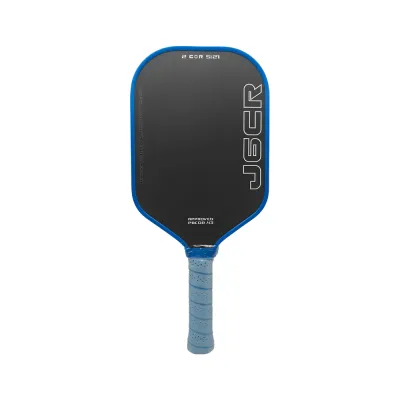
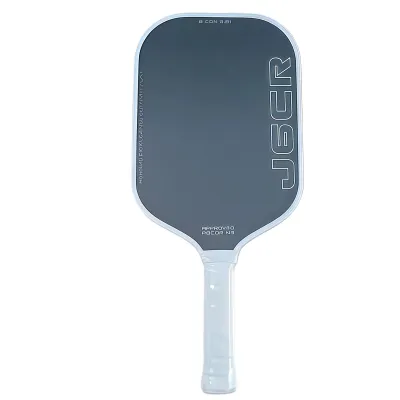
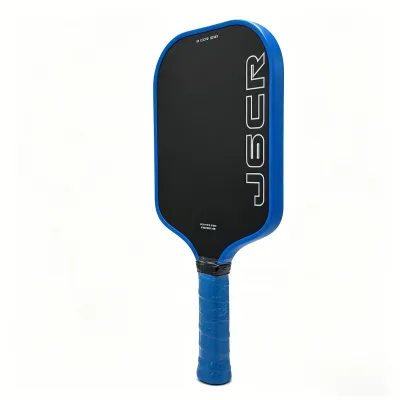
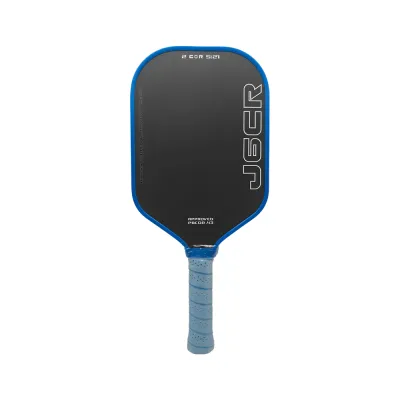
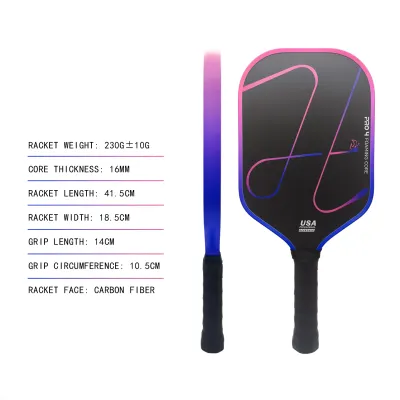
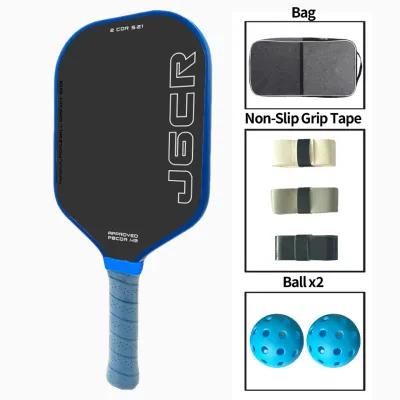
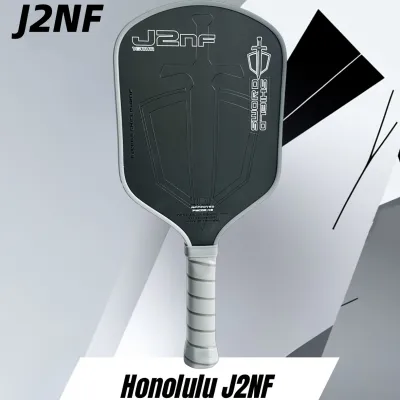
Prices are valid at publication and may change. Please refer to the product page for the latest price.
In the high-humidity tropical climate of the Philippines, the quality of materials becomes even more critical. Genuine blades are constructed from properly cured wood plies that resist warping and moisture absorption. Counterfeit manufacturers often use cheap, poorly dried plywood that quickly swells or delaminates when exposed to humid air, rendering the paddle useless after only a few weeks of use.
Furthermore, fake paddles typically utilize low-grade synthetic rubbers and cheap adhesives that fail to generate the necessary friction for spin. This lack of grip forces players to overcompensate with their swings, which can lead to poor habits and inconsistent play. The poor shock absorption of counterfeit wood also transfers harsh vibrations directly to your hand, increasing the risk of joint strain or tennis elbow during intense training sessions.
Investing in an authentic paddle is ultimately an investment in your physical well-being and skill development. A genuine racket provides a stable, predictable platform that allows you to play safely and progress naturally. Protecting yourself from counterfeits ensures that your hard-earned money goes toward gear that supports, rather than hinders, your athletic performance.
Key Visual and Physical Markers of an Authentic J6CR Paddle
Verifying the authenticity of a J6CR paddle requires a close, methodical inspection of its physical components. Genuine manufacturing processes adhere to strict quality control standards, leaving distinct markers that counterfeiters struggle to replicate.

Packaging and Documentation
Start your inspection with the packaging. An authentic J6CR paddle arrives in a sturdy, high-quality cardboard box featuring crisp, high-resolution printing and accurate color reproduction. The text on the packaging should be perfectly legible, with no blurry edges, color bleeding, or alignment errors. Inside, you will find official documentation, such as care instructions or a warranty card, printed on clean, heavy paper stock with matching brand typography.
Handle and Blade Craftsmanship
Run your fingers along the edges of the blade and the handle. Genuine J6CR blades feature perfectly sanded, smooth edges with no splinters, rough patches, or uneven wood fibers. The wood plies should be clearly visible as distinct, uniform layers of equal thickness. Look closely at the handle scales; they must align perfectly with the blade core, showing no gaps, crooked placement, or visible glue squeeze-out along the seams.
Rubber and Sponge Quality
If you are purchasing a pre-assembled paddle, examine the rubber surface and the underlying sponge layer. Genuine rubber has a completely uniform texture and color, free from bubbles, surface waves, or micro-tears. Bring the paddle close and take a light sniff; authentic table tennis rubber has a characteristic mild, sweet latex scent or a faint chemical smell. Counterfeits, by contrast, often emit a strong, pungent, toxic odor reminiscent of industrial glue or cheap plastic.
Branding and Logos
Inspect the branding elements, particularly the plastic lens embedded in the handle. On an authentic J6CR paddle, this lens is perfectly flush with the wood, centered, and sealed without any rough borders. The logo and text inside the lens must be sharp, clear, and printed in the brand’s exact official fonts and colors. Any crookedness, fading, or slight font variations are immediate signs of a counterfeit product.
Common Red Flags in Counterfeit J6CR Paddles
Counterfeiters often cut corners to minimize production costs, resulting in noticeable physical and functional flaws. Recognizing these common red flags can help you quickly identify a fake paddle before you take it to the table.
- Weight and Balance Discrepancies: Authentic J6CR paddles are carefully balanced to facilitate quick transitions between forehand and backhand strokes. Counterfeits often feel unusually heavy or excessively head-heavy because they use cheap, dense woods and thick layers of low-quality adhesive. If the paddle feels clumsy or strains your wrist during basic swings, its balance is likely compromised.
- Printing and Labeling Errors: Counterfeit packaging and blade faces frequently exhibit subtle typographical mistakes. Look for misspelled words, inconsistent letter spacing, or incorrect logo proportions. Even minor errors in the brand name or model designation indicate a fake.
- Poor Rubber Tackiness or Bounce: Perform a simple ball-test by dropping a standard table tennis ball onto the paddle from a height of about 30 centimeters. An authentic paddle will produce a consistent, clean bounce across the entire surface. A counterfeit paddle often has "dead spots" where the ball barely bounces, and the rubber surface will feel slick or plastic-like rather than tacky and grippy.
- Suspiciously Low Pricing: Authentic J6CR paddles generally retail within a specific price bracket, typically ranging from ₱1,200 to ₱3,500 depending on the specific model and configuration. If you encounter an online listing offering the paddle for an exceptionally low price, such as ₱300 to ₱500, it is highly likely a counterfeit product designed to lure unsuspecting buyers.
How to Verify Your J6CR Paddle Through Official Channels
To ensure complete peace of mind, you should utilize the manufacturer’s official verification systems. These digital and physical security measures are designed to provide definitive proof of authenticity.
Security Labels and Holograms
Most authentic J6CR paddles feature a specialized security sticker or holographic label on the packaging or the base of the handle. When you tilt this hologram under a bright light source, you should observe clear color shifts, multi-layered visual depth, and the emergence of fine micro-text. Counterfeit stickers are usually flat, dull, and do not show distinct visual changes when rotated.
Serial Numbers and QR Codes
Look for a unique serial number engraved directly into the wood of the blade or printed on the security label. To verify this number, open your web browser and manually type the manufacturer’s official website address. Avoid scanning random QR codes printed on the box with a generic scanning app, as counterfeiters sometimes create fake verification websites designed to look identical to the official portal to trick users into thinking their fake product is genuine.
Contacting Customer Support
If you remain unsure about the authenticity of your paddle after performing these checks, reach out directly to the brand’s official customer support team. Take clear, well-lit, high-resolution photographs of the handle lens, the wood plies along the edge of the blade, the rubber stamps, and any security labels. Email these images along with your purchase receipt and seller details to the manufacturer for professional verification.
Where to Buy an Authentic J6CR Paddle in the Philippines
Sourcing your equipment from reputable sellers is the most effective way to avoid counterfeit products. Choosing established channels ensures you receive genuine gear backed by proper customer support.
Authorized Physical Retailers
Whenever possible, purchase your table tennis gear from established sports equipment chains or specialized racket sports pro shops located in major commercial centers across the Philippines. These retailers source their inventory directly from authorized national distributors, ensuring that every product on their shelves is genuine. You also have the advantage of physically inspecting the paddle before making your purchase.
Official Online Stores
If you prefer the convenience of online shopping, look for the official flagship stores of the brand or authorized sports retailers on major local e-commerce platforms. Genuine stores typically carry a verified mall badge, maintain high seller ratings, and feature consistent, positive customer feedback. Always verify that the store name matches the official distributor list if available.
Red Flags in Seller Profiles
Exercise caution when browsing third-party marketplace sellers. Avoid shops that use only generic stock photos instead of actual product images, have no physical business address, or display multiple reviews complaining about counterfeit items. A legitimate seller will be transparent, responsive, and willing to provide real-time photos of the product and its packaging upon your request.
What to Do If You Suspect You Bought a Fake
If you realize that you have purchased a counterfeit J6CR paddle, taking swift, organized action can help you recover your funds and prevent the seller from scamming other players.
Documenting the Evidence
Immediately document all discrepancies. Take clear, close-up photographs of the rough wood edges, misaligned logos, failed serial number verifications, or peeling rubber. If you purchased the item online, record a continuous unboxing video if you have one, as this serves as powerful evidence for dispute resolution. Keep all original packaging, tags, and receipts safe.
Initiating a Return or Dispute
If the purchase was made on an e-commerce platform, file a formal return or refund dispute within the platform’s buyer protection window, which typically lasts between 3 to 7 days after delivery. Upload your documented photos and clearly explain that the item received is counterfeit. If you bought the paddle from a physical store, return to the branch with your receipt, present the evidence to the store manager, and request a refund or exchange.
Reporting the Seller
Report the fraudulent seller directly to the customer support team of the e-commerce platform to have their listing or store suspended. Additionally, you can file a formal complaint with local consumer protection agencies, such as the Department of Trade and Industry (DTI) in the Philippines. Reporting these incidents helps clean up the local marketplace and ensures a safer community for all sports enthusiasts.
Frequently Asked Questions (FAQ)
Can I rely solely on the weight of the paddle to determine if it is authentic?
No, you should not rely on weight as your sole verification factor. While authentic J6CR paddles are manufactured within strict weight tolerances, natural wood is organic and can exhibit minor weight variations due to environmental factors like humidity. Always combine weight checks with visual inspections of the wood plies, logo quality, and serial number verification to make an accurate assessment.
Do authentic J6CR paddles come with pre-applied glue?
This depends entirely on whether you are buying a pre-assembled recreational model or a custom setup where the blade and rubbers are sold separately. Pre-assembled models feature highly uniform, machine-applied glue lines with no excess adhesive spilling onto the handle. If you purchase a custom setup, any messy glue borders or uneven sponge adhesion usually point to poor aftermarket assembly or a counterfeit product.
Community discussion
Share your experience or ask a question. Comments are reviewed before publication.